Dump trucks are the workhorses of construction, mining, and road maintenance. Their ability to lift and unload massive quantities of materials relies heavily on a robust and efficient hydraulic system. At the heart of this system lies hydraulic oil, a seemingly simple fluid that plays a critical role in ensuring smooth, reliable, and long-lasting operation. Choosing the best hydraulic oil for dump trucks isn't just about picking the cheapest option; it's about understanding the demands placed on the system and selecting a fluid that can meet those demands effectively. This comprehensive guide will delve into the key aspects of hydraulic oil, helping you make an informed decision to maximize the performance and lifespan of your dump truck's hydraulic system.
Why Hydraulic Oil Choice Matters for Dump Trucks
Best Hydraulic Oil For Dump Trucks: A Comprehensive Guide
Hydraulic oil acts as the lifeblood of a dump truck's lifting mechanism. It transmits power from the pump to the hydraulic cylinders, enabling them to lift the heavy loads. The oil also lubricates the moving parts within the hydraulic system, preventing wear and tear. Selecting the wrong hydraulic oil can lead to a cascade of problems, including:
- Reduced Lifting Capacity: Inadequate oil viscosity can lead to decreased efficiency and reduced lifting power.
- Premature Wear and Tear: Poor lubrication can accelerate wear on pumps, cylinders, valves, and seals, leading to costly repairs and downtime.
- System Overheating: Inefficient oils can generate excessive heat, damaging components and reducing the oil's lifespan.
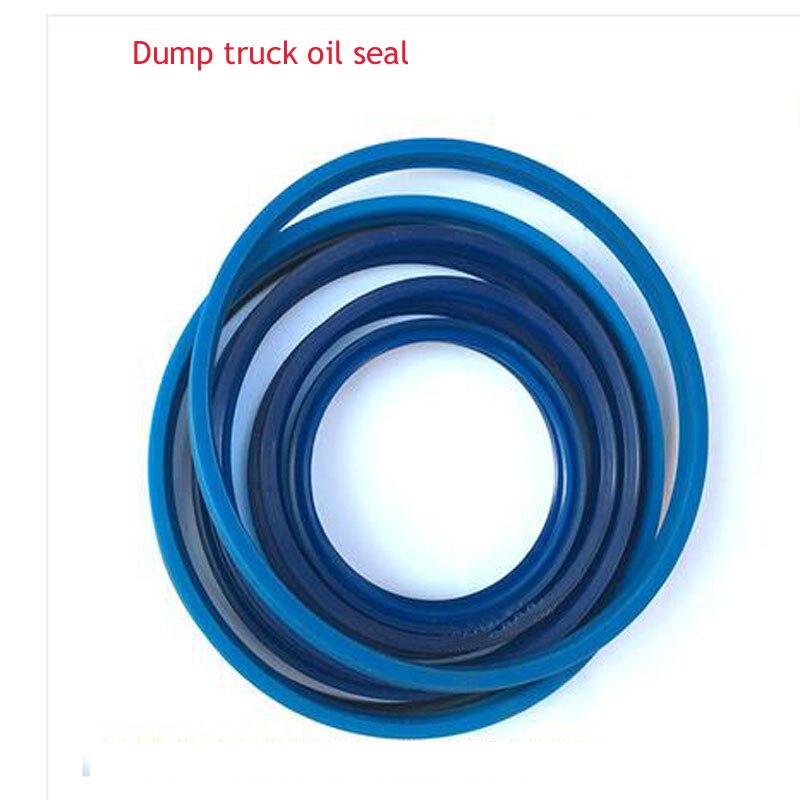
- Seal Degradation: Some oils can react negatively with seals, causing them to swell, shrink, or crack, leading to leaks and pressure loss.
- Increased Downtime: All of the above problems contribute to increased downtime and reduced productivity.

Therefore, choosing the best hydraulic oil for dump trucks is a crucial investment in the long-term health and performance of your equipment.
Understanding the Key Properties of Hydraulic Oil
Before diving into specific recommendations, it's essential to understand the key properties that determine a hydraulic oil's suitability for dump truck applications:

Viscosity: Viscosity is the oil's resistance to flow. It's arguably the most important property, as it directly affects the oil's ability to lubricate and transmit power. Too low viscosity can lead to insufficient lubrication and internal leakage, while too high viscosity can cause increased energy consumption and sluggish operation. Viscosity is typically measured in centistokes (cSt) at specific temperatures (e.g., 40°C and 100°C).
-
Viscosity Index (VI): The viscosity index measures how much the oil's viscosity changes with temperature. A higher VI indicates that the oil maintains a more stable viscosity over a wider temperature range, which is crucial for dump trucks operating in varying climates.
-
Oxidation Stability: Oxidation stability refers to the oil's resistance to degradation when exposed to oxygen and heat. Oxidation leads to the formation of sludge and varnish, which can clog filters and damage hydraulic components.
-
Thermal Stability: Similar to oxidation stability, thermal stability indicates the oil's ability to resist degradation at high temperatures.
-
Shear Stability: Shear stability measures the oil's resistance to thinning under high shear forces, which occur in pumps and valves.
-
Anti-Wear Properties: Anti-wear additives are incorporated into hydraulic oils to protect metal surfaces from wear and tear.
-
Corrosion Inhibition: Corrosion inhibitors prevent rust and corrosion within the hydraulic system.
-
Demulsibility: Demulsibility is the oil's ability to separate from water. Water contamination can lead to rust, corrosion, and reduced lubrication.
-
Foam Resistance: Foam can reduce the oil's compressibility and lubricating ability. Anti-foam additives are added to prevent foam formation.
-
Pour Point: The pour point is the lowest temperature at which the oil will flow. This is important for cold-weather operation.
Types of Hydraulic Oil Suitable for Dump Trucks
Hydraulic oils are generally classified into several types based on their base oil and additive package:
-
Mineral Oil-Based Hydraulic Oils: These are the most common type of hydraulic oil, refined from crude oil. They offer a good balance of performance and cost-effectiveness.
- AW (Anti-Wear) Hydraulic Oils: These oils contain anti-wear additives to protect hydraulic components from wear. They are suitable for moderate-duty applications.
- R&O (Rust and Oxidation Inhibited) Hydraulic Oils: These oils are formulated to resist rust and oxidation. They are typically used in less demanding applications.
- High Viscosity Index (HVI) Hydraulic Oils: These mineral-based oils have a higher viscosity index, making them suitable for use in a wider range of temperatures.
-
Synthetic Hydraulic Oils: These oils are manufactured using synthetic base stocks, offering superior performance compared to mineral oil-based oils. They typically have higher viscosity indices, better oxidation and thermal stability, and longer service lives.
- Polyalphaolefin (PAO) Hydraulic Oils: PAO oils offer excellent performance in extreme temperatures and have a long service life.
- Ester-Based Hydraulic Oils: Ester-based oils are biodegradable and offer good lubricity. However, they may not be compatible with all seal materials.
-
Vegetable Oil-Based Hydraulic Oils: These oils are derived from vegetable oils and are biodegradable and environmentally friendly. However, they may have limitations in terms of oxidation stability and temperature range.
Choosing the Right Hydraulic Oil: Practical Advice
Selecting the best hydraulic oil for your dump truck requires careful consideration of several factors:
-
OEM Recommendations: Always consult your dump truck's owner's manual for the manufacturer's recommended hydraulic oil specifications. This is the best starting point.
-
Operating Conditions: Consider the typical operating conditions of your dump truck. If you operate in extreme temperatures, a high viscosity index (HVI) or synthetic oil may be necessary. For heavy-duty applications, an anti-wear (AW) oil is essential.
-
Hydraulic System Type: The type of hydraulic system used in your dump truck can also influence your oil choice. Some systems may require specific oil types or viscosities.
-
Oil Change Intervals: Consider the recommended oil change intervals for different types of hydraulic oil. Synthetic oils typically have longer service lives than mineral oil-based oils.
-
Compatibility with Seal Materials: Ensure that the chosen hydraulic oil is compatible with the seal materials used in your hydraulic system. Some oils can cause seals to swell or degrade.
-
Budget: Balance performance requirements with your budget. Synthetic oils offer superior performance but are typically more expensive than mineral oil-based oils.
Tips for Maintaining Your Dump Truck's Hydraulic System
- Regular Oil Changes: Follow the manufacturer's recommended oil change intervals.
- Filter Maintenance: Regularly inspect and replace hydraulic filters to remove contaminants.
- Monitor Oil Levels: Check the hydraulic oil level regularly and add oil as needed.
- Inspect for Leaks: Regularly inspect the hydraulic system for leaks and repair them promptly.
- Keep the System Clean: Prevent contaminants from entering the hydraulic system.
- Use Proper Filling Procedures: Use clean funnels and containers when adding hydraulic oil.
- Consider Oil Analysis: Regular oil analysis can help identify potential problems before they lead to major failures.
Potential Challenges and Solutions
- Contamination: Contamination is a major cause of hydraulic system failure. Use clean filling procedures and maintain clean filters.
- Overheating: Overheating can damage hydraulic components and reduce oil life. Ensure proper cooling and use a high-quality oil with good thermal stability.
- Water Contamination: Water contamination can lead to rust and corrosion. Use a hydraulic oil with good demulsibility and ensure that the system is properly sealed.
- Air Entrapment: Air entrapment can cause cavitation and reduce system efficiency. Ensure that the system is properly vented and use an oil with good foam resistance.
Price Table
| Hydraulic Oil Type | Viscosity Grade (ISO VG) | Typical Viscosity Index | Price per 5 Gallon Bucket (USD) | Key Features | Suitable for |
|---|---|---|---|---|---|
| AW Mineral Oil | 46 | 95-100 | $50 - $80 | Anti-wear protection, good all-around performance | General dump truck applications, moderate duty |
| AW Mineral Oil (HVI) | 46 | 140-160 | $70 - $100 | High viscosity index for wider temperature range | Dump trucks operating in varied climates |
| Synthetic PAO | 46 | 150+ | $150 - $250 | Excellent temperature stability, long service life | Heavy-duty applications, extreme temperatures |
| Biodegradable Ester | 46 | 120-140 | $120 - $200 | Environmentally friendly, good lubricity | Environmentally sensitive areas, specific system requirements |
Prices are approximate and can vary based on brand and retailer.
Frequently Asked Questions (FAQ)
- What is the best viscosity grade for dump truck hydraulic oil? The recommended viscosity grade typically falls within the ISO VG 46 or ISO VG 68 range, but always consult your owner's manual for specific recommendations.
- Can I mix different types of hydraulic oil? It is generally not recommended to mix different types of hydraulic oil, as they may not be compatible and can lead to performance problems.
- How often should I change the hydraulic oil in my dump truck? The recommended oil change interval depends on the type of oil and the operating conditions. Consult your owner's manual for specific recommendations. Typically, mineral oil-based oils require more frequent changes than synthetic oils.
- What are the signs of hydraulic oil contamination? Signs of hydraulic oil contamination include milky or cloudy oil, excessive foaming, and the presence of sludge or varnish.
- Can I use automatic transmission fluid (ATF) as hydraulic oil? No, ATF is not designed for use in hydraulic systems and can damage components. Always use hydraulic oil specifically formulated for hydraulic systems.
Conclusion
Choosing the best hydraulic oil for dump trucks is a critical decision that can significantly impact the performance, reliability, and lifespan of your equipment. By understanding the key properties of hydraulic oil, considering the operating conditions, and following the manufacturer's recommendations, you can select the right oil for your needs. Regular maintenance, including oil changes and filter replacements, is also essential for keeping your hydraulic system running smoothly. Investing in high-quality hydraulic oil and proper maintenance practices will pay off in the long run by reducing downtime, minimizing repair costs, and maximizing the productivity of your dump truck. Remember that a well-maintained hydraulic system is the key to efficient and reliable operation, ensuring that your dump truck can handle the toughest jobs with ease.