Sand. It's the stuff of idyllic beaches, challenging off-road adventures, and potential vehicular nightmares. Driving on sand, whether it's the soft, powdery kind or the coarser, packed variety, demands specialized equipment, and at the heart of that equipment are your tires. Choosing the right tires can be the difference between effortlessly gliding across the dunes and becoming hopelessly bogged down. This article will serve as your comprehensive guide to finding the best truck tires for sand, covering everything from essential features to top recommendations, ensuring you can confidently tackle any sandy terrain.
Why Tire Choice Matters for Sand Driving
Conquer the Dunes: Finding the Best Truck Tires for Sand
Driving on sand presents unique challenges. Unlike solid surfaces, sand offers little traction. Standard street tires, designed for paved roads, often dig into the sand, leading to reduced forward momentum and ultimately, getting stuck. The key to successful sand driving is maximizing floatation – spreading the vehicle's weight over a larger surface area to prevent sinking. This is where specialized tires come into play.
Tires designed for sand provide superior floatation, enhanced grip, and improved handling. They often feature specific tread patterns, sidewall construction, and air pressure adjustments that allow them to perform optimally in this demanding environment. Investing in the right tires not only enhances your off-road experience but also protects your vehicle from unnecessary strain and potential damage.
Essential Features of Sand Tires
When selecting tires for sand driving, consider these crucial features:
-
Flotation: This is the most critical factor. Wider tires with a larger surface area will distribute your vehicle's weight more evenly, preventing them from sinking into the sand. Look for tires with a high aspect ratio (sidewall height compared to width) to further enhance flotation.
-
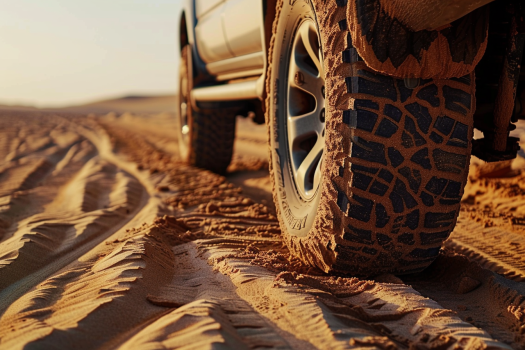
Tread Pattern: Aggressive, deep lugs aren't necessarily ideal for sand. While they excel in mud and rocks, they can sometimes dig too deep into the sand. A more open, less aggressive tread pattern with wider grooves is generally preferred. This type of pattern allows the tire to "paddle" through the sand, providing forward momentum without excessive digging. Ribbed or paddle-style tires are specifically designed for sand and offer excellent performance.
-
Sidewall Flexibility: A flexible sidewall allows you to air down your tires significantly. Lowering the air pressure increases the contact patch and significantly improves flotation. Look for tires with strong, yet pliable, sidewalls that can withstand the stress of low air pressure driving.
-
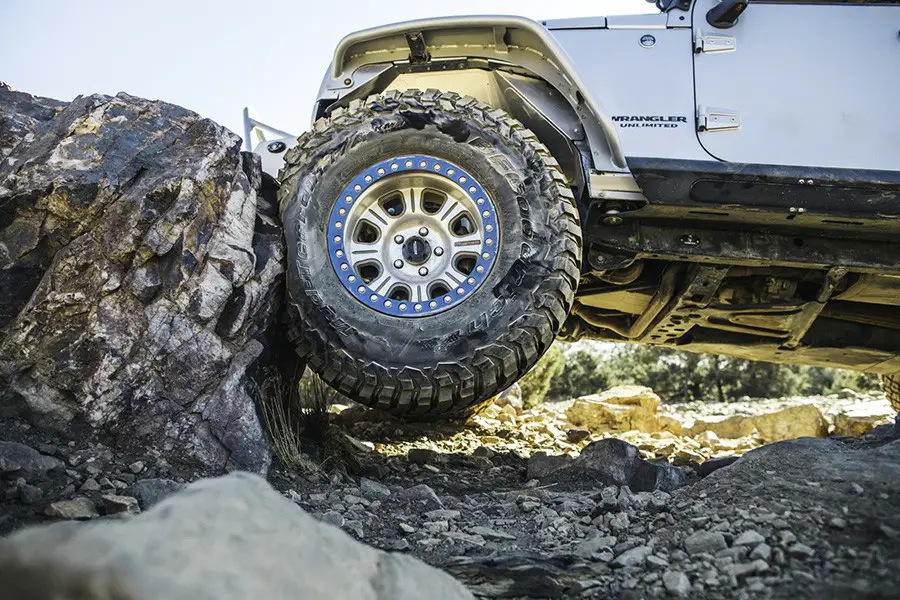
Durability: Sand driving can be abrasive, especially if there are rocks or shells mixed in. Choose tires made from a durable rubber compound that can resist cuts, punctures, and abrasions.

Self-Cleaning Ability: A good sand tire should be able to shed sand quickly, preventing the tread from becoming clogged and losing its effectiveness. Open tread patterns generally excel in this area.
Types of Tires Suitable for Sand
While there aren't "sand-specific" tires in the same way there are mud tires, several types of tires perform well in sandy conditions:
-
All-Terrain (AT) Tires: Many all-terrain tires offer a good compromise between on-road comfort and off-road capability. Look for AT tires with a less aggressive tread pattern and good sidewall flexibility. These are a great option if you primarily drive on the road but occasionally venture onto the sand.
-
Hybrid Terrain Tires: These tires blend features of all-terrain and mud-terrain tires, offering a balance of on-road performance and off-road traction. Some hybrid terrain tires are well-suited for sand, particularly those with wider grooves and less aggressive lugs.
-
Paddle Tires: These tires are specifically designed for sand and feature large, paddle-like treads that provide exceptional traction and floatation. They are not suitable for paved roads due to their aggressive tread pattern and potential for excessive noise and wear. These are the top choice for dedicated sand dune vehicles.
-
Ribbed Tires: Ribbed tires feature longitudinal ribs that provide excellent directional stability and floatation in sand. They are commonly used on buggies and sand rails.
Top Tire Recommendations for Sand Driving
Here are some recommended tires based on different needs and driving styles:
-
BFGoodrich All-Terrain T/A KO2 (All-Terrain): A popular and versatile all-terrain tire that performs well in a variety of conditions, including sand. Its durable construction and decent sidewall flexibility make it a solid choice for occasional sand driving.
-
Falken Wildpeak A/T3W (All-Terrain): Another excellent all-terrain option with good traction in sand and a comfortable on-road ride. Its aggressive sidewall design provides added grip and durability.
-
Nitto Ridge Grappler (Hybrid Terrain): A hybrid terrain tire that balances on-road comfort with off-road performance. Its wider grooves and less aggressive lugs make it a good choice for sand, while still offering decent on-road handling.
-
CST Sandblast (Paddle Tire): A dedicated paddle tire designed for maximum traction and floatation in sand. Ideal for dune buggies and vehicles primarily used for sand driving.
-
Skate Rib Front Tire (Ribbed Tire): A ribbed tire offering great directional control and floatation, specifically designed for sand rails and buggies.
Tips for Driving on Sand with Your Chosen Tires
-
Air Down Your Tires: This is the most crucial step. Reduce your tire pressure significantly (typically to 15-20 PSI, but consult your tire manufacturer's recommendations) to increase the contact patch and improve floatation.
-
Maintain Momentum: Avoid stopping or slowing down unnecessarily. Maintaining momentum is key to preventing your vehicle from sinking into the sand.
-
Steer Gently: Avoid sharp turns, as they can cause your tires to dig into the sand and lose traction.
-
Use 4-Wheel Drive: Engage your vehicle's 4-wheel drive system for maximum traction.
-
Avoid Spin: If your tires start to spin, ease off the gas pedal. Spinning tires will only dig you deeper into the sand.
-
Carry Recovery Gear: Always carry essential recovery gear, such as a shovel, traction boards, and a tow rope, in case you get stuck.
-
Re-Inflate Your Tires: After leaving the sand, re-inflate your tires to the recommended pressure for on-road driving.
Potential Challenges and Solutions
-
Getting Stuck: Even with the right tires, you can still get stuck. Use your recovery gear to dig out your tires and create a path for them to gain traction. Traction boards are particularly helpful in this situation.
-
Tire Damage: Sharp rocks or shells in the sand can damage your tires. Inspect your tires regularly for cuts, punctures, or abrasions.
-
Overheating: Driving in sand can put extra strain on your vehicle's engine and transmission, potentially leading to overheating. Monitor your vehicle's temperature gauge and take breaks if necessary.
Price Table for Sand Tires
| Tire Model | Tire Type | Size | Price (Approximate) | Key Features |
|---|---|---|---|---|
| BFG All-Terrain T/A KO2 | All-Terrain | LT265/70R17 | $250 - $350 | Durable, good all-around performance, decent sidewall flexibility |
| Falken Wildpeak A/T3W | All-Terrain | LT275/70R18 | $230 - $330 | Excellent traction, comfortable ride, aggressive sidewall design |
| Nitto Ridge Grappler | Hybrid Terrain | 35x12.50R20 | $350 - $450 | Balanced performance, wider grooves, less aggressive lugs |
| CST Sandblast | Paddle Tire | 33x15.50-15 | $200 - $300 | Maximum traction, dedicated sand tire, requires sand-specific vehicle |
| Skate Rib Front Tire | Ribbed Tire | 175/70-15 | $100 - $150 | Great directional control, specialized sand tire, requires sand-specific vehicle |
Prices are approximate and may vary depending on the retailer and tire size.
Frequently Asked Questions (FAQ)
-
Q: Can I use regular street tires on sand?
- A: It's not recommended. Street tires lack the floatation and traction needed for sand driving, and you're likely to get stuck.
-
Q: How much should I air down my tires for sand?
- A: Generally, 15-20 PSI is a good starting point, but consult your tire manufacturer's recommendations.
-
Q: Are paddle tires street legal?
- A: No, paddle tires are not street legal due to their aggressive tread pattern and potential for excessive noise and wear.
-
Q: Can I use all-season tires on sand?
- A: All-season tires are not ideal for sand driving. They lack the floatation and traction of all-terrain or sand-specific tires.
-
Q: How do I clean sand out of my tires?
- A: A high-pressure washer can be used to clean sand out of your tires. You can also drive on a paved surface to help dislodge the sand.
Conclusion
Choosing the best truck tires for sand is a critical step in preparing for your off-road adventures. By understanding the essential features of sand tires, considering the different types available, and following the tips outlined in this guide, you can confidently select the right tires for your needs and driving style. Remember to always prioritize safety and carry the necessary recovery gear. With the right tires and a bit of preparation, you can conquer the dunes and enjoy the thrill of driving on sand.