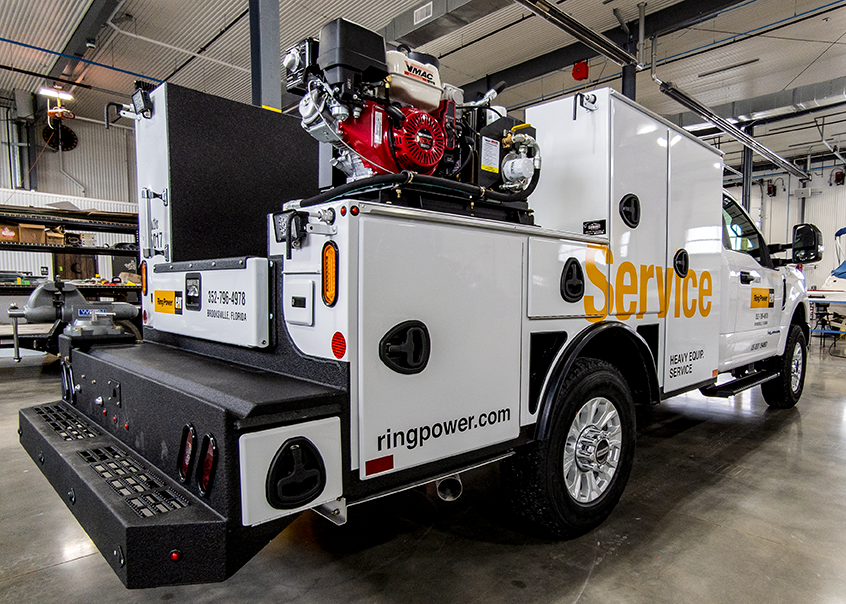
A service truck is a mobile workshop, a lifeline for mechanics, construction crews, and anyone who needs to perform repairs or maintenance on-site. And at the heart of many service truck operations is a reliable air compressor. While electric compressors are suitable for stationary workshops, the limitations of power availability often make a gas air compressor the champion for service trucks. This article provides a comprehensive guide to selecting the best gas air compressor for your service truck, covering key considerations, types, benefits, and practical advice to ensure you make the right choice.
Why a Gas Air Compressor for Your Service Truck?
The Ultimate Guide to Choosing the Best Gas Air Compressor for Your Service Truck
Gas-powered air compressors offer unmatched portability and power for tasks ranging from inflating tires to running pneumatic tools like impact wrenches, grinders, and nail guns. Their independence from electrical outlets makes them ideal for remote job sites where access to electricity is limited or non-existent. Investing in the right gas air compressor can significantly boost your productivity and expand the range of services you can offer.
Key Considerations Before You Buy:
Before diving into specific models, it's crucial to assess your needs and understand the critical factors influencing your decision:
-
Air Delivery (CFM): Cubic Feet per Minute (CFM) measures the volume of air the compressor can deliver at a specific pressure (PSI). Different tools require different CFM ratings. For example, an impact wrench might require 4-5 CFM at 90 PSI, while a sandblaster could need 10-15 CFM at the same pressure. Crucially, add up the CFM requirements of all the tools you anticipate using simultaneously. Then, add a buffer (20-30%) to ensure your compressor can comfortably handle the load without overworking. Undersizing the CFM will result in tools operating inefficiently or not working at all.
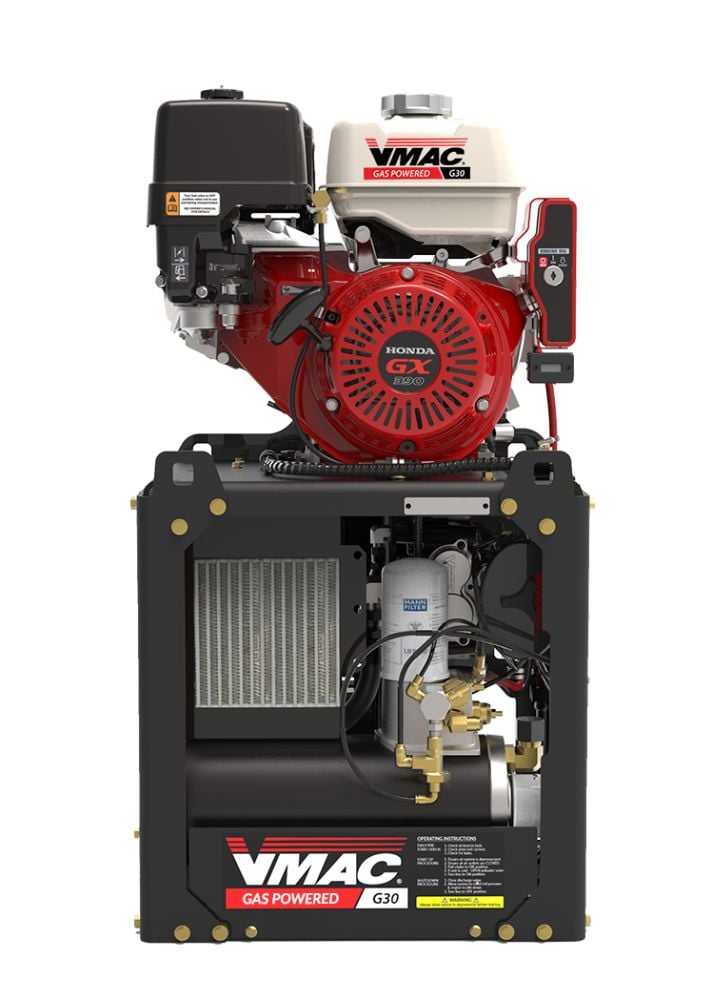
Tank Size (Gallons): The tank acts as a reservoir, storing compressed air and allowing the compressor to cycle on and off less frequently. A larger tank provides a more consistent air supply and reduces the "wait time" for the compressor to refill. Consider the types of tools you'll be using. For intermittent tasks like inflating tires, a smaller tank might suffice. However, for continuous use tools like grinders or paint sprayers, a larger tank is essential.
-
Pressure (PSI): Pounds per Square Inch (PSI) indicates the maximum pressure the compressor can deliver. Most pneumatic tools operate at 90 PSI, but some require higher pressures. Choose a compressor with a PSI rating that meets or exceeds the requirements of your most demanding tool.
-
Engine Type and Horsepower: Gas air compressors are typically powered by gasoline engines. Look for reputable engine brands known for their reliability and longevity (e.g., Honda, Kohler, Briggs & Stratton). Horsepower (HP) is a factor, but more important is the efficiency of the engine in delivering the required CFM. A well-designed engine with lower HP can often outperform a less efficient engine with higher HP. Consider an engine with a low-oil shutdown feature to protect it from damage.
-
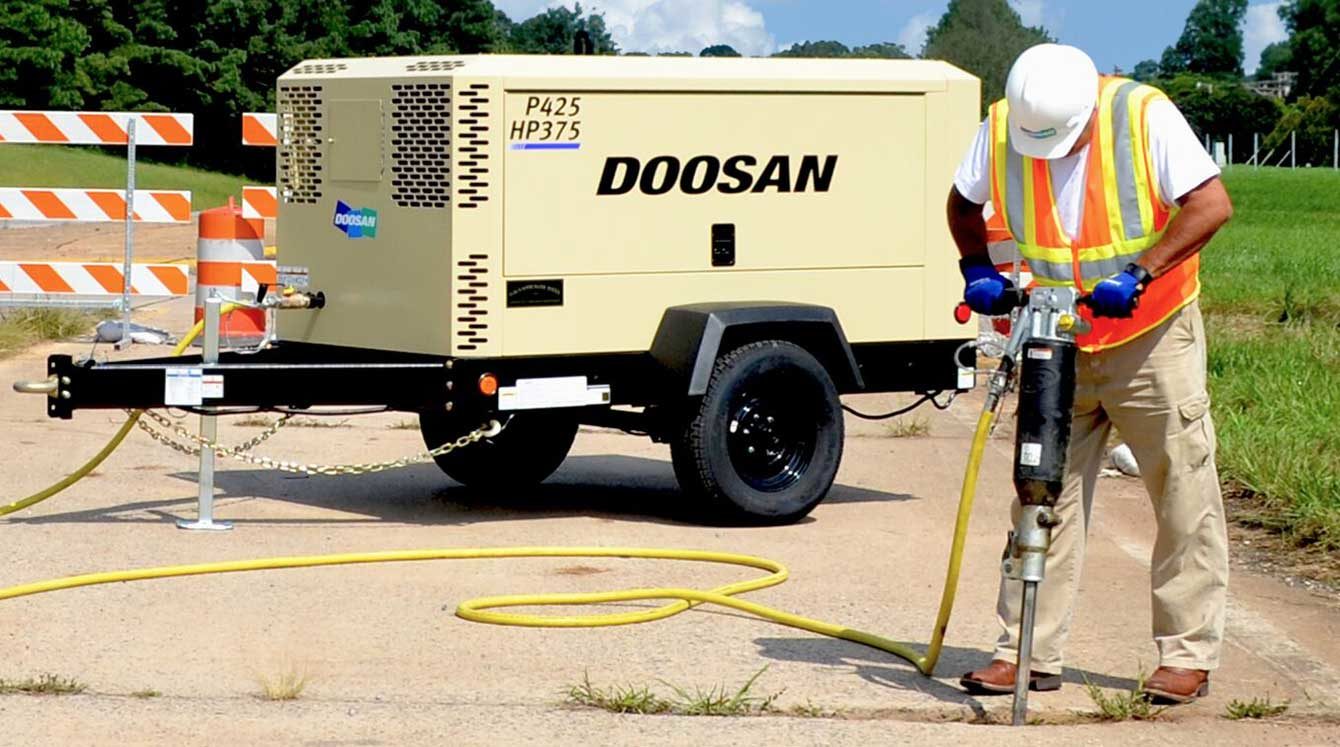
Portability and Size: Service trucks have limited space, so consider the physical dimensions and weight of the compressor. Look for models with sturdy wheels and handles for easy maneuverability. Consider a horizontal tank configuration for a lower center of gravity and easier storage.
-
Durability and Build Quality: Service trucks operate in harsh environments, so choose a compressor built to withstand the rigors of daily use. Look for features like cast iron cylinders, heavy-duty frames, and vibration-dampening mounts.
-
Noise Level: Gas air compressors can be noisy. Consider models with features like noise reduction mufflers or enclosures to minimize noise pollution, especially if you frequently work in residential areas.
-
Starting Mechanism: Most gas air compressors use a recoil start (pull-start). While reliable, it can be challenging in cold weather. Some models offer electric start, which provides easier starting, especially in harsh conditions.
-
Maintenance Requirements: Regular maintenance is crucial for the longevity of your compressor. Consider the ease of access to components like the air filter, oil fill, and drain valve.
Types of Gas Air Compressors for Service Trucks:
-
Single-Stage Compressors: These compressors compress air in a single stroke of the piston. They are typically less expensive and suitable for lighter-duty applications.
-
Two-Stage Compressors: These compressors compress air in two stages, resulting in higher pressure and efficiency. They are ideal for heavy-duty applications and tools requiring higher CFM.
-
Reciprocating (Piston) Compressors: The most common type, these compressors use a piston to compress air. They are durable and relatively inexpensive.
-
Rotary Screw Compressors: These compressors use rotating screws to compress air. They are quieter and more efficient than reciprocating compressors but are typically more expensive and less common in service trucks.
Benefits of a Quality Gas Air Compressor:
- Increased Productivity: Run multiple pneumatic tools simultaneously without worrying about power limitations.
- Expanded Service Capabilities: Offer a wider range of services, including repairs in remote locations.
- Cost Savings: Avoid the need for costly generators or electric power sources.
- Reliability: Depend on a robust and reliable power source for critical tasks.
- Independence: Work anywhere, anytime, without being tethered to an electrical outlet.
Tips for Maximizing Compressor Performance and Lifespan:
- Regular Maintenance: Follow the manufacturer's recommended maintenance schedule, including oil changes, air filter cleaning, and spark plug replacement.
- Proper Storage: Store the compressor in a dry, protected area when not in use.
- Drain the Tank Regularly: Drain the tank daily to remove moisture and prevent rust.
- Use the Correct Oil: Use the recommended oil type and viscosity.
- Check for Leaks: Regularly inspect hoses, fittings, and connections for leaks.
- Don't Overload the Compressor: Avoid using tools that exceed the compressor's CFM rating.
Potential Challenges and Solutions:
- Noise: Use noise reduction mufflers or enclosures. Place the compressor away from work areas.
- Maintenance: Establish a regular maintenance schedule and keep spare parts on hand.
- Starting Difficulties (Cold Weather): Use an electric start model or consider a battery-powered jump starter.
- Fuel Consumption: Choose a fuel-efficient model and avoid idling the engine unnecessarily.
Price Table for Best Gas Air Compressors For Service Truck
| Model | CFM @ 90 PSI | Tank Size (Gallons) | Engine | HP | Starting | Price (USD) | Key Features |
|---|---|---|---|---|---|---|---|
| DeWalt DXCMH0122079 | 5.0 | 30 | Honda GX200 | 6.5 | Recoil | $999 | Cast Iron Cylinder, Low Oil Shutdown |
| Ingersoll Rand SS5L5 | 5.0 | 60 | Honda GX160 | 5.5 | Recoil | $1200 | Two-Stage, Heavy Duty |
| Industrial Air ILA4708065 | 15.3 | 80 | Honda GX270 | 9.0 | Electric Start | $2100 | Two-Stage, High CFM, Electric Start |
| NorthStar 60 Gallon Two-Stage | 17.9 | 60 | Honda GX390 | 13.0 | Electric Start | $2400 | Two-Stage, High CFM, Electric Start, Durable Construction |
| Rolair VT25Bi-OH28 | 5.3 | 8 | Honda GX160 | 5.5 | Recoil | $850 | Portable, Compact, Lightweight |
| Quincy QT-54 | 15.2 | 80 | Honda GX390 | 13.0 | Electric Start | $2700 | Two-Stage, Heavy Duty, Industrial Grade, Premium Quality |
| Champion R15 | 15.2 | 80 | Honda GX390 | 13.0 | Electric Start | $2600 | Two-Stage, Reliable, High Performance |
| Jenny G7AC-9P-3000 | 7.6 | 8 | Honda GX200 | 6.5 | Recoil | $1500 | Belt Driven, Compact, Excellent reputation for quality |
Note: Prices are approximate and may vary based on retailer and availability.
Frequently Asked Questions (FAQ):
-
Q: What CFM do I need for my service truck compressor?
- A: Calculate the CFM requirements of all the tools you plan to use simultaneously and add a 20-30% buffer.
-
Q: Is a single-stage or two-stage compressor better for a service truck?
- A: Two-stage compressors are generally better for heavy-duty applications and tools requiring higher CFM. Single-stage compressors are suitable for lighter-duty tasks.
-
Q: How often should I change the oil in my gas air compressor?
- A: Follow the manufacturer's recommended oil change schedule, typically every 50-100 hours of operation.
-
Q: What type of oil should I use in my gas air compressor?
- A: Use the oil type and viscosity recommended by the manufacturer. Typically, a high-quality SAE 30 oil is recommended.
-
Q: How do I prevent my gas air compressor from freezing in cold weather?
- A: Ensure the compressor is properly lubricated and consider using a block heater in extremely cold conditions. Regularly drain the tank to prevent water from freezing.
Conclusion:
Choosing the best gas air compressor for your service truck is a critical decision that can significantly impact your productivity and profitability. By carefully considering your needs, understanding the key factors discussed in this guide, and investing in a high-quality, reliable compressor, you can ensure that your service truck is equipped to handle any job, anywhere, anytime. Remember to prioritize safety, maintenance, and proper operation to maximize the lifespan and performance of your investment. A well-chosen gas air compressor is not just a tool; it's a partner in your success.