The allure of a Jeep is undeniable. Its rugged design, legendary off-road capability, and inherent sense of adventure have captivated enthusiasts for decades. But what if you could take that passion a step further and build your own Jeep from the ground up? Enter "Jeep In A Box," the ultimate DIY experience for automotive aficionados and off-road junkies. More than just a kit, it's a gateway to crafting a truly unique vehicle tailored to your specific needs and aspirations. This comprehensive guide will delve into the world of Jeep In A Box, exploring its benefits, the building process, essential considerations, and everything you need to know to embark on this exciting adventure.
What Exactly is "Jeep In A Box"?
Jeep In A Box: Unleash Your Inner Off-Roader with DIY Customization
"Jeep In A Box," also known as a Jeep Kit Car, is essentially a comprehensive collection of parts designed to allow you to build a complete, functional Jeep replica or a highly customized off-road vehicle. These kits typically include a chassis, body panels, drivetrain components (engine, transmission, transfer case), suspension parts, interior components, and all the necessary hardware for assembly. The core idea is to provide a more affordable and customizable alternative to purchasing a fully assembled Jeep. While some kits offer near-identical replicas of classic Jeeps, others provide a platform for creating highly modified and personalized off-road machines.
Why Choose a Jeep In A Box? Unveiling the Benefits
The appeal of a Jeep In A Box stems from several key advantages:
- Cost Savings: Building a Jeep from a kit can often be more economical than buying a brand new or even a used Jeep, especially if you're looking for specific modifications or features. You can control the cost by selecting the kit and components that align with your budget.
- Complete Customization: This is arguably the biggest draw. Jeep In A Box allows for unparalleled customization. You can choose the engine, transmission, suspension, body style, and interior components that perfectly match your desired performance and aesthetics. Want a high-performance V8 engine with a long-travel suspension for rock crawling? You can build it.
- Learning and Skill Development: The assembly process is a hands-on learning experience that deepens your understanding of automotive mechanics. You'll gain valuable skills in fabrication, welding, wiring, and general mechanical repair.
- Uniqueness and Personalization: You're not just buying a Jeep; you're building a statement. A Jeep In A Box allows you to create a one-of-a-kind vehicle that reflects your individual style and preferences.
- Repairability and Maintenance: Because you built the vehicle yourself, you'll have a thorough understanding of its components and how they work. This makes future repairs and maintenance significantly easier.
- The Satisfaction of Creation: There's immense satisfaction in knowing that you built your Jeep with your own hands. It's a rewarding experience that fosters a deeper connection with your vehicle.
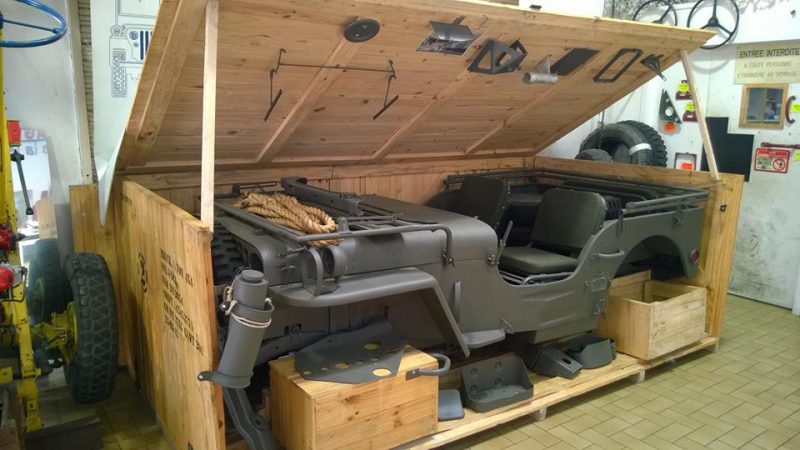
Diving into the Build: A Step-by-Step Guide
Building a Jeep In A Box is a significant undertaking, but with careful planning and execution, it's an achievable goal. Here's a general outline of the build process:

-
Research and Planning:
- Choose the Right Kit: Research different kit manufacturers and select a kit that matches your budget, skill level, and desired end result. Consider the availability of replacement parts and technical support.
- Establish a Budget: Carefully estimate the total cost of the project, including the kit, engine, transmission, suspension, tires, wheels, and any other necessary components. Don't forget to factor in tools and potential unforeseen expenses.
- Create a Workspace: You'll need a well-lit and organized workspace with ample room to maneuver around the chassis. A garage or large shed is ideal.
- Gather Tools and Equipment: Ensure you have all the necessary tools, including wrenches, sockets, screwdrivers, a torque wrench, a welder (if required), and safety equipment.
- Study the Instructions: Thoroughly review the assembly manual before starting the build. Understand each step and identify any potential challenges.
-
Chassis Assembly:
- Begin by assembling the chassis according to the manufacturer's instructions. This typically involves bolting or welding together the frame rails and crossmembers.
- Pay close attention to alignment and ensure all welds are strong and properly executed.
-
Suspension Installation:
- Install the suspension components, including the axles, springs, shocks, and control arms.
- Follow the manufacturer's torque specifications for all fasteners.
-
Drivetrain Installation:
- Install the engine, transmission, and transfer case. This may require modifications to the chassis or engine mounts.
- Connect the driveshafts and ensure proper alignment.
-
Body Panel Installation:
- Attach the body panels to the chassis. This may involve bolting, riveting, or welding.
- Pay attention to panel alignment and ensure a proper fit.
-
Wiring and Electrical System:
- Install the wiring harness and connect all electrical components, including the lights, gauges, and starter.
- Test the electrical system to ensure proper functionality.
-
Interior Installation:
- Install the seats, dashboard, and other interior components.
- Connect the gauges and controls.
-
Final Touches and Testing:
- Install the wheels and tires.
- Fill all fluids, including oil, coolant, and brake fluid.
- Thoroughly inspect the vehicle and address any issues.
- Test drive the Jeep in a safe and controlled environment.

Important Considerations Before You Start
Before diving headfirst into a Jeep In A Box project, consider these crucial factors:
- Skill Level: Building a Jeep from a kit requires a certain level of mechanical aptitude. Be honest about your skills and experience. If you're a beginner, consider taking automotive courses or seeking guidance from experienced builders.
- Time Commitment: This is a time-consuming project. Expect to spend hundreds of hours on the build, especially if you're working alone.
- Budget Management: Stick to your budget. It's easy to get carried away with upgrades and modifications, but overspending can quickly derail the project.
- Local Regulations: Check your local laws and regulations regarding kit cars and home-built vehicles. You may need to obtain special permits or inspections.
- Safety: Always prioritize safety when working on your Jeep. Wear appropriate safety gear, use the correct tools, and follow all safety precautions.
- Patience: Building a Jeep In A Box is a challenging but rewarding experience. Be patient, persistent, and don't be afraid to ask for help when needed.
Types of Jeep In A Box Kits
The Jeep In A Box market offers a variety of kits to cater to different needs and preferences:
- CJ Replicas: These kits aim to recreate the classic CJ-5 or CJ-7 Jeep models. They often feature period-correct styling and components.
- Wrangler Replicas: Similar to CJ replicas, these kits focus on replicating the look and feel of the iconic Wrangler.
- Custom Off-Road Kits: These kits provide a blank canvas for creating highly customized off-road vehicles. They often feature heavy-duty chassis, long-travel suspensions, and options for various engine and drivetrain configurations.
- Military-Style Kits: These kits replicate the look of military Jeeps, such as the Willys MB.
Tips for a Successful Build
- Document Everything: Take photos and videos of the build process. This will be helpful for troubleshooting and future repairs.
- Organize Your Parts: Keep your parts organized and labeled. This will save you time and frustration during assembly.
- Don't Be Afraid to Ask for Help: If you're stuck, don't hesitate to seek guidance from experienced builders or online forums.
- Double-Check Everything: Before moving on to the next step, double-check your work to ensure everything is properly installed and torqued.
- Enjoy the Process: Building a Jeep In A Box is a challenging but rewarding experience. Take your time, enjoy the process, and celebrate your accomplishments along the way.
Potential Challenges and Solutions
- Finding the Right Kit: Solution: Research thoroughly, read reviews, and contact manufacturers directly.
- Fabrication and Welding: Solution: Practice welding on scrap metal before working on the chassis. Consider hiring a professional welder if you're not comfortable with the process.
- Wiring Issues: Solution: Use a multimeter to test circuits and refer to wiring diagrams. Consider purchasing a pre-made wiring harness.
- Parts Compatibility: Solution: Ensure that all parts are compatible before installation. Consult with the kit manufacturer or a parts supplier.
- Cost Overruns: Solution: Stick to your budget and avoid unnecessary upgrades. Prioritize essential components and postpone non-essential modifications.
Price Table
| Kit Type | Chassis | Body Panels | Drivetrain | Suspension | Interior | Estimated Price (USD) |
|---|---|---|---|---|---|---|
| CJ Replica | Included | Included | Not Included | Included | Included | $15,000 - $25,000 |
| Wrangler Replica | Included | Included | Not Included | Included | Included | $18,000 - $30,000 |
| Custom Off-Road | Included | Optional | Not Included | Included | Optional | $20,000 - $40,000+ |
| Military-Style Replica | Included | Included | Not Included | Included | Included | $16,000 - $28,000 |
Note: Prices are estimates and can vary depending on the manufacturer, options, and included components. Drivetrain costs (engine, transmission, transfer case) are typically separate and can range from $5,000 to $20,000+ depending on performance and specifications.
Frequently Asked Questions (FAQ)
- Is a Jeep In A Box street legal? This depends on your local regulations. Check with your DMV to determine the requirements for registering a kit car.
- How long does it take to build a Jeep In A Box? The build time can vary from a few months to a year or more, depending on your skill level, the complexity of the kit, and the amount of time you dedicate to the project.
- Do I need any special tools? Yes, you'll need a basic set of automotive tools, including wrenches, sockets, screwdrivers, a torque wrench, and a welder (if required).
- Can I finance a Jeep In A Box project? Yes, some lenders offer financing options for kit cars.
- Where can I find Jeep In A Box kits? You can find kits from various manufacturers online and at automotive specialty shops.
Conclusion: Your Journey to Jeep Ownership, Customized
Jeep In A Box offers a unique and rewarding path to Jeep ownership. It's a chance to unleash your inner mechanic, create a truly personalized vehicle, and experience the satisfaction of building something with your own hands. While it requires significant time, effort, and planning, the end result is a one-of-a-kind Jeep that reflects your passion and individuality. So, if you're ready for the challenge, embrace the adventure and embark on your Jeep In A Box journey. The open road (or the rugged trail) awaits!