The Jeep Wrangler is iconic. It's a symbol of freedom, adventure, and the ability to conquer almost any terrain. But what if you could take that inherent capability and dial it up to eleven, tailoring your Jeep to your specific needs and desires? Enter the world of "Jeep In Box" – a concept that embodies the spirit of DIY customization, offering a comprehensive approach to transforming your Wrangler into the ultimate off-road machine. This isn't just about bolting on a few aftermarket parts; it's about understanding your vehicle, planning your upgrades, and executing them with precision and passion. This article will serve as your guide to navigating the world of Jeep In Box, providing insights, tips, and considerations to help you build the Jeep of your dreams.
What is Jeep In Box?
Jeep In Box: Unleash Your Inner Off-Roader with DIY Customization
The term "Jeep In Box" is a metaphor for a curated collection of parts, tools, and knowledge required to undertake a significant upgrade or customization project on a Jeep Wrangler, typically focusing on enhancing its off-road capabilities. It encompasses everything from suspension lifts and tire upgrades to armor plating, lighting solutions, and even interior modifications. Think of it as a comprehensive DIY kit, though often you'll be sourcing the "box" contents yourself based on your specific needs and budget. The "box" isn't a literal product you buy, but a conceptual framework for planning and executing your Jeep's transformation.
The importance of the Jeep In Box approach lies in its emphasis on thoughtful planning and integrated solutions. Rather than randomly adding parts, it encourages you to consider how each component works with the others to achieve a specific goal, such as improved rock crawling ability, overland expedition readiness, or enhanced daily drivability. It's about creating a cohesive and functional upgrade package that maximizes performance and minimizes potential issues.
I. Planning Your Jeep In Box Project: Defining Your Goals
Before you even think about buying parts, the most crucial step is defining your goals. Ask yourself:
- What kind of off-roading do I plan to do? (Rock crawling, trail riding, overlanding, mudding, etc.)
- What is my budget? (Be realistic and account for unexpected costs)
- What are my limitations? (Skill level, available tools, time constraints)
- Do I need to retain daily drivability? (This will influence your component choices)
- What is the current condition of my Jeep? (Consider maintenance needs before upgrades)
Answering these questions will help you prioritize your upgrades and create a realistic plan. For example, if you primarily plan on moderate trail riding, a simple 2-inch lift and 33-inch tires might be sufficient. However, if you're aiming for extreme rock crawling, you'll need a more substantial lift, larger tires, and potentially axle upgrades.
II. Key Components of a Jeep In Box Project
While the specific components will vary depending on your goals, here are some common areas to consider:
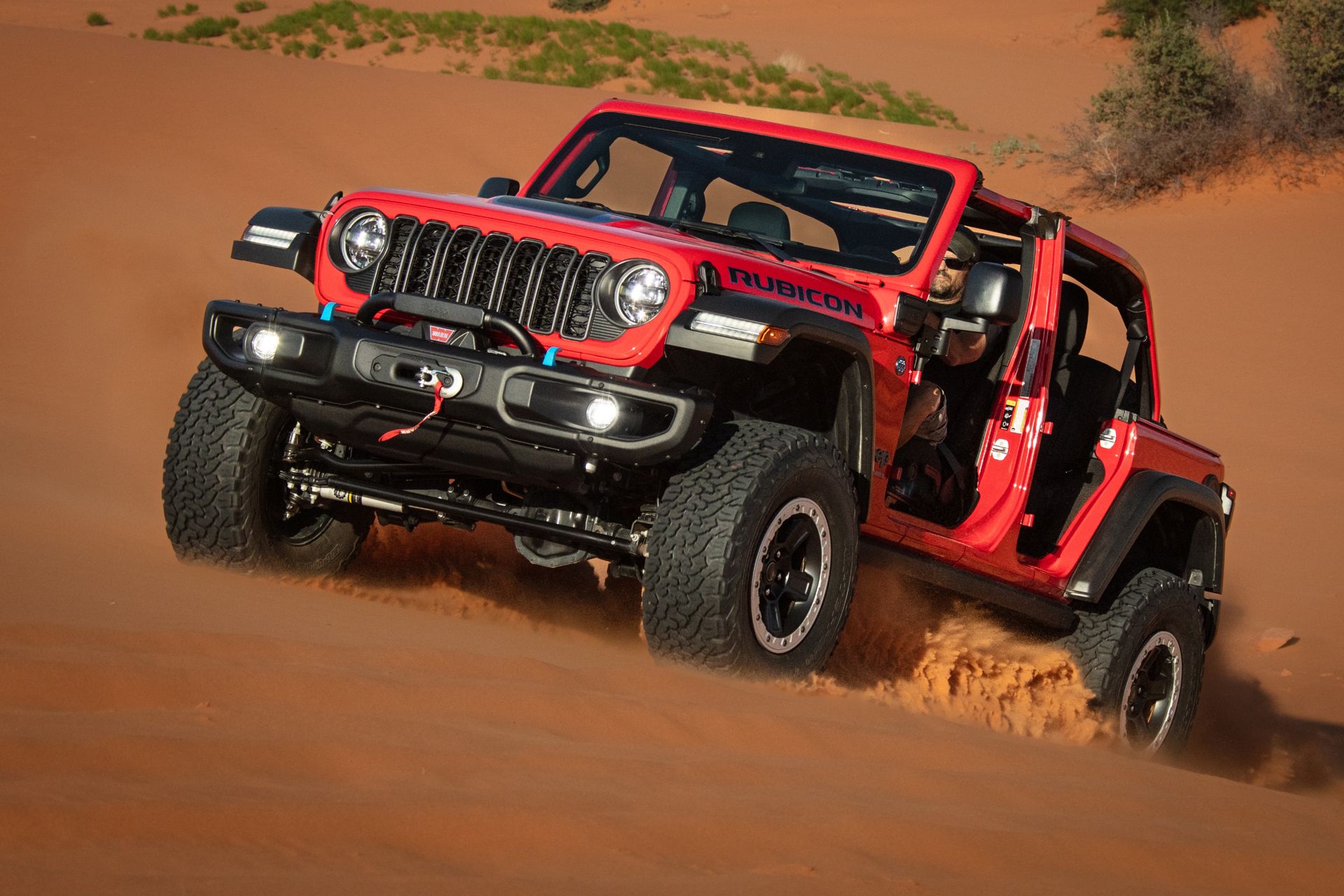
- Suspension Lift: Lifts provide increased ground clearance and allow for larger tires. Options range from budget-friendly coil spacers to more advanced long-arm kits. Consider ride quality, articulation, and load-carrying capacity when choosing a lift.
- Tires and Wheels: Tires are arguably the most important upgrade for off-roading. Choose tires that are appropriate for your terrain and driving style. Wheels should be strong, durable, and have the correct backspacing to avoid rubbing.
- Armor: Rock sliders, skid plates, and bumpers protect your Jeep from damage on the trail. Invest in quality armor that can withstand the abuse of off-roading.
- Axle Upgrades: Larger tires and more aggressive off-roading can put a strain on your axles. Consider upgrading to stronger axles, chromoly axle shafts, and reinforced differentials.
- Gearing: Re-gearing your axles can improve power and fuel economy after installing larger tires. Choose gears that are appropriate for your tire size and driving style.
- Lighting: Auxiliary lighting is essential for nighttime off-roading. Consider LED light bars, fog lights, and rock lights to improve visibility.
- Winch: A winch is a valuable tool for self-recovery in challenging situations. Choose a winch with a sufficient pulling capacity for your Jeep.
- Recovery Gear: Don't forget essential recovery gear such as tow straps, shackles, gloves, and a shovel.
- Interior Modifications: Consider seat covers, floor liners, and a roll cage for added protection and comfort.

III. Assembling Your Jeep In Box: Sourcing Parts and Tools
Once you have a plan, it's time to start sourcing parts. Research reputable manufacturers and suppliers. Read reviews and compare prices. Consider buying used parts to save money, but be sure to inspect them carefully before purchasing.
Where to find parts:
- Online Retailers: Quadratec, ExtremeTerrain, Northridge4x4, Amazon (be cautious of quality)
- Local 4x4 Shops: Offer expert advice and installation services.
- Jeep Forums and Classifieds: A good place to find used parts and connect with other Jeep enthusiasts.
- Direct from Manufacturers: Sometimes offers the best prices and warranty options.
You'll also need a good set of tools. Essential tools include:
- Socket set and wrenches: Metric and standard sizes
- Torque wrench: Essential for tightening bolts to the correct specifications
- Jack and jack stands: For safely lifting your Jeep
- Hammer and pry bar: For removing stubborn parts
- Angle grinder: For cutting and grinding metal
- Welder: If you plan on fabricating custom parts
- Multimeter: For electrical work
- Specialty tools: Such as ball joint press, spring compressor, and pitman arm puller
IV. The Installation Process: A Step-by-Step Guide
Before starting any installation, thoroughly research the procedure and gather all necessary tools and materials.
- Preparation: Park your Jeep on a level surface, engage the parking brake, and disconnect the battery.
- Safety First: Wear safety glasses, gloves, and appropriate clothing. Use jack stands to support the vehicle whenever working underneath.
- Follow Instructions: Carefully read and follow the instructions provided by the manufacturer.
- Take Your Time: Don't rush the process. Double-check your work and ensure everything is properly installed.
- Ask for Help: If you're unsure about any step, don't hesitate to ask for help from a qualified mechanic or experienced Jeep enthusiast.
- Torque to Spec: Use a torque wrench to tighten all bolts to the manufacturer's specifications.
- Test and Adjust: After completing the installation, test drive your Jeep and make any necessary adjustments.
- Alignment: Get a professional wheel alignment after installing a lift kit or making changes to the suspension.
V. Important Considerations and Potential Challenges
- Warranty: Modifying your Jeep can void your factory warranty.
- Legal Regulations: Be aware of local laws and regulations regarding vehicle modifications.
- Drivetrain Issues: Installing larger tires can put a strain on your drivetrain and lead to premature wear.
- Steering Problems: Lift kits can affect steering geometry and cause bump steer or other handling issues.
- Complexity: Some upgrades, such as axle swaps or long-arm suspensions, are complex and require advanced mechanical skills.
- Unexpected Costs: Be prepared for unexpected costs, such as broken parts or additional tools.
VI. Tips for a Successful Jeep In Box Project
- Research Thoroughly: The more you know about the components you're installing, the better.
- Start Small: Begin with simple upgrades and gradually work your way up to more complex projects.
- Join a Jeep Club: Connect with other Jeep enthusiasts and learn from their experiences.
- Document Your Progress: Take photos and videos of your work.
- Don't Be Afraid to Ask for Help: There are plenty of experienced Jeepers who are willing to offer advice.
- Enjoy the Process: Building a Jeep is a rewarding experience.
VII. Price Table Jeep In Box
| Component | Description | Estimated Price Range | Notes |
|---|---|---|---|
| Suspension Lift Kit | 2.5" - 3.5" Lift with shocks and springs | $800 - $3,000 | Price varies widely based on brand, quality, and complexity. |
| Tires (Set of 5) | 33" - 35" All-Terrain or Mud-Terrain Tires | $1,500 - $3,000 | Price depends on size, brand, and tread pattern. |
| Wheels (Set of 5) | 17" or 18" Alloy Wheels with appropriate backspacing | $800 - $2,000 | Considerations include load rating, style, and material. |
| Rock Sliders | Heavy-duty steel rock sliders for body protection | $400 - $800 | Protects the rocker panels from rocks and debris. |
| Skid Plates | Full set of skid plates for engine, transmission, transfer case | $500 - $1,200 | Protects vulnerable undercarriage components. |
| Front Bumper | Aftermarket front bumper with winch mount | $600 - $1,500 | Improves approach angle and provides winch mounting capability. |
| Rear Bumper | Aftermarket rear bumper with tire carrier | $500 - $1,200 | Provides tire carrier and added protection. |
| Winch | 9,500 lb - 12,000 lb winch with synthetic rope | $500 - $1,500 | Essential for self-recovery. |
| Auxiliary Lights | LED light bar and pod lights | $200 - $600 | Improves visibility during nighttime off-roading. |
| Recovery Gear Kit | Tow straps, shackles, gloves, tree saver strap | $100 - $300 | Essential for safe and effective vehicle recovery. |
| Axle Upgrades (Optional) | Chromoly axle shafts, reinforced differentials | $1,000 - $3,000 | Only necessary for extreme off-roading and larger tires. |
| Re-gearing (Optional) | Re-gearing front and rear axles | $800 - $1,500 | Improves performance after installing larger tires. |
| Installation Costs (if applicable) | Professional installation of all components | $1,000 - $3,000+ | Can vary greatly depending on the complexity of the project and the shop's labor rates. |
VIII. Frequently Asked Questions (FAQ)
- Q: Is Jeep In Box expensive?
- A: It can be. The cost depends on the quality of parts and the complexity of the upgrades. Planning and budgeting are essential.
- Q: Do I need to be a mechanic to do Jeep In Box?
- A: Not necessarily. Many upgrades are relatively simple and can be done with basic tools and skills. However, more complex projects may require professional assistance.
- Q: Will Jeep In Box void my warranty?
- A: Possibly. Check with your dealer or read your warranty documentation. Some modifications may not affect your warranty, while others may.
- Q: Where can I find more information about Jeep In Box?
- A: Jeep forums, online retailers, and local 4x4 shops are excellent resources.
- Q: How long does a Jeep In Box project take?
- A: It depends on the scope of the project. Some upgrades can be completed in a weekend, while others may take several weeks.
- Q: What is the most important upgrade in a Jeep In Box project?
- A: Tires. They are the direct connection between your Jeep and the terrain.
Conclusion: Your Jeep, Your Adventure
The concept of "Jeep In Box" is more than just a collection of parts; it's a philosophy that empowers you to customize your Jeep Wrangler to meet your specific needs and desires. By carefully planning your upgrades, sourcing quality components, and executing the installation with precision, you can transform your Jeep into the ultimate off-road machine. Remember to prioritize safety, research thoroughly, and enjoy the process. With a little effort and dedication, you can build a Jeep that's ready for any adventure. The open road (or trail) awaits!