For decades, the image of a Jeep rumbling through challenging terrain has been synonymous with freedom, adventure, and rugged capability. But few know the incredible story of how this iconic vehicle was initially conceived and deployed: as a "Jeep in Crate." This revolutionary approach to military logistics allowed the United States to rapidly deploy a versatile and essential asset across the globe during World War II. This article delves into the fascinating world of the Jeep in Crate, exploring its history, purpose, assembly process, and lasting legacy.
Introduction: The Birth of a Tactical Advantage
Jeep In Crate: A Comprehensive Guide to the Military's Flat-Packed Freedom Machine
The "Jeep in Crate," more formally known as the Willys MB and Ford GPW, was the U.S. military's answer to a pressing need for a lightweight, all-terrain reconnaissance vehicle. Facing the prospect of a global war, the military recognized the need for a versatile machine that could navigate rough terrain, transport personnel and equipment, and be easily shipped to far-flung battlefields. The solution? A vehicle designed to be partially disassembled and packed into crates for efficient transport – the Jeep in Crate.
The importance of this design cannot be overstated. By shipping Jeeps in crates, the military significantly reduced shipping volume, allowing them to transport more vehicles per vessel. This logistical advantage proved crucial in supplying troops on multiple fronts and maintaining a competitive edge. It wasn't just about getting a Jeep to the battlefield; it was about getting more Jeeps to the battlefield, faster, and cheaper.
I. The Need for Speed and Mobility: The Rationale Behind the Jeep in Crate
Before the Jeep, armies relied heavily on horses, motorcycles, and larger trucks for reconnaissance and troop transport. These methods were often slow, inefficient, and ill-suited for the diverse terrains encountered in modern warfare. The Jeep, with its four-wheel drive, compact size, and robust engine, offered a significant improvement in mobility and versatility.
The concept of the Jeep in Crate was born out of the necessity to overcome logistical hurdles. Imagine trying to ship hundreds of fully assembled Jeeps across the Atlantic during wartime. The space required would be immense, significantly impacting the transportation of other crucial supplies. By disassembling the Jeep into manageable components and packing them into crates, the military dramatically reduced the space required for shipping, allowing them to transport a greater number of vehicles per ship or aircraft.
Furthermore, the Jeep in Crate system offered flexibility. Units could assemble Jeeps closer to the front lines, minimizing the risk of damage during transport and ensuring that vehicles were ready for immediate deployment upon arrival.
II. Deconstructing the Icon: What Was Included in a Jeep in Crate?
The Jeep in Crate wasn't just a collection of loose parts. It was a carefully engineered system designed for efficient assembly and robust performance. While the exact contents might vary slightly depending on the manufacturer (Willys or Ford) and production year, the typical crate included:
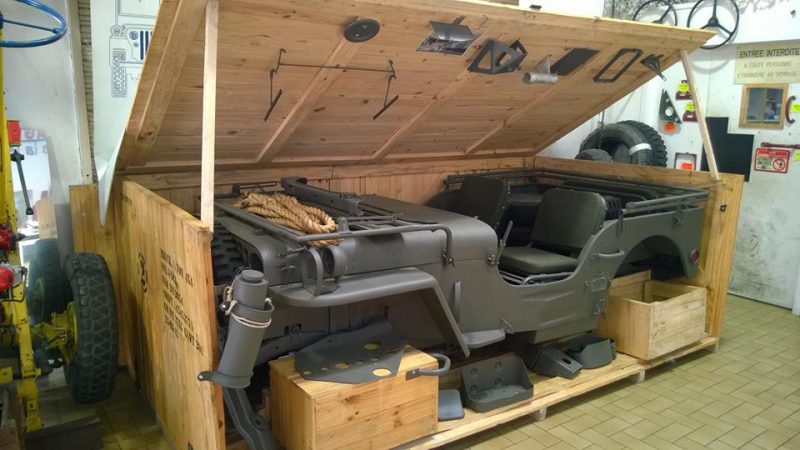
- Chassis: The main frame of the Jeep, usually shipped as a single unit.
- Engine: A fully assembled four-cylinder engine, ready for installation.
- Transmission and Transfer Case: Key components for transmitting power to the wheels.
- Axles: Front and rear axles, complete with differentials.
- Wheels and Tires: Four or five wheels and tires, depending on whether a spare was included.
- Body Panels: Hood, fenders, grill, and other body panels, often shipped separately to prevent damage.
- Seats: Driver and passenger seats, typically made of canvas.
- Steering System: Steering wheel, steering column, and linkage.
- Electrical System: Wiring harness, battery, lights, and other electrical components.
- Tools and Manuals: A basic tool kit for assembly and maintenance, along with detailed assembly instructions.
- Small Parts: A variety of nuts, bolts, washers, and other small parts needed for assembly.

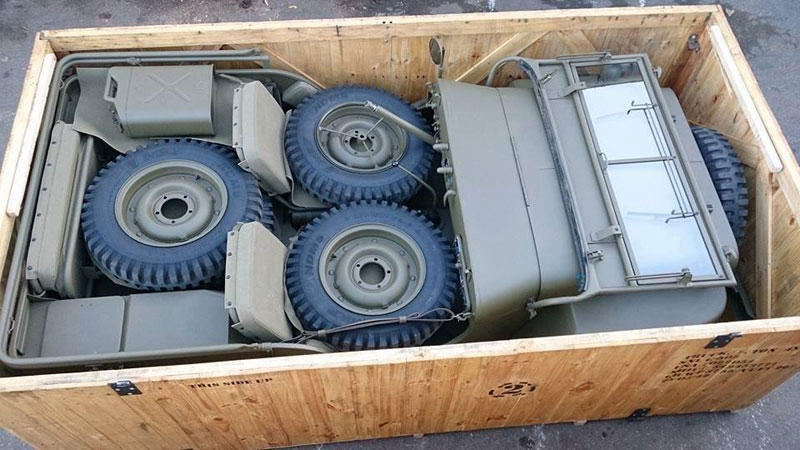
The crate itself was often made of sturdy wood, designed to protect the components during transit. The parts were carefully packed and secured to prevent damage from shifting or impact.
III. The Assembly Process: Bringing the Jeep to Life
Assembling a Jeep from a crate wasn't a simple task, but it was designed to be manageable by trained mechanics and soldiers. The process typically involved the following steps:
- Inventory: Carefully unpack the crate and inventory all the components to ensure everything is present.
- Chassis Preparation: Inspect the chassis for any damage and prepare it for the installation of other components.
- Engine Installation: Mount the engine onto the chassis, connecting the necessary fuel lines and wiring.
- Transmission and Transfer Case Installation: Install the transmission and transfer case, connecting them to the engine and chassis.
- Axle Installation: Attach the front and rear axles to the chassis.
- Wheel and Tire Installation: Mount the wheels and tires onto the axles.
- Body Panel Installation: Attach the body panels, including the hood, fenders, and grill.
- Seat Installation: Install the driver and passenger seats.
- Steering System Installation: Install the steering wheel, steering column, and linkage.
- Electrical System Connection: Connect the wiring harness, battery, lights, and other electrical components.
- Final Inspection and Adjustments: Conduct a thorough inspection of the assembled Jeep, making any necessary adjustments to ensure proper operation.
While the assembly process required mechanical skill and attention to detail, it was designed to be relatively straightforward, allowing units to quickly deploy Jeeps to the field.
IV. Benefits of the Jeep in Crate System
The Jeep in Crate system offered a multitude of benefits:
- Reduced Shipping Volume: Significantly decreased the space required for shipping vehicles, allowing for the transportation of more vehicles and other essential supplies.
- Increased Shipping Efficiency: Enabled faster and more efficient transport of vehicles to distant locations.
- Minimized Damage During Transit: Protected components from damage during shipping.
- On-Site Assembly: Allowed units to assemble Jeeps closer to the front lines, minimizing the risk of damage during transport and ensuring vehicles were ready for immediate deployment.
- Flexibility: Provided greater flexibility in deployment, allowing units to quickly adapt to changing battlefield conditions.
- Simplified Maintenance: The modular design made it easier to replace damaged components in the field.
V. Considerations for Modern Replicas and Restorations
While original Jeep in Crates are rare and highly sought after by collectors, the concept has inspired modern replicas and restoration projects. If you're considering building a Jeep from scratch or restoring an existing one, here are some important considerations:
- Availability of Parts: Sourcing original or reproduction parts can be challenging and expensive.
- Accuracy: Replicating the original Jeep in Crate requires careful attention to detail, including the correct dimensions, materials, and finishes.
- Tools and Equipment: You'll need a variety of tools and equipment for assembly and restoration, including welding equipment, metalworking tools, and specialized Jeep tools.
- Expertise: Assembling a Jeep from scratch or restoring an existing one requires mechanical skills and knowledge of Jeep mechanics.
- Cost: The cost of building a Jeep from scratch or restoring an existing one can be significant, depending on the availability of parts, the level of detail, and the amount of labor involved.
VI. The Enduring Legacy of the Jeep in Crate
The Jeep in Crate was more than just a vehicle; it was a symbol of American ingenuity and logistical prowess. Its impact on World War II and subsequent conflicts cannot be overstated. The ability to rapidly deploy a versatile and reliable vehicle to any corner of the globe gave the U.S. military a significant advantage.
The Jeep's enduring popularity is a testament to its design and functionality. It continues to be used by militaries, law enforcement agencies, and civilians around the world, a lasting legacy of the "Jeep in Crate" concept.
VII. Tips for Building Your Own "Jeep Inspired" Project
While finding an original Jeep in a crate is like finding a unicorn, you can still capture the spirit of this logistical marvel with a well-planned project:
- Research Extensively: Before you even think about buying parts, research the specific model year and make you're aiming for. There are subtle differences that can affect compatibility and authenticity.
- Start with a Solid Foundation: If you're not building from scratch, find a Jeep chassis in good condition. A rusty or damaged frame will be a headache to repair.
- Prioritize Quality Parts: Don't skimp on essential components like the engine, transmission, and axles. Invest in reliable parts that will stand the test of time.
- Document Everything: Take pictures and notes throughout the build process. This will be invaluable if you run into problems or need to troubleshoot issues later.
- Join a Jeep Community: Connect with other Jeep enthusiasts online or in person. They can offer valuable advice, resources, and support.
- Don't Be Afraid to Ask for Help: If you get stuck, don't hesitate to seek assistance from experienced mechanics or Jeep specialists.
Conclusion: A Testament to Innovation
The Jeep in Crate represents a pivotal moment in military history and automotive engineering. It showcases the power of innovative thinking and the importance of logistical efficiency in achieving strategic goals. From its humble beginnings as a flat-packed war machine, the Jeep has evolved into a global icon, embodying freedom, adventure, and the spirit of American ingenuity. Its legacy continues to inspire and remind us that even the most complex challenges can be overcome with creative solutions and a commitment to excellence.
Table: Jeep in Crate - Key Specifications and Estimated Costs (Modern Recreation)
| Feature | Description | Estimated Cost (USD) | Notes |
|---|---|---|---|
| Chassis | Reproduction Willys MB Frame | $1,500 - $3,000 | New reproduction frames are readily available. Original frames may require extensive restoration. |
| Engine | Reproduction L134 "Go Devil" Engine | $3,000 - $5,000 | Rebuilt original engines are also an option but can be more expensive. |
| Transmission/Transfer Case | Rebuilt Original or Reproduction T-84 Transmission and Dana 18 Transfer Case | $1,500 - $3,000 | Sourcing these components in good condition is crucial. |
| Axles | Rebuilt Original or Reproduction Dana 25 Front, Dana 23-2 Rear | $1,000 - $2,000 | Ensure the correct gear ratios for optimal performance. |
| Wheels & Tires | Reproduction Combat Rims and NDT Tires | $800 - $1,200 | Essential for the authentic look and feel. |
| Body Panels | Reproduction Body Kit | $2,000 - $4,000 | Metal body kits are preferable for durability and authenticity. |
| Electrical System | Reproduction Wiring Harness, Lights, and Accessories | $500 - $1,000 | Pay close attention to wiring diagrams and proper grounding. |
| Seats | Reproduction Canvas Seats | $300 - $500 | Comfortable and authentic-looking. |
| Hardware & Small Parts | Nuts, Bolts, Washers, etc. | $500 - $1,000 | This category can quickly add up. It's best to order a comprehensive hardware kit. |
| Labor (Professional) | Assembly, Painting, and Detailing | $5,000 - $10,000+ | Professional assembly can significantly reduce the time and effort required. |
| Total Estimated Cost | $16,600 - $30,700+ | This is a rough estimate and can vary significantly based on the quality of parts, the level of restoration, and whether you hire a professional or do the work yourself. Sourcing original parts can substantially increase the cost. |
Frequently Asked Questions (FAQ)
Q: Are original Jeep in Crates still available?
A: Original Jeep in Crates are extremely rare and highly sought after by collectors. Finding one in complete and un-assembled condition is very unlikely.
Q: How long did it take to assemble a Jeep from a crate?
A: With trained mechanics and proper tools, a team could typically assemble a Jeep from a crate in a few hours.
Q: Were all Jeeps shipped in crates during World War II?
A: No, not all Jeeps were shipped in crates. Many were driven directly onto transport ships. The crated method was used to maximize shipping efficiency, especially for overseas deployments.
Q: What was the main difference between a Willys MB and a Ford GPW?
A: The Willys MB and Ford GPW were functionally identical. Ford produced the GPW under license from Willys-Overland to meet wartime demand. The primary differences were minor variations in parts and markings.
Q: Is it legal to build a Jeep from scratch using reproduction parts?
A: Yes, it is generally legal to build a Jeep from scratch using reproduction parts, as long as you comply with all applicable state and federal regulations regarding vehicle registration and safety standards. You may need to obtain a "kit car" or "specially constructed vehicle" title. Always check your local laws.
Q: Where can I find more information about Jeep in Crates?
A: There are numerous online resources, including Jeep forums, historical societies, and military vehicle clubs, that offer valuable information about Jeep in Crates. You can also consult books and articles on the history of the Jeep.