Introduction: Unearthing the Value of Dump Trucks
In the heavy-duty equipment market, dump trucks are indispensable workhorses. From construction sites to mining operations, these vehicles play a crucial role in hauling materials and keeping projects moving. But how do you determine the fair market value of a dump truck, especially when buying or selling a used model? That's where NADA (National Appraisal Guides) comes in. NADA Dump Truck Values provide a reliable benchmark for assessing the worth of these specialized vehicles, taking into account factors like year, make, model, condition, and mileage. Understanding NADA values is essential for both buyers and sellers, ensuring a transparent and equitable transaction. This comprehensive guide will delve into the intricacies of NADA dump truck values, offering practical insights and actionable advice to help you navigate the market with confidence.
Nada Dump Truck Values: A Comprehensive Guide to Understanding Dump Truck Pricing
Section 1: What is NADA and Why is it Important for Dump Truck Valuation?
The National Appraisal Guides (NADA), now part of J.D. Power, is a trusted source for vehicle valuation. It provides detailed pricing information for cars, trucks, motorcycles, RVs, and even heavy equipment like dump trucks. NADA utilizes a vast database of sales data, market trends, and expert analysis to generate accurate and up-to-date values.
The importance of NADA for dump truck valuation lies in its objectivity and comprehensiveness. Unlike relying solely on subjective opinions or limited local listings, NADA provides a standardized framework for determining value. This is crucial because:
- Transparency: NADA values offer a clear starting point for negotiations, fostering transparency between buyers and sellers.
- Fairness: By considering various factors, NADA helps ensure a fair price that reflects the true condition and market demand for the truck.
- Financing and Insurance: Lenders and insurance companies often rely on NADA values to assess risk and determine loan amounts or coverage premiums.
- Legal Compliance: In certain situations, such as estate settlements or business valuations, using a recognized authority like NADA provides legal defensibility.

Section 2: Key Factors Influencing NADA Dump Truck Values
Several factors contribute to the final NADA value of a dump truck. Understanding these elements allows you to make informed decisions and accurately assess the worth of a particular vehicle:
- Year, Make, and Model: These are the fundamental identifiers of the truck and establish its baseline value. Older models will generally have lower values than newer ones, and different makes and models have varying reputations for reliability and performance, influencing their market demand.
- Mileage: Higher mileage typically indicates more wear and tear, resulting in a lower value. However, well-maintained trucks with high mileage can still command a respectable price.
- Condition: This is arguably the most crucial factor. NADA defines different condition categories (e.g., excellent, good, fair, poor) based on the truck's overall appearance, mechanical condition, and history of maintenance. A truck in excellent condition will fetch a significantly higher price than one in poor condition.
- Equipment and Features: Additional equipment, such as upgraded engines, automatic transmissions, heated seats, air conditioning, and specialized dump bodies (e.g., rock bodies, side dumps), can increase the truck's value.
- Location: Market conditions can vary significantly by region. Demand for dump trucks might be higher in areas with active construction or mining industries, leading to higher prices.
- Market Trends: Overall economic conditions and the demand for construction materials can influence dump truck values. Periods of economic growth often see increased demand and higher prices.
- Maintenance Records: Complete and well-documented maintenance records demonstrate that the truck has been properly cared for, increasing its value and buyer confidence.
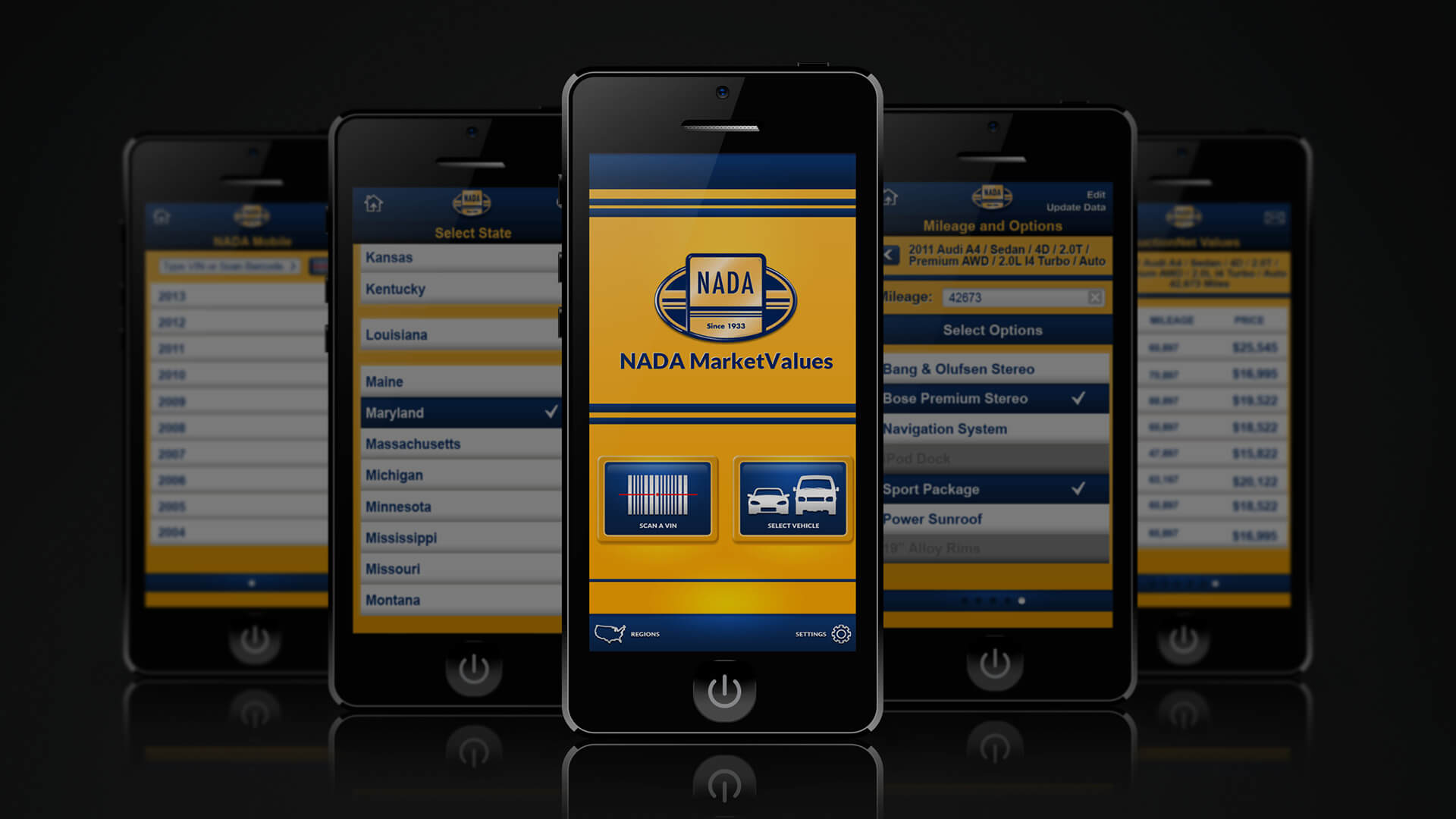

Section 3: How to Find NADA Dump Truck Values: A Step-by-Step Guide
Accessing NADA dump truck values is typically done through online subscription services or through professional appraisers who have access to NADA databases. Here's a general outline of the process:
- Identify the Truck: Gather all relevant information about the dump truck, including the year, make, model, VIN (Vehicle Identification Number), mileage, and any optional equipment.
- Access a NADA Valuation Service: Many online services require a subscription fee to access their data. Look for services that specialize in heavy-duty equipment or commercial vehicles. Alternatively, you can consult with a professional appraiser.
- Enter the Truck's Information: Follow the prompts on the valuation service website or provide the necessary information to the appraiser. This will typically involve selecting the year, make, and model from a list and entering the mileage.
- Assess the Truck's Condition: This is a critical step. Carefully evaluate the truck's condition and select the appropriate category (e.g., excellent, good, fair, poor). Be honest and objective in your assessment.
- Consider Optional Equipment: List any significant optional equipment or features that the truck has. This will help refine the valuation.
- Review the NADA Value: The service will generate a NADA value range based on the information you provided. This range represents the estimated wholesale or retail value of the truck.
- Adjust for Local Market Conditions: The NADA value is a general guideline. You may need to adjust it based on local market conditions, such as demand and availability of similar trucks in your area.
Section 4: Tips for Maximizing Your Dump Truck's Value (Buying and Selling)
Whether you're buying or selling a dump truck, understanding how to maximize its value is essential.
For Sellers:
- Maintain Thorough Records: Keep detailed maintenance records, including receipts for repairs and services. This demonstrates that the truck has been well-cared for.
- Address Mechanical Issues: Before listing the truck for sale, address any known mechanical issues, such as leaks, worn brakes, or faulty electrical components.
- Clean and Detail the Truck: A clean and well-detailed truck makes a better impression on potential buyers. Wash the exterior, clean the interior, and remove any debris.
- Highlight Optional Equipment: Clearly list all optional equipment and features that the truck has.
- Be Honest About Condition: Accurately represent the truck's condition in your listing. Honesty builds trust and avoids potential disputes later on.
- Price Competitively: Research the market and price your truck competitively based on its condition, mileage, and equipment.
- Negotiate Fairly: Be prepared to negotiate with potential buyers, but stand firm on your minimum acceptable price.
For Buyers:
- Inspect the Truck Thoroughly: Before making an offer, thoroughly inspect the truck, both visually and mechanically.
- Obtain a Professional Inspection: Consider hiring a qualified mechanic to perform a pre-purchase inspection. This can identify hidden problems and save you money in the long run.
- Check Maintenance Records: Review the maintenance records to assess the truck's history of care.
- Negotiate the Price: Use the NADA value and your inspection findings to negotiate a fair price.
- Secure Financing: Obtain pre-approval for financing before starting your search.
- Consider Extended Warranty: If available, consider purchasing an extended warranty to protect against unexpected repairs.
Section 5: Potential Challenges and Solutions in Using NADA Dump Truck Values
While NADA provides a valuable framework for dump truck valuation, there are potential challenges to consider:
- Subjectivity in Condition Assessment: Assessing the condition of a dump truck can be subjective. Different people may have different opinions on what constitutes "good" or "fair" condition.
- Solution: Be as objective as possible in your assessment. Use specific criteria, such as the presence of rust, dents, or mechanical issues, to justify your condition rating. Consider getting a professional inspection to provide an unbiased opinion.
- Limited Data for Niche Models: NADA may have limited data for less common dump truck models or those with specialized equipment.
- Solution: Supplement the NADA value with research from other sources, such as online auction sites, classified ads, and industry publications. Consult with experts in the field who have experience with the specific model you are evaluating.
- Regional Variations: NADA values are based on national averages. Market conditions can vary significantly by region, which may affect the accuracy of the valuation.
- Solution: Adjust the NADA value to account for local market conditions. Research recent sales of similar trucks in your area to get a sense of the prevailing prices.
- Outdated Data: NADA values are updated periodically, but they may not always reflect the most current market conditions.
- Solution: Use the NADA value as a starting point and adjust it based on recent market trends. Monitor online auction sites and classified ads to see how prices are changing.
Section 6: Types of Dump Trucks and Their Impact on Value
The type of dump truck significantly influences its value due to variations in functionality, capacity, and intended use. Here's a brief overview:
- Standard Dump Trucks: These are the most common type, with a chassis-mounted bed that tilts to dump materials. Their value is generally in line with NADA averages for similar models.
- Articulated Dump Trucks (ADTs): These trucks have a hinge between the cab and the bed, providing excellent maneuverability on rough terrain. ADTs typically command higher prices than standard dump trucks due to their specialized capabilities.
- Transfer Dump Trucks: These consist of a standard dump truck pulling a separate trailer. The trailer can be unloaded into the main dump body, allowing for greater carrying capacity. Their value is the combined value of the truck and trailer, adjusted for condition and mileage.
- Side Dump Trucks: These trucks dump materials to the side rather than the rear. They are often used in road construction and other applications where precise placement of materials is required. Their value may be higher than standard dump trucks due to their specialized design.
- Super Dump Trucks: These trucks have one or more liftable axles, allowing them to comply with weight restrictions while carrying a heavy load. Their value is influenced by their increased carrying capacity and ability to operate legally in areas with strict weight limits.
Section 7: Frequently Asked Questions (FAQ) about NADA Dump Truck Values
- Q: Is NADA the only source for dump truck values?
- A: No, NADA is a widely recognized source, but it's not the only one. Other resources include online auction sites, classified ads, industry publications, and professional appraisers.
- Q: How often are NADA values updated?
- A: NADA values are updated periodically, typically on a monthly or quarterly basis.
- Q: Can I get a free NADA value for my dump truck?
- A: Some websites offer limited free access to NADA data, but typically, you'll need a paid subscription for detailed valuation information.
- Q: What if my dump truck has been heavily modified?
- A: Modifications can affect the NADA value. Consult with a professional appraiser who can assess the impact of the modifications on the truck's worth.
- Q: How do I factor in the cost of repairs when determining the value of a dump truck?
- A: Deduct the estimated cost of repairs from the NADA value to arrive at a more accurate estimate of the truck's worth.
Section 8: Dump Truck Values Table
| Year | Make | Model | Condition | Mileage | Estimated Value Range |
|---|---|---|---|---|---|
| 2018 | Mack | Granite GU813 | Excellent | 75,000 | $90,000 - $110,000 |
| 2018 | Mack | Granite GU813 | Good | 100,000 | $75,000 - $95,000 |
| 2015 | Kenworth | T880 | Excellent | 120,000 | $70,000 - $85,000 |
| 2015 | Kenworth | T880 | Good | 150,000 | $55,000 - $70,000 |
| 2020 | Peterbilt | 567 | Excellent | 50,000 | $110,000 - $130,000 |
| 2020 | Peterbilt | 567 | Good | 80,000 | $95,000 - $115,000 |
| 2017 | Volvo | VHD | Excellent | 90,000 | $80,000 - $100,000 |
| 2017 | Volvo | VHD | Good | 110,000 | $65,000 - $85,000 |
| 2019 | Western Star | 4700SB | Excellent | 60,000 | $95,000 - $115,000 |
| 2019 | Western Star | 4700SB | Good | 90,000 | $80,000 - $100,000 |
Note: These are estimated value ranges and may vary based on specific equipment, location, and market conditions. Always consult with NADA or a professional appraiser for a more accurate valuation.
Conclusion: Mastering Dump Truck Valuation with NADA
Understanding NADA dump truck values is essential for anyone involved in buying, selling, financing, or insuring these heavy-duty vehicles. By considering the various factors that influence value, utilizing NADA resources, and following the tips outlined in this guide, you can navigate the dump truck market with confidence and ensure a fair and transparent transaction. Remember to be thorough in your assessment, honest in your representation, and adaptable to changing market conditions. With a solid understanding of NADA and its application, you'll be well-equipped to make informed decisions and maximize your investment in the world of dump trucks.