Introduction: Navigating the Used Tractor Market with Confidence
The rumble of a tractor signifies hard work, dedication, and the backbone of agriculture. Whether you're a seasoned farmer expanding your fleet, a hobbyist tending to a small plot, or a landowner needing reliable machinery, a tractor is a significant investment. The used tractor market can be a daunting place, however. Prices fluctuate based on condition, age, features, and even geographic location. This is where Kelley Blue Book (KBB) Tractors steps in, offering a vital resource for both buyers and sellers looking to navigate this complex landscape with confidence.
Kelley Blue Book Tractors: Your Comprehensive Guide to Used Tractor Valuation
Kelley Blue Book, renowned for its vehicle valuation expertise, extends its services to tractors. KBB Tractors provides estimated fair market values for used tractors, helping you determine a reasonable price to pay or to list your tractor for sale. It's not just about a number; it's about empowering you with the knowledge to make informed decisions, avoid overpaying, and ensure a fair deal. This article serves as your comprehensive guide to understanding and utilizing Kelley Blue Book Tractors effectively.
Section 1: Understanding Kelley Blue Book and Tractor Valuation
Kelley Blue Book's reputation is built on decades of experience in vehicle valuation. Their methodology is based on analyzing vast amounts of data, including:
- Transaction data: Actual sales prices of tractors from dealerships, auctions, and private sales.
- Market conditions: Factors like supply and demand, economic trends, and regional variations.
- Equipment specifications: Make, model, year, horsepower, attachments, and other features.
- Condition: A critical factor assessed based on visual inspection, maintenance records, and operational status.
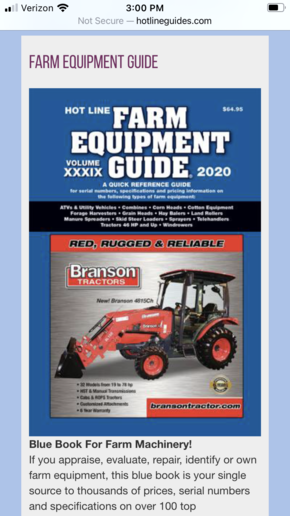
While KBB provides valuable estimates, it's important to remember that they are estimates. Real-world prices can vary. Consider KBB values as a solid starting point for your research, not the final word.
How Kelley Blue Book Values Differ for Tractors Compared to Cars:
- Longevity: Tractors often have a much longer lifespan than cars. This means that even older tractors can retain significant value if well-maintained.
- Specialized Use: Tractors are highly specialized pieces of equipment. Their value is directly tied to their functionality and suitability for specific tasks.
- Attachments and Features: The presence of attachments (loaders, backhoes, mowers, etc.) can significantly impact a tractor's value.
- Regional Demand: Demand for certain types of tractors can vary considerably by region, based on local agricultural practices.

Section 2: How to Use Kelley Blue Book Tractor Values Effectively

Using Kelley Blue Book to assess tractor value is straightforward. Here's a step-by-step guide:
- Gather Information: Collect all relevant details about the tractor you are interested in. This includes:
- Make: (e.g., John Deere, Kubota, Case IH)
- Model: (e.g., 3032E, MX5200, Farmall 50A)
- Year: (e.g., 2018, 2020, 2023)
- Horsepower: (Engine and PTO horsepower are important)
- Hours: (Indicates how much the tractor has been used)
- Condition: (Accurately assess the condition - Excellent, Good, Fair, Poor)
- Attachments: (List any included attachments - loader, backhoe, mower, etc.)
- Drive Type: (2WD, 4WD, MFWD)
- Transmission Type: (Hydrostatic, Gear)
- Visit the Kelley Blue Book Website (if applicable) or Other Tractor Valuation Sites: Currently, Kelley Blue Book does not offer a specific tractor valuation tool on their website. However, several other reliable resources exist, including:
- TractorHouse.com: Offers pricing data and listings for a wide range of tractors.
- Machinery Pete: Provides auction results and market insights for agricultural equipment.
- AuctionTime.com: An online auction platform with detailed listings and pricing.
- Input the Information: Enter the tractor's specifications into the valuation tool on the chosen website.
- Review the Valuation: The tool will generate an estimated fair market value range. Pay attention to the factors that influence the valuation, such as condition and attachments.
- Adjust for Local Market Conditions: Research recent sales of similar tractors in your area to get a more accurate picture of local pricing.
- Inspect the Tractor: If you are a buyer, thoroughly inspect the tractor before making an offer. If you are a seller, honestly assess the tractor's condition and be prepared to justify your asking price.
Section 3: Factors That Influence Used Tractor Value
Several factors play a significant role in determining the value of a used tractor:
- Condition: This is arguably the most important factor. A tractor in excellent condition, with low hours and meticulous maintenance records, will command a higher price. Look for signs of wear and tear, rust, leaks, and mechanical issues.
- Hours: Lower hours generally translate to less wear and tear, increasing the tractor's value. However, a tractor with high hours but excellent maintenance may still be a good investment.
- Maintenance Records: Well-documented maintenance records demonstrate that the tractor has been properly cared for. This can significantly boost its value and instill confidence in potential buyers.
- Attachments: Attachments like loaders, backhoes, mowers, and tillers can dramatically increase a tractor's value, especially if they are in good working order.
- Horsepower: The horsepower rating determines the tractor's capabilities. Higher horsepower models are generally more valuable, especially for larger agricultural operations.
- Drive Type (2WD vs. 4WD/MFWD): Four-wheel drive (4WD) or Mechanical Front Wheel Drive (MFWD) tractors are more versatile and capable, making them more valuable, especially in challenging terrain.
- Transmission Type: Hydrostatic transmissions are generally easier to operate, while gear transmissions are often more durable. The preferred transmission type can influence the tractor's value.
- Age: While newer tractors generally command higher prices, older models can still be valuable if they are well-maintained and in good working order.
- Brand Reputation: Certain brands, like John Deere and Kubota, are known for their quality and reliability, which can translate to higher resale values.
- Location: Geographic location can influence tractor values due to variations in demand and local agricultural practices.
Section 4: Tips for Buying and Selling Used Tractors
For Buyers:
- Do Your Research: Use KBB Tractor alternatives and other resources to determine a fair market value for the tractor you are interested in.
- Inspect Thoroughly: Don't rely solely on photos or descriptions. Conduct a thorough inspection, paying attention to the engine, transmission, hydraulics, and other critical components.
- Test Drive: Operate the tractor to assess its performance and identify any potential issues.
- Ask Questions: Don't hesitate to ask the seller about the tractor's history, maintenance records, and any known problems.
- Negotiate: Be prepared to negotiate the price based on your research and inspection findings.
- Consider a Professional Inspection: If you are not mechanically inclined, consider hiring a qualified mechanic to inspect the tractor before you buy it.
For Sellers:
- Be Honest and Transparent: Accurately describe the tractor's condition, including any known issues.
- Provide Maintenance Records: Show potential buyers that the tractor has been properly cared for.
- Clean and Present Well: A clean and well-maintained tractor will make a better impression and command a higher price.
- Price Competitively: Use KBB Tractor alternatives and other resources to determine a fair asking price.
- Be Prepared to Negotiate: Be realistic about the tractor's value and be willing to negotiate with potential buyers.
Section 5: Common Challenges and Solutions in Used Tractor Valuation
- Lack of Standardized Data: Unlike cars, tractors don't have a standardized VIN system, making it harder to track their history and condition.
- Solution: Rely on thorough inspections, maintenance records, and seller transparency.
- Variability in Attachments: The wide range of attachments and their varying condition makes it difficult to accurately assess their value.
- Solution: Research the value of individual attachments separately and factor them into the overall price.
- Subjectivity in Condition Assessment: Assessing the condition of a tractor is subjective, which can lead to disagreements between buyers and sellers.
- Solution: Rely on objective criteria, such as hours, maintenance records, and the opinions of qualified mechanics.
- Regional Price Differences: Tractor values can vary significantly by region due to differences in demand and local agricultural practices.
- Solution: Research recent sales of similar tractors in your area to get a more accurate picture of local pricing.
Section 6: Beyond Kelley Blue Book: Additional Resources for Tractor Valuation
While KBB is a great starting point, consider these additional resources:
- Online Auction Sites (AuctionTime, Machinery Pete): Provide real-time data on tractor prices.
- Local Tractor Dealers: Can offer appraisals and insights into local market conditions.
- Agricultural Equipment Appraisers: Professionals who specialize in valuing agricultural equipment.
- Online Forums and Communities: Connect with other tractor owners and enthusiasts to get their opinions and insights.
Table: Sample Kelley Blue Book Tractor Price Estimates
| Make | Model | Year | Horsepower | Condition | Estimated Price Range | Notes |
|---|---|---|---|---|---|---|
| John Deere | 3032E | 2020 | 32 | Good | $14,000 - $17,000 | Includes loader, 4WD, hydrostatic transmission |
| Kubota | MX5200 | 2018 | 50 | Fair | $18,000 - $22,000 | Gear transmission, some rust, needs minor repairs |
| Case IH | Farmall 50A | 2023 | 50 | Excellent | $28,000 - $32,000 | Low hours, well-maintained, includes several attachments |
| John Deere | 5075E | 2015 | 75 | Good | $25,000 - $30,000 | 4WD, gear transmission, standard condition |
| Massey Ferguson | 1734E | 2021 | 34 | Excellent | $16,000 - $19,000 | Hydrostatic transmission, low hours, with loader and mower attachment |
Note: These prices are estimates and can vary based on location, market conditions, and specific features. These prices do not come from the KBB website.
Frequently Asked Questions (FAQ)
Q: Does Kelley Blue Book have a specific tractor valuation tool on their website?
A: No, currently Kelley Blue Book does not offer a specific tractor valuation tool on their website. However, there are many other reputable resources available for tractor valuation, such as TractorHouse.com and Machinery Pete.
Q: How accurate are Kelley Blue Book Tractor alternatives estimates?
A: The accuracy depends on the quality of the data and the completeness of the information provided. They should be used as a starting point and adjusted based on local market conditions and a thorough inspection.
Q: What if my tractor has custom modifications? How do I factor that into the value?
A: Custom modifications can be difficult to value. Research the cost of the modifications and assess their impact on the tractor's functionality and desirability. Consider getting an appraisal from a qualified equipment appraiser.
Q: Should I always buy the tractor with the lowest hours?
A: Not necessarily. A tractor with slightly higher hours but excellent maintenance may be a better investment than a tractor with low hours but neglected maintenance.
Q: What is the best way to determine the condition of a used tractor?
A: A thorough visual inspection, a test drive, and a review of maintenance records are essential. If you are not mechanically inclined, consider hiring a qualified mechanic to inspect the tractor.
Conclusion: Empowered Tractor Decisions
The used tractor market can seem overwhelming, but with the right knowledge and resources, you can navigate it with confidence. While Kelley Blue Book doesn't directly offer a tractor valuation service, the principles of valuation they champion – data-driven analysis, consideration of market conditions, and accurate assessment of condition – are crucial. By using KBB Tractor alternatives, conducting thorough research, and following the tips outlined in this guide, you can ensure a fair deal, whether you're buying or selling. Remember, an informed decision is always the best decision when it comes to investing in the workhorse of agriculture.