The 2006 Chevrolet Trailblazer was a popular SUV, and at the heart of many of these vehicles beat a robust and relatively sophisticated engine: the 4.2-liter inline-six. This powerplant, a departure from the traditional V6 configuration common in many SUVs, offered a unique blend of power, smoothness, and durability. This article will delve into the specifics of the 2006 Trailblazer's 4.2L engine, exploring its design, performance characteristics, common issues, maintenance, and overall contribution to the Trailblazer's appeal.
Introduction: Why the 4.2L Inline-Six Matters
The Indomitable Inline-Six: A Deep Dive into the 2006 Chevrolet Trailblazer's 4.2L Engine
The 4.2L inline-six engine, often referred to as the Vortec 4200 or LL8, was a significant engineering achievement for General Motors. It represented a shift towards a more modern engine design, incorporating features like dual overhead camshafts (DOHC) and four valves per cylinder. This configuration allowed for improved airflow and combustion efficiency, resulting in a responsive and relatively fuel-efficient engine for its size. For Trailblazer owners, understanding the intricacies of this engine is crucial for proper maintenance, troubleshooting, and ensuring the longevity of their vehicle. This article aims to provide a comprehensive overview, empowering owners and enthusiasts with the knowledge needed to appreciate and care for this often-overlooked powerplant.
Section 1: Engine Specifications and Design
The 2006 Chevrolet Trailblazer's 4.2L inline-six engine boasts the following key specifications:
- Engine Code: LL8 (Vortec 4200)
- Configuration: Inline-Six, DOHC (Dual Overhead Camshaft), 4 Valves per Cylinder
- Displacement: 4.2 Liters (256 cubic inches)
- Bore x Stroke: 93 mm x 102 mm (3.66 in x 4.02 in)
- Compression Ratio: 10.0:1
- Fuel System: Sequential Fuel Injection (SFI)
- Horsepower: 291 hp (217 kW) @ 6000 rpm
- Torque: 277 lb-ft (376 Nm) @ 3600 rpm
- Firing Order: 1-5-3-6-2-4
- Oil Capacity: Approximately 7 quarts (with filter)

The engine's design is noteworthy for its aluminum cylinder head and cast-iron block. This combination offers a balance of weight reduction (compared to an all-iron engine) and durability. The DOHC configuration allows for precise control over valve timing, optimizing engine performance across the RPM range. The four valves per cylinder further enhance airflow, contributing to the engine's impressive horsepower output. The Sequential Fuel Injection system ensures precise fuel delivery to each cylinder, maximizing efficiency and minimizing emissions.
Section 2: Performance and Driving Characteristics
The 4.2L inline-six engine in the 2006 Trailblazer provides a smooth and responsive driving experience. The engine's linear power delivery makes it well-suited for both city driving and highway cruising. The abundance of torque at lower RPMs allows for confident acceleration and towing capabilities. While not a sports car engine, the 4.2L provides ample power for everyday driving needs and offers a satisfying driving experience compared to some of its V6 competitors. Its distinctive inline-six sound, although relatively muted in the Trailblazer, is another characteristic appreciated by enthusiasts.
Section 3: Common Issues and Problems
Despite its generally robust design, the 4.2L inline-six engine is not immune to common problems. Some of the most frequently reported issues include:
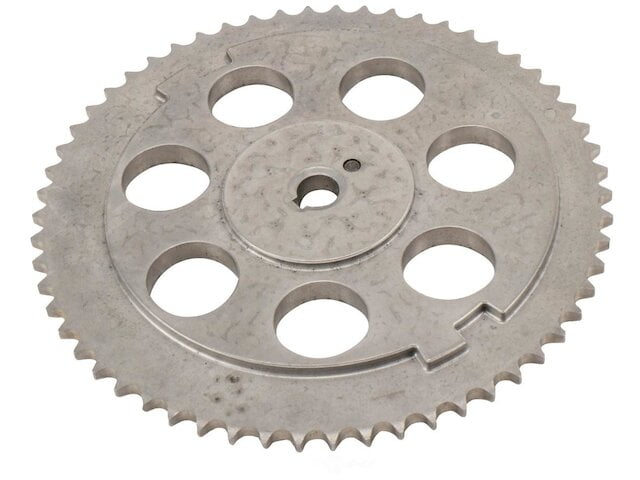
- Camshaft Actuator Solenoid Failure: This is a prevalent issue, often manifesting as rough idling, reduced power, and a check engine light with codes related to camshaft position. The solenoid controls the variable valve timing (VVT) system, and its failure can disrupt engine performance.
- Ignition Coil Failure: Individual ignition coils can fail, leading to misfires, rough running, and a check engine light. Identifying the faulty coil through diagnostic codes and swapping coils to isolate the problem is often required.
- Cooling System Issues: Overheating can be a concern, often stemming from a faulty thermostat, water pump, or radiator. Regular cooling system maintenance is crucial to prevent damage to the engine.
- Oil Consumption: Some engines may exhibit oil consumption, particularly as they age. This can be due to worn piston rings or valve seals. Monitoring oil levels and using a thicker oil can sometimes mitigate the issue.
- Exhaust Manifold Cracks: The exhaust manifold is prone to cracking, leading to exhaust leaks and a noticeable change in engine sound. Replacement is usually necessary.
- Throttle Body Cleaning: The electronic throttle body can become dirty over time, leading to rough idling and hesitation. Cleaning the throttle body can often resolve these issues.
Section 4: Maintenance and Care
Proper maintenance is key to ensuring the longevity and reliability of the 4.2L inline-six engine. The following maintenance tasks should be performed regularly:
- Oil and Filter Changes: Follow the manufacturer's recommended oil change intervals (typically every 5,000-7,500 miles, depending on driving conditions and oil type). Use a high-quality synthetic blend or full synthetic oil that meets GM's specifications.
- Air Filter Replacement: Replace the air filter every 12,000-15,000 miles to ensure proper airflow to the engine.
- Spark Plug Replacement: Replace the spark plugs according to the manufacturer's recommendations (typically every 100,000 miles).
- Coolant Flush and Fill: Flush and refill the cooling system every 5 years or 100,000 miles to prevent corrosion and maintain proper cooling efficiency.
- Inspection of Belts and Hoses: Regularly inspect the belts and hoses for cracks, wear, or leaks. Replace them as needed.
- Throttle Body Cleaning: Clean the throttle body every 30,000 miles to prevent rough idling and hesitation.
- Fuel Injector Cleaning: Consider using a fuel injector cleaner periodically to help keep the fuel injectors clean and functioning properly.
- Monitor Fluid Levels: Regularly check and top off all fluid levels, including engine oil, coolant, power steering fluid, and brake fluid.
Section 5: Troubleshooting and Diagnostics
When problems arise, proper troubleshooting and diagnostics are essential. A basic understanding of the engine's systems and the use of a scan tool can greatly aid in identifying the root cause of the issue.
- Check Engine Light: If the check engine light illuminates, use a scan tool to retrieve the diagnostic trouble codes (DTCs). These codes provide valuable clues about the nature of the problem.
- Visual Inspection: Perform a thorough visual inspection of the engine, looking for leaks, damaged components, or loose connections.
- Listen for Unusual Noises: Pay attention to any unusual noises coming from the engine, such as knocking, ticking, or hissing. These noises can often indicate specific problems.
- Use a Multimeter: A multimeter can be used to test electrical components, such as sensors and actuators, to determine if they are functioning properly.
- Consult a Repair Manual: A repair manual specific to the 2006 Chevrolet Trailblazer can provide detailed information about the engine's systems and troubleshooting procedures.
Section 6: Aftermarket Performance Upgrades (Considerations)
While the 4.2L inline-six is a capable engine in its stock form, some owners may consider aftermarket performance upgrades. Common upgrades include:
- Cold Air Intake: A cold air intake can improve airflow to the engine, potentially increasing horsepower and torque.
- Performance Exhaust System: A performance exhaust system can reduce backpressure, further improving airflow and potentially increasing horsepower.
- ECU Tuning: ECU tuning can remap the engine's computer to optimize performance for specific modifications.
- Forced Induction (Supercharger/Turbocharger): While more complex and expensive, forced induction can significantly increase horsepower and torque.
Important Considerations: Before making any aftermarket modifications, it's important to consider the potential impact on reliability, fuel economy, and emissions. Research reputable manufacturers and ensure that any modifications are properly installed and tuned.
Section 7: The Inline-Six Advantage: Smoothness and Balance
One of the key advantages of the inline-six configuration is its inherent balance. Unlike V6 engines, which often require balancing shafts to reduce vibrations, the inline-six is naturally balanced due to its symmetrical design. This results in a smoother and more refined driving experience. The even firing order of the inline-six also contributes to its smooth power delivery.
Section 8: Longevity and Reliability
With proper maintenance and care, the 4.2L inline-six engine can provide many years of reliable service. Many Trailblazers with this engine have surpassed 200,000 miles with minimal issues. Regular maintenance, prompt repairs, and the use of high-quality parts are crucial for maximizing the engine's lifespan.
Table: 2006 Chevrolet Trailblazer Engine 4.2 L 6-Cylinder Information
| Feature | Description |
|---|---|
| Engine Code | LL8 (Vortec 4200) |
| Configuration | Inline-Six, DOHC, 4 Valves per Cylinder |
| Displacement | 4.2 Liters (256 cubic inches) |
| Horsepower | 291 hp (217 kW) @ 6000 rpm |
| Torque | 277 lb-ft (376 Nm) @ 3600 rpm |
| Fuel System | Sequential Fuel Injection (SFI) |
| Compression Ratio | 10.0:1 |
| Oil Capacity | ~7 quarts (with filter) |
| Common Issues | Camshaft Actuator Solenoid Failure, Ignition Coil Failure, Cooling System Issues, Oil Consumption, Exhaust Manifold Cracks, Throttle Body Cleaning |
| Maintenance | Regular Oil Changes, Air Filter Replacement, Spark Plug Replacement, Coolant Flush, Belt/Hose Inspection, Throttle Body Cleaning |
| Typical Lifespan | 200,000+ miles with proper maintenance |
| Performance Upgrade Potential | Cold Air Intake, Performance Exhaust, ECU Tuning, Forced Induction (Supercharger/Turbocharger) |
| Original MSRP (Engine Only) | N/A - Part of vehicle cost. Difficult to isolate. Replacement engines vary widely: $2000 - $4000+ (remanufactured/used) |
Conclusion: A Solid Performer
The 2006 Chevrolet Trailblazer's 4.2L inline-six engine is a capable and relatively sophisticated powerplant. Its smooth power delivery, robust design, and inherent balance make it a desirable engine for many SUV owners. While it is not without its potential issues, proper maintenance and care can ensure that this engine provides many years of reliable service. Understanding the intricacies of this engine empowers owners to properly maintain their vehicles and address any issues that may arise. The 4.2L inline-six remains a testament to GM's engineering prowess and a key contributor to the Trailblazer's enduring appeal.
Frequently Asked Questions (FAQ)
Q: What type of oil should I use in my 2006 Trailblazer with the 4.2L engine?
A: GM recommends a 5W-30 oil that meets their GM 4718M specification. A high-quality synthetic blend or full synthetic oil is recommended for optimal performance and protection.
Q: How often should I change the oil in my 4.2L engine?
A: Follow the manufacturer's recommended oil change intervals, typically every 5,000-7,500 miles, depending on driving conditions. Shorter intervals are recommended for severe driving conditions (e.g., frequent towing, stop-and-go traffic).
Q: What are the symptoms of a failing camshaft actuator solenoid?
A: Symptoms include rough idling, reduced power, a check engine light with codes related to camshaft position, and poor fuel economy.
Q: How can I tell if an ignition coil is failing?
A: Symptoms include misfires, rough running, a check engine light, and a decrease in fuel economy. You can use a scan tool to identify the specific cylinder with the misfire.
Q: Is it difficult to replace the camshaft actuator solenoid?
A: Replacing the camshaft actuator solenoid is a relatively straightforward repair that can be done by a mechanically inclined individual with basic tools.
Q: Where can I find a replacement engine for my 2006 Trailblazer?
A: Replacement engines can be found at auto parts stores, online retailers, and salvage yards. Consider a remanufactured engine for a more reliable option.
Q: Are there any common modifications to improve the fuel economy of the 4.2L engine?
A: Ensuring the engine is properly maintained with clean air filters, properly inflated tires, and using the correct grade of gasoline can help optimize fuel economy. Some owners have also reported slight improvements with aftermarket exhaust systems, but gains are typically minimal.
Q: Is the 4.2L engine a reliable engine?
A: Yes, generally. The 4.2L engine is considered to be quite reliable, but this depends largely on consistent and proper maintenance. Regular oil changes and attention to cooling system health are crucial for longevity.