The dream of owning a food business is alive and well, fueled by the passion of chefs, entrepreneurs, and culinary enthusiasts. But the high startup costs of a traditional brick-and-mortar restaurant can be daunting. Enter the food trailer – a mobile, adaptable, and often more affordable alternative. While a brand new food trailer is tempting, a used food trailer for sale presents a fantastic opportunity to launch your culinary vision without breaking the bank.
This comprehensive guide will walk you through everything you need to know about buying a used food trailer, from assessing your needs to closing the deal. We'll cover the benefits, the potential pitfalls, and provide actionable insights to help you make an informed decision and embark on your mobile food journey with confidence.
Used Food Trailer For Sale: Your Comprehensive Guide to Mobile Culinary Success
Why Choose a Used Food Trailer? Weighing the Pros and Cons
Before diving into the specifics, let's examine the advantages and disadvantages of buying a used food trailer.
Pros:
- Cost Savings: This is the most significant advantage. Used trailers are significantly cheaper than new ones, freeing up capital for ingredients, marketing, and other essential business expenses.
- Faster Startup: Often, used trailers are already equipped with essential cooking equipment, reducing the time it takes to get your business up and running.
- Depreciation: The initial depreciation hit has already been absorbed by the previous owner.
- Tried and Tested: A used trailer has likely been through the rigors of operation, potentially revealing and addressing any initial design flaws or equipment malfunctions.
- Potential for Unique Designs: You might find unique, customized trailers that offer a distinct aesthetic appeal.

Cons:
- Potential for Hidden Problems: This is the biggest risk. Thorough inspection is crucial to avoid costly repairs.
- Outdated Equipment: The trailer may have older, less efficient equipment, leading to higher energy costs and potential breakdowns.
- Cosmetic Issues: Expect wear and tear. Cosmetic issues may require repairs or upgrades to meet your branding needs.
- Financing Challenges: Securing financing for a used trailer can sometimes be more difficult than financing a new one.
- Warranty Limitations: Warranties, if any, are likely to be limited or non-existent.

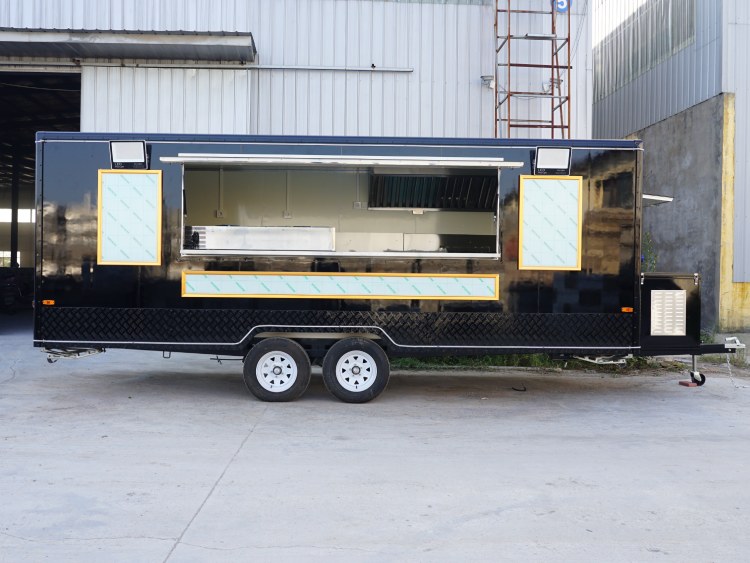
Step-by-Step Guide: Finding the Right Used Food Trailer
Finding the perfect used food trailer requires careful planning and execution. Here's a detailed roadmap to guide you through the process:
1. Define Your Needs and Budget:
- Concept: What type of food will you be serving? This will determine the necessary equipment (grills, fryers, refrigeration, etc.).
- Space Requirements: How much space do you need for food preparation, storage, and staff? Consider the number of employees who will be working in the trailer.
- Mobility: How often will you be moving the trailer? This will impact the importance of factors like trailer weight and towing capacity.
- Local Regulations: Research local health codes and regulations regarding food trailers. This will dictate specific requirements for ventilation, sanitation, and fire safety.
- Budget: Determine your maximum budget, including not just the purchase price but also potential repair costs, upgrades, and transportation fees.
2. Research and Identify Potential Sellers:
- Online Marketplaces: Websites like Craigslist, eBay, Facebook Marketplace, and specialized food trailer marketplaces are excellent starting points.
- Local Classifieds: Check local newspapers and online classifieds.
- Food Trailer Dealers: Some dealers specialize in both new and used food trailers.
- Auctions: Keep an eye out for auctions of restaurant equipment or business liquidations.
- Networking: Talk to other food truck owners and industry professionals. They may know of trailers for sale.
3. Thoroughly Inspect Potential Trailers:
This is the most crucial step. Don't skip it! Consider hiring a qualified mechanic or food service equipment technician to assist you.
- Exterior:
- Frame and Chassis: Check for rust, damage, and structural integrity. Look for signs of welding repairs.
- Tires: Inspect the tires for wear and tear, and check the tire pressure.
- Lights and Brakes: Ensure all lights are working properly and the brakes are in good condition.
- Hitch: Check the hitch for damage and proper functionality.
- Exterior Panels: Look for dents, scratches, and signs of water damage.
- Interior:
- Overall Cleanliness: Assess the cleanliness of the interior. A dirty trailer may indicate poor maintenance.
- Flooring: Check for cracks, damage, and proper drainage.
- Walls and Ceilings: Look for signs of water damage, mold, or mildew.
- Ventilation System: Ensure the ventilation system is working properly and meets local code requirements.
- Electrical System: Check the wiring, outlets, and circuit breakers. Ensure the electrical system is properly grounded.
- Plumbing System: Inspect the plumbing for leaks and proper drainage. Check the water heater and water pump.
- Equipment:
- Test all equipment thoroughly. This includes grills, fryers, refrigerators, freezers, ovens, and any other appliances.
- Check the condition of the equipment. Look for signs of wear and tear, and ensure all components are functioning properly.
- Verify the age and maintenance history of the equipment. Ask for service records.
4. Ask the Right Questions:
- Why are you selling the trailer?
- What is the maintenance history of the trailer and equipment?
- Are there any known problems with the trailer or equipment?
- Has the trailer passed any recent health inspections?
- Do you have any documentation for the trailer and equipment (titles, permits, service records)?
5. Negotiate the Price:
- Research comparable trailers: Find similar trailers for sale online to get an idea of the market value.
- Factor in repair costs: If the trailer needs repairs, factor those costs into your offer.
- Be prepared to walk away: Don't be afraid to walk away if the seller isn't willing to negotiate a fair price.
6. Secure Financing (If Needed):
- Explore financing options: Banks, credit unions, and online lenders offer financing for food trailers.
- Compare interest rates and terms: Shop around for the best financing option.
- Have your financial documents ready: Lenders will typically require financial statements, tax returns, and a business plan.
7. Finalize the Purchase and Transfer Ownership:
- Review the purchase agreement carefully: Make sure all terms and conditions are clearly stated.
- Obtain the title and registration: Transfer the title and registration to your name.
- Obtain the necessary permits and licenses: Ensure you have all the required permits and licenses to operate your food trailer in your area.
- Insurance: Obtain adequate insurance coverage.
Potential Challenges and Solutions:
- Hidden Problems: Solution: Thorough inspection by a qualified professional.
- Outdated Equipment: Solution: Budget for equipment upgrades or replacements.
- Financing Challenges: Solution: Improve your credit score, prepare a strong business plan, and explore alternative financing options.
- Regulatory Hurdles: Solution: Research local regulations thoroughly and work closely with local authorities.
Table Price: Used Food Trailer Considerations
| Feature | Description | Price Range (USD) | Notes |
|---|---|---|---|
| Basic Trailer | Small, enclosed trailer with minimal equipment (e.g., serving window, basic counter) | $5,000 - $15,000 | Good for simple menus; may require significant investment in equipment. |
| Mid-Range Trailer | Equipped with essential cooking equipment (e.g., grill, fryer, refrigerator) | $15,000 - $30,000 | Suitable for a variety of food concepts; check equipment condition carefully. |
| High-End Trailer | Fully equipped with professional-grade appliances, custom design, and advanced features (e.g., generator) | $30,000 - $60,000+ | Ideal for complex menus and high-volume operations; inspect all equipment thoroughly and verify maintenance records. |
| Size | Smaller trailers (e.g., 8-12 feet) are easier to tow and park; larger trailers (e.g., 16-24 feet) offer more space | Varies | Consider your menu, staff size, and parking limitations. |
| Equipment Age | Older equipment may require more maintenance and repairs; newer equipment is more efficient and reliable | Varies | Prioritize newer equipment if possible; factor repair costs into your budget. |
| Condition | Excellent condition means less immediate investment; poor condition may require extensive repairs | Varies | Factor repair and upgrade costs into your offer; consider the potential downtime for repairs. |
| Location | Trailer location can affect price due to transportation costs | Varies | Factor transportation costs into your budget; consider local availability to minimize transportation expenses. |
Frequently Asked Questions (FAQ):
- Q: What permits and licenses do I need to operate a food trailer?
- A: Requirements vary by location. Typically, you'll need a business license, a food handler's permit, a health permit, and potentially a fire safety permit. Check with your local city and county government.
- Q: How do I finance a used food trailer?
- A: Explore options like bank loans, credit union loans, SBA loans, and equipment financing. A strong credit score and business plan are essential.
- Q: How do I transport a used food trailer?
- A: You can tow it yourself if you have a suitable vehicle and the necessary towing experience. Alternatively, you can hire a professional towing company.
- Q: What insurance do I need for a food trailer?
- A: You'll need liability insurance, property insurance, and potentially workers' compensation insurance if you have employees.
- Q: How often should I have my food trailer inspected?
- A: Health inspections are typically required regularly (e.g., quarterly or annually), depending on local regulations. You should also perform regular maintenance checks on your equipment and trailer.
Conclusion:
Buying a used food trailer for sale can be a fantastic way to realize your culinary dreams without incurring the significant costs of a brand-new setup. By following this comprehensive guide, conducting thorough inspections, asking the right questions, and being prepared for potential challenges, you can find the perfect trailer to launch your mobile food business and achieve culinary success. Remember to prioritize safety, compliance, and quality to ensure a thriving and sustainable operation. Good luck, and happy cooking!