Truck driving is a demanding profession. Long hours behind the wheel, constant vibrations, and awkward postures can take a heavy toll on the body, particularly the back. Back pain is one of the most common complaints among truck drivers, leading to discomfort, reduced productivity, and even long-term health issues. Investing in the best back support for truck drivers isn't just about comfort; it's about preserving your health, improving your focus, and extending your career. This comprehensive guide will explore various options for back support, offering practical advice and actionable insights to help you find the perfect solution for your needs.
Why Back Support is Crucial for Truck Drivers
Best Back Support For Truck Drivers: A Comprehensive Guide to Comfort and Health on the Road
The importance of proper back support for truck drivers cannot be overstated. The seated position, especially for extended periods, puts significant pressure on the spinal discs. Constant vibrations from the road further exacerbate this pressure, leading to muscle fatigue, inflammation, and ultimately, pain. Poor posture, often a result of inadequate seat support, can also contribute to spinal misalignment and chronic back problems.
Ignoring back pain can have serious consequences. It can lead to:
- Reduced Performance: Pain distracts you and affects your ability to concentrate on the road, potentially compromising safety.
- Increased Risk of Injury: Back pain can weaken your core muscles, making you more susceptible to injuries from lifting, twisting, and other physical tasks.
- Chronic Pain: Untreated back pain can become chronic, significantly impacting your quality of life and potentially forcing you to leave the profession.
- Reduced Job Satisfaction: Discomfort and pain can make your job less enjoyable, leading to burnout and decreased motivation.

Types of Back Support for Truck Drivers
The market offers a wide range of back support options for truck drivers, each with its own pros and cons. Understanding the different types will help you make an informed decision:
- Lumbar Support Cushions: These are the most common and affordable option. They are designed to fit against the lower back and provide targeted support to the lumbar region, helping to maintain the natural curvature of the spine.
- Pros: Affordable, portable, easy to install, available in various materials and designs.
- Cons: May not provide full back support, effectiveness depends on proper placement and fit.
:max_bytes(150000):strip_icc()/FlexguardSupportBackBrace-5c33b83e46e0fb0001be6b4f.jpg)
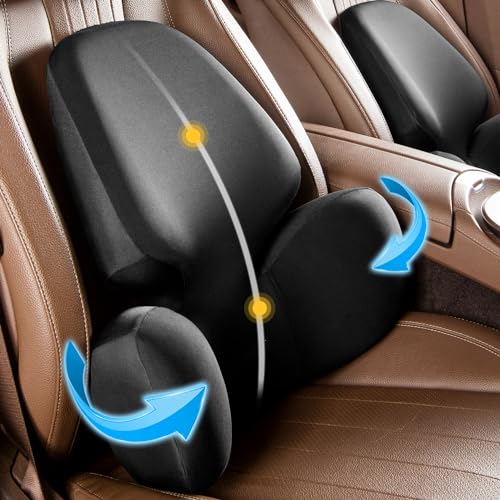
- Seat Cushions with Back Support: These cushions offer a combination of seat and back support, often featuring contoured designs for enhanced comfort. They can help to distribute weight more evenly and reduce pressure on the tailbone.
- Pros: More comprehensive support than lumbar cushions, improved comfort for long drives.
- Cons: Can be bulkier than lumbar cushions, may not fit all truck seats.
- Orthopedic Seat Inserts: These inserts are designed to replace the existing seat cushion and provide customized support. They are often made from high-density foam or gel and are designed to conform to the shape of your body.
- Pros: Superior support and comfort, customized fit, can alleviate pressure points.
- Cons: More expensive than cushions, may require professional installation.
- Full Back Supports/Braces: These supports provide comprehensive coverage for the entire back, offering maximum stability and pain relief. They are often used by drivers with pre-existing back conditions.
- Pros: Maximum support and stability, can help to correct posture, ideal for drivers with back injuries.
- Cons: Can be restrictive and uncomfortable, may require a doctor's prescription.
- Adjustable Seat Systems: Some newer trucks offer seats with built-in adjustable lumbar support, allowing drivers to customize the level of support to their individual needs.
- Pros: Integrated support, customizable settings, eliminates the need for aftermarket cushions.
- Cons: Only available in newer trucks, may not be adjustable enough for all drivers.
- Massage Seat Cushions: These cushions incorporate massage features that can help to relieve muscle tension and improve circulation.
- Pros: Relaxing and therapeutic, can reduce muscle stiffness and pain.
- Cons: May not provide adequate lumbar support, massage features can be distracting.
Choosing the Right Back Support: Key Considerations
Selecting the best back support for your needs requires careful consideration of several factors:
- Type of Truck Seat: Ensure the support you choose is compatible with your truck seat's size and shape.
- Level of Support Needed: Consider your driving habits, existing back pain, and the type of roads you typically drive on.
- Material and Construction: Look for durable, breathable materials that will provide long-lasting comfort and support. Mesh fabrics are excellent for ventilation, while memory foam offers excellent pressure relief.
- Adjustability: Choose a support that can be adjusted to fit your body and preferences.
- Ease of Installation and Cleaning: Opt for a support that is easy to install and remove for cleaning.
- Budget: Back support options range in price from affordable cushions to more expensive orthopedic inserts. Set a budget and find the best option within your price range.
- Personal Preference: Ultimately, the best back support is the one that feels most comfortable and provides the most relief for you.
Tips for Maintaining a Healthy Back on the Road
In addition to using proper back support, there are several other steps you can take to maintain a healthy back while driving:
- Adjust Your Seat Properly: Ensure your seat is adjusted so that your knees are slightly bent and your feet can comfortably reach the pedals. Your lower back should be fully supported by the seat.
- Take Regular Breaks: Get out of the truck and stretch your back and legs every few hours.
- Practice Good Posture: Sit up straight with your shoulders relaxed and your chin tucked in.
- Strengthen Your Core Muscles: Strong core muscles provide support for your spine and help to prevent back pain.
- Lift Properly: Use proper lifting techniques when loading and unloading cargo. Bend your knees and keep your back straight.
- Stay Hydrated: Dehydration can lead to muscle stiffness and pain. Drink plenty of water throughout the day.
- Maintain a Healthy Weight: Excess weight puts added strain on your back.
- Consider a Professional Evaluation: If you experience chronic back pain, consult with a doctor or physical therapist for a professional evaluation and treatment plan.
Potential Challenges and Solutions
Finding the perfect back support can sometimes be challenging. Here are some common challenges and potential solutions:
- Discomfort: If you experience discomfort with a particular back support, try adjusting its position or trying a different type of support.
- Incompatibility: If the support doesn't fit your truck seat properly, consider purchasing a different size or model.
- Sweating: If you experience excessive sweating, choose a support made from breathable materials.
- Cost: If you're on a tight budget, look for affordable lumbar cushions or consider purchasing a used orthopedic insert.
- Finding the Right Fit: If you're unsure which type of back support is right for you, consult with a physical therapist or chiropractor.
Table: Price and Information About Back Support
| Product Type | Description | Price Range | Pros | Cons | Key Features |
|---|---|---|---|---|---|
| Lumbar Support Cushion | Provides targeted support to the lower back. | $20 - $50 | Affordable, portable, easy to install. | May not provide full back support. | Adjustable straps, breathable mesh, memory foam. |
| Seat Cushion w/ Back Support | Combines seat and back support for enhanced comfort. | $40 - $80 | More comprehensive support, improved comfort. | Can be bulkier, may not fit all seats. | Contoured design, high-density foam, non-slip bottom. |
| Orthopedic Seat Insert | Replaces the existing seat cushion for customized support. | $100 - $300 | Superior support, customized fit, alleviates pressure points. | More expensive, may require professional installation. | High-density foam or gel, ergonomic design, durable cover. |
| Full Back Support/Brace | Comprehensive coverage for the entire back. | $50 - $150 | Maximum support and stability, can help correct posture. | Can be restrictive, may require a doctor's prescription. | Adjustable straps, breathable fabric, rigid support panels. |
| Massage Seat Cushion | Incorporates massage features for muscle relaxation. | $50 - $120 | Relaxing and therapeutic, can reduce muscle stiffness. | May not provide adequate lumbar support, massage can be distracting. | Multiple massage settings, heat function, adjustable intensity. |
Frequently Asked Questions (FAQ)
- Q: How often should I replace my back support cushion?
- A: It depends on the quality and usage of the cushion. Generally, you should replace it every 1-2 years or when you notice a decrease in support.
- Q: Can a back support cushion fix my back pain?
- A: A back support cushion can help to alleviate back pain, but it is not a cure-all. It's essential to address the underlying causes of your pain through proper posture, exercise, and medical treatment if necessary.
- Q: Are massage seat cushions safe for long-term use?
- A: Massage seat cushions are generally safe for long-term use, but it's essential to use them in moderation and avoid overstimulation. If you experience any discomfort, discontinue use.
- Q: Can I claim the cost of back support on my taxes?
- A: In some cases, you may be able to claim the cost of back support as a medical expense. Consult with a tax professional for more information.
- Q: How do I clean my back support cushion?
- A: Follow the manufacturer's instructions for cleaning. Most cushions can be spot-cleaned with a damp cloth and mild detergent.
Conclusion
Investing in the best back support for truck drivers is an investment in your health, well-being, and career longevity. By understanding the different types of back support available, considering your individual needs, and following the tips outlined in this guide, you can find the perfect solution to keep your back healthy and comfortable on the road. Remember, proactive care is key to preventing back pain and enjoying a long and successful career as a truck driver. Don't wait until pain strikes; take steps today to protect your back and prioritize your health.