Moving is often cited as one of life's most stressful events. Planning, packing, and transporting your belongings can feel overwhelming. Thankfully, U-Haul offers a wide array of truck rental options designed to alleviate some of that pressure. Understanding the different U-Haul truck rental sizes and their associated prices is crucial for a smooth and cost-effective move. This comprehensive guide will walk you through everything you need to know, from identifying the right truck size for your needs to understanding pricing structures and potential extra costs.
Why Understanding U-Haul Truck Rental Sizes and Prices Matters
U-Haul Truck Rental Sizes and Prices: A Comprehensive Guide to Choosing the Right Vehicle
Choosing the wrong truck size can lead to several problems. A truck that's too small might require multiple trips, costing you more time and money. A truck that's too large means you're paying for unused space and potentially dealing with a vehicle that's more difficult to maneuver, especially in urban environments. Understanding the pricing structure ensures you're not caught off guard by unexpected fees, allowing you to budget accurately and avoid overspending. This guide aims to empower you with the knowledge to make informed decisions about your U-Haul rental.
U-Haul Truck Sizes: A Detailed Overview
U-Haul offers a variety of truck sizes, each designed to accommodate different moving needs. Here's a breakdown of the available options, along with their approximate dimensions and recommended usage:
-
Pickup Truck:
- Dimensions: Approximately 8' bed length
- Recommended For: Small loads, such as moving a dorm room, hauling furniture, or transporting appliances. Not suitable for entire household moves.
- Key Features: Easy to drive and park, fuel-efficient compared to larger trucks.

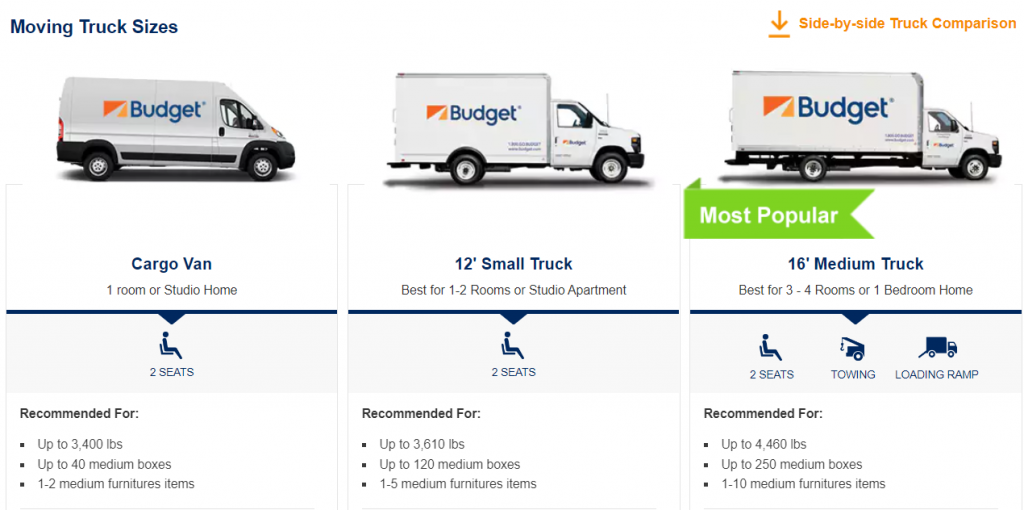
Cargo Van:
- Dimensions: Approximately 9' inside length
- Recommended For: Small apartment moves, studio apartment moves, or transporting a few large items. A good alternative to a pickup truck for protecting belongings from the weather.
- Key Features: Easy to drive and park, enclosed cargo space, more secure than a pickup truck.

-
10-Foot Truck:
- Dimensions: Approximately 10' inside length
- Recommended For: Small one-bedroom apartment moves or a large studio apartment move. Suitable for moving a few large pieces of furniture and several boxes.
- Key Features: Easy to drive and park, a good compromise between a van and a larger truck.
-
15-Foot Truck:
- Dimensions: Approximately 15' inside length
- Recommended For: One- to two-bedroom apartment moves. Can accommodate furniture from a small house or apartment.
- Key Features: Offers more space than the 10-foot truck, suitable for larger furniture items.
-
20-Foot Truck:
- Dimensions: Approximately 19'6" inside length
- Recommended For: Two- to three-bedroom house moves. Offers ample space for furniture, appliances, and boxes.
- Key Features: A popular choice for medium-sized moves, provides a good balance between capacity and maneuverability.
-
26-Foot Truck:
- Dimensions: Approximately 26' inside length
- Recommended For: Three- to four-bedroom house moves or larger. Suitable for moving an entire household, including furniture, appliances, and numerous boxes.
- Key Features: The largest truck offered by U-Haul, designed for substantial moves. Requires more driving experience due to its size.
U-Haul Pricing Structure: Understanding the Costs
U-Haul's pricing structure can seem complex at first glance. It's important to understand the different factors that contribute to the overall cost:
-
Base Rate: This is the starting price for renting the truck, which varies based on the truck size, the distance you're traveling, and the time of year. Prices tend to be higher during peak moving seasons (summer) and on weekends.
-
Mileage Fee: U-Haul charges a per-mile fee in addition to the base rate. This fee varies depending on the truck size and the location. It's crucial to accurately estimate the mileage you'll be driving to avoid unexpected charges.
-
Insurance: U-Haul offers various insurance options to protect against damage to the truck and your belongings. While not mandatory, it's highly recommended, especially for long-distance moves or if you're not comfortable driving a large vehicle. Options include SafeMove, SafeMove Plus, and Safetow.
-
Environmental Fee: This fee is charged to cover environmental costs associated with operating the truck.
-
Fuel Costs: You are responsible for returning the truck with the same amount of fuel it had when you picked it up. Failing to do so will result in a fuel charge.
-
Additional Days: If you keep the truck for longer than the agreed-upon rental period, you'll be charged for additional days.
-
Late Return Fee: Returning the truck late can incur a late return fee, so it's crucial to adhere to the agreed-upon return time.
-
Optional Add-ons: U-Haul offers various add-ons, such as moving supplies (boxes, tape, furniture pads), dollies, and furniture straps. These can add to the overall cost but can also make your move easier.
Estimating Your U-Haul Costs: A Step-by-Step Guide
-
Determine the Truck Size: Based on the size of your move (number of rooms, amount of furniture), choose the appropriate truck size. It's always better to err on the side of slightly larger rather than too small.
-
Plan Your Route: Use online mapping tools to calculate the distance you'll be driving. Be as accurate as possible, as mileage fees can significantly impact the total cost.
-
Get a Quote Online: Visit the U-Haul website and enter your moving details (pickup location, drop-off location, dates, truck size) to get an estimated quote. Keep in mind that this is just an estimate, and the final price may vary.
-
Consider Insurance: Evaluate your insurance needs and decide whether to purchase additional coverage from U-Haul.
-
Factor in Add-ons: Determine if you need any moving supplies or equipment, such as boxes, dollies, or furniture pads, and add those to your estimated costs.
-
Account for Fuel: Estimate the amount of fuel you'll need to drive the truck and factor in the cost of refueling.
Tips for Saving Money on Your U-Haul Rental
- Move During Off-Peak Seasons: Avoid moving during the summer months or on weekends, as prices tend to be higher.
- Rent Locally: If possible, rent and return the truck to the same location, as one-way rentals can be more expensive.
- Compare Prices: Get quotes from multiple U-Haul locations to find the best deal.
- Pack Efficiently: Proper packing can help you maximize space in the truck and potentially reduce the need for a larger vehicle.
- Return the Truck on Time: Avoid late return fees by ensuring you return the truck by the agreed-upon time.
- Refuel the Truck: Return the truck with the same amount of fuel it had when you picked it up to avoid fuel charges.
- Declutter Before Moving: Get rid of items you no longer need to reduce the amount you have to move, potentially allowing you to rent a smaller truck.
Potential Challenges and Solutions
- Truck Availability: During peak seasons, truck availability can be limited. Book your truck well in advance to ensure you get the size you need.
- Hidden Fees: Be aware of potential hidden fees, such as environmental fees or late return fees. Read the rental agreement carefully before signing.
- Driving a Large Truck: Driving a large truck can be challenging, especially in urban areas. Practice driving in an empty parking lot before your move to get comfortable with the truck's size and handling.
- Damage to the Truck: Accidents can happen. Purchase insurance to protect yourself against financial losses in case of damage to the truck.
U-Haul Truck Rental Sizes and Prices Table
| Truck Size | Approximate Inside Length | Recommended Use | Estimated Base Price (Local Move) | Estimated Mileage Fee (per mile) | Notes |
|---|---|---|---|---|---|
| Pickup Truck | 8' | Small loads, dorm room, furniture | $19.95+ | $0.99+ | Best for very small moves. |
| Cargo Van | 9' | Small apartment, studio apartment | $19.95+ | $0.99+ | Enclosed cargo space. |
| 10-Foot Truck | 10' | Small one-bedroom apartment | $19.95+ | $0.99+ | Easy to drive and park. |
| 15-Foot Truck | 15' | One- to two-bedroom apartment | $29.95+ | $0.99+ | Suitable for larger furniture. |
| 20-Foot Truck | 19'6" | Two- to three-bedroom house | $39.95+ | $0.99+ | Popular choice for medium-sized moves. |
| 26-Foot Truck | 26' | Three- to four-bedroom house or larger | $39.95+ | $0.99+ | Largest truck offered, requires more driving experience. |
Note: Prices are estimates and can vary based on location, time of year, and availability. It is best to get a quote from U-Haul directly for the most accurate pricing.
Frequently Asked Questions (FAQ)
-
How do I reserve a U-Haul truck? You can reserve a truck online at the U-Haul website or by calling U-Haul customer service.
-
What documents do I need to rent a U-Haul truck? You'll need a valid driver's license and a form of payment (credit card or debit card).
-
Can I return the truck to a different location? Yes, you can choose a one-way rental and return the truck to a different location, but this may be more expensive.
-
What happens if I damage the truck? If you damage the truck, you'll be responsible for the cost of repairs. Insurance can help cover these costs.
-
Can I tow a trailer behind a U-Haul truck? Yes, but only if the truck is equipped with a tow hitch and you meet U-Haul's towing requirements.
-
What is the fuel policy? You must return the truck with the same amount of fuel it had when you picked it up.
-
What is SafeMove insurance? SafeMove is an optional insurance policy that covers damage to the truck, cargo, and provides medical and life coverage. SafeMove Plus offers additional liability coverage.
Conclusion
Choosing the right U-Haul truck size and understanding the pricing structure is essential for a successful and stress-free move. By carefully assessing your needs, planning your route, and being aware of potential costs, you can make informed decisions and avoid unexpected expenses. Remember to book your truck in advance, consider insurance, and pack efficiently to save money and ensure a smooth moving experience. Moving doesn't have to be a nightmare; with the right planning and preparation, it can be a manageable and even exciting new chapter in your life.