Introduction
Securing a truck camper to your pickup truck is paramount for safe and enjoyable travels. The key to this security lies in high-quality tie-downs. Tie-downs are the unsung heroes of the truck camper world, the vital link that prevents your camper from shifting, swaying, or, in the worst-case scenario, detaching from your truck bed while you're cruising down the highway. Choosing the "best" tie-downs isn't a one-size-fits-all solution; it depends on your truck, your camper, and your typical usage. This comprehensive guide will explore the different types of truck camper tie-downs, their benefits, considerations for selecting the right ones, and practical advice to keep you and your camper safe on the road.
Best Tie Downs For Truck Camper
Why Are Tie-Downs So Important?
Imagine your truck camper as a miniature house on wheels. Without proper tie-downs, it's essentially a top-heavy, unanchored structure sitting precariously on your truck bed. Here's why reliable tie-downs are non-negotiable:
- Safety: The primary concern is safety. Properly secured tie-downs prevent the camper from moving during sudden stops, swerving, or uneven terrain, protecting you, your passengers, and other drivers on the road.
- Camper and Truck Protection: Movement can cause significant damage to both your camper and your truck bed. Tie-downs distribute the load evenly, preventing stress cracks, dents, and other costly repairs.
- Stability and Handling: Secure tie-downs improve your truck's stability and handling. They reduce body roll during turns and minimize the impact of wind gusts, making for a more comfortable and predictable driving experience.
- Legal Requirements: In many jurisdictions, using appropriate tie-downs is a legal requirement for safely transporting a truck camper. Failing to comply can result in fines and liability issues.
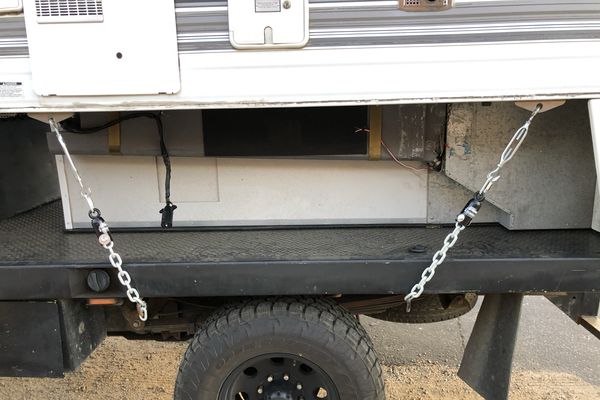
Types of Truck Camper Tie-Downs
The market offers a variety of truck camper tie-downs, each with its pros and cons. Understanding the different types is essential for making an informed decision.
-
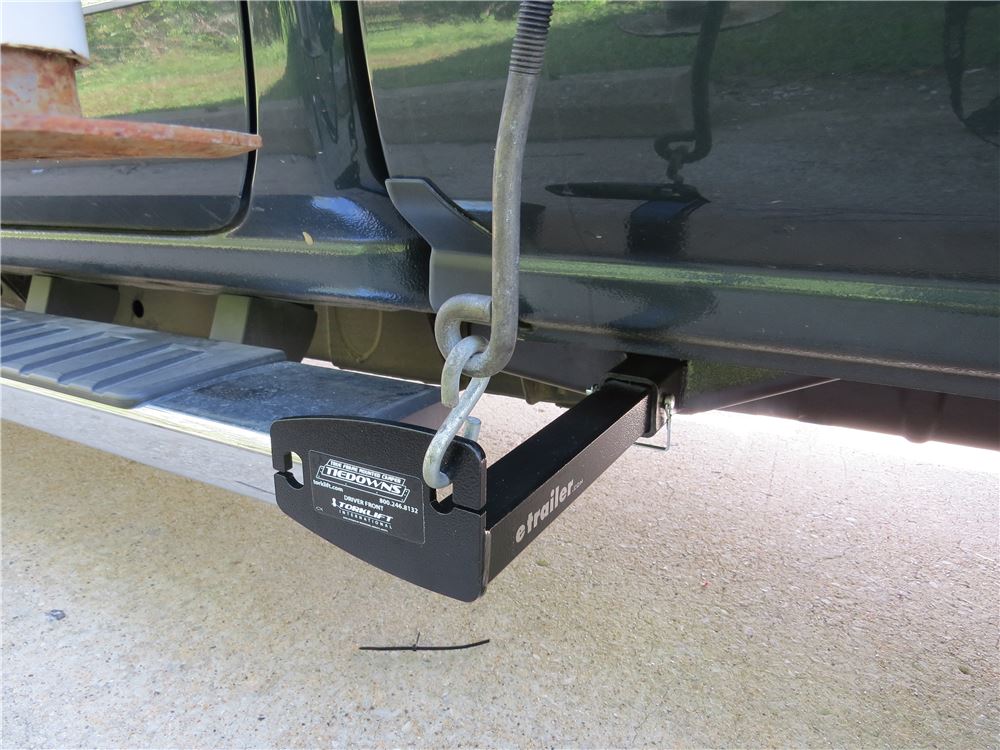
Frame-Mounted Tie-Downs:

- Description: These tie-downs are considered the strongest and most reliable option. They attach directly to the truck's frame, providing a solid and secure anchor point.
- Pros: Superior strength, excellent stability, reduced stress on the truck bed, and improved handling.
- Cons: Higher initial cost, more complex installation, and may require professional installation.
- Best For: Heavy campers, frequent off-road use, and those prioritizing maximum safety and stability.
-
Bed-Mounted Tie-Downs:
- Description: Bed-mounted tie-downs attach to the truck's bed, typically using existing bed bolts or specially designed mounting brackets.
- Pros: Easier installation than frame-mounted tie-downs, lower cost, and suitable for lighter campers.
- Cons: Less robust than frame-mounted tie-downs, can put stress on the truck bed, and may not be suitable for heavy campers or rough terrain.
- Best For: Lighter campers, occasional use, and those seeking a more budget-friendly option.
-
Stake Pocket Tie-Downs:
- Description: These tie-downs utilize the stake pockets in your truck bed. They consist of inserts that fit into the pockets and provide attachment points for the tie-down straps or chains.
- Pros: Easy installation, relatively inexpensive, and no drilling required.
- Cons: Least secure option, relies on the strength of the stake pockets, and not recommended for heavy campers or off-road use.
- Best For: Very light campers, short trips on paved roads, and those seeking a temporary or very low-cost solution. Note: Stake pocket tie-downs are generally not recommended for long-term use or heavy campers due to safety concerns.
Choosing the Right Tie-Downs: Key Considerations
Selecting the appropriate tie-downs for your truck camper involves several factors:
- Camper Weight: This is the most critical factor. Consult your camper's owner's manual or manufacturer's specifications to determine its dry weight and loaded weight (including water, gear, and passengers). Choose tie-downs with a weight rating that exceeds your camper's loaded weight.
- Truck Model and Year: Not all tie-downs are compatible with every truck model and year. Ensure that the tie-downs you choose are specifically designed for your truck.
- Type of Truck Bed: The type of truck bed (e.g., steel, aluminum, composite) can influence the type of tie-downs you can use.
- Intended Use: Consider your typical usage. If you plan on frequent off-road adventures or long-distance trips, frame-mounted tie-downs are highly recommended. If you only use your camper occasionally for short trips on paved roads, bed-mounted tie-downs may suffice.
- Installation Complexity: Assess your mechanical skills and comfort level with DIY projects. Frame-mounted tie-downs typically require more complex installation than bed-mounted or stake pocket tie-downs.
- Budget: Tie-down systems range in price from a few hundred dollars to over a thousand dollars. Set a budget and choose the best option within your price range.
Installation Tips and Best Practices
Proper installation is crucial for ensuring the effectiveness of your tie-downs. Here are some tips:
- Read the Instructions: Always read and follow the manufacturer's instructions carefully.
- Use the Right Tools: Use the correct tools for the job. Avoid using power tools unless specifically instructed, as overtightening can damage the tie-downs or your truck.
- Torque Specifications: Pay close attention to torque specifications. Use a torque wrench to ensure that bolts are tightened to the correct torque.
- Professional Installation: If you are not comfortable with the installation process, consider hiring a professional mechanic or RV technician.
- Regular Inspection: Inspect your tie-downs regularly for signs of wear, damage, or loose bolts. Tighten any loose bolts and replace any damaged components immediately.
- Tie-Down Straps/Chains: Use high-quality tie-down straps or chains with appropriate weight ratings. Ensure that the straps or chains are in good condition and free from frays or damage.
- Tensioning: Tension the tie-down straps or chains evenly to distribute the load properly. Avoid overtightening, as this can damage the camper or truck.
Potential Challenges and Solutions
- Compatibility Issues: Some tie-down systems may not be compatible with certain truck bed liners, running boards, or other accessories. Research compatibility before purchasing.
- Installation Difficulties: Installation can be challenging, especially for frame-mounted tie-downs. Consider professional installation if you are not comfortable with DIY projects.
- Corrosion: Tie-downs can be susceptible to corrosion, especially in harsh environments. Choose tie-downs made from corrosion-resistant materials, such as stainless steel or powder-coated steel.
- Noise: Some tie-down systems can generate noise while driving. Use rubber pads or other cushioning materials to minimize noise.
Price Table
| Tie-Down Type | Brand Example | Estimated Price Range | Notes |
|---|---|---|---|
| Frame-Mounted | Torklift True Frame | $800 - $1500 | Provides superior strength and stability; requires more complex installation; ideal for heavy campers and frequent use. |
| Bed-Mounted | Happijac BedMounts | $400 - $800 | Easier to install; suitable for lighter campers; may put stress on the truck bed. |
| Stake Pocket | Stromberg Carlson | $100 - $300 | Least secure option; recommended only for very light campers and short trips on paved roads; generally not advised for regular or heavy use. |
| Universal Tie-Down Kit | CURT | $50 - $150 | Versatile but may require modification for specific truck and camper configurations; suitability depends on camper weight and intended use. |
| Turnbuckles | Torklift SpringLoad | $50 - $150 (per pair) | Used to connect tie-downs to camper; adjustable for tension; spring-loaded models offer added cushioning. |
| Tie-Down Straps/Chains | US Cargo Control | $20 - $50 (per strap) | Choose straps or chains with appropriate weight rating; inspect regularly for wear and tear; replace as needed. |
| Professional Install | Local RV Shop | $200 - $500 | Cost varies depending on tie-down type and truck model; consider if you're not comfortable with DIY installation. |
Frequently Asked Questions (FAQ)
-
Q: Can I use ratchet straps instead of tie-downs?
- A: While ratchet straps can provide some level of security, they are not specifically designed for truck camper applications and may not be strong enough or provide sufficient stability. It's best to use tie-downs specifically designed for truck campers.
-
Q: How often should I inspect my tie-downs?
- A: Inspect your tie-downs before each trip and after any rough terrain or long-distance driving.
-
Q: Can I use tie-downs that are not specifically designed for my truck?
- A: It's best to use tie-downs that are specifically designed for your truck model and year to ensure proper fit and safety. Universal tie-down kits are available, but they may require modification.
-
Q: How tight should I tighten the tie-down straps or chains?
- A: Tighten the straps or chains evenly until they are snug but not overtightened. Overtightening can damage the camper or truck. Follow the manufacturer's instructions for tensioning.
-
Q: Do I need to remove my tie-downs when I'm not using my camper?
- A: It's generally recommended to remove bed-mounted and stake pocket tie-downs when you're not using your camper to prevent corrosion and damage. Frame-mounted tie-downs can typically remain installed.
Conclusion
Choosing the best tie-downs for your truck camper is an investment in your safety, the protection of your camper and truck, and your overall peace of mind. By understanding the different types of tie-downs, considering your specific needs, and following proper installation and maintenance procedures, you can ensure that your camper is securely attached to your truck and that you can enjoy your travels with confidence. Remember to prioritize safety above all else, and don't hesitate to consult with a professional if you have any questions or concerns. Safe travels!