Winter driving presents unique challenges. Slick roads, reduced visibility, and the potential for getting stuck can turn a simple commute into a stressful ordeal. For many, a larger SUV or full-size truck seems like the obvious solution for navigating snowy conditions. However, a well-equipped small truck can be surprisingly capable and offer a more manageable and fuel-efficient alternative. This article delves into the world of small trucks, exploring which models excel in snow, what features contribute to their winter performance, and how to choose the best one for your specific needs. We'll examine key considerations, provide practical tips, and address common concerns, ensuring you're well-equipped to tackle winter roads with confidence.
Why Choose a Small Truck for Snow?
Conquer Winter Roads: Finding the Best Small Truck for Snow
While a hulking pickup might seem like the king of winter, smaller trucks offer several advantages:
- Maneuverability: Their compact size makes them easier to navigate tight city streets and park in snow-packed areas.
- Fuel Efficiency: Compared to full-size trucks, small trucks generally offer better gas mileage, saving you money at the pump.
- Affordability: Small trucks often have a lower initial purchase price and lower running costs.
- Versatility: They still provide a bed for hauling cargo, making them useful beyond just winter driving.
Factors that Make a Small Truck Great in Snow:

Not all small trucks are created equal when it comes to winter performance. Here are the key features and attributes that separate the snow-conquering contenders from the rest:
- Four-Wheel Drive (4WD) or All-Wheel Drive (AWD): This is the most crucial factor. 4WD systems, typically found on trucks, offer selectable modes for different terrains and provide superior traction in deep snow and off-road conditions. AWD systems, often found on crossovers, automatically distribute power to the wheels with the most grip.
- Traction Control and Stability Control: These electronic systems help prevent wheel spin and maintain control on slippery surfaces. Traction control limits wheel spin during acceleration, while stability control helps prevent skidding.
- Limited-Slip Differential (LSD) or Locking Differential: These differentials distribute power more evenly between the wheels on an axle, preventing one wheel from spinning freely when the other lacks traction. A locking differential provides the ultimate traction by forcing both wheels to spin at the same rate.
- Ground Clearance: Adequate ground clearance is essential for navigating deep snow. A higher ride height allows the truck to clear snowdrifts and avoid getting bogged down.
- Tires: The right tires can make a world of difference. Winter tires, also known as snow tires, have a specialized tread pattern and rubber compound designed to provide superior grip on ice and snow. All-terrain tires are a decent compromise if you encounter snow only occasionally, but dedicated winter tires are the best choice for frequent snow driving.
- Weight Distribution: A balanced weight distribution can improve handling in slippery conditions. Trucks with a slightly heavier front end tend to have better steering control in snow.
- Engine Power: While excessive horsepower isn't necessary, sufficient torque is important for pulling through snow and ice. A strong low-end torque curve can be particularly beneficial.
- Heated Seats and Mirrors: These comfort features can significantly enhance your winter driving experience. Heated seats keep you warm on cold mornings, while heated mirrors improve visibility by melting away ice and snow.
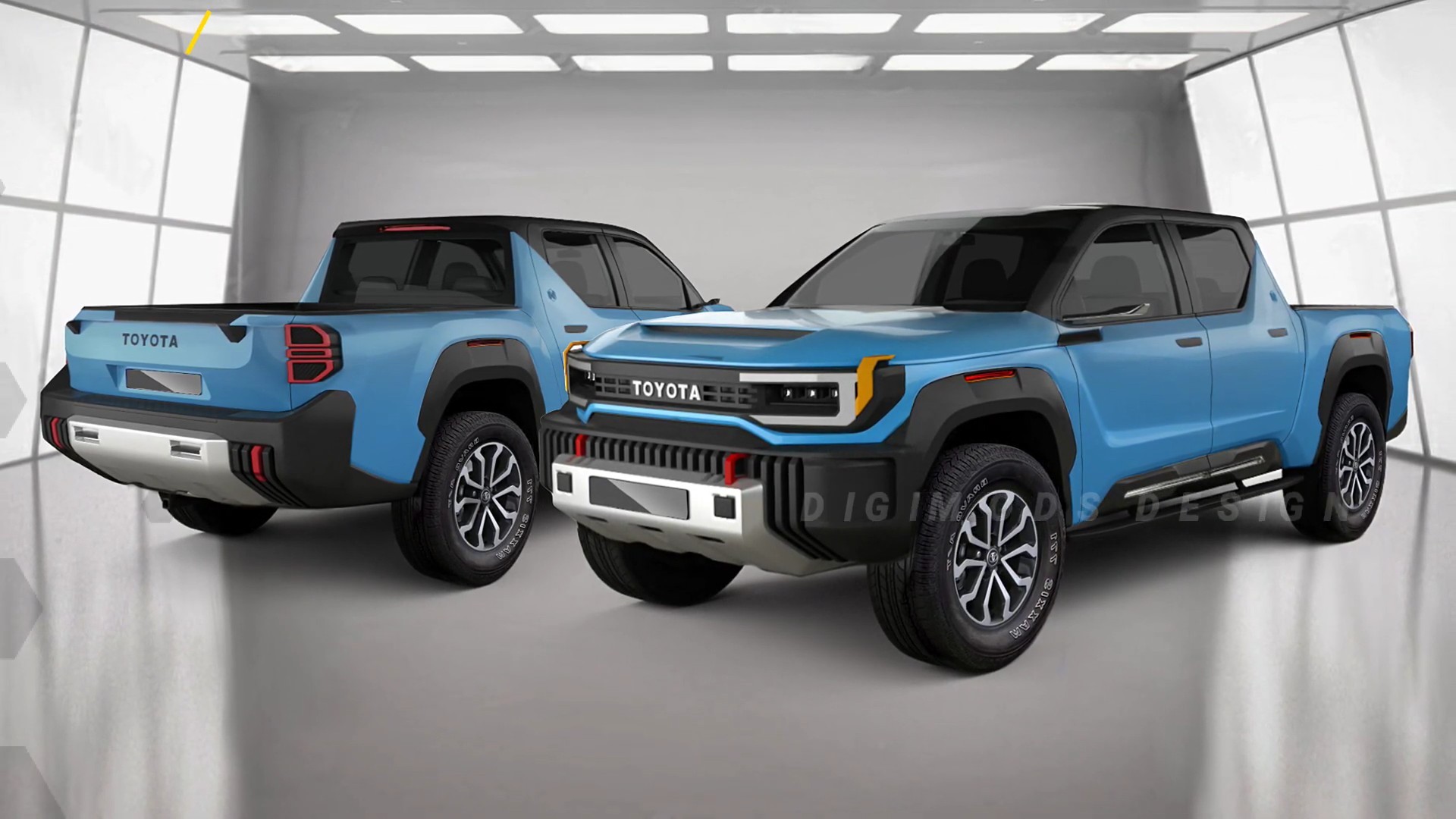
Top Contenders: Best Small Trucks for Snow
Based on the criteria above, here are some of the best small trucks for tackling snowy conditions:
- Toyota Tacoma: A perennial favorite, the Tacoma offers legendary reliability and excellent off-road capability. Its available 4WD system, TRD Off-Road package (which includes a locking rear differential), and decent ground clearance make it a formidable snow fighter. The Tacoma also boasts a strong resale value.
- Chevrolet Colorado/GMC Canyon: These twins offer a more comfortable ride than the Tacoma, along with a variety of engine options, including a capable diesel. Their available 4WD system and Z71 off-road package provide good traction and off-road prowess.
- Ford Ranger: The Ranger offers a blend of modern technology and rugged capability. Its available 4WD system, Terrain Management System (with snow/mud mode), and electronic locking rear differential provide excellent traction in snowy conditions.
- Nissan Frontier: While a bit dated, the Frontier remains a solid choice for its rugged simplicity and value. Its available 4WD system and off-road package offer good capability in snow. The redesigned Frontier is expected to offer even better winter performance.
- Jeep Gladiator: While technically a mid-size truck, the Gladiator's open-air design and exceptional off-road prowess make it a unique and capable snow machine. Its standard 4WD system, available locking differentials, and high ground clearance make it virtually unstoppable in deep snow.
Practical Tips for Driving a Small Truck in Snow:
- Slow Down: Reduce your speed significantly when driving on snow or ice.
- Increase Following Distance: Give yourself plenty of room to brake.
- Brake Gently: Avoid sudden braking, which can cause skidding.
- Steer Smoothly: Avoid jerky steering movements.
- Use 4WD or AWD Appropriately: Engage 4WD or AWD when needed, but disengage it when driving on dry pavement.
- Learn to Recover from a Skid: If your truck starts to skid, steer in the direction of the skid.
- Carry an Emergency Kit: Include items such as a shovel, ice scraper, jumper cables, flashlight, blanket, and extra warm clothing.
- Consider Winter Tires: Investing in winter tires is the best way to improve traction and safety in snowy conditions.
- Practice in a Safe Area: Find an empty parking lot covered in snow and practice driving in slippery conditions to get a feel for how your truck handles.
Potential Challenges and Solutions:
- Limited Bed Space: Small trucks have less bed space than full-size trucks, which can be a disadvantage if you need to haul large items. Solution: Consider a bed extender or a roof rack for additional cargo capacity.
- Ride Quality: Some small trucks can have a rougher ride than SUVs or cars. Solution: Choose a model with a comfortable suspension and consider upgrading to softer tires.
- Fuel Economy (with 4WD): Engaging 4WD can reduce fuel economy. Solution: Use 4WD only when needed and maintain proper tire inflation.
Price Table: Best Small Trucks for Snow (Approximate MSRP)
| Truck Model | Starting MSRP (2WD) | Starting MSRP (4WD) | Key Features for Snow |
|---|---|---|---|
| Toyota Tacoma | $28,250 | $31,500 | 4WD, TRD Off-Road Pkg |
| Chevrolet Colorado | $29,200 | $32,500 | 4WD, Z71 Off-Road Pkg |
| GMC Canyon | $30,900 | $34,200 | 4WD, AT4 Off-Road Pkg |
| Ford Ranger | $27,400 | $30,700 | 4WD, Terrain Mgmt System |
| Nissan Frontier | $29,700 | $32,900 | 4WD, Off-Road Pkg |
| Jeep Gladiator | $39,700 | $42,900 | Standard 4WD, Locking Diffs |
Note: Prices are approximate and may vary depending on location, trim level, and options.
Frequently Asked Questions (FAQ):
-
Q: Is 4WD or AWD better for snow?
- A: 4WD is generally better for deep snow and off-road conditions, while AWD is better for maintaining traction on icy or lightly snow-covered roads. Trucks typically have 4WD, while crossovers often have AWD.
-
Q: Do I really need winter tires?
- A: Yes, winter tires provide significantly better grip on ice and snow than all-season tires. They are highly recommended if you live in an area with frequent snowfall.
-
Q: Can I just use all-terrain tires in the snow?
- A: All-terrain tires offer a decent compromise for occasional snow driving, but they don't provide the same level of grip as dedicated winter tires.
-
Q: How much ground clearance do I need for snow?
- A: Ideally, you should have at least 8 inches of ground clearance for navigating moderate snow depths.
-
Q: What's the difference between a limited-slip differential and a locking differential?
- A: A limited-slip differential helps prevent one wheel from spinning freely, while a locking differential forces both wheels to spin at the same rate, providing maximum traction.
Conclusion:
Choosing the best small truck for snow involves considering your individual needs, driving conditions, and budget. Factors like 4WD, traction control, ground clearance, and tires play a crucial role in winter performance. By carefully evaluating these factors and following the practical tips outlined in this article, you can confidently navigate winter roads in a capable and versatile small truck. Don't underestimate the power of a well-equipped small truck – it can be a surprisingly effective and enjoyable winter driving companion.