The open road calls to truckers, but safe and efficient journeys depend on more than just a powerful engine. Your tires, especially your steer tires, are the unsung heroes of every mile. They're the first point of contact with the road, responsible for steering, handling, and braking. Choosing the right semi-truck steer tires is crucial for safety, fuel efficiency, and overall operational costs. This comprehensive guide will delve into the world of steer tires, providing you with the knowledge to make informed decisions and keep your rig rolling smoothly.
Why Steer Tires Matter: A Foundation of Safety and Efficiency
The Ultimate Guide to Choosing the Best Semi Truck Steer Tires
Steer tires, also known as front tires, bear a significant portion of the vehicle's weight and are responsible for directional control. Unlike drive tires, which focus on traction, steer tires prioritize handling, stability, and responsiveness. Compromising on steer tire quality can lead to:
- Compromised Safety: Reduced steering precision, increased risk of blowouts, and longer braking distances.
- Reduced Fuel Efficiency: Higher rolling resistance, leading to increased fuel consumption.
- Increased Operating Costs: Premature wear, requiring more frequent replacements and increasing downtime.
- Uneven Wear: Can cause wear and tear on other parts of the truck.
Therefore, investing in high-quality steer tires is an investment in safety, efficiency, and the longevity of your truck.

Key Considerations When Choosing Steer Tires
Selecting the ideal steer tire involves considering several factors. Let's break them down:
-
Load Index and Speed Rating:

- Load Index: Indicates the maximum weight a tire can carry at its maximum speed. Exceeding this limit is dangerous and can lead to tire failure. Consult your truck's specifications and axle weight to determine the appropriate load index.
- Speed Rating: Specifies the maximum speed a tire can sustain for a defined period under a specific load. Again, consult your truck's specifications.
-
Tire Size:
- Match the tire size to your truck's requirements. Using the wrong size can affect handling, braking, and fuel efficiency. The correct size is usually listed on the tire placard (typically found on the driver's side doorjamb) or in your truck's owner's manual.
-
Tread Pattern:
- Rib Pattern: The most common type of steer tire tread. Rib patterns provide excellent handling, stability, and low rolling resistance, making them ideal for highway driving.
- Rib/Lug Pattern: A combination of ribs and lugs offers a balance of handling and traction. These tires are suitable for mixed on/off-road applications.
-
Tire Construction:
- Radial Tires: Offer better fuel efficiency, ride comfort, and longer tread life compared to bias-ply tires. They are the industry standard for semi-trucks.
-
Compound:
- Standard Compound: Designed for general use and provides a good balance of wear resistance and traction.
- Fuel-Efficient Compound: Reduces rolling resistance, improving fuel economy.
- Cut-and-Chip Resistant Compound: More durable and resistant to damage from rough roads and debris.
-
Region and Application:
- Consider the typical road conditions you'll be driving on. Will you be primarily on highways, or will you encounter rough roads, gravel, or snow?
- Your application also matters. Are you hauling heavy loads long distances, or are you doing local deliveries?
-
Budget:
- While it's tempting to go for the cheapest option, remember that steer tires are a critical safety component. Investing in quality tires will pay off in the long run through better performance, longer life, and reduced downtime.
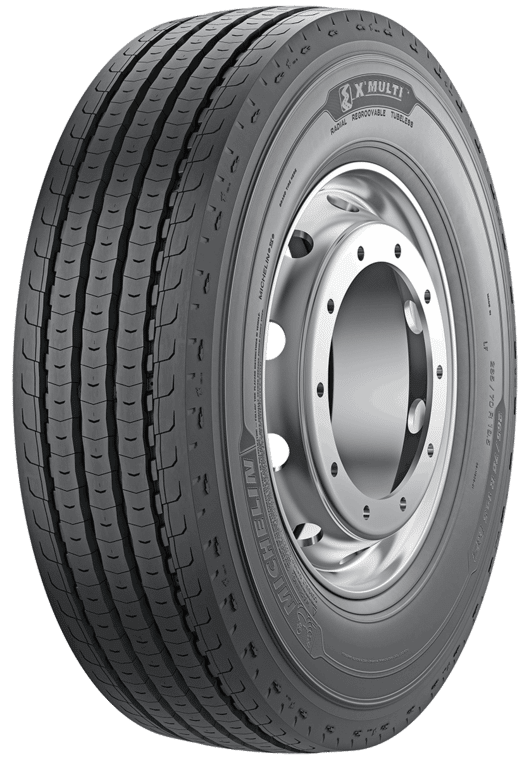
Top Steer Tire Brands and Models (Examples)
It's important to note that specific models can vary and new ones are released frequently. Always consult with a tire professional for the most up-to-date recommendations based on your needs. Here are some well-regarded brands and examples of steer tires:
- Michelin: Known for their long tread life, fuel efficiency, and overall performance.
- Michelin X Line Energy Z
- Michelin X Multi Z
- Bridgestone: Offers a wide range of tires for various applications.
- Bridgestone R284 Ecopia
- Bridgestone M726 ELA
- Goodyear: A trusted brand with a reputation for durability and performance.
- Goodyear Endurance RSA
- Goodyear Fuel Max RSA
- Continental: Known for their quality and innovative technology.
- Continental Conti Hybrid HS3
- Continental Conti EcoPlus HS3
Tips for Maintaining Your Steer Tires
Proper maintenance is crucial for maximizing the life and performance of your steer tires.
- Regular Inflation Checks: Check tire pressure daily with a reliable gauge. Under-inflated tires increase rolling resistance, reduce fuel efficiency, and can lead to premature wear and tire failure.
- Proper Inflation: Inflate tires to the recommended pressure, which can be found on the tire placard or in your owner's manual.
- Wheel Alignment: Ensure proper wheel alignment to prevent uneven tire wear and maintain optimal handling.
- Regular Inspections: Inspect tires regularly for cuts, bulges, or other damage. Remove any debris lodged in the tread.
- Rotation: Rotate your tires regularly to promote even wear. Consult your tire professional for recommended rotation patterns.
- Proper Storage: If storing tires, keep them in a cool, dry place away from direct sunlight.
Potential Challenges and Solutions
- Uneven Wear: Can be caused by misalignment, improper inflation, or worn suspension components. Address the underlying cause to prevent recurrence.
- Rapid Wear: Can be due to aggressive driving, overloading, or using the wrong type of tire for the application. Adjust driving habits and ensure the tires are properly rated for the load.
- Blowouts: Often caused by under-inflation, overloading, or tire damage. Maintain proper inflation, avoid overloading, and regularly inspect tires for damage.
Pricing Table
| Tire Brand | Tire Model | Size | Load/Speed Index | Price (Approximate) | Features |
|---|---|---|---|---|---|
| Michelin | X Line Energy Z | 295/75R22.5 | 144/141L | $450 - $550 | Fuel-efficient, long-lasting, excellent handling |
| Bridgestone | R284 Ecopia | 295/75R22.5 | 144/141L | $400 - $500 | Fuel-efficient, durable, designed for long-haul applications |
| Goodyear | Endurance RSA | 295/75R22.5 | 144/141L | $380 - $480 | All-position tire, good for regional hauling, durable construction |
| Continental | Conti Hybrid HS3 | 295/75R22.5 | 144/141L | $420 - $520 | Designed for regional and long-haul applications, fuel-efficient |
| Double Coin | RR905 | 295/75R22.5 | 144/141L | $300 - $400 | Rib tread pattern, economical, good for general steer applications |
Disclaimer: Prices are approximate and can vary depending on the retailer, location, and current promotions. This table is for informational purposes only and does not constitute a recommendation.
Frequently Asked Questions (FAQ)
-
Q: How often should I replace my steer tires?
- A: It depends on several factors, including mileage, driving conditions, and maintenance practices. Generally, steer tires should be replaced when the tread depth reaches the minimum legal limit (4/32 of an inch) or when they show signs of damage.
-
Q: Can I mix different brands of steer tires on the same axle?
- A: It's generally not recommended to mix different brands or models of steer tires on the same axle, as they may have different handling characteristics. Always use matching tires on the same axle.
-
Q: What is the best tire pressure for my steer tires?
- A: The recommended tire pressure can be found on the tire placard or in your owner's manual. Always use the recommended pressure and adjust based on load.
-
Q: Are retread steer tires safe?
- A: Retread steer tires can be safe if they are properly manufactured and inspected. However, it's generally recommended to use new tires for steer axles due to the critical role they play in safety and handling.
-
Q: Where can I find a reliable tire professional?
- A: Look for tire dealers with a good reputation and experience in servicing semi-trucks. Ask for recommendations from other truckers or check online reviews.
Conclusion: Investing in Your Ride, Investing in Your Safety
Choosing the best semi-truck steer tires is an investment in your safety, efficiency, and the longevity of your truck. By understanding the key considerations, selecting the right tires for your application, and practicing proper maintenance, you can ensure a smooth, safe, and profitable journey on the road. Don't underestimate the importance of your steer tires – they're the foundation of your rig's performance and your peace of mind.