The semi-truck, the workhorse of modern commerce, tirelessly crisscrosses continents, delivering everything from groceries to raw materials. Choosing the right semi-truck brand is a critical decision for owner-operators and fleet managers alike. This choice impacts profitability, driver satisfaction, safety, and overall operational efficiency. But with a plethora of manufacturers vying for dominance, how does one determine the "best" semi-truck brand? This article will delve into the factors that contribute to the ideal semi-truck, exploring the strengths and weaknesses of leading brands, and offering practical advice to help you find the perfect fit for your specific needs.
What Makes a Semi-Truck Brand "Best"?
Finding the King of the Road: Identifying the Best Semi Truck Brand
The notion of the "best" semi-truck brand is subjective. It depends heavily on the individual's or company's priorities. While some may prioritize fuel efficiency above all else, others might value reliability, driver comfort, or maintenance costs more. However, several key factors consistently contribute to a brand's overall reputation and performance:
- Reliability and Durability: A truck that spends more time on the road than in the shop is paramount. Minimizing downtime due to breakdowns translates directly into increased revenue.
- Fuel Efficiency: With fluctuating fuel prices, maximizing miles per gallon (MPG) is crucial for profitability. Aerodynamic design, engine technology, and driver habits all play a role.
- Driver Comfort and Ergonomics: Happy drivers are productive drivers. Comfortable cabs, adjustable seats, and user-friendly controls contribute to driver well-being and reduce fatigue.
- Maintenance Costs and Availability of Parts: Affordable and readily available parts and service are essential for minimizing downtime and controlling operating expenses.
- Safety Features: Advanced safety technologies, such as collision mitigation systems, lane departure warnings, and electronic stability control, are increasingly important for protecting drivers and cargo.
- Resale Value: A truck with a high resale value allows for a better return on investment when it's time to upgrade or replace the vehicle.
- Technology and Innovation: Modern trucks are increasingly incorporating advanced technologies like telematics, predictive maintenance, and automated driving features.

Leading Semi-Truck Brands: A Comparative Overview
Several brands consistently rank high in the semi-truck market. Here's a look at some of the key players and their strengths:
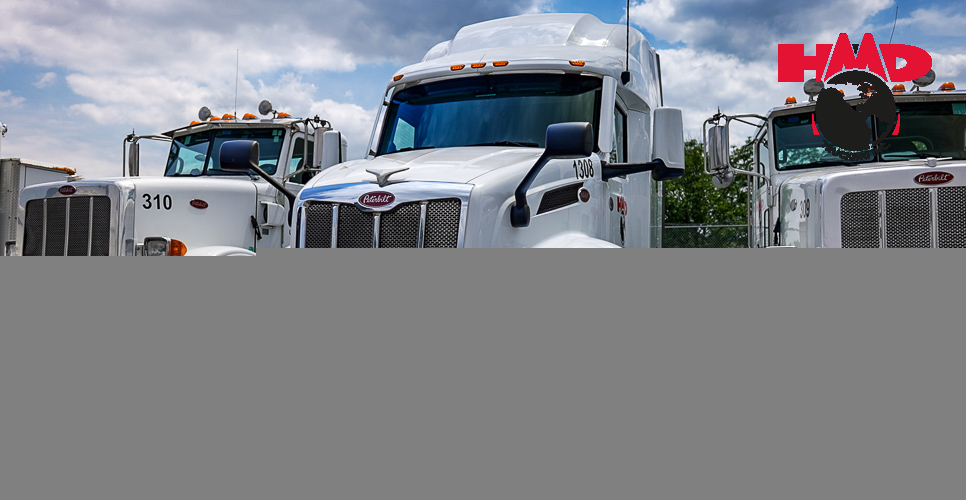
- Peterbilt: Known for its iconic styling and premium features, Peterbilt appeals to owner-operators who value aesthetics and comfort. They often have a higher upfront cost but can command a strong resale value.
- Kenworth: Similar to Peterbilt, Kenworth offers a blend of classic design, durability, and driver comfort. Their trucks are often favored for long-haul operations.
- Freightliner: A popular choice for fleet operators, Freightliner trucks are generally known for their fuel efficiency, reliability, and relatively lower operating costs. The Cascadia model is a particularly common sight on highways.
- Volvo: Volvo trucks are recognized for their safety features, driver-centric design, and advanced technology. They often incorporate innovative solutions for fuel efficiency and driver assistance.
- International: International trucks offer a range of models suitable for various applications, from regional hauling to vocational tasks. They are often considered a more budget-friendly option.
- Mack: Known for their ruggedness and durability, Mack trucks are commonly used in heavy-duty applications such as construction and refuse hauling.

Choosing the Right Brand: A Step-by-Step Guide
Selecting the "best" semi-truck brand involves a careful assessment of your specific needs and priorities. Here's a practical guide to help you make an informed decision:
- Define Your Needs: Determine the primary application of the truck (long-haul, regional, vocational). Consider the type of cargo, terrain, and typical driving conditions.
- Set a Budget: Establish a realistic budget that includes the purchase price, financing costs, insurance, maintenance, and fuel expenses.
- Research and Compare: Explore the different brands and models that align with your needs and budget. Read reviews, compare specifications, and talk to other drivers and fleet managers.
- Test Drive: Schedule test drives with multiple dealerships to experience the trucks firsthand. Pay attention to driver comfort, ergonomics, and handling.
- Consider Fuel Efficiency: Analyze fuel consumption data for different models and engine options. A small improvement in MPG can result in significant savings over the long run.
- Evaluate Maintenance Costs: Inquire about the cost and availability of parts and service. Choose a brand with a reliable service network and reasonable maintenance expenses.
- Assess Safety Features: Prioritize trucks with advanced safety technologies that can help prevent accidents and protect your drivers and cargo.
- Negotiate and Secure Financing: Obtain quotes from multiple dealerships and financing institutions to secure the best possible deal.
- Read the Fine Print: Carefully review the warranty terms and conditions before making a purchase.
Important Considerations and Potential Challenges
- Technological Advancements: The trucking industry is rapidly evolving with new technologies such as electric trucks and autonomous driving systems. Consider the long-term implications of these advancements when making your decision.
- Driver Shortage: The ongoing driver shortage is a significant challenge for the trucking industry. Choosing a truck with driver-friendly features can help attract and retain drivers.
- Regulations and Compliance: Stay informed about the latest regulations and compliance requirements, such as emissions standards and hours-of-service rules.
Tips for Maintaining Your Semi-Truck
Regardless of the brand you choose, proper maintenance is essential for maximizing the lifespan and performance of your semi-truck. Here are some essential tips:
- Follow the Manufacturer's Recommended Maintenance Schedule: Adhere to the recommended service intervals for oil changes, filter replacements, and other routine maintenance tasks.
- Perform Regular Inspections: Conduct thorough pre-trip and post-trip inspections to identify potential problems early on.
- Address Issues Promptly: Don't ignore warning signs or minor issues. Address them promptly to prevent them from escalating into more serious and costly repairs.
- Use High-Quality Parts and Fluids: Invest in high-quality parts and fluids to ensure optimal performance and longevity.
- Keep the Truck Clean: Regularly wash and detail the truck to prevent corrosion and maintain its appearance.
- Train Your Drivers: Educate your drivers on proper operating procedures and maintenance practices.
Price Table of Semi-Truck Brands
| Brand | Model | Engine Type | Horsepower (HP) | Estimated Price (USD) | Key Features |
|---|---|---|---|---|---|
| Peterbilt | 579 | Diesel | 400-565 | $180,000 - $250,000 | Aerodynamic design, premium interior, advanced safety systems, high resale value |
| Kenworth | T680 | Diesel | 400-565 | $175,000 - $245,000 | Fuel-efficient, comfortable cab, customizable options, durable construction |
| Freightliner | Cascadia | Diesel | 350-505 | $150,000 - $220,000 | Optimized aerodynamics, integrated Detroit powertrain, advanced safety technologies, lower operating costs |
| Volvo | VNL Series | Diesel | 405-500 | $170,000 - $230,000 | Innovative safety features, fuel-efficient design, comfortable driver environment, advanced technology integration |
| International | LT Series | Diesel | 400-515 | $140,000 - $200,000 | Driver-centric design, improved fuel efficiency, versatile applications, budget-friendly option |
| Mack | Anthem | Diesel | 415-505 | $160,000 - $210,000 | Rugged construction, durable components, heavy-duty applications, reliable performance |
| Nikola | Tre BEV | Electric | 645 | $250,000 - $350,000 | Zero-emission operation, battery-electric powertrain, advanced technology, potential for reduced operating costs |
| Tesla | Semi | Electric | N/A (estimated) | $180,000 - $200,000 | High performance, advanced technology, autonomous driving capabilities, long-range battery, potentially disruptive in the long-haul market (availability and specs still evolving) |
Note: These are estimated prices and may vary based on configuration, options, and dealer.
Frequently Asked Questions (FAQ)
- Q: Which semi-truck brand is the most fuel-efficient?
- A: Freightliner (Cascadia) and Volvo trucks are generally considered to be among the most fuel-efficient. However, fuel efficiency can vary depending on engine type, driving habits, and terrain.
- Q: Which semi-truck brand is the most reliable?
- A: Peterbilt and Kenworth have traditionally been known for their reliability and durability, but modern trucks from all major manufacturers are generally well-built. Proper maintenance is crucial for maximizing reliability.
- Q: What is the average lifespan of a semi-truck engine?
- A: With proper maintenance, a semi-truck engine can last for 750,000 to 1,000,000 miles or more.
- Q: What is the best semi-truck for owner-operators?
- A: Peterbilt and Kenworth are often popular choices for owner-operators who value aesthetics, comfort, and resale value. However, the best choice depends on individual preferences and priorities.
- Q: Are electric semi-trucks a viable option?
- A: Electric semi-trucks are becoming increasingly viable, but they are still relatively new to the market. They offer the potential for reduced operating costs and zero emissions, but range and charging infrastructure are still limitations.
Conclusion: Finding Your Perfect Match
Ultimately, the "best" semi-truck brand is the one that best meets your specific needs, budget, and priorities. By carefully considering the factors discussed in this article, conducting thorough research, and test driving different models, you can make an informed decision and find the perfect truck to keep your business rolling. Remember to prioritize reliability, fuel efficiency, driver comfort, and safety, and always stay informed about the latest technological advancements and regulatory changes in the trucking industry. The road ahead is long, but with the right truck, you can conquer any challenge.