Having an on-board air compressor on your truck is a game-changer. No more scrambling for air pumps at gas stations, worrying about low tire pressure on remote trails, or relying on others to inflate your tires after an off-roading adventure. An on-board air compressor provides convenience, safety, and peace of mind, allowing you to handle various tasks right from your vehicle. But with so many options available, choosing the "best" one can feel overwhelming. This comprehensive guide will walk you through everything you need to know to select the perfect on-board air compressor for your truck.
Why Invest in an On-Board Air Compressor for Your Truck?
The Best On-Board Air Compressor for Your Truck: A Comprehensive Guide
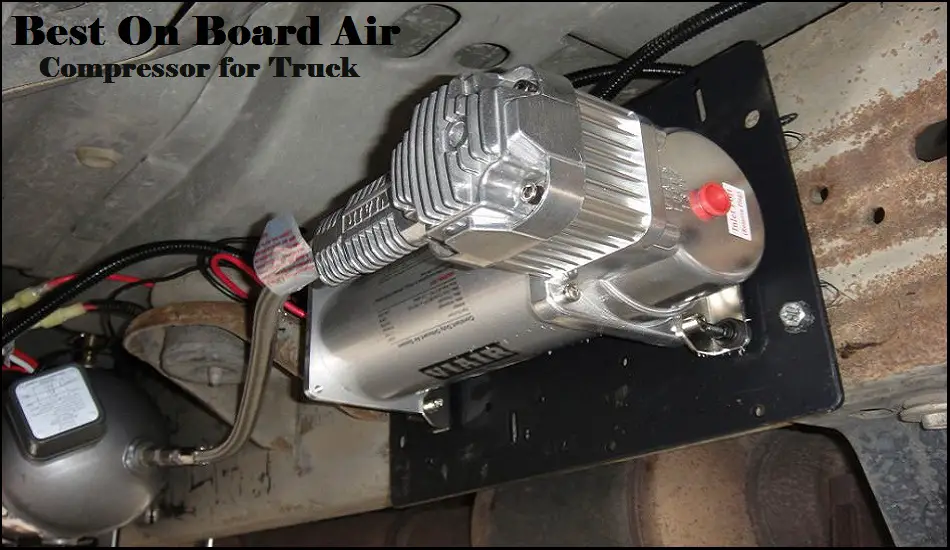
An on-board air compressor is a self-contained unit that mounts directly to your truck, providing a readily available source of compressed air. This opens up a world of possibilities:
- Tire Inflation: The most common and vital use. Quickly inflate tires back to the correct pressure after off-roading or after experiencing a slow leak. Maintaining proper tire pressure is crucial for fuel efficiency, tire life, and safe handling.
- Air Lockers: Many off-road enthusiasts utilize air lockers for enhanced traction in challenging terrains. An on-board compressor is essential for operating these systems.
- Air Horns: Upgrade your truck's sound with a powerful air horn.
- Air Tools: Power a variety of air tools, such as impact wrenches, air ratchets, and air hammers, for repairs and maintenance on the go.
- Air Suspension: Control and adjust your truck's ride height and handling with an air suspension system, which relies on an on-board compressor.
- Camping and Recreation: Inflate air mattresses, inflatable boats, and other recreational equipment.
- Emergency Situations: Assist other motorists with flat tires or low tire pressure.
Key Considerations When Choosing an On-Board Air Compressor
Before diving into specific models, consider these crucial factors:
- CFM (Cubic Feet per Minute): CFM indicates the volume of air the compressor can deliver per minute. Higher CFM means faster inflation. Consider the size of your tires and how quickly you want to inflate them. For larger tires (35" and up), a CFM of 2.0 or higher is generally recommended. Smaller tires might be adequately served by a lower CFM unit.
- PSI (Pounds per Square Inch): PSI represents the maximum pressure the compressor can deliver. Most truck tires require between 30-80 PSI. Ensure the compressor's PSI rating meets your needs. Some air tools require higher PSI, so factor that in if you plan on using them.
- Duty Cycle: Duty cycle refers to the percentage of time the compressor can run continuously within a given period (usually 30 minutes). A 50% duty cycle means the compressor can run for 15 minutes and then needs to cool down for 15 minutes. Heavy users who need to inflate multiple tires frequently should prioritize compressors with a higher duty cycle (50% or higher).
- Voltage: Most on-board air compressors are 12V, designed to connect directly to your truck's battery.
- Size and Mounting Location: Consider the available space in your truck. Common mounting locations include under the hood, inside the cab, or in the bed. Choose a compressor that fits comfortably in your desired location. Think about ease of access for maintenance and operation.
- Power Source: Ensure the compressor can be easily wired to your truck's electrical system. Some compressors come with wiring harnesses, while others require you to purchase them separately.
- Noise Level: Some compressors are louder than others. Consider the noise level if you prioritize a quiet operation.
- Features: Look for features like thermal overload protection, pressure switches, and included accessories like hoses and nozzles.
- Price: On-board air compressors range in price from a few hundred dollars to over a thousand. Set a budget and choose a compressor that offers the best value for your needs.
- Durability and Build Quality: Look for compressors with robust construction and high-quality components to ensure longevity and reliability, especially if you frequently use it in harsh environments.


Types of On-Board Air Compressors
While most on-board air compressors operate on the same principles, there are a few distinctions:
- Direct Drive Compressors: These compressors have the motor directly connected to the pump. They are generally more efficient and quieter than gear-driven compressors.
- Gear-Driven Compressors: These compressors use gears to transfer power from the motor to the pump. They are often more powerful but can be louder.
- Portable Compressors (Converted): Some people adapt portable air compressors for on-board use. While this can be a cost-effective option, it requires more modification and may not be as durable as a dedicated on-board unit.
Installation Tips
- Safety First: Disconnect the negative battery cable before starting any electrical work.
- Read the Instructions: Carefully follow the manufacturer's instructions for installation.
- Proper Wiring: Use appropriate gauge wiring and secure all connections.
- Fuse Protection: Always use a fuse to protect the compressor and your truck's electrical system.
- Secure Mounting: Ensure the compressor is securely mounted to prevent vibrations and damage.
- Test Thoroughly: After installation, test the compressor to ensure it is working properly.
Potential Challenges and Solutions
- Overheating: Compressors can overheat, especially during extended use. Choose a compressor with thermal overload protection and allow it to cool down periodically.
- Electrical Issues: Improper wiring or blown fuses can cause electrical problems. Double-check all connections and replace fuses as needed.
- Moisture Buildup: Moisture can accumulate in the air tank, leading to rust and corrosion. Install a moisture separator to remove excess moisture.
- Noise: Some compressors can be quite noisy. Use sound-deadening materials to reduce noise levels.
Top On-Board Air Compressor Recommendations
(Please note that prices and availability may vary)
| Brand & Model | CFM | PSI | Duty Cycle | Key Features | Approx. Price |
|---|---|---|---|---|---|
| ARB CKMTA12 Twin High Performance | 6.16 | 150 | 100% | Twin motor design, high airflow, compact, durable | $550-$650 |
| Viair 400P Automatic | 2.3 | 150 | 33% | Automatic shut-off, portable, easy to use, comes with accessories | $250-$350 |
| Smittybilt 2781 Universal Air Compressor | 5.65 | 150 | 66% | High airflow, portable, includes accessories, built-in pressure gauge | $180-$250 |
| MasterFlow MF-1050 Cyclone | 1.06 | 150 | 30 min @40PSI | Compact, affordable, good for small tires and occasional use | $60-$80 |
| Warn Industries W74800 Heavy-Duty Air Compressor | 4.8 | 100 | 30% | Heavy-duty, for tires up to 37", easy to read gauge, integrated LED work light | $300-$400 |
Note: Prices are estimates and can vary.
Frequently Asked Questions (FAQ)
- Q: How do I choose the right CFM for my tires?
- A: Generally, larger tires require higher CFM. For tires 35" and larger, aim for 2.0 CFM or higher. For smaller tires, a lower CFM unit may suffice.
- Q: What is the ideal duty cycle?
- A: If you plan on using the compressor frequently, choose a unit with a higher duty cycle (50% or higher). If you only need it occasionally, a lower duty cycle may be sufficient.
- Q: Can I use an on-board air compressor to power air tools?
- A: Yes, but ensure the compressor has a sufficient PSI and CFM rating to operate the tools you intend to use.
- Q: Is it difficult to install an on-board air compressor?
- A: Installation can range from relatively simple to more complex, depending on the compressor and your truck. If you're not comfortable with electrical work, consider having it professionally installed.
- Q: Where is the best place to mount an on-board air compressor?
- A: Common mounting locations include under the hood, inside the cab, or in the bed. Choose a location that provides easy access for maintenance and operation. Also consider protection from elements and potential damage.
Conclusion
Investing in the best on-board air compressor for your truck is a decision that can significantly enhance your vehicle's versatility and your overall driving experience. By carefully considering your needs, researching the available options, and following the installation guidelines, you can equip your truck with a reliable source of compressed air that will serve you well for years to come. Remember to prioritize safety and always consult the manufacturer's instructions. With the right compressor, you'll be ready to tackle any inflating task that comes your way, on or off the road.