For professional truck drivers, the open road can be both exhilarating and isolating. Long hours, tight schedules, and limited access to healthy food options often lead to reliance on expensive and unhealthy fast food. Investing in the best microwave for a semi-truck is more than just a convenience; it's an investment in health, savings, and overall well-being. This comprehensive guide will delve into everything you need to know to choose the perfect microwave to transform your cab into a mobile kitchen. We'll cover key features, power requirements, mounting options, specific models, and answer frequently asked questions to help you make an informed decision and enjoy delicious, home-cooked meals on the go.
Why a Microwave is Essential for Truck Drivers
Best Microwave For Semi Truck: A Comprehensive Guide to On-the-Road Cooking
A microwave in your semi-truck offers numerous advantages:
- Healthier Eating: Prepare and heat your own meals, controlling ingredients and portion sizes. Say goodbye to greasy fast food and hello to nutritious, home-cooked options.
- Cost Savings: Eating out every day adds up. A microwave allows you to bring leftovers, cook simple meals, and significantly reduce your food expenses.
- Convenience: No need to hunt for truck stops with decent food or waste precious time waiting in line. Heat up a meal whenever and wherever you are.
- Increased Productivity: Quick and easy meal preparation allows you to maximize your rest breaks and get back on the road faster.
- Improved Quality of Life: Having a taste of home on the road can boost morale and make life on the road more comfortable and enjoyable.
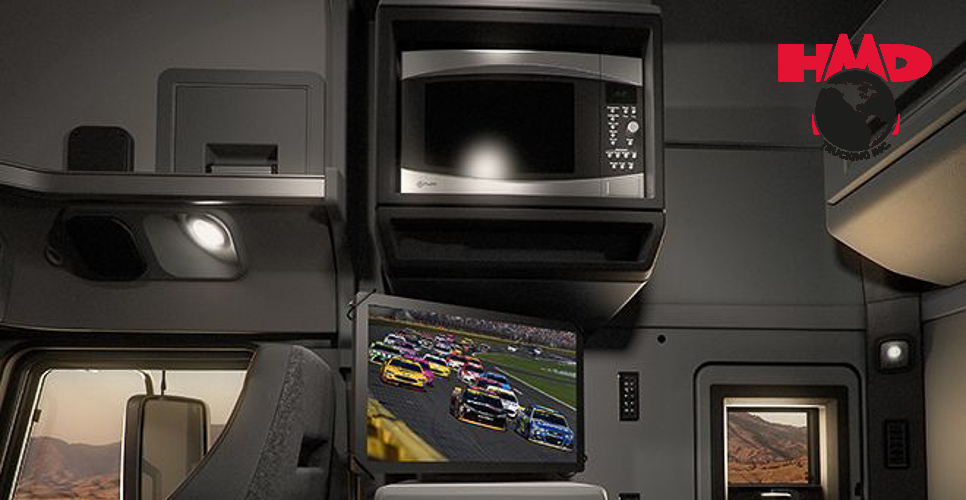
Key Considerations When Choosing a Microwave for Your Semi-Truck
Before diving into specific models, consider these critical factors:
- Power Source and Wattage:
- Inverter Required: Standard semi-truck electrical systems typically run on 12V or 24V DC power. Microwaves, however, require 120V AC power. Therefore, you must have a power inverter that converts the DC power from your truck's batteries into AC power.
- Inverter Capacity: Choose a microwave with a low wattage (typically 600-800 watts) to minimize the strain on your inverter and batteries. Larger, more powerful microwaves can overload your inverter and potentially damage your truck's electrical system. Ensure your inverter's wattage rating is significantly higher than the microwave's wattage. A good rule of thumb is to have an inverter rated for at least 1500 watts.
- Battery Drain: Microwaves can draw a significant amount of power, especially during startup. Be mindful of your battery levels, especially during extended use or when parked for long periods. Consider investing in a deep-cycle battery or an auxiliary battery to power your microwave and other appliances without draining your truck's main batteries.

- Size and Dimensions:

- Cab Space: Semi-truck cabs offer limited space. Choose a compact microwave that fits comfortably without obstructing movement or visibility. Measure the available space carefully before making a purchase.
- Capacity: While a compact size is important, ensure the microwave has enough capacity to accommodate your typical meal sizes. A 0.7 cubic foot microwave is often a good compromise between size and functionality.
- Mounting Options:
- Secure Mounting: A microwave in a moving vehicle needs to be securely mounted to prevent it from sliding around or causing damage. Consider microwaves that come with mounting brackets or kits specifically designed for semi-trucks.
- Location: Choose a mounting location that is easily accessible and doesn't interfere with driving or other activities. Common locations include under the bunk, on a shelf, or secured to the dashboard.
- Durability and Construction:
- Rugged Design: Semi-trucks experience significant vibrations and movement. Choose a microwave built with durable materials that can withstand the rigors of the road.
- Warranty: A good warranty provides peace of mind and protects you against potential defects or malfunctions.
- Features:
- Simple Controls: Look for a microwave with easy-to-use controls, especially if you'll be operating it while driving (though this is strongly discouraged).
- Pre-set Programs: Pre-set programs for common foods can simplify cooking and ensure consistent results.
- Rotating Turntable: A rotating turntable helps to ensure even heating.
- Interior Light: An interior light makes it easier to monitor your food as it cooks.
- Child Lock: If you travel with family, a child lock can prevent accidental operation.
Recommended Microwave Models for Semi-Trucks
Here are a few popular and highly-rated microwave models suitable for semi-trucks, keeping in mind the considerations discussed above:
-
Progeny P60D10AP-YG 0.6 Cu. Ft. 600-Watt Microwave Oven: This compact and affordable microwave is a popular choice for truckers. It offers a simple design, low wattage (600 watts), and a small footprint, making it ideal for tight spaces. Many users report good reliability. However, it may not come with mounting hardware.
-
Farberware Classic FMO07AHT 0.7 Cu. Ft. 700-Watt Microwave: Another solid option, the Farberware Classic provides a bit more capacity (0.7 cu. ft.) and slightly higher wattage (700 watts) while remaining relatively compact. It's known for its ease of use and durability. Check to see if aftermarket mounting kits are available for semi-truck use.
-
BLACK+DECKER EM720CB7 Digital Microwave Oven: While slightly larger, the BLACK+DECKER offers 700 watts and a digital interface with pre-set cooking options. It's a good choice if you want more features, but be sure it fits your available space. Secure mounting is a must.
Important Safety Tips
- Never operate a microwave while driving. This is a dangerous distraction.
- Ensure the microwave is securely mounted. Loose objects in a moving vehicle can be hazardous.
- Use caution when heating liquids. Superheating can occur, causing the liquid to erupt unexpectedly.
- Do not use metal containers or utensils in the microwave. This can cause sparks and damage the microwave.
- Monitor the microwave during operation. Never leave it unattended.
- Unplug the microwave when not in use. This helps to conserve battery power and prevent potential electrical hazards.
- Inspect your inverter and wiring regularly for any signs of damage or wear.
- Consult with a qualified electrician if you have any concerns about your truck's electrical system or the installation of your microwave and inverter.
Potential Challenges and Solutions
- Battery Drain: Use the microwave sparingly, especially when parked. Invest in a deep-cycle battery or auxiliary battery to supplement your truck's main batteries. Consider a solar panel to help charge your batteries.
- Inverter Overload: Choose a low-wattage microwave and ensure your inverter is properly sized to handle the load. Avoid running other high-power appliances simultaneously.
- Limited Space: Choose a compact microwave and utilize creative mounting solutions to maximize space. Consider under-bunk or overhead mounting options.
- Finding a Secure Mounting Location: Research aftermarket mounting kits specifically designed for semi-trucks. If necessary, consult with a professional installer.
Price Table
| Microwave Model | Capacity (Cu. Ft.) | Wattage | Approximate Price (USD) | Key Features |
|---|---|---|---|---|
| Progeny P60D10AP-YG | 0.6 | 600 | $60 - $80 | Compact, Affordable, Simple Operation |
| Farberware Classic FMO07AHT | 0.7 | 700 | $70 - $90 | Larger Capacity, Durable, Easy to Use |
| BLACK+DECKER EM720CB7 | 0.7 | 700 | $80 - $110 | Digital Interface, Pre-set Cooking Options |
| Commercial Cool CMW770B | 0.7 | 700 | $75 - $95 | Compact, budget-friendly, good for basic reheating and cooking. |
| Westinghouse WCM770B | 0.7 | 700 | $70 - $90 | Similar to Commercial Cool, focusing on simplicity and compact size. |
Prices are approximate and may vary depending on retailer and promotions.
Frequently Asked Questions (FAQ)
- Q: Do I really need an inverter?
- A: Yes, unless you find a rare 12V DC microwave (which are uncommon and often less powerful), you absolutely need an inverter to convert your truck's DC power to the AC power required by standard microwaves.
- Q: What size inverter do I need?
- A: Choose an inverter with a wattage rating significantly higher than your microwave's wattage. A 1500-watt inverter is generally recommended. Consider the combined wattage of all appliances you plan to run simultaneously.
- Q: Will a microwave drain my truck's batteries?
- A: Yes, microwaves can draw a significant amount of power. Minimize usage, invest in a deep-cycle or auxiliary battery, and consider a solar panel to help recharge your batteries.
- Q: Where is the best place to mount a microwave in my semi-truck?
- A: Common locations include under the bunk, on a shelf, or secured to the dashboard. Choose a location that is easily accessible, doesn't obstruct movement or visibility, and allows for secure mounting.
- Q: Can I use a regular household microwave in my semi-truck?
- A: Yes, as long as it meets the size, wattage, and durability requirements, and you have a suitable inverter. However, household microwaves are often not designed to withstand the vibrations and movement of a semi-truck.
- Q: Is it safe to operate a microwave while driving?
- A: No, it is highly discouraged and potentially illegal. Operating a microwave while driving is a dangerous distraction.
Conclusion
Choosing the best microwave for your semi-truck is a crucial decision that can significantly improve your health, save you money, and enhance your overall quality of life on the road. By carefully considering the factors outlined in this guide, researching different models, and prioritizing safety, you can transform your cab into a mobile kitchen and enjoy delicious, home-cooked meals wherever your journey takes you. So, take the time to do your research, invest wisely, and enjoy the benefits of having a convenient and reliable microwave in your home away from home. Happy cooking!