Farming is a demanding profession, requiring long hours, adaptability, and reliable equipment. Among the most crucial tools for any farmer is a dependable truck. It's more than just a vehicle; it's a mobile command center, a hauler of vital supplies, a towing powerhouse, and often, the family car. Choosing the "best truck for farmers" isn't a one-size-fits-all answer. It depends heavily on the specific needs of the farm, budget, and personal preferences. This guide will explore the key considerations, features, and models that will help you find the perfect truck to tackle the challenges of modern farming.
Why is Choosing the Right Truck So Important for Farmers?
The Best Truck for Farmers: A Comprehensive Guide to Finding Your Ideal Workhorse
A truck is the backbone of many farm operations. Its versatility makes it indispensable for a wide range of tasks:
- Hauling: Transporting everything from feed and fertilizer to livestock and harvested crops.
- Towing: Pulling trailers loaded with equipment, machinery, and materials.
- Maintenance: Reaching remote areas of the farm for repairs and upkeep.
- Errands: Running into town for supplies, parts, and services.
- Personal Transportation: Serving as a reliable vehicle for family use.
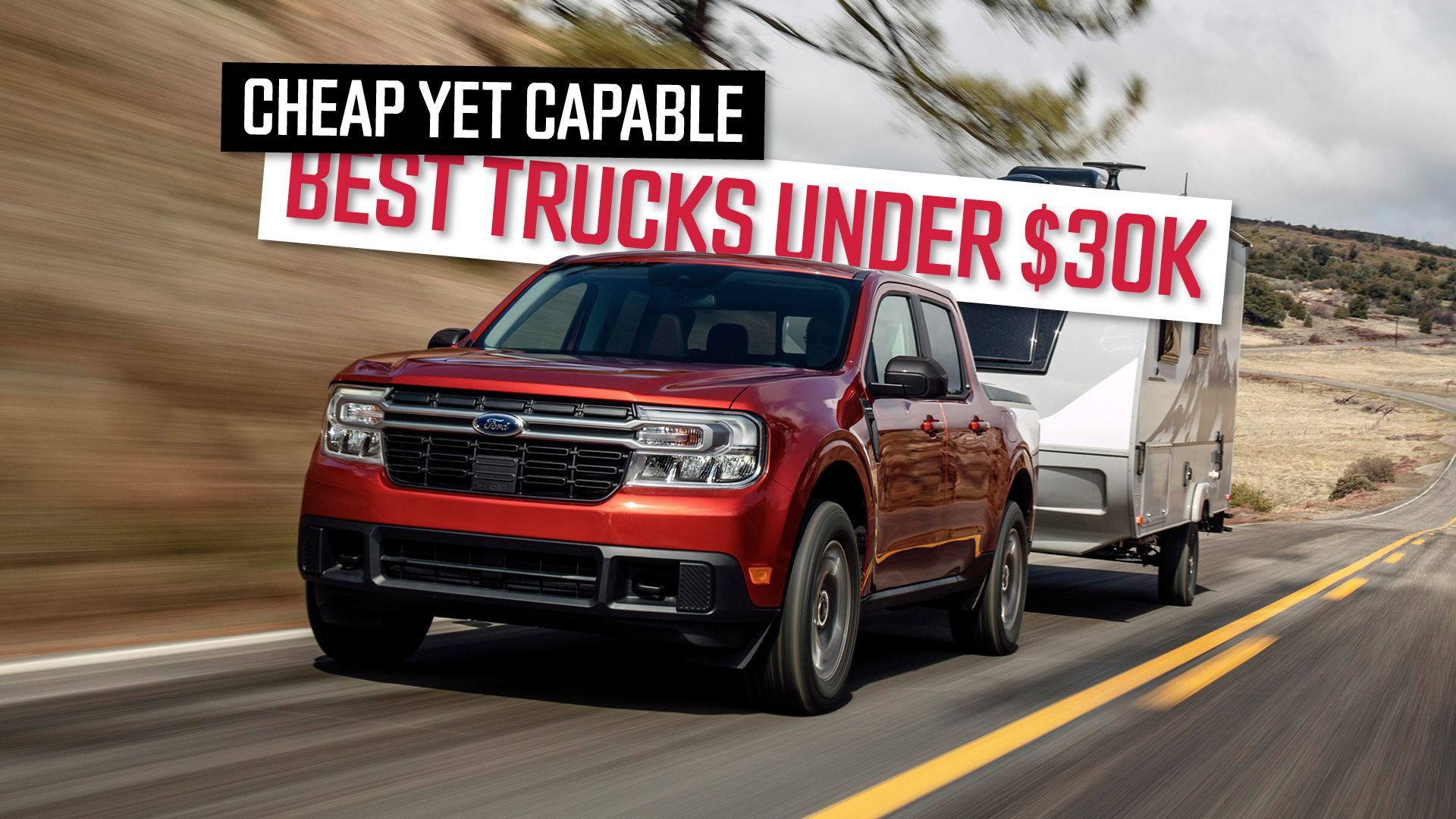
A poorly chosen truck can lead to frustration, increased maintenance costs, and even hinder the efficiency of your farm. Investing in the right truck, however, can streamline operations, improve productivity, and ultimately, contribute to a more profitable and sustainable farm.
Key Considerations When Choosing a Farm Truck
Before diving into specific models, it's crucial to assess your farm's unique requirements. Consider the following factors:
- Towing Capacity: How much weight will you typically be towing? Consider the weight of your heaviest trailer, equipment, and the typical load you'll be hauling. Overestimating is always better than underestimating.
- Payload Capacity: How much weight will you be carrying in the truck bed? Think about bags of feed, fertilizer, tools, and other materials. Payload capacity is just as important as towing capacity.
- Bed Size: What length of bed do you need? Longer beds are ideal for hauling lumber, pipes, and other long items, while shorter beds are more maneuverable.
- Drivetrain: Four-wheel drive (4WD) or all-wheel drive (AWD) is almost essential for farms, providing superior traction in muddy fields, snow-covered roads, and uneven terrain.
- Fuel Efficiency: Fuel costs can be a significant expense for farmers. Consider the fuel efficiency of different models, especially if you'll be driving long distances.
- Reliability and Maintenance: Research the reliability ratings of different trucks and consider the availability of parts and service in your area. A truck that spends more time in the shop than on the farm is a liability.
- Cab Configuration: Choose a cab configuration that suits your needs. Regular cabs are suitable for single operators, while extended or crew cabs offer more space for passengers and equipment.
- Budget: Determine your budget and stick to it. Consider both the initial purchase price and the long-term costs of ownership, including fuel, maintenance, and insurance.
- Technology and Features: Consider features like a rearview camera, trailer sway control, and a user-friendly infotainment system, which can enhance safety and convenience.

Types of Trucks Suitable for Farming
The truck market offers a wide range of options, from light-duty pickups to heavy-duty workhorses. Here's a breakdown of the most common types:
- Light-Duty Trucks (e.g., Ford F-150, Chevrolet Silverado 1500, Ram 1500): These trucks are versatile and offer a good balance of fuel efficiency, towing capacity, and comfort. They're suitable for smaller farms or farms with lighter hauling needs.
- Heavy-Duty Trucks (e.g., Ford F-250/F-350, Chevrolet Silverado 2500HD/3500HD, Ram 2500/3500): These trucks are built for serious work, offering significantly higher towing and payload capacities. They're ideal for larger farms that require heavy hauling and towing.
- Mid-Size Trucks (e.g., Toyota Tacoma, Chevrolet Colorado, Ford Ranger): These trucks offer a smaller footprint and better fuel efficiency than full-size trucks, making them suitable for navigating tight spaces and running errands. However, their towing and payload capacities are limited.
- Chassis Cab Trucks: These trucks are sold as a bare chassis, allowing you to customize the bed or body to suit your specific needs. They're often used for specialized applications, such as dump trucks or flatbed trucks.
Practical Advice and Actionable Insights
- Test Drive Multiple Trucks: Before making a decision, test drive several different models to get a feel for their handling, performance, and comfort.
- Talk to Other Farmers: Ask other farmers about their experiences with different trucks. They can provide valuable insights based on real-world use.
- Consider Used Trucks: A well-maintained used truck can be a cost-effective option, especially if you're on a tight budget. Have a mechanic inspect any used truck before you buy it.
- Negotiate the Price: Don't be afraid to negotiate the price of a new or used truck. Dealers are often willing to offer discounts or incentives.
- Customize Your Truck: Consider adding accessories like a bed liner, toolboxes, and a trailer hitch to customize your truck for your specific needs.
Potential Challenges and Solutions
- High Purchase Price: Trucks can be expensive. Consider financing options or leasing a truck to reduce the upfront cost.
- Maintenance Costs: Regular maintenance is essential to keep your truck running smoothly. Schedule regular oil changes, tune-ups, and other maintenance services.
- Fuel Consumption: Fuel costs can be a significant expense. Drive conservatively and maintain your truck properly to maximize fuel efficiency.
- Limited Maneuverability: Large trucks can be difficult to maneuver in tight spaces. Practice driving in different conditions to improve your skills.
Conclusion
Choosing the best truck for your farm is a significant decision that can impact your productivity, efficiency, and bottom line. By carefully considering your specific needs, researching different models, and taking the time to test drive and compare options, you can find the perfect truck to tackle the challenges of modern farming. Remember to prioritize reliability, towing capacity, payload capacity, and fuel efficiency to ensure your truck is a valuable asset for years to come. Ultimately, the "best" truck is the one that best meets the unique demands of your farm and helps you achieve your goals.
Price Table: Best Trucks for Farmers
| Truck Model | Type | Starting MSRP | Towing Capacity (Max) | Payload Capacity (Max) | Fuel Economy (City/Highway) | Key Features |
|---|---|---|---|---|---|---|
| Ford F-150 | Light-Duty | $36,525 | 14,000 lbs | 3,325 lbs | 20/26 MPG | Pro Power Onboard Generator, Advanced Towing Technology, Comfortable Interior |
| Chevrolet Silverado 1500 | Light-Duty | $36,800 | 13,300 lbs | 2,260 lbs | 19/24 MPG | Multi-Flex Tailgate, Enhanced Trailering System, Available Super Cruise |
| Ram 1500 | Light-Duty | $38,570 | 12,750 lbs | 2,300 lbs | 20/25 MPG | Luxurious Interior, Smooth Ride, Available Multifunction Tailgate |
| Ford F-250 Super Duty | Heavy-Duty | $43,970 | 22,000 lbs | 4,260 lbs | N/A | Powerful Engine Options, Rugged Design, Available Tremor Package |
| Chevrolet Silverado 2500HD | Heavy-Duty | $43,400 | 18,510 lbs | 3,860 lbs | N/A | Durabed Cargo Bed, Advanced Trailering Features, Available Technology Package |
| Ram 2500 | Heavy-Duty | $44,930 | 20,000 lbs | 4,000 lbs | N/A | Coil Spring Rear Suspension, Available Air Suspension, Comfortable Ride |
| Toyota Tacoma | Mid-Size | $28,250 | 6,800 lbs | 1,685 lbs | 18/22 MPG | Off-Road Capability, Reliability, Resale Value |
| Chevrolet Colorado | Mid-Size | $30,695 | 7,700 lbs | 1,590 lbs | 18/25 MPG | Z71 Off-Road Package, Available Diesel Engine, Practical Size |
| Ford Ranger | Mid-Size | $32,670 | 7,500 lbs | 1,860 lbs | 21/25 MPG | Compact and Maneuverable, Turbocharged Engine, Available Technology Features |
Note: Prices and specifications may vary depending on trim level, options, and location. Fuel economy for heavy-duty trucks is not typically published by the EPA.
Frequently Asked Questions (FAQ)
- Q: What's the difference between towing capacity and payload capacity?
- A: Towing capacity is the maximum weight a truck can safely pull behind it, while payload capacity is the maximum weight it can carry in the bed and cab.
- Q: Is four-wheel drive (4WD) necessary for a farm truck?
- A: While not always essential, 4WD is highly recommended for farms due to its superior traction in muddy, snowy, or uneven terrain.
- Q: Should I buy a new or used truck?
- A: It depends on your budget and needs. A new truck offers the latest technology and warranty coverage, while a used truck can be a more affordable option. Have any used truck inspected by a mechanic before purchasing.
- Q: What are some essential accessories for a farm truck?
- A: Common accessories include a bed liner, toolboxes, a trailer hitch, and mud flaps.
- Q: How can I improve the fuel efficiency of my truck?
- A: Drive conservatively, maintain your truck properly, and use the correct tire pressure. Consider using fuel additives to improve fuel economy.
- Q: Are electric trucks a viable option for farmers?
- A: Electric trucks are becoming increasingly popular, offering potential benefits like lower operating costs and reduced emissions. However, their range and towing capacity may be limited compared to gasoline or diesel trucks.
- Q: What kind of maintenance should I expect on a farm truck?
- A: Regular oil changes, tire rotations, brake inspections, and fluid checks are essential. Also, pay attention to the specific maintenance schedule recommended by the manufacturer.