Hauling heavy loads is the backbone of modern commerce. From oversized machinery to construction materials and specialized equipment, the heavy haul industry moves the essential components that keep our world running. But tackling these demanding tasks requires more than just a driver with a CDL; it demands the right equipment. Choosing the best semi truck for heavy haul is a critical decision that impacts profitability, safety, and overall operational efficiency. This comprehensive guide will delve into the crucial factors to consider, explore top contenders, and provide actionable insights to help you select the ideal workhorse for your heavy haul needs.
What is Heavy Haul and Why Does Truck Choice Matter?
The King of the Road: Finding the Best Semi Truck for Heavy Haul
Heavy haul, often synonymous with oversized or overweight loads, involves transporting goods that exceed standard legal weight and dimension limits. These loads often require specialized permits, route planning, and escort vehicles. Think wind turbine blades, bridge sections, and massive mining equipment.
The choice of semi truck is paramount in heavy haul for several reasons:
- Power and Torque: Moving massive loads requires significant engine power and, more importantly, torque. Insufficient power leads to slow speeds, increased fuel consumption, and potential breakdowns.
- Durability and Reliability: Heavy haul trucks endure immense stress. They need to be built with robust components capable of withstanding constant strain and vibration. Reliability is key to minimizing downtime and maximizing earning potential.
- Safety: Ensuring the safe transport of oversized loads is paramount. A well-suited truck, equipped with advanced braking systems and stability control, is crucial for preventing accidents.
- Compliance: Meeting stringent weight and dimension regulations is essential. The truck's configuration and axle weight distribution must be optimized to comply with local, state, and federal laws.
- Resale Value: Heavy haul trucks are a significant investment. Choosing a reputable brand and model known for its durability and performance can help retain value over time.
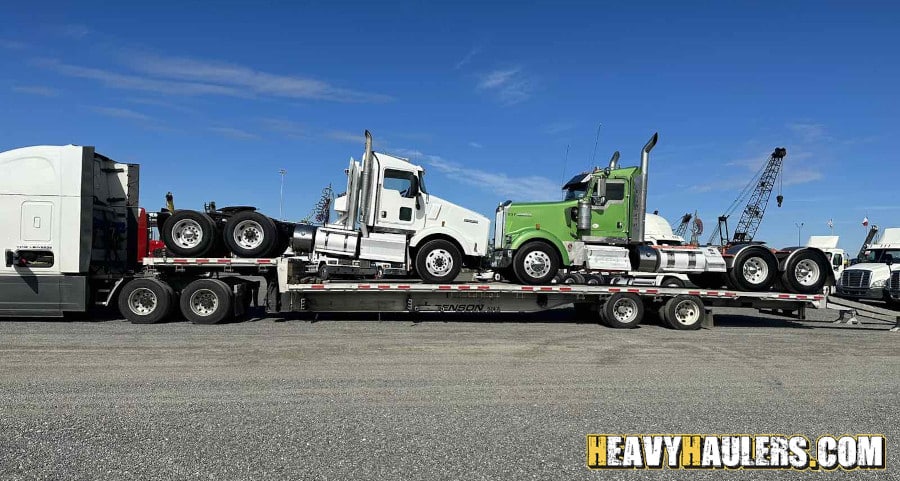
Key Considerations When Selecting a Heavy Haul Truck:
Before diving into specific models, let's explore the crucial factors that will influence your decision:
- Engine Power and Torque: This is arguably the most important factor. Look for engines with high horsepower (HP) and, more importantly, high torque, especially at lower RPMs. Torque is what gets the load moving and maintains speed on inclines. Consider engines ranging from 500 HP to upwards of 600 HP with torque ratings exceeding 1850 lb-ft.
- Transmission: A robust transmission is essential for handling the immense stress of heavy haul. Automated manual transmissions (AMTs) are becoming increasingly popular for their fuel efficiency and ease of use, but traditional manual transmissions remain a viable option for experienced drivers. Choose a transmission with a sufficient number of gears to optimize performance across a wide range of speeds and terrains.
- Axle Configuration and Capacity: The number and configuration of axles directly impact the truck's weight-carrying capacity and stability. Common configurations for heavy haul include tandem axles (two rear axles) and tridem axles (three rear axles). Ensure the axle ratings meet or exceed the anticipated load requirements.
- Frame Strength: The frame is the backbone of the truck. Look for reinforced frames with high tensile strength to withstand the stresses of heavy haul. Double or triple frame rails are often preferred for extreme applications.
- Suspension: A heavy-duty suspension system is crucial for providing a smooth ride, reducing stress on the chassis, and improving handling. Air ride suspensions are common for their superior ride quality and adjustability.
- Braking System: Reliable and powerful brakes are essential for safety. Look for trucks equipped with advanced braking systems such as ABS (Anti-lock Braking System), EBS (Electronic Braking System), and auxiliary braking systems like engine brakes (Jake brakes) or retarders.
- Wheelbase and Fifth Wheel Placement: The wheelbase (distance between the front and rear axles) affects the truck's maneuverability and stability. Fifth wheel placement (the connection point for the trailer) is critical for proper weight distribution.
- Cab Configuration: Choose a cab configuration that meets your operational needs. Day cabs are suitable for short-haul applications, while sleeper cabs provide comfort for long-distance hauling.
- Technology and Features: Modern trucks are equipped with advanced technologies that enhance safety, fuel efficiency, and driver comfort. Consider features such as adaptive cruise control, lane departure warning, collision mitigation systems, and telematics.

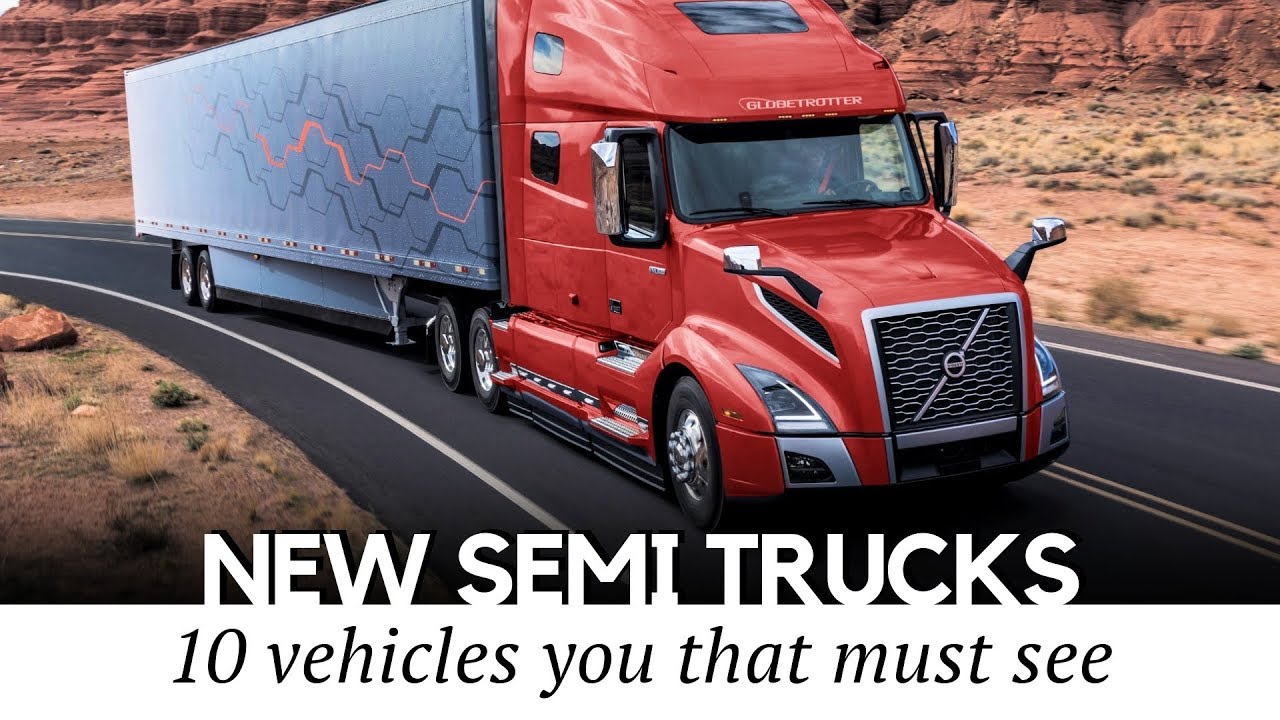
Top Contenders for Heavy Haul Trucks:
While the "best" truck is subjective and depends on specific needs, here are some of the leading contenders in the heavy haul segment:
- Peterbilt 389/388: Known for their classic styling and robust construction, Peterbilt 389/388 models are popular choices for heavy haul. They offer a wide range of engine options, including powerful Cummins and PACCAR engines, and can be configured for various heavy haul applications.
- Kenworth W900L: Similar to the Peterbilt 389/388, the Kenworth W900L is a classic long-nose truck renowned for its durability and performance. It offers a comfortable ride, a spacious cab, and a variety of engine and transmission options.
- Western Star 4900: Western Star trucks are specifically designed for severe-duty applications, including heavy haul. The 4900 offers a robust frame, powerful engine options, and a customizable chassis to meet specific requirements.
- Mack Pinnacle: Mack trucks are known for their ruggedness and reliability. The Pinnacle model offers a powerful engine, a durable chassis, and a comfortable cab, making it a suitable choice for heavy haul.
- Freightliner Cascadia: While primarily designed for long-haul freight, the Freightliner Cascadia can be configured for heavy haul applications with the right engine, axle, and suspension options. It offers advanced safety features and fuel-efficient technology.
Practical Advice and Actionable Insights:
- Consult with Experts: Before making a purchase, consult with experienced heavy haul operators, mechanics, and truck dealers. They can provide valuable insights and recommendations based on your specific needs.
- Consider Used Trucks: Used heavy haul trucks can offer significant cost savings, especially if you find a well-maintained model with low mileage. Have a qualified mechanic inspect the truck thoroughly before making a purchase.
- Prioritize Maintenance: Regular maintenance is crucial for ensuring the reliability and longevity of your heavy haul truck. Follow the manufacturer's recommended maintenance schedule and address any issues promptly.
- Driver Training: Ensure your drivers are properly trained in operating heavy haul trucks and handling oversized loads. Proper driving techniques can significantly improve safety and fuel efficiency.
- Stay Updated on Regulations: Keep abreast of the latest weight and dimension regulations in the areas where you operate. Compliance is essential to avoid fines and delays.
Potential Challenges and Solutions:
- High Initial Cost: Heavy haul trucks are a significant investment. Consider financing options or leasing to mitigate the upfront cost.
- Maintenance Costs: Heavy haul trucks require more frequent and costly maintenance. Budget accordingly and establish a proactive maintenance program.
- Fuel Consumption: Heavy haul trucks consume more fuel than standard trucks. Optimize driving techniques and consider fuel-efficient technologies to minimize fuel costs.
- Driver Shortage: Finding experienced heavy haul drivers can be challenging. Offer competitive wages and benefits to attract and retain qualified drivers.
Price Table:
| Truck Model | Engine (Typical) | Horsepower | Torque (lb-ft) | Transmission (Typical) | Axle Configuration | Estimated Price (New) | Estimated Price (Used - 5 years old) |
|---|---|---|---|---|---|---|---|
| Peterbilt 389 | Cummins X15 | 565 | 2050 | Eaton Fuller 18-speed | Tandem/Tridem | $180,000 - $250,000 | $80,000 - $150,000 |
| Kenworth W900L | Cummins X15 | 565 | 2050 | Eaton Fuller 18-speed | Tandem/Tridem | $175,000 - $245,000 | $75,000 - $145,000 |
| Western Star 4900 | Detroit DD16 | 600 | 2050 | Eaton Fuller 18-speed | Tandem/Tridem | $190,000 - $260,000 | $85,000 - $155,000 |
| Mack Pinnacle | Mack MP8 | 505 | 1860 | Mack mDRIVE AMT | Tandem/Tridem | $165,000 - $235,000 | $70,000 - $140,000 |
| Freightliner Cascadia | Detroit DD15 | 505 | 1850 | Detroit DT12 AMT | Tandem | $150,000 - $220,000 | $60,000 - $130,000 |
Note: Prices are estimates and can vary based on configuration, options, and market conditions.
Frequently Asked Questions (FAQ):
- Q: What is the minimum horsepower required for heavy haul?
- A: While there's no strict minimum, most heavy haul operators recommend at least 500 HP, with higher horsepower (550-600+) preferred for demanding applications.
- Q: Should I choose a manual or automated manual transmission (AMT)?
- A: Both have their advantages. Manual transmissions offer more control, while AMTs provide fuel efficiency and ease of use. The best choice depends on your experience and preferences.
- Q: What are the key differences between tandem and tridem axles?
- A: Tandem axles have two rear axles, while tridem axles have three. Tridem axles offer greater weight-carrying capacity and improved stability, but they can also be less maneuverable.
- Q: How important is the fifth wheel placement for heavy haul?
- A: Fifth wheel placement is critical for proper weight distribution and stability. Consult with a qualified technician to ensure the fifth wheel is properly positioned for your specific application.
- Q: What are some tips for improving fuel efficiency in heavy haul?
- A: Maintain proper tire pressure, avoid excessive idling, use cruise control, and train drivers on fuel-efficient driving techniques.
Conclusion:
Choosing the best semi truck for heavy haul is a complex decision that requires careful consideration of numerous factors. By understanding your specific needs, evaluating the key considerations outlined in this guide, and consulting with experts, you can select a truck that delivers the power, durability, and reliability needed to tackle even the most demanding heavy haul tasks. Remember that the right truck is an investment in your business's success, ensuring safe, efficient, and profitable operations for years to come. The king of the road deserves the right steed.