Selling a semi truck isn't like selling a car. It's a significant transaction involving a complex piece of machinery with a specialized market. Finding the "best way" to sell your semi truck depends heavily on your individual circumstances, including your timeline, desired price, and willingness to invest time and effort into the sales process. This comprehensive guide will explore the various options available to you, weighing the pros and cons of each, and equipping you with the knowledge to make the most informed decision.
Introduction: Why Finding the "Best Way" Matters
The Ultimate Guide: Finding the Best Way to Sell Your Semi Truck
Selling a semi truck can be a daunting task. These vehicles represent substantial investments, and maximizing your return requires careful planning and execution. The "best way" isn't a one-size-fits-all solution. For some, speed and convenience are paramount, even if it means accepting a lower price. For others, maximizing profit is the ultimate goal, even if it requires more time and effort. Understanding your priorities and the nuances of the semi truck market is crucial for a successful sale. This guide will help you navigate the landscape and choose the path that best aligns with your needs.
Section 1: Preparing Your Semi Truck for Sale: The Foundation for Success
Before you even consider listing your truck, proper preparation is essential. This not only increases its appeal but also helps you justify your asking price.
-
Detailed Inspection and Repairs: A thorough inspection by a qualified mechanic is the first step. Identify any mechanical issues, from minor repairs to major overhauls. Address critical issues that could deter potential buyers or significantly lower your asking price. While you don't need to fix every cosmetic imperfection, addressing major mechanical problems demonstrates transparency and professionalism.
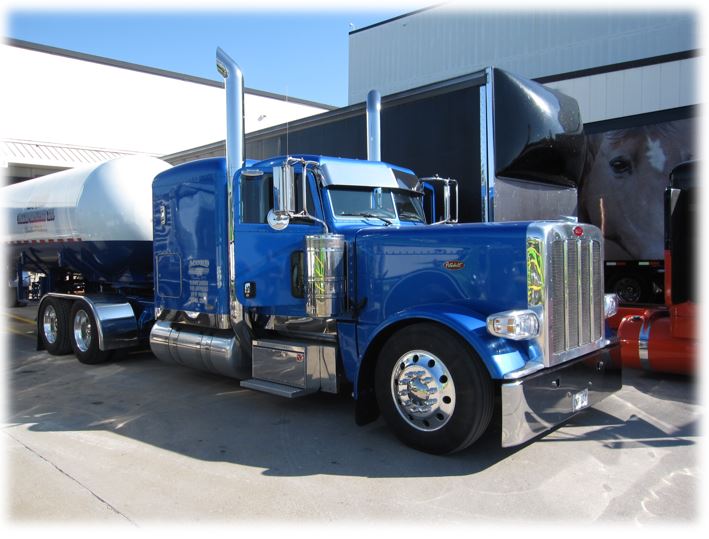
Cleaning and Detailing: A clean truck is a selling truck. Thoroughly wash and detail both the interior and exterior. Remove any personal belongings, clean the upholstery, and polish the chrome. First impressions matter, and a clean truck signals that it has been well-maintained.
-
Gathering Documentation: Compile all relevant documentation, including the truck's title, maintenance records, repair receipts, and any warranty information. This paperwork provides potential buyers with valuable information about the truck's history and condition, building trust and confidence.
-
Professional Photos and Videos: High-quality photos and videos are essential for online listings. Take clear, well-lit photos of the truck from multiple angles, showcasing its key features and condition. A short video walkthrough can further enhance the listing and provide potential buyers with a virtual tour.

Section 2: Exploring Your Selling Options: A Comprehensive Overview

Several avenues exist for selling your semi truck, each with its own advantages and disadvantages.
-
Selling to a Dealership: This is often the fastest and most convenient option. Dealerships typically offer a trade-in value or a cash offer. However, expect to receive a lower price than you would through a private sale. Dealerships need to factor in their own profit margins and potential reconditioning costs.
-
Selling to a Wholesaler: Similar to dealerships, wholesalers purchase trucks for resale. They often specialize in buying trucks in bulk or those with specific features or in certain conditions. Expect a lower price than a private sale, but the transaction is usually quick and straightforward.
-
Private Sale (Online Marketplaces): Online marketplaces like TruckPaper, CommercialTruckTrader, and Craigslist offer the potential to reach a wider audience and command a higher price. However, this option requires more effort, including creating listings, handling inquiries, and negotiating with potential buyers.
-
Private Sale (Word-of-Mouth/Networking): Leveraging your existing network of contacts in the trucking industry can be a valuable way to find a buyer. Let other drivers, owner-operators, and trucking companies know that you're selling your truck. This approach can lead to a faster and more personal transaction.
-
Auction: Auctions can be a good option for selling trucks quickly, but the final sale price is often unpredictable. You may receive a higher price than you would through a dealership, but you also risk selling the truck for less than you hoped for.
Section 3: Pricing Your Semi Truck: Finding the Sweet Spot
Determining the right price is crucial for a successful sale. Overpricing your truck can deter potential buyers, while underpricing it can leave money on the table.
-
Research Comparable Sales: Use online resources and auction results to research the selling prices of similar trucks in your area. Consider factors such as the truck's age, mileage, condition, specifications, and features.
-
Consider Your Truck's Condition: Adjust your price based on the overall condition of your truck. A well-maintained truck with low mileage will command a higher price than a truck with significant wear and tear.
-
Factor in Market Demand: The demand for semi trucks fluctuates based on economic conditions and industry trends. Research the current market conditions and adjust your price accordingly.
-
Be Realistic and Negotiable: Set a realistic asking price that reflects the true value of your truck. Be prepared to negotiate with potential buyers and be willing to compromise to reach a mutually agreeable price.
Section 4: Navigating the Sales Process: From Listing to Closing
Once you've prepared your truck and determined a price, it's time to actively pursue the sale.
-
Crafting an Effective Listing: Your listing should be clear, concise, and informative. Include detailed specifications, high-quality photos, and a compelling description of the truck's features and benefits. Highlight any recent repairs or upgrades.
-
Responding to Inquiries Promptly: Respond to inquiries from potential buyers promptly and professionally. Provide accurate and complete information and be willing to answer their questions.
-
Arranging Inspections: Allow potential buyers to inspect the truck thoroughly. Be present during the inspection and be prepared to answer any questions they may have.
-
Negotiating the Price: Be prepared to negotiate the price with potential buyers. Be firm but fair and be willing to compromise to reach a mutually agreeable price.
-
Completing the Sale: Once you've agreed on a price, complete the necessary paperwork to transfer ownership of the truck. This typically involves signing the title and providing the buyer with a bill of sale.
Section 5: Potential Challenges and Solutions
Selling a semi truck can present various challenges. Here are some common obstacles and potential solutions:
- Low Offers: Be prepared to receive low offers. Don't be discouraged. Counteroffer and be willing to walk away if the offer is too low.
- Financing Issues: Some buyers may have difficulty securing financing. Consider offering seller financing or referring them to lenders who specialize in truck financing.
- Scams: Be wary of potential scams. Never release the truck or title until you have received full payment. Verify the buyer's identity and payment method.
- Time Commitment: Selling a semi truck can be time-consuming. Be prepared to invest the necessary time and effort to find a buyer and complete the sale.
Table: Best Ways to Sell a Semi Truck - A Comparison
| Method | Speed | Price | Effort | Pros | Cons |
|---|---|---|---|---|---|
| Dealership Trade-in | Very Fast | Lowest | Least | Quick, convenient, handles paperwork | Lowest price, less control over the sale |
| Wholesaler | Fast | Lower | Low | Relatively quick, handles logistics | Lower price, less negotiation power |
| Online Marketplace | Moderate | Highest | High | Potential for highest price, wider reach | Time-consuming, requires effort in listing, negotiation, and screening |
| Word-of-Mouth | Moderate | Moderate/High | Moderate | Potential for good price, trusted buyers | Limited reach, relies on personal network |
| Auction | Fast | Variable | Moderate | Quick sale, potential for competitive bidding | Unpredictable price, auction fees |
Frequently Asked Questions (FAQ)
- Q: What documents do I need to sell a semi truck?
- A: You will typically need the truck's title, maintenance records, repair receipts, and a bill of sale.
- Q: How do I determine the value of my semi truck?
- A: Research comparable sales, consider the truck's condition, and factor in market demand.
- Q: Should I repair my semi truck before selling it?
- A: Address critical mechanical issues that could deter potential buyers or significantly lower your asking price.
- Q: How can I avoid scams when selling a semi truck?
- A: Verify the buyer's identity, never release the truck or title until you have received full payment, and be wary of suspicious offers.
- Q: What is the best time of year to sell a semi truck?
- A: Generally, demand for semi trucks is higher during periods of economic growth and increased freight activity.
Conclusion: Making the Right Choice for Your Needs
Selling a semi truck is a significant decision, and the "best way" depends on your individual circumstances. By carefully considering your priorities, exploring your selling options, and following the tips outlined in this guide, you can increase your chances of a successful sale and maximize your return. Remember to prioritize transparency, professionalism, and due diligence throughout the process. Good luck!