Towing with a truck is a common necessity, whether it's hauling equipment for work, boats for recreation, or trailers for travel. But not all towing situations are created equal. Different trailers have different coupler heights, and using a fixed-height hitch can lead to unsafe towing conditions, poor handling, and even damage to your truck or trailer. This is where the adjustable truck hitch comes in, offering a versatile solution for adapting to a wide range of towing needs.
This comprehensive guide will delve into the world of adjustable truck hitches, exploring their benefits, types, important considerations, and ultimately helping you choose the best one for your specific requirements. We'll cover everything from installation to maintenance, ensuring you have the knowledge to tow safely and confidently.
The Ultimate Guide to Adjustable Truck Hitches: Finding the Perfect Fit for Your Towing Needs
What is an Adjustable Truck Hitch and Why Do You Need One?
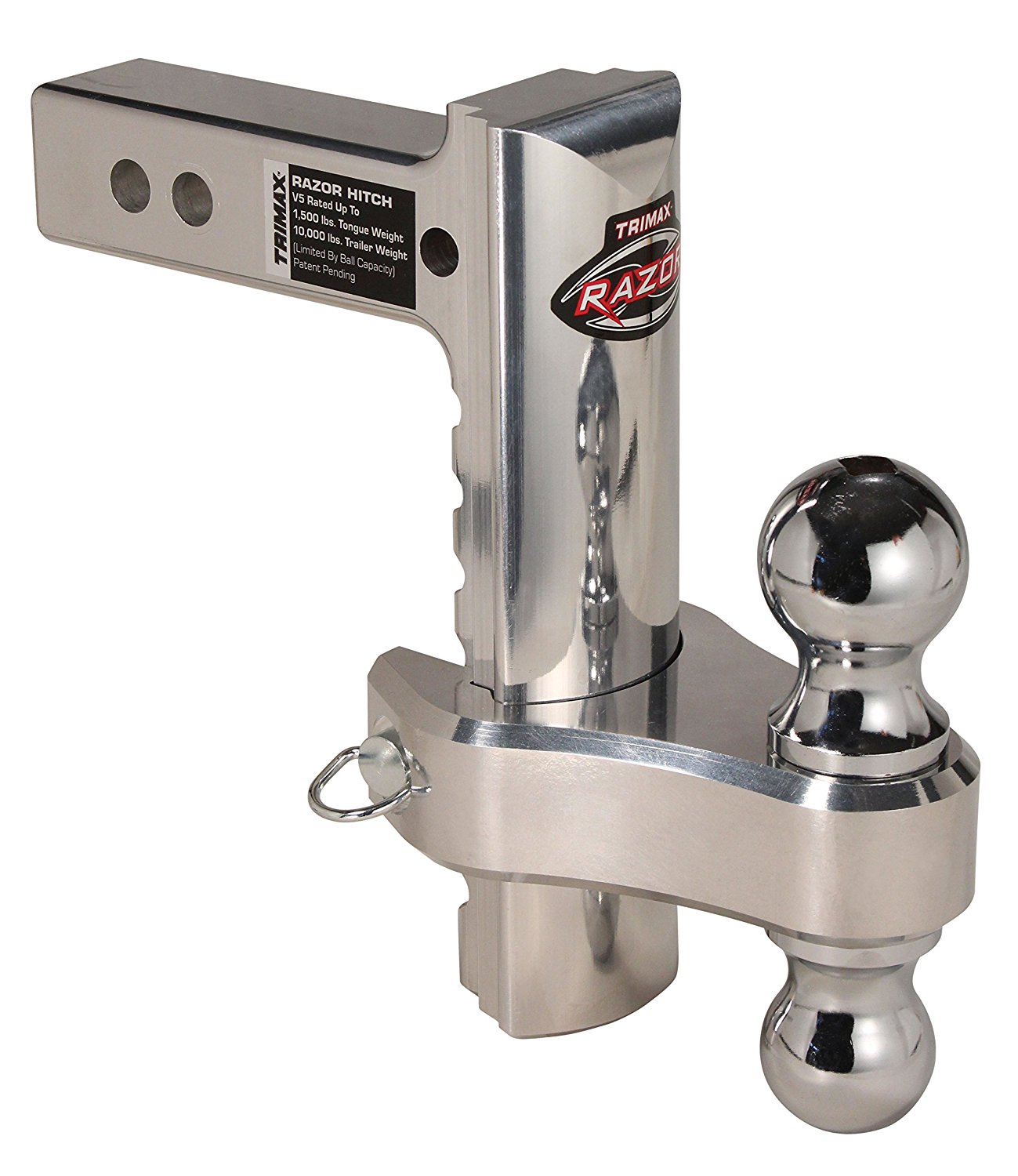
An adjustable truck hitch, also known as a drop hitch or adjustable ball mount, is a type of hitch receiver that allows you to easily change the height of the ball mount. This adjustability is crucial because it ensures that your trailer sits level when connected to your truck. When a trailer is level, its weight is distributed evenly across its axles, leading to:
- Improved Handling: A level trailer is less likely to sway or bounce, making for a smoother and safer towing experience.
- Enhanced Safety: Proper weight distribution reduces stress on your truck's suspension and braking system, minimizing the risk of accidents.
- Reduced Wear and Tear: Level towing prevents uneven tire wear and reduces stress on the trailer's frame and components.
- Versatility: An adjustable hitch eliminates the need for multiple fixed-height hitches for different trailers. You can quickly and easily adapt to various towing situations.

In essence, an adjustable hitch is an investment in safety, convenience, and the longevity of both your truck and trailer.
Types of Adjustable Truck Hitches:
Adjustable hitches come in various configurations, each with its own set of advantages and disadvantages. Understanding the different types will help you choose the one that best suits your needs.

Dual-Ball Adjustable Hitches: These hitches feature two ball mounts, typically with different ball sizes (e.g., 2" and 2 5/16"). This allows you to quickly switch between different trailer coupler sizes without changing the entire hitch. They are a good option for individuals who frequently tow trailers with different ball sizes.
-
Multi-Ball Adjustable Hitches: Similar to dual-ball hitches, but they may include more than two ball sizes, expanding the versatility even further.
-
Pintle Hook Adjustable Hitches: Pintle hitches are designed for heavy-duty towing, often used for construction equipment and agricultural trailers. An adjustable pintle hitch allows you to adjust the height of the pintle hook to match the trailer's lunette ring.
-
Weigh Safe Adjustable Hitches: Weigh Safe hitches are unique in that they incorporate a built-in scale that measures the tongue weight of your trailer. This feature helps ensure that you're towing within safe limits and prevents overloading your truck's rear axle.
-
Rotating Ball Adjustable Hitches: These hitches allow you to rotate the ball mount to achieve the desired height. They often use a pin system to lock the ball mount in place.
Key Considerations When Choosing an Adjustable Truck Hitch:
Selecting the right adjustable hitch requires careful consideration of several factors:
-
Towing Capacity: This is the most crucial factor. Ensure the hitch's maximum towing capacity (GTW - Gross Trailer Weight) and tongue weight (TW) exceed the weight of your heaviest trailer and its cargo. Exceeding these limits can be extremely dangerous.
-
Drop/Rise Range: This refers to the amount of vertical adjustment the hitch offers. Measure the height difference between your truck's receiver and the trailer coupler when the trailer is level. Choose a hitch with a drop/rise range that accommodates this difference.
-
Ball Size: Determine the ball size required for your trailers. Many adjustable hitches come with interchangeable ball mounts, allowing you to use different sizes.
-
Shank Size: The shank is the part of the hitch that inserts into your truck's receiver. Ensure the shank size matches your receiver (typically 2" or 2.5"). If you have a 2.5" receiver and purchase a 2" shank hitch, you'll need a reducer sleeve.
-
Material and Construction: Look for hitches made from high-quality steel or aluminum. Powder coating or other protective finishes help prevent rust and corrosion.
-
Adjustability Mechanism: Consider how easy the hitch is to adjust. Some hitches use a pin system, while others use a clamping mechanism. Choose the system that you find most convenient.
-
Security Features: Some hitches come with locking mechanisms to prevent theft. This is a valuable feature if you plan to leave your hitch attached to your truck when not towing.
-
Brand Reputation and Reviews: Research different brands and read customer reviews to get an idea of the hitch's quality, durability, and ease of use.
How to Install and Adjust an Adjustable Truck Hitch:
Installing and adjusting an adjustable truck hitch is generally a straightforward process, but it's essential to follow the manufacturer's instructions carefully. Here's a general overview:
- Gather Your Tools: You'll need a wrench or socket set, a torque wrench, and potentially a hammer.
- Insert the Shank: Slide the hitch shank into your truck's receiver.
- Secure the Hitch Pin: Insert the hitch pin through the receiver and shank, and secure it with a clip or lock.
- Adjust the Ball Mount Height: Determine the correct height by measuring the distance between the ground and the top of your truck's receiver, and the distance between the ground and the bottom of the trailer coupler. Adjust the ball mount height until the trailer sits level when connected.
- Secure the Ball Mount: Follow the manufacturer's instructions for securing the ball mount in the desired position. This may involve tightening bolts or inserting pins.
- Torque to Specification: Use a torque wrench to tighten all bolts to the manufacturer's specified torque values. This is crucial for ensuring the hitch is securely fastened.
- Connect the Trailer: Connect the trailer coupler to the ball mount and secure it.
- Double-Check Everything: Before driving, double-check that all connections are secure, the safety chains are properly attached, and the trailer lights are working.
Tips for Safe Towing with an Adjustable Truck Hitch:
- Always Consult the Manufacturer's Instructions: Read and understand the manufacturer's instructions for both the hitch and the trailer.
- Distribute Weight Evenly: Load your trailer with the weight distributed evenly from front to back and side to side. Aim for a tongue weight of 10-15% of the total trailer weight.
- Drive Cautiously: Reduce your speed and increase your following distance when towing. Be aware of the increased braking distance and turning radius.
- Regularly Inspect Your Hitch: Check the hitch for signs of wear, damage, or corrosion. Tighten any loose bolts and replace any worn parts.
- Use Safety Chains: Always use safety chains that are properly sized and attached to both the truck and the trailer.
- Consider a Weight Distribution System: For heavier trailers, consider using a weight distribution system to further improve handling and reduce stress on your truck's suspension.
Potential Challenges and Solutions:
- Difficulty Adjusting the Hitch: Some hitches can be difficult to adjust, especially if the bolts are rusted or corroded. Apply penetrating oil to the bolts and use a breaker bar for extra leverage.
- Finding the Right Height: Accurately measuring the height difference between the truck and trailer can be challenging. Use a level and a tape measure to ensure accurate measurements.
- Hitch Theft: Adjustable hitches can be a target for theft. Invest in a hitch lock to deter thieves.
Price Table for Adjustable Truck Hitches
| Brand | Model | Towing Capacity (GTW) | Tongue Weight (TW) | Ball Size(s) | Adjustment Range | Price (USD) |
|---|---|---|---|---|---|---|
| Weigh Safe | Drop Hitch 180 | 12,500 lbs | 1,500 lbs | 2" & 2 5/16" | 6" Drop/Rise | $350-$450 |
| B&W Trailer Hitches | Tow & Stow Adjustable Ball Mount | 10,000 lbs | 1,000 lbs | 2" & 2 5/16" | 5" Drop | $280-$380 |
| Curt | Adjustable Ball Mount | 7,500 lbs | 750 lbs | 2" | 2" Drop/Rise | $120-$180 |
| Andersen Hitches | Rapid Hitch | 8,000 lbs | 800 lbs | 2" & 2 5/16" | 4" Drop/Rise | $250-$350 |
| Gen-Y Hitch | The Boss Torsion Flex Drop Hitch | 16,000 lbs | 1,700 lbs | 2" & 2 5/16" | 7.5" Drop | $500-$700 |
| MaxxHaul | Adjustable Tri-Ball Hitch | 7,500 lbs | 750 lbs | 1 7/8", 2", 2 5/16" | Fixed | $80-$120 |
| Reese | Titan Adjustable Ball Mount | 10,000 lbs | 1,000 lbs | 2" & 2 5/16" | 4" Drop/Rise | $200-$300 |
| Blue Ox | Adjustable Tow Bar Receiver Hitch Adapter | 10,000 lbs | N/A | N/A | Adjustable Adapter | $150-$250 |
| Buyers Products | Adjustable Ball Mount with Channel Bracket | 10,000 lbs | 1,000 lbs | 2" | 2.5" Drop/Rise | $100-$150 |
| Towever | Adjustable Aluminum Drop Hitch | 10,000 lbs | 1,000 lbs | 2" & 2 5/16" | 6" Drop | $250-$350 |
Note: Prices are approximate and may vary depending on the retailer and specific features.
Conclusion:
An adjustable truck hitch is an essential tool for anyone who tows regularly. It provides the versatility and safety needed to handle a variety of towing situations. By carefully considering your towing needs, understanding the different types of hitches available, and following proper installation and safety procedures, you can choose the best adjustable hitch for your truck and enjoy a safer, more enjoyable towing experience. Investing in a quality adjustable hitch is an investment in peace of mind and the long-term health of your truck and trailer.
Frequently Asked Questions (FAQ):
-
Q: What size adjustable hitch do I need?
- A: Determine the towing capacity required for your heaviest trailer, the shank size that fits your truck's receiver, and the drop/rise range needed to level your trailer.
-
Q: Can I use an adjustable hitch for heavy-duty towing?
- A: Yes, but ensure the hitch's towing capacity exceeds the weight of your trailer. Consider a pintle hook adjustable hitch for very heavy loads.
-
Q: Are adjustable hitches safe?
- A: Yes, when properly installed, adjusted, and used within their rated capacity. Regular inspection and maintenance are crucial.
-
Q: How do I prevent my adjustable hitch from being stolen?
- A: Use a hitch lock that secures the hitch to your truck's receiver.
-
Q: How often should I inspect my adjustable hitch?
- A: Inspect your hitch before each towing trip and regularly check for signs of wear, damage, or corrosion.
-
Q: What is tongue weight, and why is it important?
- A: Tongue weight is the amount of weight the trailer exerts on the hitch. It should be 10-15% of the total trailer weight for optimal handling and stability.
-
Q: Can I use an adjustable hitch with a weight distribution system?
- A: Yes, many adjustable hitches are compatible with weight distribution systems. Check the manufacturer's specifications for compatibility.