Starting and running a successful lawn care business requires more than just a green thumb and a passion for outdoor work. It demands reliable equipment, efficient operations, and, crucially, a dependable truck to transport your tools and materials. The "best" truck for your lawn care business isn't a one-size-fits-all answer; it depends on your specific needs, budget, and the scale of your operations. This comprehensive guide will walk you through the crucial considerations, types of trucks available, and practical advice to help you choose the perfect workhorse for your business.
Introduction: Why Your Truck is More Than Just Transportation
The Ultimate Guide to Choosing the Best Truck for Your Lawn Care Business
For a lawn care business, your truck is more than just a vehicle; it's a mobile office, a tool shed, and the face of your company. It's the first thing your clients see, and it's what allows you to get the job done efficiently and effectively. Choosing the right truck can significantly impact your profitability, customer satisfaction, and overall success. A reliable truck minimizes downtime, reduces repair costs, and allows you to take on more jobs. On the other hand, a poorly chosen truck can lead to constant breakdowns, increased fuel costs, and ultimately, a drain on your resources. Therefore, carefully considering your needs and options is paramount.
Section 1: Assessing Your Needs - Defining the "Best" for You
Before you even start browsing dealerships, take a step back and analyze your business requirements. Consider these factors:
- Payload Capacity: This is the most critical factor. Estimate the total weight of your equipment (mowers, trimmers, edgers, blowers, sprayers, etc.), materials (fertilizer, mulch, grass seed), and any other tools you typically carry. Don't underestimate! Overloading your truck can damage the suspension, reduce fuel efficiency, and create safety hazards. A good rule of thumb is to add a safety margin of at least 20% to your estimated payload.
- Towing Capacity: If you plan to tow a trailer, consider the weight of the trailer itself, plus its load. Again, add a safety margin. Check the truck's Gross Combined Weight Rating (GCWR), which is the maximum allowable weight of the truck, trailer, passengers, and cargo combined.
- Bed Size: The length of the truck bed determines how much equipment you can carry and how easily you can organize it. Consider the dimensions of your largest piece of equipment (e.g., a zero-turn mower) and ensure it fits comfortably in the bed, either with the tailgate up or down (with appropriate tie-downs).
- Fuel Efficiency: Fuel costs can be a significant expense for a lawn care business. Consider the fuel efficiency of different truck models, both city and highway, and factor that into your long-term operating costs.
- Cab Configuration: Do you need a regular cab (single row of seats), an extended cab (small rear seats), or a crew cab (full-size rear seats)? Consider how often you'll be transporting employees or family members.
- Budget: Establish a realistic budget that includes the purchase price, insurance, maintenance, and fuel costs. Don't forget to factor in potential upgrades, such as a truck bed liner, ladder rack, or toolboxes.
- Geographic Considerations: Consider the terrain and weather conditions in your service area. If you operate in hilly or snowy areas, you may need a truck with four-wheel drive.
- Future Growth: Think about your long-term business plans. Will you be expanding your services or taking on larger clients in the future? If so, you may need a truck with a higher payload and towing capacity.
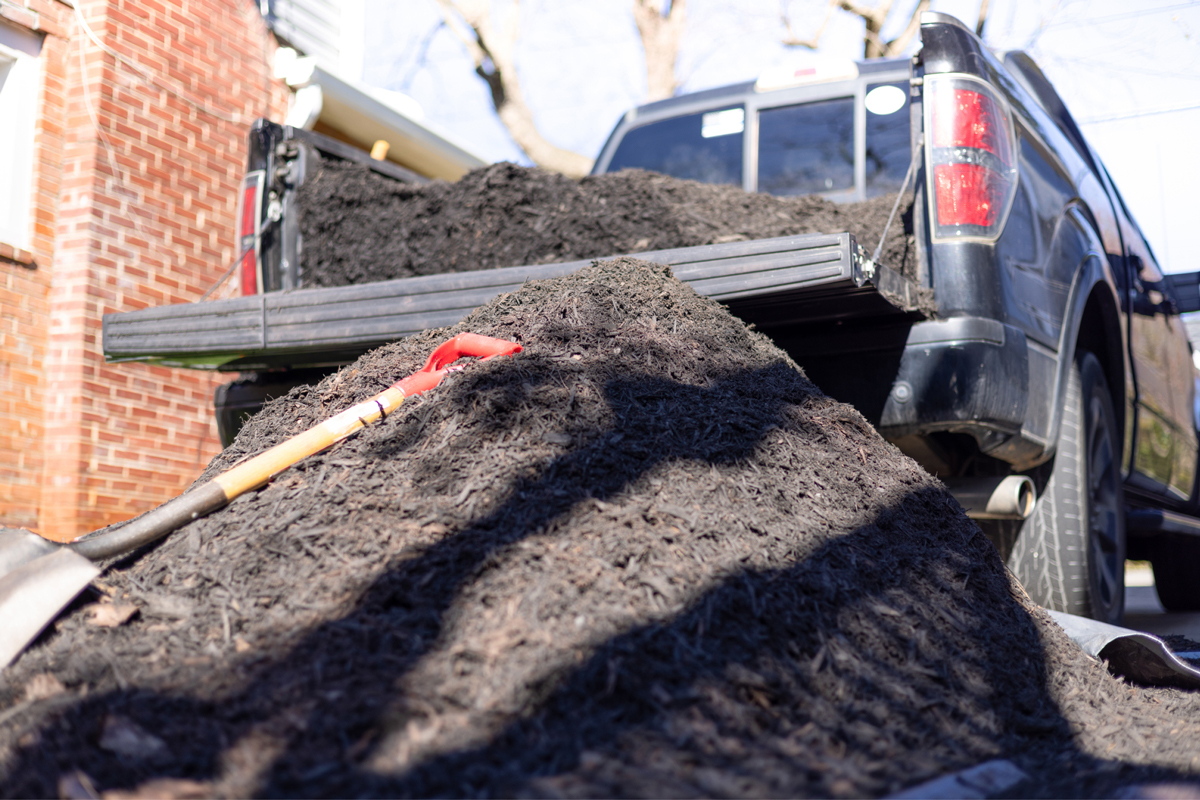

Section 2: Truck Types - Choosing the Right Platform
Once you've assessed your needs, you can start exploring the different types of trucks available:
- Mid-Size Trucks: These are smaller and more fuel-efficient than full-size trucks. They are suitable for smaller lawn care businesses with lighter equipment and fewer employees. Examples include the Toyota Tacoma, Chevrolet Colorado, and Ford Ranger.
- Pros: Better fuel economy, easier to maneuver in tight spaces, lower purchase price.
- Cons: Lower payload and towing capacity, smaller bed size, less cab space.

- Full-Size Trucks: These are the most popular choice for lawn care businesses due to their versatility and capability. They offer a wide range of configurations and engine options to suit different needs. Examples include the Ford F-150, Chevrolet Silverado 1500, Ram 1500, and Toyota Tundra.
- Pros: High payload and towing capacity, larger bed size, more cab space, greater availability of aftermarket accessories.
- Cons: Lower fuel economy than mid-size trucks, higher purchase price, more difficult to maneuver in tight spaces.
- Heavy-Duty Trucks: These are designed for heavy-duty work and offer the highest payload and towing capacity. They are suitable for larger lawn care businesses that regularly tow heavy trailers or carry large amounts of equipment. Examples include the Ford F-250/F-350, Chevrolet Silverado 2500/3500, and Ram 2500/3500.
- Pros: Extremely high payload and towing capacity, durable construction, powerful engines.
- Cons: Lowest fuel economy, highest purchase price, difficult to maneuver, often require a commercial driver's license (depending on weight ratings).
- Utility Vans: While not technically trucks, utility vans like the Ford Transit, Ram ProMaster, and Mercedes-Benz Sprinter can be a viable option for some lawn care businesses. They offer enclosed storage space and can be customized with shelving and drawers.
- Pros: Secure storage, weather protection, often better fuel economy than full-size trucks.
- Cons: Limited payload and towing capacity, less versatile than a truck, can be difficult to load and unload heavy equipment.
Section 3: Essential Features and Upgrades
Beyond the basic truck type, consider these essential features and upgrades:
- Truck Bed Liner: Protects the truck bed from scratches, dents, and rust. Options include spray-in liners, drop-in liners, and bed mats.
- Ladder Rack: Allows you to safely transport ladders and other long equipment.
- Toolboxes: Provide secure storage for tools and supplies.
- Tie-Downs: Essential for securing equipment in the truck bed.
- Backup Camera: Makes it easier to maneuver in tight spaces and helps prevent accidents.
- Trailer Hitch: If you plan to tow a trailer, ensure the truck is equipped with a suitable trailer hitch.
- Fuel-Efficient Engine: Opt for an engine that balances power and fuel economy. Consider diesel engines for heavy-duty trucks, as they often offer better fuel economy when towing.
- Four-Wheel Drive (4WD): Essential for operating in snowy or hilly areas.
- Electronic Stability Control (ESC): Helps prevent skidding and loss of control.
Section 4: Buying New vs. Used - Weighing the Options
The decision to buy a new or used truck depends on your budget and risk tolerance.
- New Trucks:
- Pros: Full warranty coverage, latest technology and safety features, lower maintenance costs (initially).
- Cons: Higher purchase price, rapid depreciation.
- Used Trucks:
- Pros: Lower purchase price, slower depreciation.
- Cons: Limited or no warranty coverage, potential for higher maintenance costs, may have outdated technology.
If you choose to buy a used truck, have it inspected by a qualified mechanic before making a purchase. Pay close attention to the truck's maintenance history and look for any signs of abuse or neglect.
Section 5: Financing and Insurance
Securing financing and insurance are crucial steps in acquiring your lawn care truck.
- Financing: Explore different financing options, such as loans from banks, credit unions, or dealerships. Compare interest rates and terms to find the best deal.
- Insurance: Obtain commercial auto insurance to protect your business from liability in case of an accident. Shop around for the best rates and coverage options. Consider liability, collision, and comprehensive coverage.
Section 6: Maintenance and Upkeep - Protecting Your Investment
Regular maintenance is essential for keeping your truck running smoothly and extending its lifespan.
- Follow the manufacturer's recommended maintenance schedule.
- Change the oil and filter regularly.
- Check the tires for proper inflation and wear.
- Inspect the brakes and suspension.
- Keep the truck clean and free of debris.
- Address any repairs promptly.
Table: Truck Comparison for Lawn Care Businesses
| Feature | Mid-Size Truck (e.g., Toyota Tacoma) | Full-Size Truck (e.g., Ford F-150) | Heavy-Duty Truck (e.g., Ford F-250) | Utility Van (e.g., Ford Transit) |
|---|---|---|---|---|
| Payload (lbs) | 1,155 - 1,685 | 1,500 - 3,325 | 2,000 - 4,260 | 2,880 - 4,650 |
| Towing (lbs) | 3,500 - 6,800 | 5,000 - 14,000 | 7,000 - 20,000+ | 4,100 - 7,500 |
| Fuel Economy (MPG) | 18-22 City / 22-26 Hwy | 16-20 City / 22-26 Hwy | 14-18 City / 18-22 Hwy | 15-19 City / 19-24 Hwy |
| Bed Size | 5-6 ft | 5.5-8 ft | 6.75-8 ft | N/A (Enclosed Cargo Area) |
| Starting Price (USD) | $28,000 | $35,000 | $40,000 | $38,000 |
| Ideal For | Small businesses, limited equipment | Most lawn care businesses | Large businesses, heavy towing | Businesses needing secure storage |
Note: Prices and specifications are approximate and may vary depending on the year, model, and options.
Conclusion: Investing in Your Business's Foundation
Choosing the best truck for your lawn care business is a significant investment that can pay off in the long run. By carefully assessing your needs, considering the different types of trucks available, and investing in essential features and upgrades, you can find the perfect workhorse to help you achieve your business goals. Remember to prioritize reliability, fuel efficiency, and payload capacity. A well-chosen and maintained truck will not only make your job easier but also enhance your professional image and contribute to the overall success of your lawn care business.
Frequently Asked Questions (FAQ)
-
Q: What's more important, payload or towing capacity?
- A: Payload is generally more important for lawn care businesses since you'll be carrying equipment and materials in the truck bed. Towing capacity is important if you plan to tow a trailer.
-
Q: Is four-wheel drive necessary?
- A: It depends on your geographic location and the terrain you work in. If you live in an area with snow or hills, four-wheel drive is highly recommended.
-
Q: Should I buy a gas or diesel truck?
- A: Diesel trucks are generally more fuel-efficient when towing heavy loads and tend to last longer, but they also have a higher initial cost and can be more expensive to maintain. Consider a diesel for heavy-duty trucks or if you frequently tow.
-
Q: What are some common problems with lawn care trucks?
- A: Common problems include worn-out suspension components due to heavy loads, rust caused by exposure to the elements, and engine issues related to frequent stop-and-go driving.
-
Q: How can I maximize the lifespan of my lawn care truck?
- A: Regular maintenance, careful driving habits, and protecting the truck from the elements are key to maximizing its lifespan. Don't overload the truck, and address any repairs promptly.
-
Q: What tax deductions can I take for my lawn care truck?
- A: You may be able to deduct the cost of your truck as a business expense, either through depreciation or Section 179 deduction. Consult with a tax professional to determine the best options for your situation.