The open road calls to many, but for owner-operators, it's more than just a romantic notion; it's a business. And like any successful business, the tools you use are critical. In the trucking world, that tool is your truck. Choosing the right truck is arguably the most important decision an owner-operator makes, impacting everything from profitability and fuel efficiency to maintenance costs and driver comfort. This comprehensive guide will delve into the complexities of selecting the best truck for your specific needs, helping you navigate the myriad of options and make an informed decision that sets you up for success.
Why the Right Truck Matters: More Than Just Wheels
The Ultimate Guide to Choosing the Best Truck for Owner-Operators
The term "Best Truck for Owner Operator" isn't a one-size-fits-all answer. It's a multifaceted question with a solution tailored to your specific operating environment. Consider these key factors that highlight the importance of the right truck:
- Profitability: Fuel efficiency, maintenance costs, and resale value directly impact your bottom line. A truck that sips fuel and requires minimal repairs will significantly boost your profits.
- Reliability: Downtime is lost income. A reliable truck minimizes breakdowns, keeping you on the road and earning.
- Driver Comfort: A comfortable cab and smooth ride improve driver satisfaction and reduce fatigue, leading to increased safety and potentially attracting and retaining drivers if you expand your operation.
- Cargo Type: Hauling heavy equipment demands a different truck than hauling dry van freight. Matching your truck to your typical cargo ensures efficiency and compliance.
- Regulations: Compliance with emissions standards, weight restrictions, and other regulations is crucial. Choosing a truck that meets these requirements avoids costly fines and delays.

Section 1: Defining Your Needs: The Foundation of a Good Decision
Before even looking at specific truck models, you need a clear understanding of your operational requirements. This involves answering some crucial questions:
- What Type of Freight Will You Be Hauling? (Dry van, refrigerated, flatbed, tanker, heavy haul, etc.) Each type requires different specifications.
- What Are Your Typical Routes and Distances? (Regional, long-haul, city driving) This influences fuel tank size, sleeper cab requirements, and axle configurations.
- What is Your Budget? (Including purchase price, financing, insurance, maintenance, and fuel) Be realistic about your financial capabilities.
- Will You Be a Company Driver or an Independent Owner-Operator? This will impact how you handle maintenance, repairs and who owns the vehicle.
- Do You Need a Sleeper Cab? (36", 48", 72") Consider your typical overnight trips.
- What Are Your Personal Preferences? (Comfort, technology, aesthetics) While not the primary factor, your satisfaction is important.
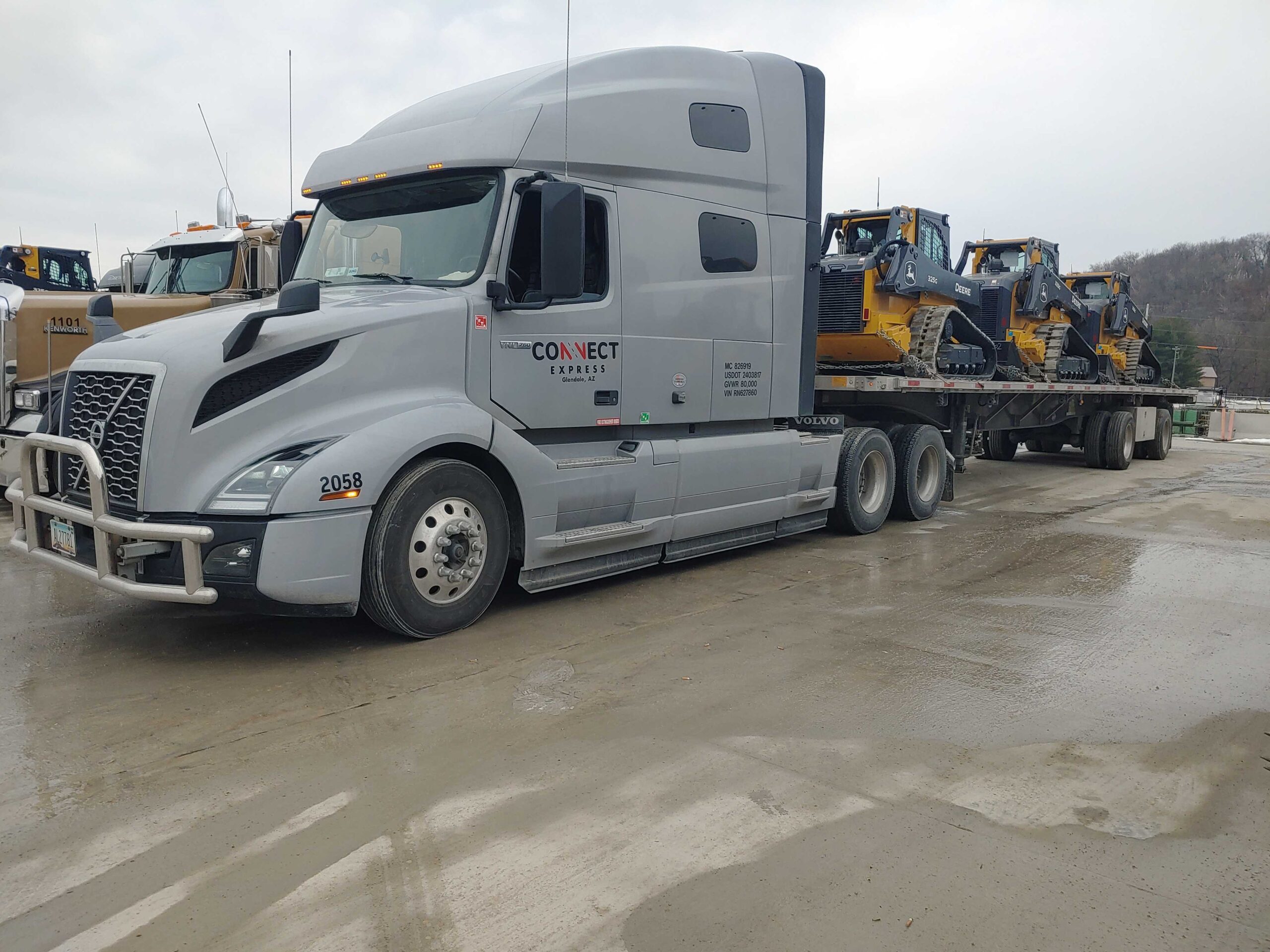

Answering these questions will help you narrow down the field and focus on trucks that are truly suitable for your business.
Section 2: Key Truck Features to Consider
Once you understand your needs, you can start evaluating specific truck features:
- Engine: Choose an engine with a balance of power, fuel efficiency, and reliability. Popular options include Cummins, Detroit Diesel, and PACCAR. Research fuel consumption reports and reliability ratings.
- Transmission: Manual transmissions offer more control and potentially better fuel economy, while automatic transmissions are easier to drive and reduce driver fatigue. Automated Manual Transmissions (AMTs) offer a blend of both.
- Axle Configuration: 6x4 (two drive axles) is the most common configuration for long-haul trucking. Consider single-axle tractors for lighter loads or specialized applications.
- Suspension: Air ride suspensions provide a smoother ride and protect cargo. Leaf spring suspensions are more durable but offer a less comfortable ride.
- Brakes: Air brakes are standard on heavy-duty trucks. Consider features like anti-lock braking systems (ABS) and electronic stability control (ESC) for enhanced safety.
- Fuel Tanks: Choose a fuel tank capacity that matches your typical route lengths.
- Cab Configuration: Consider day cabs for short-haul operations and sleeper cabs for long-haul trucking. Sleeper cabs come in various sizes, offering different levels of comfort and amenities.
- Technology: Look for features like lane departure warning, adaptive cruise control, collision mitigation systems, and telematics systems to improve safety and efficiency.
Section 3: Top Truck Brands and Models for Owner-Operators
While the "best" truck depends on your individual needs, some brands and models consistently rank high among owner-operators:
- Peterbilt: Known for their classic styling, driver comfort, and resale value. Models like the 389, 579, and 567 are popular choices.
- Kenworth: Similar to Peterbilt in terms of quality and reputation. Models like the W900, T680, and T800 are highly regarded.
- Freightliner: A popular choice for fleets and owner-operators due to their affordability and fuel efficiency. The Cascadia is a widely used model.
- Volvo: Known for their safety features, fuel efficiency, and driver comfort. The VNL series is a popular choice for long-haul trucking.
- International: Offers a range of trucks for various applications. The LT series is a popular choice for long-haul trucking.
Important Note: Don't solely rely on brand reputation. Research specific model years and configurations, as reliability and fuel efficiency can vary significantly. Talk to other owner-operators and read online reviews to get real-world feedback.
Section 4: Buying New vs. Used: Weighing the Pros and Cons
The decision to buy a new or used truck is a significant one. Here's a breakdown of the advantages and disadvantages:
New Trucks:
- Pros:
- Latest technology and features
- Full warranty coverage
- Better fuel efficiency
- Lower maintenance costs (initially)
- Higher resale value
- Cons:
- Higher purchase price
- Faster depreciation
Used Trucks:
- Pros:
- Lower purchase price
- Slower depreciation
- Cons:
- Older technology and features
- Limited or no warranty coverage
- Higher maintenance costs
- Potentially lower fuel efficiency
- Uncertain history
If you opt for a used truck, get a thorough inspection by a qualified mechanic before making a purchase. Check the maintenance records carefully and be prepared for potential repairs.
Section 5: Financing, Insurance, and Maintenance: The Ongoing Costs
The initial purchase price is just one part of the equation. You also need to factor in financing, insurance, and ongoing maintenance costs:
- Financing: Shop around for the best interest rates and loan terms. Consider a down payment to reduce your monthly payments.
- Insurance: Trucking insurance can be expensive. Get quotes from multiple providers and compare coverage options.
- Maintenance: Develop a regular maintenance schedule to prevent breakdowns. Consider setting aside a portion of your income for unexpected repairs.
- Fuel Costs: Implement fuel-saving strategies, such as optimizing your driving habits, maintaining proper tire pressure, and using fuel-efficient routes.
Section 6: Tips for Maximizing Your Truck's Performance and Longevity
- Regular Maintenance: Adhere to the manufacturer's recommended maintenance schedule.
- Proper Driving Habits: Avoid aggressive driving, excessive idling, and overloading.
- Pre-Trip Inspections: Conduct thorough pre-trip inspections to identify potential problems early.
- Tire Maintenance: Maintain proper tire pressure and regularly inspect tires for wear and damage.
- Keep it Clean: A clean truck not only looks professional but also helps prevent corrosion and other issues.
Section 7: Potential Challenges and Solutions
- High Fuel Costs: Implement fuel-saving strategies, consider fuel cards, and negotiate fuel discounts with truck stops.
- Unexpected Repairs: Maintain a reserve fund for unexpected repairs and consider purchasing an extended warranty.
- Driver Shortage: If you plan to hire drivers, offer competitive pay, benefits, and a positive work environment.
- Regulatory Compliance: Stay up-to-date on all relevant regulations and ensure your truck is compliant.
- Rising Insurance Costs: Shop around for insurance and maintain a clean driving record.
Conclusion: The Road to Success Starts with the Right Truck
Choosing the best truck for your owner-operator business is a critical decision that requires careful planning and research. By understanding your needs, considering key truck features, comparing different brands and models, and factoring in ongoing costs, you can make an informed choice that sets you up for long-term success on the road. Remember, the "best" truck is the one that best meets your specific needs and helps you achieve your business goals. Happy trucking!
Table: Sample Truck Comparisons (Prices are estimates and vary widely)
| Feature | Peterbilt 579 | Kenworth T680 | Freightliner Cascadia | Volvo VNL 760 | International LT |
|---|---|---|---|---|---|
| Engine | Cummins X15 | PACCAR MX-13 | Detroit DD15 | Volvo D13 | International A26 |
| Horsepower | 450-565 HP | 405-510 HP | 400-505 HP | 405-500 HP | 400-500 HP |
| Transmission | Eaton Endurant AMT | Eaton Endurant AMT | DT12 Automated | Volvo I-Shift AMT | Eaton Endurant AMT |
| Sleeper Cab | 72" High Roof | 76" High Roof | 72" Raised Roof | 77" Globetrotter | 73" High Rise |
| Fuel Capacity | 100-150 Gallons | 100-150 Gallons | 100-150 Gallons | 100-150 Gallons | 100-150 Gallons |
| Estimated Price (New) | $180,000 - $250,000 | $175,000 - $245,000 | $160,000 - $230,000 | $170,000 - $240,000 | $150,000 - $220,000 |
| Estimated Price (Used - 3yrs old) | $120,000 - $170,000 | $115,000 - $165,000 | $100,000 - $150,000 | $110,000 - $160,000 | $90,000 - $140,000 |
| Fuel Efficiency (MPG) | 6-8 MPG | 6-8 MPG | 6.5-8.5 MPG | 6.5-8.5 MPG | 6-8 MPG |
Frequently Asked Questions (FAQ)
-
Q: What is the most fuel-efficient truck for owner-operators?
- A: The Freightliner Cascadia and Volvo VNL series are often cited as being among the most fuel-efficient, but it depends on the specific configuration and driving habits.
-
Q: How much does it cost to maintain a semi-truck per year?
- A: Maintenance costs can vary widely, but a general estimate is between $15,000 and $20,000 per year.
-
Q: Is it better to lease or buy a semi-truck?
- A: Leasing offers lower upfront costs and fixed monthly payments, but you don't build equity. Buying allows you to build equity but requires a larger down payment and carries more financial risk.
-
Q: What is the best engine for a semi-truck?
- A: Cummins, Detroit Diesel, and PACCAR engines are all reputable choices. The best engine for you will depend on your specific needs and preferences.
-
Q: What are the benefits of an automated manual transmission (AMT)?
- A: AMTs offer a blend of manual and automatic transmission benefits, including improved fuel economy, reduced driver fatigue, and increased safety.
-
Q: What should I look for when buying a used semi-truck?
- A: Get a thorough inspection by a qualified mechanic, check the maintenance records, and research the truck's history.
-
Q: How can I reduce my fuel costs as an owner-operator?
- A: Optimize your driving habits, maintain proper tire pressure, use fuel-efficient routes, and consider fuel cards.