The open road beckons, promising adventure and freedom. For many, the ideal way to answer that call is with a truck camper – a self-contained living space that transforms your pickup into a comfortable and capable home on wheels. But with so many options available, finding the perfect fit for your 3/4 ton short bed truck can feel overwhelming. This guide aims to demystify the process, providing you with the knowledge and tools to choose the best truck camper for your needs and budget.
Introduction: Why a Truck Camper for a 3/4 Ton Short Bed?
The Ultimate Guide to Choosing the Best Truck Camper for Your 3/4 Ton Short Bed
A 3/4 ton truck offers a sweet spot in the pickup world: enough payload capacity to comfortably handle a well-chosen truck camper without sacrificing everyday drivability. Pairing it with a short bed adds a layer of complexity, but also opens up opportunities. While you won't have the expansive interior of a long bed setup, a short bed camper offers better maneuverability on trails and in urban environments.
This guide focuses specifically on navigating the unique considerations of selecting a truck camper for a 3/4 ton short bed. We'll cover everything from weight and dimensions to features and cost, empowering you to make an informed decision and hit the road with confidence.
Section 1: Understanding Your 3/4 Ton Truck's Capabilities
Before even browsing camper models, you must understand your truck's limitations. Ignoring this step can lead to unsafe handling, damaged equipment, and even voided warranties.
- Payload Capacity: This is the maximum weight your truck can safely carry, including passengers, cargo, and the camper itself. Locate the sticker inside your driver's side door jamb – it will state the Gross Vehicle Weight Rating (GVWR) and the Curb Weight. Subtract the Curb Weight from the GVWR to determine your payload capacity. Do not exceed this number!
- Axle Weight Ratings (GAWR): Check the sticker for the front and rear GAWR. Exceeding these limits can damage your axles and suspension. A loaded camper can significantly shift weight distribution, so ensure you're within these ratings.
- Tire Load Ratings: Verify that your tires have a load rating sufficient to handle the increased weight of the camper. Look for the load index on the tire sidewall.
- Hitch Receiver Capacity: While you likely won't be towing with the camper on, understanding your hitch receiver capacity is important for future modifications or if you ever need to tow the camper.

Practical Advice: Get your truck weighed before buying a camper. This provides an accurate baseline and helps you understand how much weight you have available. Fill the gas tank, include your usual passengers, and any gear you typically carry.
Section 2: Key Considerations for Short Bed Truck Campers
Short bed trucks present unique challenges when choosing a camper. Here's what to keep in mind:

- Overhang: Short bed campers will typically have an overhang that extends past the end of the truck bed. This overhang houses the bed area and can significantly increase interior space. Ensure the overhang is properly supported and doesn't interfere with trailer hitches or rear lighting.
- Weight Distribution: Proper weight distribution is crucial for safe handling. A short bed camper can shift more weight towards the rear axle. Consider adding suspension upgrades, such as airbags or upgraded leaf springs, to improve stability and prevent sagging.
- Turning Radius: The overhang can reduce your turning radius. Be mindful of this, especially when navigating tight spaces.
- Finding the Right Fit: Not all truck campers are compatible with short beds. Carefully measure your truck bed and research camper models specifically designed for short bed configurations.
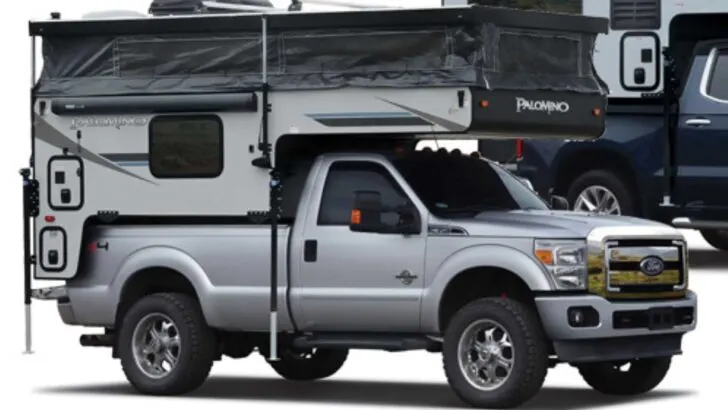
Section 3: Types of Truck Campers Suitable for 3/4 Ton Short Beds
Several types of truck campers are suitable for 3/4 ton short beds, each with its own advantages and disadvantages:
- Pop-Up Campers: These campers have a collapsible roof, offering lower weight and better aerodynamics when traveling. They are generally lighter than hard-side campers, making them a good option for maximizing payload capacity. However, they offer less insulation and can be more challenging to set up in inclement weather.
- Hard-Side Campers: These campers have rigid walls and roofs, providing better insulation, security, and weather protection. They typically offer more amenities than pop-up campers, but they are also heavier and more expensive.
- Flatbed Campers: These campers require replacing the truck bed with a flatbed platform. This allows for more efficient use of space and often results in a more stable and balanced load. However, it's a more involved and costly modification.
Practical Advice: Consider your typical camping style and climate. If you frequently camp in cold weather, a hard-side camper with good insulation is essential. If you prioritize off-road capability and weight savings, a pop-up camper might be a better choice.
Section 4: Essential Features and Amenities
The features you need will depend on your camping style and budget. Here are some key considerations:
- Sleeping Capacity: How many people will you be traveling with? Ensure the camper has enough sleeping space for everyone.
- Kitchen: Look for a camper with a functional kitchen, including a stove, sink, and refrigerator. Consider the size of the refrigerator and the type of stove (propane, electric, or induction).
- Bathroom: A wet bath (toilet and shower combined) can be a valuable amenity, especially for longer trips. However, it adds weight and takes up space.
- Storage: Adequate storage is essential for keeping your gear organized. Look for campers with ample cabinets, drawers, and exterior storage compartments.
- Power System: Consider the camper's power system, including battery capacity, solar panels, and generator options. Determine your power needs based on the appliances and electronics you plan to use.
- Water System: Check the size of the fresh water and gray water tanks. Consider a system for filtering drinking water.
- Heating and Cooling: A furnace and air conditioner can significantly improve comfort in extreme weather conditions.
Section 5: Weight Management and Suspension Upgrades
As mentioned earlier, weight is critical. Here's how to manage it effectively:
- Choose a Lightweight Camper: Prioritize lightweight materials and construction.
- Pack Light: Be mindful of everything you bring and eliminate unnecessary items.
- Distribute Weight Evenly: Load heavy items low and centered in the camper.
- Consider Suspension Upgrades: Airbags, upgraded leaf springs, and sway bars can improve stability and handling.
- Monitor Tire Pressure: Maintain proper tire pressure for optimal performance and safety.
Practical Advice: Invest in a portable scale to weigh your camper and gear. This allows you to accurately track your weight and make adjustments as needed.
Section 6: Finding the Right Fit: Research and Test Fit
Don't just rely on brochures and online reviews. Take the time to thoroughly research different camper models and, if possible, test fit them on your truck.
- Online Research: Read reviews, watch videos, and compare specifications.
- Visit Dealerships: Talk to experienced sales representatives and ask questions.
- Test Fit: Ask the dealer to test fit the camper on your truck. This allows you to assess the fit, clearance, and weight distribution.
- Rent Before You Buy: Consider renting a similar camper for a weekend to experience the lifestyle before making a significant investment.
Section 7: Budgeting and Financing
Truck campers can range in price from a few thousand dollars to over $100,000. Establish a realistic budget and explore financing options if needed.
- New vs. Used: Consider buying a used camper to save money.
- Financing Options: Explore loans and other financing options.
- Insurance: Obtain appropriate insurance coverage for your camper.
- Maintenance Costs: Factor in ongoing maintenance costs, such as servicing the appliances, replacing tires, and repairing any damage.
Section 8: Maintaining Your Truck Camper
Proper maintenance is essential for keeping your truck camper in good condition and extending its lifespan.
- Regular Cleaning: Clean the interior and exterior regularly.
- Seal Inspection: Inspect seals and caulking for leaks.
- Appliance Maintenance: Service the appliances according to the manufacturer's instructions.
- Winterization: Winterize the camper properly to prevent damage from freezing temperatures.
Conclusion: Embracing the Truck Camper Lifestyle
Choosing the best truck camper for your 3/4 ton short bed requires careful planning and consideration. By understanding your truck's capabilities, prioritizing weight management, and researching different camper models, you can find the perfect setup for your adventures. With the right camper, you'll be ready to explore the open road and create unforgettable memories. The key is to be realistic about your needs and budget, and to prioritize safety and functionality. Happy camping!
Truck Camper Price Table
| Camper Model | Type | Truck Bed Compatibility | Estimated Weight (lbs) | Key Features | Estimated Price (USD) |
|---|---|---|---|---|---|
| Adventurer 80RB | Hard-Side | Short Bed | 1817 | Wet Bath, Kitchenette, Dinette, Queen Bed | $35,000 - $45,000 |
| Bundutec USA BunduCamp | Hard-Side | Short Bed | 1580 | Pop-Top, Kitchenette, Dinette, Sleeping for Two | $30,000 - $40,000 |
| Four Wheel Campers Fleet Model | Pop-Up | Short Bed | 1295 | Queen Bed, Dinette, Sink, Optional Refrigerator | $25,000 - $35,000 |
| Hallmark Milner 6.5 | Hard-Side | Short Bed | 1600 | Wet Bath, Kitchenette, Dinette, Queen Bed | $40,000 - $50,000 |
| Lance 650 | Hard-Side | Short Bed | 1700 | Wet Bath, Kitchenette, Dinette, Queen Bed, Lightweight Construction | $40,000 - $55,000 |
| Capri Camper Cowboy | Shell | Short Bed | 900 | Basic Shell, Customizable Interior, Lightweight, Affordable | $10,000 - $15,000 |
| Northstar TC650 | Pop-Up | Short Bed | 1685 | Wet Bath, Kitchenette, Dinette, Queen Bed, Low Profile | $38,000 - $48,000 |
Disclaimer: Prices are estimates and can vary depending on options, dealer markups, and location. Weight is based on base models and can increase with added options. Always verify specifications with the manufacturer.
Frequently Asked Questions (FAQ)
-
Q: Will a truck camper void my truck's warranty?
- A: Not necessarily. However, exceeding your truck's GVWR or GAWR could potentially void certain warranty claims related to suspension, axles, or other components affected by the overload. Consult your truck's warranty documentation and speak with your dealer for clarification.
-
Q: Do I need to register my truck camper separately?
- A: Registration requirements vary by state. Some states require separate registration for truck campers, while others do not. Check with your local Department of Motor Vehicles (DMV) for specific regulations.
-
Q: How do I secure a truck camper to my truck bed?
- A: Truck campers are typically secured to the truck bed using tie-downs that attach to the truck's frame or bed. Common tie-down systems include Happijac and Torklift. Ensure the tie-downs are properly installed and tightened to prevent the camper from shifting during travel.
-
Q: What is the best way to level my truck camper?
- A: Use leveling blocks or ramps under the tires to level the camper. A bubble level or electronic level can help you determine when the camper is level.
-
Q: How do I dispose of gray water?
- A: Gray water should be disposed of at designated dump stations. Never dump gray water on the ground, as it can contaminate water sources and harm the environment.
-
Q: Can I use a generator with my truck camper?
- A: Yes, but ensure the generator is properly ventilated and operated in a safe location away from flammable materials. Consider a quiet inverter generator to minimize noise pollution.
-
Q: What kind of maintenance is required for a truck camper?
- A: Regular maintenance includes cleaning, inspecting seals and caulking, servicing appliances, winterizing the camper, and checking the tie-down system.
-
Q: Are truck campers safe in windy conditions?
- A: Truck campers can be susceptible to wind, especially pop-up models. Park in sheltered areas when possible and consider using stabilizers to improve stability.
-
Q: How do I find truck camper-friendly campgrounds?
- A: Use online resources like Campground Reviews, Allstays, and Recreation.gov to find campgrounds that can accommodate truck campers. Check for site size limitations and weight restrictions.