Choosing the right box truck can be a pivotal decision, impacting everything from your business's efficiency and profitability to your daily driving experience. Whether you're launching a moving company, starting a delivery service, or expanding your existing fleet, selecting the optimal box truck requires careful consideration of your specific needs and budget. This comprehensive guide will walk you through the key factors to consider, exploring different types of box trucks, highlighting top contenders, and offering practical advice to help you make an informed decision.
Introduction: Defining "Best" and Its Importance
What's the Best Box Truck to Buy? A Comprehensive Guide
The "best" box truck isn't a one-size-fits-all answer. It depends entirely on your unique requirements. Factors like the type of cargo you'll be hauling, the distances you'll be covering, your budget, and your business's growth projections all play a crucial role. Investing in a box truck that's too small can limit your capacity and force you to make multiple trips, while purchasing a truck that's too large can lead to wasted fuel and unnecessary expenses. A well-chosen box truck can significantly streamline your operations, reduce costs, and ultimately contribute to the success of your business. Therefore, understanding your specific needs and matching them to the right truck is paramount.
Section 1: Understanding Your Needs: The Foundation of Your Decision
Before you even start looking at specific models, you need to conduct a thorough assessment of your business needs. This involves answering critical questions like:
- What type of cargo will you be hauling? Consider the weight, dimensions, and sensitivity of your typical loads. Will you be transporting furniture, electronics, perishable goods, or something else entirely? This will influence the required cargo space, payload capacity, and any necessary specialized features like refrigeration units or liftgates.
- What distances will you be traveling? Short, local deliveries will have different requirements than long-haul interstate routes. Consider fuel efficiency, driver comfort, and the availability of maintenance and repair services along your typical routes.
- What's your budget? This includes the initial purchase price, as well as ongoing costs like fuel, maintenance, insurance, and registration. Don't forget to factor in potential financing options and their associated interest rates.
- What are your future growth plans? Choosing a truck that can accommodate your anticipated growth is crucial. Consider whether you'll need to increase your cargo capacity in the coming years.
- What are the legal requirements? Regulations vary by state and municipality. Research licensing, registration, and emission standards to ensure compliance.

Section 2: Types of Box Trucks: A Breakdown of Options
Box trucks are generally categorized by their Gross Vehicle Weight Rating (GVWR), which determines the weight of the truck plus its maximum payload. This is a crucial factor in determining licensing requirements and operational limitations. Here's a breakdown of common types:
- Class 3-4 (Light Duty): These trucks typically have a GVWR of 10,001-16,000 lbs. They're often used for smaller deliveries and local moves. Examples include modified versions of vans with extended cargo boxes.
- Class 5-6 (Medium Duty): These trucks have a GVWR of 16,001-26,000 lbs. They offer a good balance of cargo capacity and maneuverability, making them suitable for a wide range of applications, including moving, delivery, and construction.
- Class 7 (Heavy Duty): These trucks have a GVWR of 26,001-33,000 lbs. They are designed for heavy-duty hauling and long-distance transport. They offer the highest cargo capacity but may require a Commercial Driver's License (CDL) depending on state regulations.

Beyond GVWR, consider these variations:
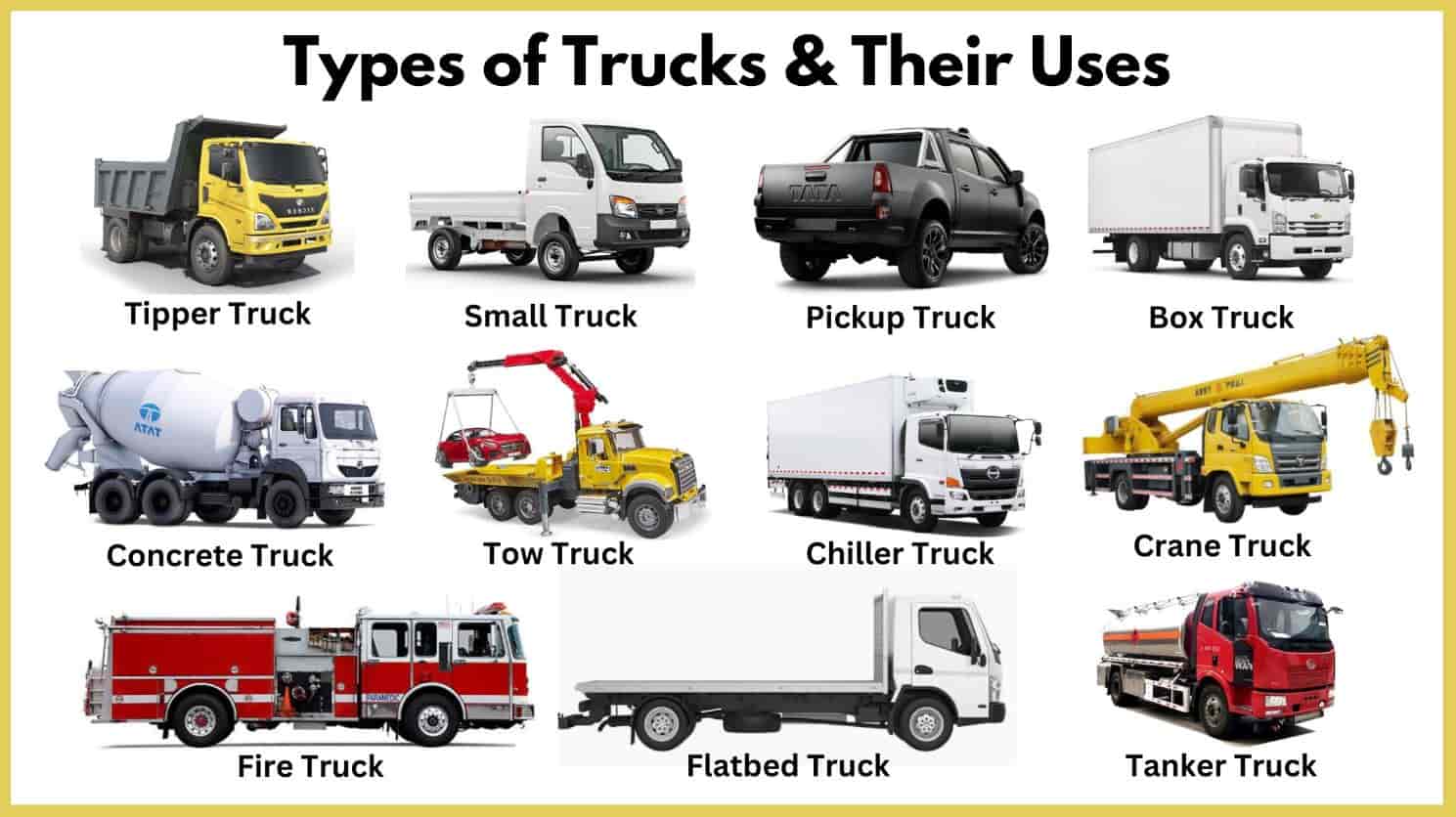
- Standard Box Trucks: Enclosed cargo area with a roll-up or swing-out rear door.
- Refrigerated Box Trucks (Reefers): Equipped with refrigeration units to maintain specific temperatures for perishable goods.
- Liftgate Box Trucks: Feature a hydraulic liftgate to assist with loading and unloading heavy items.
Section 3: Top Contenders: A Look at Popular Models
While specific models change from year to year, some manufacturers consistently produce reliable and popular box trucks. Here are a few examples (remember to check current models and specifications):
- Ford Transit: A versatile option for smaller businesses, offering good fuel economy and a comfortable ride. Often used as a chassis for lighter-duty box truck conversions.
- Ram ProMaster: Similar to the Ford Transit, the ProMaster offers good maneuverability and a relatively low step-in height for easy loading.
- Isuzu N-Series: Known for their reliability and durability, Isuzu N-Series trucks are a popular choice for medium-duty applications.
- Freightliner Sprinter: A premium option offering a refined driving experience and advanced safety features.
- Chevrolet Low Cab Forward (LCF): Another reliable medium-duty option, offering good maneuverability and a variety of configurations.
Section 4: Key Features and Considerations: Beyond the Basics
Beyond the core specifications, consider these features:
- Engine Type: Diesel engines generally offer better fuel economy and longevity for heavy-duty applications, while gasoline engines may be more suitable for lighter loads and shorter distances.
- Transmission: Automatic transmissions are generally easier to operate, while manual transmissions can offer better fuel efficiency and control.
- Suspension: A smooth and comfortable ride is essential for driver fatigue and cargo protection. Consider air suspension for delicate loads.
- Safety Features: Look for features like anti-lock brakes (ABS), electronic stability control (ESC), and lane departure warning systems.
- Maintenance Costs: Research the typical maintenance costs for different models, including parts availability and service intervals.
- Resale Value: Consider the potential resale value of the truck when making your purchase.
Section 5: New vs. Used: Weighing the Pros and Cons
Choosing between a new and used box truck involves weighing the benefits and drawbacks of each option:
- New Box Trucks:
- Pros: Latest technology, full warranty, customizable options, lower maintenance costs (initially).
- Cons: Higher initial cost, depreciation.
- Used Box Trucks:
- Pros: Lower initial cost, less depreciation.
- Cons: Potential for higher maintenance costs, limited warranty (or no warranty), older technology, potentially higher mileage.
If considering a used truck, have it thoroughly inspected by a qualified mechanic before making a purchase. Pay close attention to the engine, transmission, brakes, and suspension.
Section 6: Financing and Insurance: Planning Your Investment
Financing options for box trucks include:
- Bank Loans: Offer competitive interest rates but may require a strong credit history.
- Equipment Financing: Specifically designed for commercial vehicles, often with flexible terms.
- Leasing: Can be a good option for short-term needs, but you won't own the truck at the end of the lease.
Insurance is essential for protecting your investment and covering potential liabilities. Consult with a commercial insurance broker to obtain the appropriate coverage for your specific needs.
Section 7: Practical Tips and Actionable Insights
- Test Drive Multiple Models: Don't just rely on specifications. Get behind the wheel of several different trucks to see which one feels best for you.
- Talk to Other Business Owners: Seek advice from other business owners in your industry who use box trucks.
- Negotiate the Price: Don't be afraid to negotiate with the dealer or seller to get the best possible price.
- Consider Upfitting Options: Explore options like shelving, ramps, and tie-down straps to customize your truck for your specific needs.
- Develop a Maintenance Plan: Regular maintenance is crucial for extending the life of your box truck and preventing costly repairs.
Section 8: Potential Challenges and Solutions
- Finding the Right Truck: Solution: Work with a reputable dealer or broker who understands your needs and can help you find the perfect match.
- High Costs: Solution: Explore financing options, consider a used truck, and carefully budget for ongoing expenses.
- Maintenance Issues: Solution: Develop a preventative maintenance plan, use high-quality parts, and find a reliable mechanic.
- Driver Shortage: Solution: Offer competitive wages and benefits, provide training opportunities, and create a positive work environment.
Table: Price and Key Features Comparison of Popular Box Trucks
| Truck Model | Estimated Price (New) | GVWR (lbs) | Typical Cargo Length (ft) | Engine Type | Key Features |
|---|---|---|---|---|---|
| Ford Transit Box Truck | $45,000 - $65,000 | 9,500 - 10,360 | 12 - 14 | Gasoline/Diesel | Fuel-efficient, Maneuverable, Available in multiple configurations |
| Ram ProMaster Box Truck | $42,000 - $60,000 | 8,550 - 9,350 | 10 - 13 | Gasoline | Front-wheel drive, Low loading floor, Spacious cargo area |
| Isuzu N-Series | $55,000 - $80,000 | 14,500 - 19,500 | 14 - 18 | Diesel | Durable, Reliable, Excellent turning radius |
| Freightliner Sprinter | $50,000 - $75,000 | 8,550 - 11,030 | 11 - 17 | Diesel/Gasoline | Premium features, Advanced safety technology, Comfortable ride |
| Chevy LCF | $60,000 - $85,000 | 14,250 - 19,500 | 14 - 20 | Gasoline/Diesel | Tilt cab for easy maintenance, Good visibility, Available in multiple configurations |
Note: Prices are estimates and can vary based on configuration, location, and dealer.
Frequently Asked Questions (FAQ)
- Q: Do I need a CDL to drive a box truck?
- A: It depends on the GVWR of the truck and your state's regulations. Generally, trucks with a GVWR of 26,001 lbs or more require a CDL.
- Q: How often should I service my box truck?
- A: Follow the manufacturer's recommended service intervals, but generally, you should perform regular oil changes, tire rotations, and brake inspections.
- Q: What's the best way to find a reliable mechanic for my box truck?
- A: Ask for recommendations from other business owners, check online reviews, and look for mechanics who specialize in commercial vehicles.
- Q: What's the difference between a roll-up door and a swing-out door on a box truck?
- A: Roll-up doors are more convenient for frequent loading and unloading in tight spaces, while swing-out doors offer a wider opening for larger items.
- Q: Can I install a liftgate on any box truck?
- A: Most box trucks can be retrofitted with a liftgate, but it's important to choose a liftgate that's compatible with the truck's GVWR and cargo capacity.
Conclusion: Making the Right Choice for Your Business
Choosing the "best" box truck is a process of careful evaluation and thoughtful decision-making. By understanding your business needs, exploring different truck types, considering key features, and weighing the pros and cons of new versus used options, you can make an informed decision that will contribute to the success of your business. Remember to prioritize safety, reliability, and long-term value. The right box truck is an investment in your business's future, and with careful planning, you can find the perfect vehicle to meet your specific needs. Good luck with your search!