Introduction: The Allure of "Free" on Four Wheels
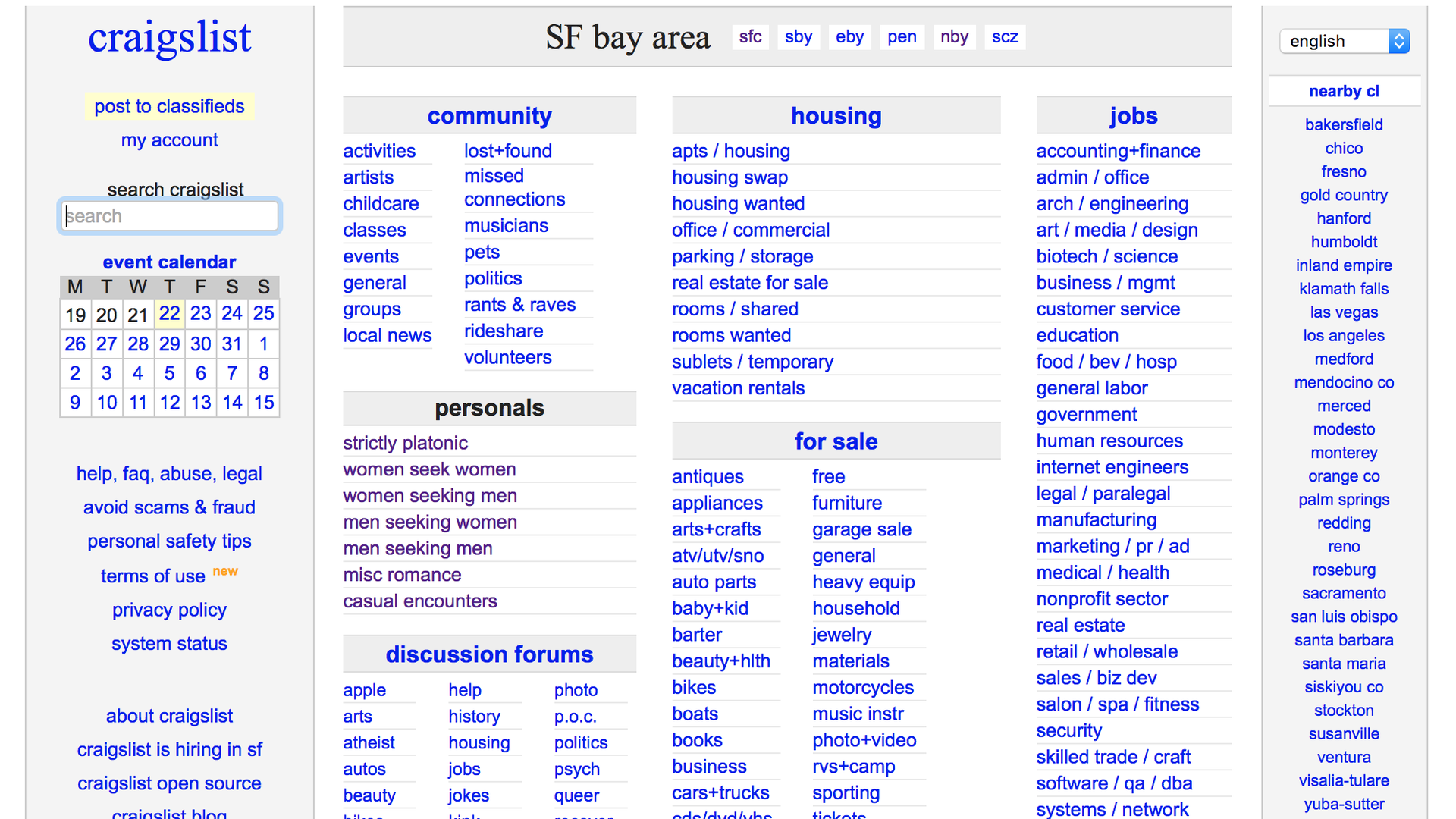
The words "free car" are enough to make anyone's ears perk up. The idea of acquiring a vehicle without spending a dime is incredibly appealing, especially when transportation costs are a significant burden for many. Craigslist, the internet's digital garage sale, often features listings under the "Free" section, and occasionally, amidst the furniture and unwanted appliances, you might stumble upon a listing for a "free car" or "free truck."
Craigslist Free Cars And Trucks: A Comprehensive Guide to Finding Automotive Treasures (and Avoiding Wrecks)
But before you start envisioning yourself cruising down the road in your newly acquired, no-cost ride, it's crucial to understand what "free" really means in this context. Finding a genuinely free, road-worthy vehicle on Craigslist is akin to finding a unicorn riding a bicycle. More often than not, these listings come with strings attached, ranging from minor inconveniences to significant repair costs or even outright scams. This article will serve as your comprehensive guide to navigating the world of "free cars and trucks" on Craigslist, helping you identify potential opportunities while equipping you with the knowledge to avoid common pitfalls. We'll delve into the reasons why vehicles are given away, the types of deals you might encounter, how to assess their value (or lack thereof), and the crucial steps you must take to ensure you're not getting a raw deal.
Section 1: Why are Cars and Trucks Listed for Free on Craigslist? The Motives Behind the Offer
Understanding the motivations behind a "free car" listing is the first step in determining whether it's worth pursuing. There are several reasons why someone might choose to give away a vehicle instead of selling it, and knowing these reasons can help you assess the potential risks and rewards.
-
Mechanical Problems: This is the most common reason. The car might have a blown engine, a faulty transmission, extensive rust, or a combination of expensive mechanical issues. The owner might simply not want to invest the money required for repairs and prefers to get rid of it rather than scrap it.

Cosmetic Damage: Significant body damage from an accident, severe rust, or a completely faded paint job can make a car difficult to sell. The owner might deem it more hassle than it's worth to fix the cosmetic issues.
-
Moving or Relocation: In some cases, people moving to a new city or country might find it easier to give away a car than to transport it. This is especially true for older, less valuable vehicles.
-
Lack of Space: Sometimes, people inherit a car or simply have too many vehicles and need to free up space in their driveway or garage.
-
End of Life Cycle: The car may be nearing the end of its lifespan, with various components failing and requiring constant repairs. The owner might be tired of the ongoing maintenance and simply want to get rid of it.
-
"Free with Conditions": This is a common tactic. The car isn't truly free; the "free" listing is used to attract attention. The actual deal might involve taking over payments, paying for back taxes, or agreeing to remove the vehicle from a specific location.
-
Scams: Unfortunately, scams are prevalent on Craigslist. Some listings might be completely fraudulent, designed to collect personal information or lure unsuspecting individuals into dangerous situations.

Section 2: Types of "Free Car" Deals You Might Encounter on Craigslist
Not all "free car" listings are created equal. Understanding the different types of deals you might encounter will help you narrow your search and avoid wasting time on unsuitable offers.
-
The "Take Over Payments" Deal: This isn't technically free. You're taking over the existing loan on the vehicle, which means you'll be responsible for making the remaining payments. Carefully evaluate the loan terms (interest rate, remaining balance, etc.) to determine if it's a good deal.
-
The "Pay the Back Taxes/Registration Fees" Deal: The car might be free to take, but you'll need to pay any outstanding taxes, registration fees, and penalties before you can legally drive it. Contact your local DMV to determine the exact amount owed.
-
The "As-Is, Where-Is" Deal: This is the most common type of "free car" deal. The car is offered in its current condition, and you're responsible for transporting it from its current location. Expect mechanical issues and potential repair costs.
-
The "Clean it Out" Deal: The car might be free if you clean out all the trash or personal belongings left inside.
-
The "Mechanic's Special" Deal: This implies that the car requires significant mechanical work to be roadworthy. Be prepared to invest time and money in repairs.
-
The "Genuine Free Car" Deal: These are rare, but they do exist. The owner might be genuinely motivated to give away a working vehicle for personal reasons.
Section 3: Assessing the Value (or Lack Thereof) of a "Free" Vehicle
Before you commit to taking a "free" car, it's essential to assess its true value. This involves more than just looking at the sticker price (which, in this case, is zero).
-
Thorough Inspection: Inspect the car thoroughly, both inside and out. Look for signs of rust, damage, and wear and tear. Check the engine, transmission, brakes, and other critical components. If you're not mechanically inclined, consider bringing a trusted mechanic to perform an inspection.
-
Check the VIN: Run the Vehicle Identification Number (VIN) through a service like Carfax or AutoCheck to check for accidents, title issues (salvage title, flood damage), and other potential problems.
-
Estimate Repair Costs: Get estimates from reputable mechanics for any necessary repairs. Factor these costs into your decision. It might be cheaper to buy a used car in better condition than to repair a "free" car with extensive problems.
-
Consider Transportation Costs: If the car is not drivable, you'll need to factor in the cost of towing or transporting it to your location.
-
Factor in Time and Effort: Repairing a "free" car can be time-consuming and require significant effort. Consider whether you have the time, skills, and resources to tackle the project.
Section 4: Essential Steps Before Taking Possession
Once you've assessed the value of the vehicle and decided to proceed, take these essential steps before taking possession.
-
Meet in a Public Place: Never meet the seller at their home or a secluded location. Choose a well-lit public place, such as a shopping center parking lot.
-
Bring a Friend: It's always a good idea to bring a friend or family member with you for safety and to provide a second opinion.
-
Request the Ensure the seller has the title to the vehicle and that it's free of any liens or encumbrances. Verify that the VIN on the title matches the VIN on the car.
-
Bill of Sale: Obtain a signed bill of sale from the seller, including the date, price (even if it's $0), VIN, and the names and addresses of both parties.
-
Release of Liability: Have the seller sign a release of liability, stating that they are no longer responsible for the vehicle once you take possession.
-
Secure Transportation: Arrange for transportation of the vehicle if it's not drivable.
-
Transfer the Title and Registration: Immediately transfer the title and registration to your name at your local DMV.
Section 5: Common Scams and How to Avoid Them
Craigslist is notorious for scams, and "free car" listings are a common target. Here are some common scams and how to avoid them:
-
The "Bait and Switch": The seller advertises a "free car" but then tries to sell you a different, more expensive vehicle when you arrive.
-
The "Advance Fee" Scam: The seller asks for an upfront payment for shipping, handling, or other fees before you can see the car. Never send money to someone you haven't met in person.
-
The "Stolen Vehicle": The seller doesn't have the title to the car, and it might be stolen. Always verify the title and VIN before taking possession.
-
The "Fake Email" Scam: You receive an email claiming to be from Craigslist, offering you a "free car" if you click on a link and provide your personal information. These emails are often phishing scams designed to steal your identity.
Tips to Avoid Scams:
- Trust Your Gut: If something seems too good to be true, it probably is.
- Never Send Money Upfront: Never send money to someone you haven't met in person, especially through untraceable methods like wire transfers or gift cards.
- Verify Information: Verify all information provided by the seller, including the VIN, title, and contact information.
- Report Suspicious Listings: If you encounter a suspicious listing, report it to Craigslist.
Section 6: The Ethical Considerations: "Free" as a Responsible Choice
Beyond the mechanics and logistics, consider the ethical implications of taking a "free" vehicle.
- Is it truly a need, or a want? If you already have reliable transportation, consider if taking a "free" vehicle is preventing someone else with a greater need from benefiting.
- Will you be responsible with it? If you acquire a free vehicle, commit to maintaining it and using it responsibly.
- Consider donating if it doesn't work out. If you find the car is not suitable for your needs after acquiring it, consider donating it to a charity or organization that can use it or sell it for funds.
Section 7: Alternatives to Craigslist "Free Cars"
If you're struggling to find a suitable "free car" on Craigslist, consider these alternative options:
- Charity Car Donations: Many charities accept car donations, which can provide a tax deduction and help a good cause.
- Family and Friends: Ask family and friends if they have any vehicles they're willing to sell or give away.
- Used Car Dealerships: Explore used car dealerships for affordable options.
- Public Auctions: Government and police auctions often feature used vehicles at discounted prices.
Table: Craigslist Free Cars And Trucks: Key Information at a Glance
| Feature | Description | Considerations | Potential Risks |
|---|---|---|---|
| Definition | Vehicles listed as "free" on Craigslist, often requiring some form of commitment or carrying significant repair needs. | "Free" rarely means completely free; investigate conditions carefully. | Unexpected repair costs, scams, title issues, safety hazards. |
| Common Reasons Offered | Mechanical problems, cosmetic damage, relocation, lack of space, end of life cycle, "free with conditions." | Evaluate the seller's motivation to assess potential hidden problems. | Significant repair needs, hidden damage, incomplete or inaccurate information. |
| Types of Deals | Take over payments, pay back taxes, as-is/where-is, clean it out, mechanic's special, genuine free car. | Understand the specific terms and conditions of each type of deal. | Unexpected financial obligations, transportation difficulties, significant time investment. |
| Assessing Value | Thorough inspection, VIN check, estimate repair costs, consider transportation costs, factor in time and effort. | Be realistic about your ability to handle repairs and potential issues. | Overestimating your capabilities, underestimating repair costs, ending up with an unusable vehicle. |
| Essential Steps | Meet in a public place, bring a friend, request the title, bill of sale, release of liability, secure transportation, transfer title. | Protect yourself from scams and legal issues by following these steps carefully. | Becoming a victim of fraud, acquiring a stolen vehicle, facing legal consequences. |
| Common Scams | Bait and switch, advance fee, stolen vehicle, fake email. | Be wary of deals that seem too good to be true, never send money upfront, verify all information. | Financial loss, identity theft, legal trouble, personal safety risks. |
| Alternatives | Charity car donations, family/friends, used car dealerships, public auctions. | Explore other options if you can't find a suitable "free car" on Craigslist. | May require more financial investment but can offer greater reliability and peace of mind. |
| Ethical Considerations | Is it a need or want? Will you be responsible? Consider donating if it doesn't work out. | Reflect on your intentions and the potential impact on others. | Contributing to waste or overburdening resources if the vehicle is not used responsibly. |
Frequently Asked Questions (FAQ)
-
Q: Are there really any truly free cars on Craigslist?
A: Yes, but they are rare. Most "free car" listings come with conditions or require significant repairs.
-
Q: How can I tell if a "free car" listing is a scam?
A: Be wary of deals that seem too good to be true, never send money upfront, and verify all information provided by the seller.
-
Q: What should I do if the seller doesn't have the title to the car?
A: Do not take the car. The seller must have the title to legally transfer ownership.
-
Q: Can I get a "free car" inspected by a mechanic before taking it?
A: Yes, you should always have a "free car" inspected by a mechanic before taking possession, if possible.
-
Q: What are the tax implications of receiving a "free car"?
A: The tax implications of receiving a "free car" can be complex and depend on the specific circumstances. Consult with a tax professional for advice.
-
Q: What if the car breaks down soon after I get it?
A: "Free cars" are typically sold "as-is," meaning the seller is not responsible for any repairs after the sale. Be prepared to handle any necessary repairs yourself.
Conclusion: Proceed with Caution and Realistic Expectations
The allure of a "free car" on Craigslist is undeniable. However, approaching these listings with caution and realistic expectations is paramount. Thoroughly investigate the vehicle, assess its true value, and protect yourself from scams. While finding a genuinely free, road-worthy car is rare, with careful research and a healthy dose of skepticism, you might just find a diamond in the rough. Remember, a "free" car is only a good deal if the long-term costs and risks are manageable. If the potential repairs and headaches outweigh the initial savings, it's best to walk away and explore other transportation options. In the end, the most valuable car is the one that provides safe, reliable, and affordable transportation.