Figuring out the worth of your semi-truck can feel like navigating a complex highway system. There are many factors to consider, from mileage and maintenance to the current market demands. Whether you're looking to sell, trade-in, refinance, or simply understand your asset's value, knowing how much your semi-truck is worth is crucial. This comprehensive guide will break down the process, equipping you with the knowledge and tools to accurately assess your truck's value.
Why Knowing Your Truck's Value Matters
How Much Is My Semi Truck Worth? A Comprehensive Guide to Valuation
Understanding the value of your semi-truck is essential for various reasons:
- Selling: Setting the right price is key to a successful sale. Too high, and you'll scare away potential buyers. Too low, and you'll leave money on the table.
- Trading-In: Dealerships will assess your truck's value when considering a trade-in. Knowing your truck's worth beforehand gives you leverage during negotiations.
- Financing/Refinancing: Lenders use your truck's value to determine loan amounts and interest rates. An accurate valuation can help you secure favorable terms.
- Insurance: In case of an accident or theft, your insurance company will need to determine the truck's value to provide compensation.
- Business Planning: Tracking the depreciation of your truck is essential for accurate financial planning and tax purposes.
- Peace of Mind: Simply knowing the value of your major assets can provide a sense of security and control.
Factors Influencing Your Semi-Truck's Value
Several key factors contribute to the overall value of your semi-truck. These can be broadly categorized as follows:
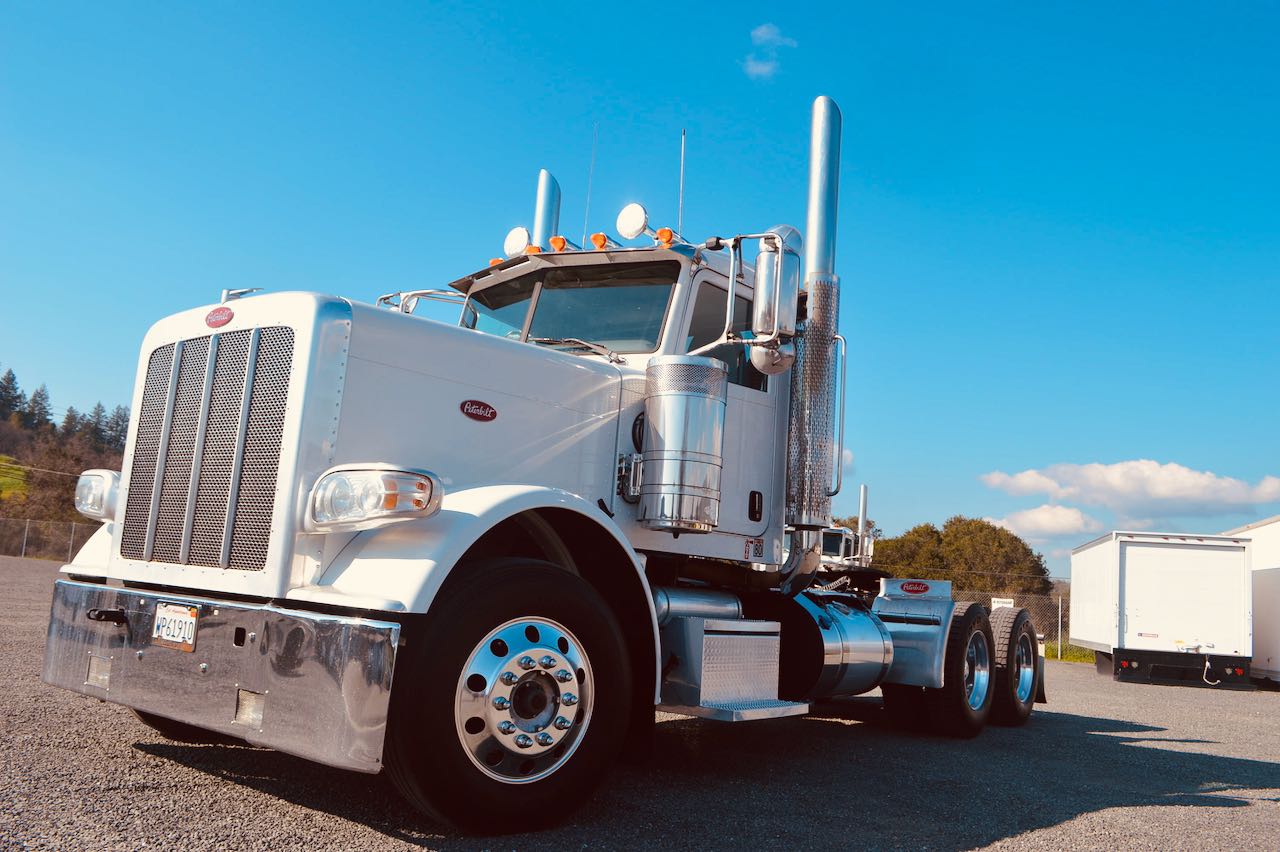
- Year, Make, and Model: Newer trucks generally command higher prices than older models. Certain makes and models are also known for their reliability and resale value, impacting their worth.
- Mileage: Lower mileage typically translates to higher value. High mileage indicates more wear and tear, potentially leading to increased maintenance costs for the buyer.
- Engine: The type and condition of the engine are critical. Factors include horsepower, fuel efficiency, and overall performance. A well-maintained engine adds significant value.
- Transmission: Automatic or manual transmissions can influence value, depending on buyer preferences. The transmission's condition and any recent repairs are also important.
- Condition (Interior and Exterior): A well-maintained and clean truck, both inside and out, will fetch a higher price. Dents, scratches, rust, and interior wear all detract from the value.
- Maintenance Records: Having detailed maintenance records demonstrating regular servicing and repairs significantly boosts buyer confidence and increases the truck's value.
- Tires: The condition and age of the tires are crucial. Worn or mismatched tires will need replacing, adding to the buyer's initial costs.
- Features and Upgrades: Additional features like APUs (Auxiliary Power Units), upgraded seats, advanced safety systems, and electronic logging devices (ELDs) can increase the truck's value.
- Location: Market conditions and demand vary by region. Trucks in high-demand areas may command higher prices.
- Market Conditions: The overall state of the trucking industry, including freight rates and demand for trucks, significantly impacts resale values.

Methods for Determining Your Semi-Truck's Value
There are several methods you can use to estimate your semi-truck's value. Each has its pros and cons, so it's best to use a combination of approaches.
-
Online Valuation Tools:
- Description: Many websites offer online valuation tools specifically for commercial trucks. These tools typically ask for information about your truck's year, make, model, mileage, and condition.
- Pros: Quick, convenient, and provides a general estimate.
- Cons: May not be entirely accurate due to limitations in assessing the truck's specific condition and features. Popular options include Truck Blue Book, Commercial Truck Trader's Price Guide, and similar industry-specific platforms.
- Actionable Insight: Use multiple online tools to get a range of estimates, rather than relying on a single source.
-
Reviewing Comparable Listings:
- Description: Search online marketplaces like Commercial Truck Trader, Truck Paper, and Craigslist for similar trucks for sale in your area.
- Pros: Provides a realistic view of current market prices for comparable trucks.
- Cons: Requires time and effort to find truly comparable listings. The advertised price may not reflect the actual selling price.
- Actionable Insight: Pay close attention to the details of the listings you're comparing, such as mileage, engine type, and features. Adjust your truck's value accordingly.
-
Consulting with a Truck Appraiser:
- Description: A professional truck appraiser will physically inspect your truck and provide a detailed valuation based on its condition, features, and market conditions.
- Pros: Provides the most accurate and objective valuation.
- Cons: Can be more expensive than other methods.
- Actionable Insight: Choose an appraiser with experience in the commercial truck market and a strong reputation for accuracy.
-
Contacting a Truck Dealer:
- Description: Talk to a truck dealer about trading in your truck or selling it outright. They can provide an estimate of its value based on their experience and current market conditions.
- Pros: Can be a convenient way to get a quick estimate.
- Cons: Dealers may offer a lower price than you could get selling privately.
- Actionable Insight: Get quotes from multiple dealers to compare their offers.
Preparing Your Truck for Valuation
Regardless of the method you choose, preparing your truck can significantly impact its perceived value.
- Clean Thoroughly: Wash the exterior and detail the interior. A clean truck creates a positive first impression.
- Address Minor Repairs: Fix any minor issues, such as cracked mirrors, loose trim, or burnt-out light bulbs.
- Gather Maintenance Records: Organize all maintenance records, including service invoices and repair receipts.
- Take High-Quality Photos: If selling online, take clear and well-lit photos of your truck's exterior, interior, engine, and tires.
Potential Challenges and Solutions
- Overestimating Value: It's easy to be emotionally attached to your truck and overestimate its value. Be realistic and objective when assessing its condition and market value. Solution: Use multiple valuation methods and consult with professionals.
- Fluctuating Market Conditions: The market for semi-trucks can be volatile. Values can change quickly depending on economic conditions and freight rates. Solution: Stay informed about market trends and adjust your price accordingly.
- Difficulty Finding Comparable Listings: It can be challenging to find truly comparable listings, especially for older or less common models. Solution: Expand your search radius and consider similar models with comparable features.
Frequently Asked Questions (FAQ)
- Q: How often should I get my semi-truck appraised?
- A: It's a good idea to get your truck appraised annually, especially if you're planning to sell, trade-in, or refinance.
- Q: Does the brand of engine matter when determining value?
- A: Yes, engine brands like Cummins, Detroit Diesel, and Caterpillar are known for their reliability and performance, impacting the truck's value.
- Q: What is the impact of an APU (Auxiliary Power Unit) on truck value?
- A: APUs can significantly increase the value of your truck as they offer fuel savings and driver comfort, making the truck more attractive to buyers.
- Q: How do electronic logging devices (ELDs) affect value?
- A: ELDs are now mandatory, so having a compliant and well-integrated ELD system is expected. While not a huge value-add, a lack of one can detract from the value.
- Q: Is it better to sell my truck privately or trade it in?
- A: Selling privately typically yields a higher price, but it requires more effort. Trading in is more convenient but usually results in a lower value.
Table: Factors Influencing Semi-Truck Value
| Factor | Description | Impact on Value | How to Maximize Value |
|---|---|---|---|
| Year, Make, Model | Newer, reputable brands generally hold higher value. | High | Research popular and reliable models. |
| Mileage | Lower mileage indicates less wear and tear. | High | Maintain regular maintenance and avoid excessive idling. |
| Engine | Engine type, horsepower, and condition are crucial. | High | Keep engine well-maintained with regular servicing. |
| Transmission | Automatic or manual preference varies; condition matters. | Medium | Ensure transmission is in good working order. |
| Condition | Interior and exterior appearance significantly affect value. | High | Keep truck clean, address minor repairs, and prevent rust. |
| Maintenance | Detailed records demonstrate care and reliability. | High | Maintain thorough and accurate maintenance records. |
| Tires | Condition and age of tires are essential. | Medium | Replace worn tires with quality replacements. |
| Features | APUs, upgraded seats, safety systems add value. | Medium | Install desirable features that enhance comfort and efficiency. |
| Location | Market conditions vary by region. | Medium | Consider selling in areas with high demand for your truck type. |
| Market | Economic conditions and freight rates influence demand. | High | Time your sale to coincide with favorable market conditions. |
Conclusion
Determining the value of your semi-truck is a multifaceted process that requires careful consideration of various factors. By using a combination of valuation methods, preparing your truck for appraisal, and staying informed about market conditions, you can confidently assess its worth and make informed decisions, whether you're selling, trading-in, or simply understanding your asset's value. Remember that accurate valuation is key to maximizing your return and achieving your financial goals in the trucking industry.