For long-haul truckers, the sleeper cab is more than just a place to rest; it's a home away from home. It's a sanctuary where they can recharge, prepare meals, and maintain a semblance of normalcy while traversing vast distances. But when that home also needs to accommodate a toilet, the design and layout of the sleeper cab become incredibly crucial. This article delves into the intricacies of "Toilet Truck Sleeper Cab Layout," exploring the various aspects of creating a comfortable, functional, and hygienic space for drivers on the road.
Introduction: The Necessity of Toilet Facilities in Sleeper Cabs
Toilet Truck Sleeper Cab Layout: A Comprehensive Guide to Comfort and Functionality on the Road
Traditionally, sleeper cabs have focused on providing a sleeping area, storage, and perhaps a small entertainment system. However, the increasing demand for driver comfort, health, and well-being, coupled with stricter regulations regarding rest stops and sanitation, has led to the rise of toilet-equipped sleeper cabs.
A toilet within the sleeper cab offers numerous advantages:
- Improved Hygiene: Eliminates the need to use potentially unsanitary public restrooms, reducing the risk of infection and illness.
- Increased Convenience: Provides immediate access to restroom facilities, especially during long hauls, night driving, or in areas with limited rest stops.
- Enhanced Driver Comfort: Reduces stress and anxiety associated with finding suitable restrooms, leading to a more relaxed and focused driver.
- Greater Independence: Allows drivers to operate more independently and efficiently, without being constrained by the availability of public facilities.
- Adherence to Regulations: Helps trucking companies comply with health and safety regulations related to driver sanitation and hygiene.
Understanding the Challenges of Integrating a Toilet
Integrating a toilet into a limited space presents unique design challenges. Key considerations include:
- Space Optimization: Sleeper cabs are inherently compact, requiring innovative solutions to maximize usable space while accommodating a toilet.
- Odor Control: Effective ventilation and waste management systems are essential to prevent unpleasant odors from permeating the cab.
- Hygiene and Sanitation: The design must facilitate easy cleaning and maintenance to ensure a hygienic environment.
- Water Supply and Waste Disposal: Efficient water storage and waste disposal systems are needed to manage water usage and prevent environmental contamination.
- Privacy: The layout should provide adequate privacy for the driver while using the toilet.
- Accessibility: The toilet should be easily accessible, even for drivers with limited mobility.
Key Components of a Toilet Truck Sleeper Cab Layout
A well-designed toilet truck sleeper cab typically includes the following components:
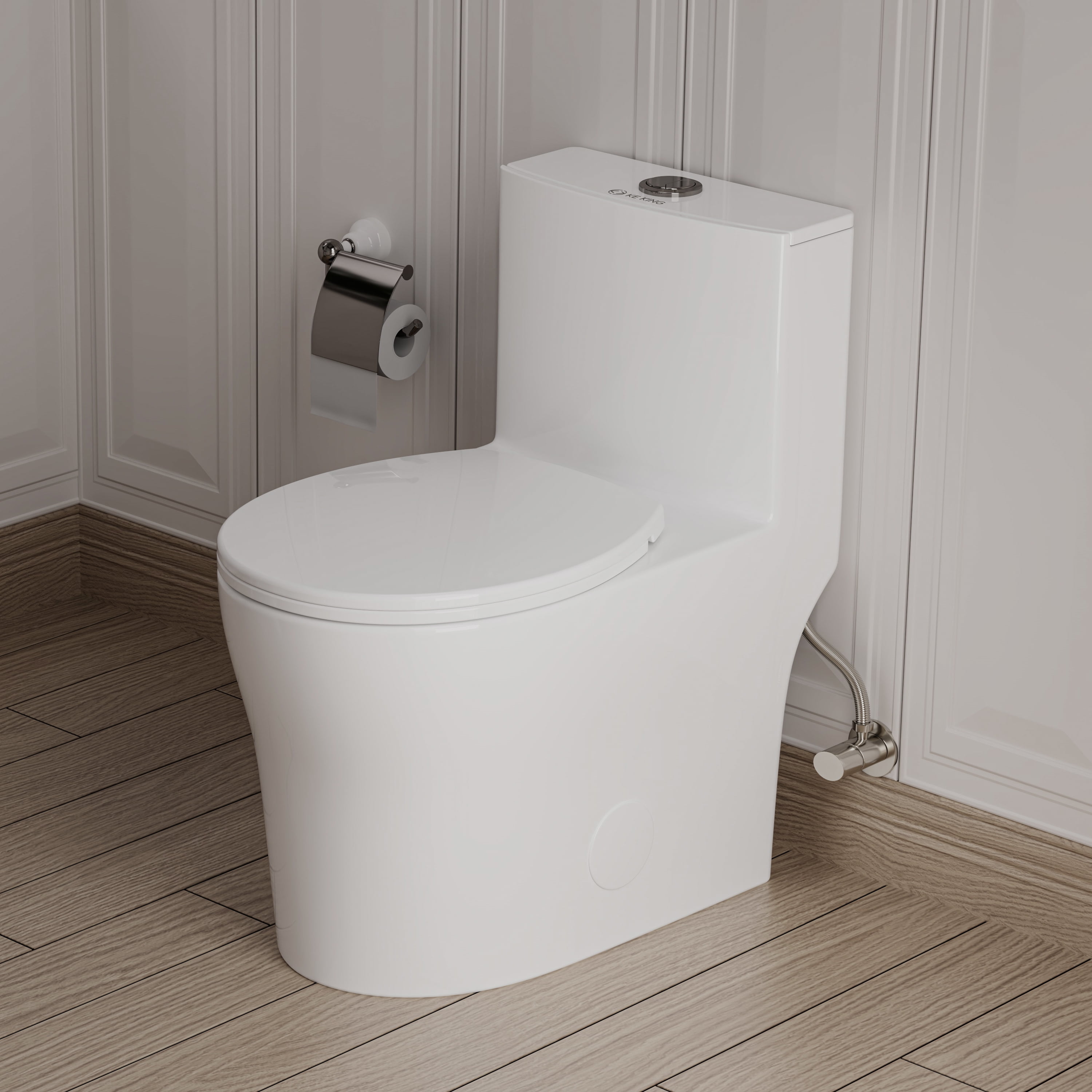
- Toilet Unit: This can range from a basic portable toilet to a more sophisticated composting or flushing toilet.
- Holding Tank: A tank for storing waste until it can be properly disposed of.
- Water Tank (for flushing toilets): A tank for storing fresh water used for flushing.
- Ventilation System: A fan or vent to extract odors and maintain air quality.
- Partition or Screen: A barrier to provide privacy during toilet use.
- Washbasin and Hand Sanitizer: A small sink or hand sanitizer dispenser for hand hygiene.
- Storage Compartments: Designated areas for storing toilet paper, cleaning supplies, and other essentials.
Types of Toilets for Sleeper Cabs
Choosing the right type of toilet is crucial for a comfortable and functional sleeper cab layout. Here's a breakdown of common options:
- Portable Toilets (Chemical Toilets): These are the simplest and most affordable option. They use chemicals to break down waste and control odors. They are relatively compact and easy to install, but require frequent emptying and chemical replenishment.
- Composting Toilets: These toilets use natural decomposition processes to break down waste. They are more environmentally friendly than chemical toilets and require less water. However, they can be more expensive and require a more complex installation.
- Flushing Toilets (with Holding Tank): These toilets operate like a standard household toilet, using water to flush waste into a holding tank. They provide a more familiar and hygienic experience but require a water supply and a larger holding tank.
- Urine Diverting Toilets: These separate urine and solid waste, which helps to reduce odors and simplifies waste disposal. They are often used in conjunction with composting systems.
Designing the Layout: Maximizing Space and Functionality
The layout of the sleeper cab should prioritize space optimization and functionality. Here are some key considerations:
- Location: The toilet should be positioned in a location that is easily accessible but doesn't obstruct other areas of the cab. Common locations include the rear corner of the sleeper or behind the driver's seat.
- Orientation: The toilet should be oriented to maximize space and provide comfortable access.
- Privacy Partition: A partition or screen should be installed to provide privacy during toilet use. This can be a retractable screen, a curtain, or a solid partition.
- Storage: Integrate storage compartments around the toilet area for toilet paper, cleaning supplies, and other essentials.
- Ventilation: Ensure adequate ventilation to prevent odors from permeating the cab. Install a fan or vent to extract odors.
- Accessibility: Ensure the toilet is easily accessible, even for drivers with limited mobility. Consider installing grab bars or other assistive devices.
- Multi-Functional Furniture: Integrate the toilet area with other furniture, such as a fold-down table or a storage cabinet, to maximize space utilization.
Tips for Maintaining a Hygienic Toilet Truck Sleeper Cab
- Regular Cleaning: Clean the toilet and surrounding area regularly with appropriate cleaning products.
- Proper Waste Disposal: Dispose of waste properly at designated disposal sites.
- Ventilation: Ensure adequate ventilation to prevent odors and moisture buildup.
- Use of Disinfectants: Use disinfectants to kill germs and bacteria.
- Regular Maintenance: Inspect and maintain the toilet and related systems regularly to prevent problems.
- Prompt Repairs: Address any leaks or malfunctions promptly to prevent further damage.
Potential Challenges and Solutions
- Odor Control: Solution: Use high-quality deodorizing chemicals, install a powerful ventilation system, and ensure proper waste disposal.
- Limited Space: Solution: Choose a compact toilet model, utilize multi-functional furniture, and optimize the layout.
- Water Supply: Solution: Install a water tank of adequate size, use water-saving toilet models, and plan water refills strategically.
- Waste Disposal: Solution: Locate designated disposal sites along your route, use biodegradable waste bags, and maintain a schedule for emptying the holding tank.
- Maintenance and Repairs: Solution: Learn basic troubleshooting techniques, carry spare parts, and schedule regular maintenance checks.
Price Table for Toilet Truck Sleeper Cab Layout Components
| Component | Description | Estimated Price Range (USD) |
|---|---|---|
| Portable Toilet | Basic chemical toilet | $50 - $200 |
| Composting Toilet | Self-contained composting toilet | $500 - $2000 |
| Flushing Toilet | With holding tank and water tank | $300 - $1500 |
| Holding Tank | Waste storage tank | $100 - $500 |
| Water Tank | Fresh water storage tank | $50 - $300 |
| Ventilation Fan | 12V or 24V exhaust fan | $20 - $100 |
| Privacy Screen/Partition | Retractable screen or solid partition | $50 - $300 |
| Washbasin/Hand Sanitizer | Small sink or hand sanitizer dispenser | $20 - $150 |
| Installation Labor | Professional installation (optional) | $200 - $1000 |
Frequently Asked Questions (FAQ)
- Q: Is it legal to install a toilet in a sleeper cab?
- A: Yes, it is generally legal, but it's important to check local and federal regulations regarding waste disposal and sanitation.
- Q: What is the best type of toilet for a sleeper cab?
- A: The best type depends on your budget, space constraints, and personal preferences. Portable toilets are the most affordable, while composting toilets are the most environmentally friendly. Flushing toilets offer a more familiar experience.
- Q: How do I dispose of waste from a toilet in a sleeper cab?
- A: Waste should be disposed of at designated disposal sites, such as RV dump stations or truck stops with appropriate facilities.
- Q: How often should I clean my toilet in a sleeper cab?
- A: Regular cleaning is essential. Aim to clean the toilet at least once a week, or more frequently if needed.
- Q: How can I minimize odors in my toilet truck sleeper cab?
- A: Use high-quality deodorizing chemicals, install a powerful ventilation system, and ensure proper waste disposal.
- Q: Do I need a special license to operate a truck with a toilet in the sleeper cab?
- A: No, you do not need a special license. However, it is important to comply with all relevant regulations regarding waste disposal and sanitation.
Conclusion: Investing in Driver Comfort and Hygiene
A well-designed toilet truck sleeper cab layout is an investment in driver comfort, health, and productivity. By carefully considering the challenges and solutions outlined in this article, trucking companies and individual drivers can create a more comfortable, functional, and hygienic environment on the road. Ultimately, prioritizing driver well-being leads to improved safety, efficiency, and overall satisfaction. By embracing innovative designs and responsible waste management practices, the industry can pave the way for a future where toilet-equipped sleeper cabs become the norm, enhancing the lives of truckers across the nation.