Introduction: The Unsung Hero of Recovery – Why Snatch Trucks Matter
When vehicles break down, get stuck in mud, or are involved in accidents, a swift and reliable recovery is crucial. Enter the snatch truck, the unsung hero of roadside assistance and off-road rescue. A snatch truck, more accurately known as a recovery truck or wrecker, is a specialized vehicle designed to safely and efficiently tow, lift, and recover disabled vehicles. Buying a snatch truck is a significant investment, whether you're expanding an existing fleet, starting a recovery business, or simply need a robust solution for personal use. This comprehensive guide will delve into the world of snatch trucks for sale, covering everything from different types and essential features to purchasing considerations and ongoing maintenance, ensuring you make an informed and profitable decision.
Snatch Truck For Sale: A Comprehensive Guide to Buying, Using, and Maintaining Recovery Vehicles
Section 1: Understanding the Different Types of Snatch Trucks
The term "snatch truck" encompasses a range of vehicles designed for specific recovery tasks. Understanding these distinctions is crucial when searching for a "snatch truck for sale."
- Light-Duty Tow Trucks (Wheel-Lift/Hook & Chain): These are the most common type, ideal for recovering passenger vehicles. They typically use a wheel-lift system to cradle the front or rear wheels of the disabled vehicle, or a hook and chain system to secure it. While relatively affordable, they're not suitable for heavier vehicles or complex recovery scenarios.
- Pros: Lower cost, easy to maneuver in urban environments, suitable for standard vehicle towing.
- Cons: Limited lifting capacity, potential for damage to the towed vehicle with hook and chain systems, not ideal for off-road recovery.
- Flatbed Tow Trucks (Rollback): These trucks feature a tilting flatbed platform that allows vehicles to be driven or winched onto the bed for transport. They are ideal for transporting damaged vehicles, luxury cars, and motorcycles without further wear and tear.
- Pros: Safe transport, minimal risk of damage, suitable for a wide range of vehicles.
- Cons: Higher initial cost, can be less maneuverable than wheel-lift trucks, may require specialized loading equipment for severely damaged vehicles.
- Medium-Duty Tow Trucks: Built on heavier chassis, these trucks can handle larger vehicles like vans, small buses, and light commercial vehicles. They often incorporate both wheel-lift and boom capabilities.
- Pros: Versatile, capable of handling a wider range of vehicles, more robust construction.
- Cons: Higher operating costs, require specialized licensing and training.
- Heavy-Duty Tow Trucks: The behemoths of the recovery world, these trucks are designed for recovering semi-trucks, buses, construction equipment, and other heavy machinery. They feature powerful booms, winches, and under-reach systems.
- Pros: Unmatched lifting and towing capacity, essential for commercial recovery operations.
- Cons: Significant investment, high operating costs, require highly skilled operators, specialized licensing.
- Integrated Tow Trucks: These combine a tow truck and a recovery vehicle into one unit, often incorporating features like a boom, winch, and under-reach system. They are commonly used in heavy-duty recovery operations.
- Off-Road Recovery Vehicles: These specialized vehicles are built for recovering vehicles in challenging terrains such as mud, sand, or snow. They often feature four-wheel drive, high ground clearance, and specialized winches and recovery gear.

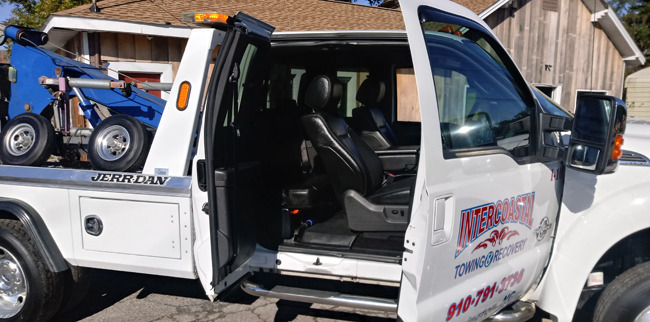

Section 2: Key Features to Consider When Buying a Snatch Truck
When searching for "snatch truck for sale," carefully consider these features to ensure the truck meets your specific needs:
- Towing Capacity: This is the most crucial factor. Determine the maximum weight of the vehicles you'll be recovering and choose a truck with a sufficient towing capacity rating.
- Boom Capacity: The boom is the crane-like arm used for lifting and positioning vehicles. Ensure the boom capacity is adequate for the types of vehicles you'll be recovering.
- Winch Power: A powerful winch is essential for pulling vehicles out of ditches, mud, or other difficult situations. Consider the winch's line pull rating and the length of the cable.
- Under-Reach System: This allows the truck to reach under vehicles with low ground clearance, making recovery easier and safer.
- Wheel-Lift System: If you plan to tow passenger vehicles, a wheel-lift system is a must-have. Look for a system that is easy to use and adjustable to fit different vehicle sizes.
- Lighting: Adequate lighting is crucial for nighttime recovery operations. Consider LED work lights, strobe lights, and directional arrow boards for enhanced visibility.
- Storage: Ample storage space is needed for tools, chains, straps, and other recovery equipment.
- Safety Features: Look for safety features such as anti-lock brakes (ABS), electronic stability control (ESC), and backup cameras.
- Engine and Transmission: Choose a reliable and powerful engine and transmission that can handle the demands of towing and recovery work. Consider fuel efficiency and maintenance costs.
- Condition: Whether buying new or used, thoroughly inspect the truck for any signs of damage, wear, or corrosion. Have a qualified mechanic inspect the truck before making a purchase.
Section 3: Buying New vs. Used: Making the Right Choice
The decision to buy a new or used "snatch truck for sale" depends on your budget, needs, and risk tolerance.
- New Snatch Trucks:
- Pros: Latest technology, full warranty, customizable options, lower maintenance costs initially.
- Cons: Higher initial cost, depreciation.
- Used Snatch Trucks:
- Pros: Lower purchase price, can be a good value if well-maintained, less depreciation.
- Cons: Higher risk of mechanical problems, limited warranty (if any), may require immediate repairs, potentially outdated technology.
Tips for Buying a Used Snatch Truck:
- Thorough Inspection: Inspect the truck thoroughly for any signs of damage, wear, or corrosion.
- Service Records: Request and review the truck's service records to understand its maintenance history.
- Professional Inspection: Have a qualified mechanic inspect the truck before making a purchase.
- Test Drive: Test drive the truck under realistic conditions to assess its performance.
- Negotiate: Don't be afraid to negotiate the price.
Section 4: Licensing, Insurance, and Regulatory Considerations
Operating a snatch truck requires specific licenses, insurance, and compliance with local regulations.
- Commercial Driver's License (CDL): Depending on the weight of the truck and the types of vehicles you'll be towing, you may need a CDL.
- Business License: Obtain the necessary business licenses and permits to operate a towing and recovery business.
- Insurance: Adequate insurance coverage is essential to protect yourself from liability. Consider liability insurance, cargo insurance, and workers' compensation insurance (if you have employees).
- DOT Regulations: Comply with all Department of Transportation (DOT) regulations, including vehicle inspections, driver hours of service, and safety requirements.
Section 5: Maintaining Your Snatch Truck for Longevity and Performance
Regular maintenance is crucial to keep your snatch truck operating safely and efficiently.
- Regular Inspections: Conduct regular inspections of the truck's engine, transmission, brakes, tires, and other critical components.
- Preventative Maintenance: Follow the manufacturer's recommended maintenance schedule for oil changes, filter replacements, and other preventative maintenance tasks.
- Lubrication: Lubricate all moving parts regularly to prevent wear and corrosion.
- Tire Maintenance: Maintain proper tire pressure and rotate tires regularly to ensure even wear.
- Brake Maintenance: Inspect and maintain the brakes regularly to ensure they are functioning properly.
- Winch Maintenance: Inspect and lubricate the winch cable regularly to prevent corrosion and fraying.
- Professional Service: Have your truck serviced by a qualified mechanic regularly to ensure it is in top condition.
Section 6: Potential Challenges and Solutions
Operating a snatch truck business comes with its own set of challenges.
- Competition: The towing and recovery industry can be competitive. Differentiate yourself by providing excellent customer service, offering competitive pricing, and specializing in a niche market.
- Liability: Towing and recovery operations can be risky. Minimize your liability by maintaining adequate insurance coverage, training your employees properly, and following all safety regulations.
- Equipment Failure: Equipment failure can disrupt your operations and cost you money. Minimize the risk of equipment failure by performing regular maintenance and investing in high-quality equipment.
- Inclement Weather: Inclement weather can make towing and recovery operations more challenging. Be prepared for inclement weather by having appropriate equipment and training your employees to operate safely in adverse conditions.
Section 7: Price Table for Snatch Trucks
| Truck Type | New Price (Approximate) | Used Price (Approximate) | Key Features | Ideal For |
|---|---|---|---|---|
| Light-Duty (Wheel-Lift) | $60,000 - $100,000 | $25,000 - $50,000 | Wheel-lift system, basic winch, standard cab. | Recovering passenger cars and light trucks in urban areas. |
| Flatbed (Rollback) | $80,000 - $150,000 | $40,000 - $80,000 | Tilting flatbed, hydraulic winch, tie-down straps. | Transporting damaged vehicles, luxury cars, and motorcycles safely. |
| Medium-Duty | $120,000 - $200,000 | $60,000 - $120,000 | Wheel-lift and boom combination, heavier chassis, more powerful winch. | Recovering vans, small buses, and light commercial vehicles. |
| Heavy-Duty | $250,000 - $500,000+ | $150,000 - $300,000+ | Powerful boom, high-capacity winch, under-reach system, heavy-duty chassis. | Recovering semi-trucks, buses, construction equipment, and other heavy machinery. |
| Integrated (Heavy-Duty) | $300,000 - $600,000+ | $200,000 - $400,000+ | Integrated boom and under-reach system, multiple winches, advanced control systems. | Complex and heavy-duty recovery operations. |
| Off-Road Recovery Vehicle | $80,000 - $200,000+ | $40,000 - $120,000+ | Four-wheel drive, high ground clearance, specialized winches, recovery gear, reinforced chassis. | Recovering vehicles in challenging terrains such as mud, sand, or snow. |
Note: Prices are approximate and can vary depending on the manufacturer, model, condition, and features.
Conclusion: Investing in the Right Recovery Solution
Buying a "snatch truck for sale" is a significant investment that requires careful consideration. By understanding the different types of trucks, essential features, licensing requirements, and maintenance practices, you can make an informed decision that will benefit your business or personal needs for years to come. Whether you're starting a new towing and recovery business or simply need a reliable vehicle for personal use, a well-chosen and well-maintained snatch truck is an invaluable asset. Remember to prioritize safety, compliance, and ongoing maintenance to ensure a profitable and sustainable operation.
Frequently Asked Questions (FAQ)
-
Q: What is the difference between a tow truck and a wrecker?
- A: While often used interchangeably, a "tow truck" generally refers to a vehicle that primarily tows vehicles, while a "wrecker" is more specialized for recovering wrecked or disabled vehicles from difficult situations.
-
Q: What license do I need to operate a snatch truck?
- A: The required license depends on the weight of the truck and the types of vehicles you'll be towing. You may need a Commercial Driver's License (CDL). Check your local regulations.
-
Q: How much insurance do I need for a snatch truck?
- A: You'll need adequate liability insurance to protect yourself from liability in case of accidents or damage. You may also need cargo insurance to cover the vehicles you're towing. Consult with an insurance professional to determine the appropriate coverage for your needs.
-
Q: How often should I maintain my snatch truck?
- A: Follow the manufacturer's recommended maintenance schedule for oil changes, filter replacements, and other preventative maintenance tasks. Conduct regular inspections of the truck's engine, transmission, brakes, tires, and other critical components.
-
Q: Where can I find a reputable snatch truck dealer?
- A: Look for dealers with a good reputation, positive customer reviews, and a wide selection of trucks. You can also ask for recommendations from other towing and recovery professionals. Trade shows and industry publications are also good resources.
-
Q: Can I finance a snatch truck?
- A: Yes, many lenders offer financing options for commercial vehicles, including snatch trucks. Shop around for the best interest rates and terms.
-
Q: What are the most important safety precautions when operating a snatch truck?
- A: Always wear appropriate safety gear, such as gloves, safety glasses, and high-visibility clothing. Follow all safety regulations and procedures. Be aware of your surroundings and take precautions to avoid accidents. Properly secure the towed vehicle. Never exceed the truck's weight capacity.