The 1978 Jeep Cherokee Chief. Just the name conjures images of rugged adventures, sun-baked trails, and a bygone era of true American off-roading prowess. Finding a 1978 Cherokee Chief for sale today is more than just buying a vehicle; it's acquiring a piece of automotive history, a tangible link to a time when SUVs were built for purpose, not just image. This guide will delve into everything you need to know when considering purchasing a 1978 Cherokee Chief, from its features and potential issues to what to look for and how to assess its value. Whether you're a seasoned Jeep enthusiast or a newcomer drawn to its iconic styling, this guide will equip you with the knowledge to make an informed decision.
I. The Allure of the 1978 Cherokee Chief: Why Buy One?
1978 Cherokee Chief For Sale: A Buyer's Guide to a Classic Off-Roader
The 1978 Cherokee Chief holds a special place in the hearts of off-road enthusiasts. It represents the tail end of the classic Cherokee era before design changes significantly altered its character. Here's why it remains a desirable classic:
-
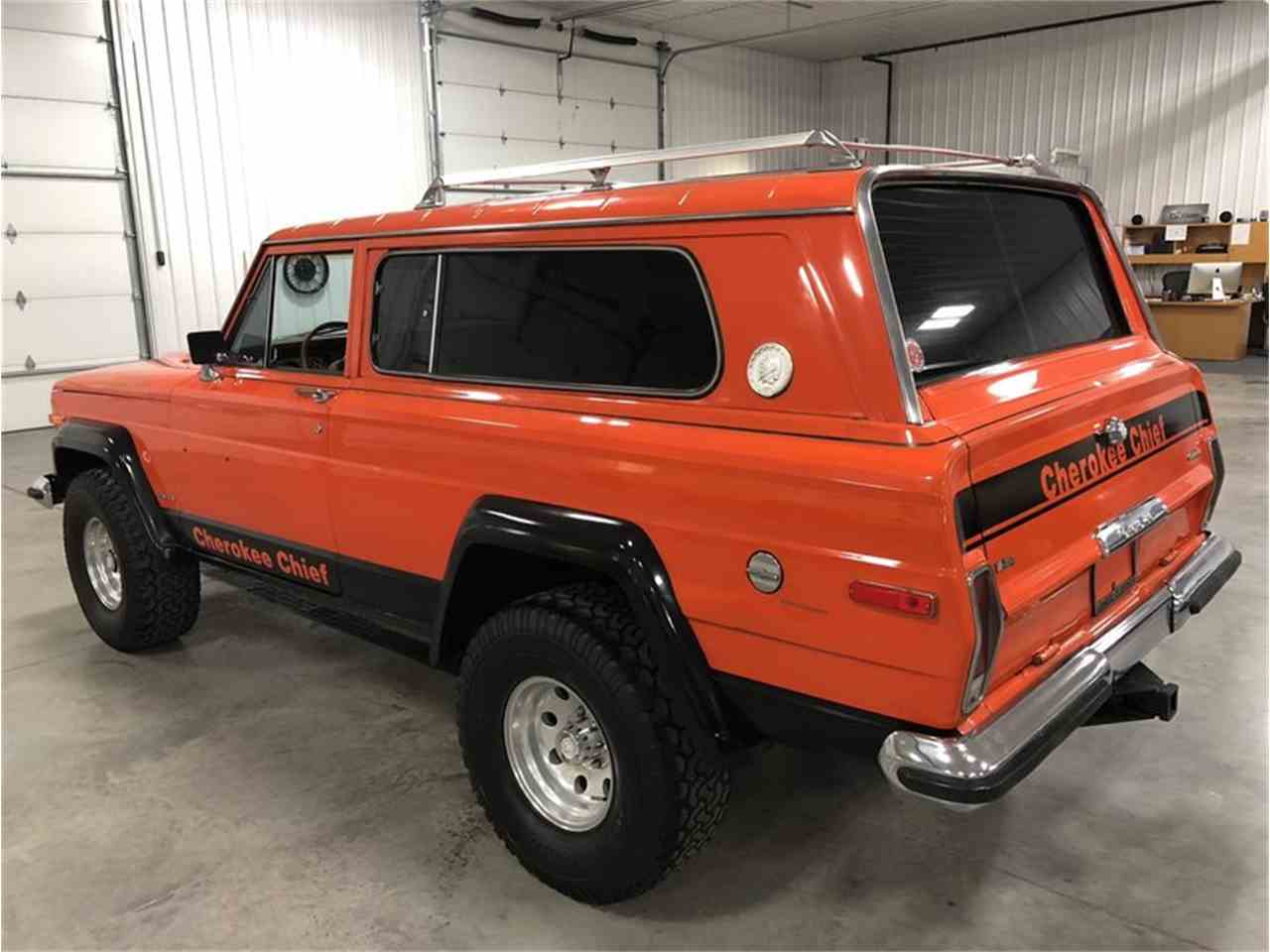
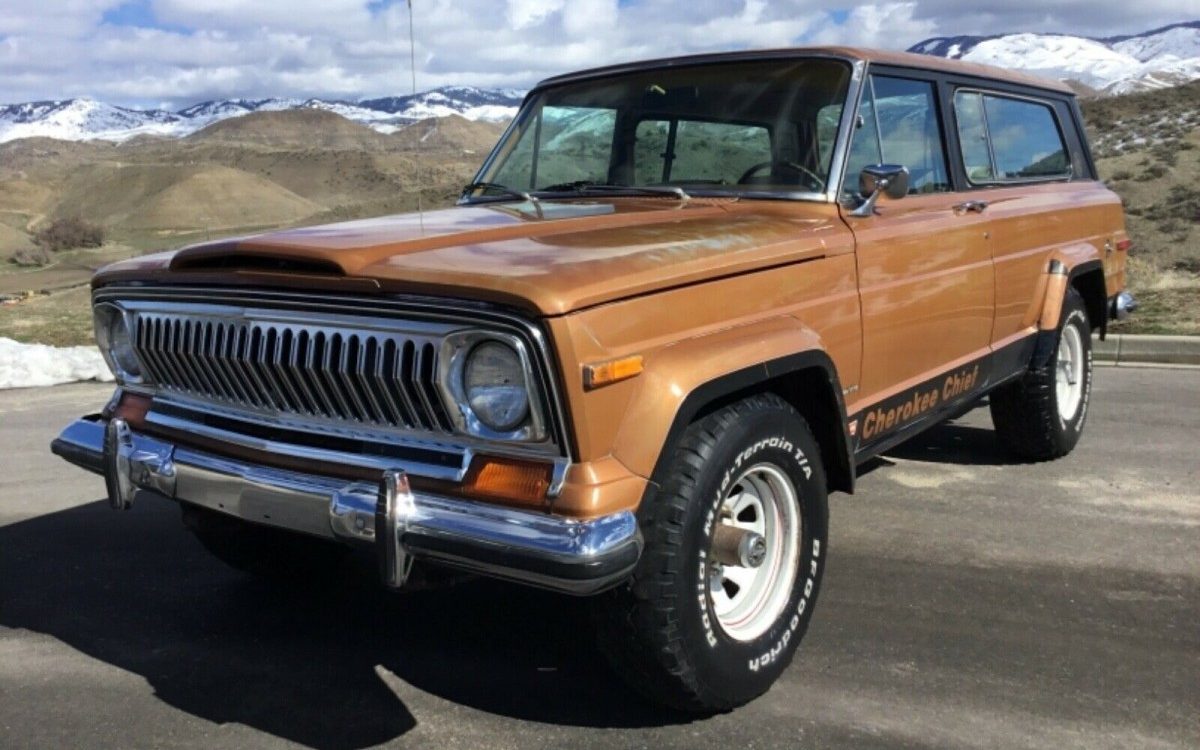
Iconic Styling: The Chief's boxy silhouette, bold front grille, and available two-door configuration are instantly recognizable. It's a head-turner that stands out in a sea of modern, homogenous SUVs. The Chief featured wider axles, giving it a more aggressive stance and contributing to its enhanced off-road capabilities compared to the standard Cherokee.
-
Off-Road Prowess: Built on a robust chassis and often equipped with a powerful engine and four-wheel drive, the Chief was designed to tackle challenging terrain. Its solid axles, leaf spring suspension, and ample ground clearance made it a formidable competitor off the beaten path.
-
Simplicity and Reliability (Relatively Speaking): Compared to modern vehicles laden with complex electronics, the 1978 Cherokee Chief is relatively simple to work on. Parts availability is generally good, and a wealth of knowledge exists within the Jeep community to help with repairs and maintenance.
-
Investment Potential: Well-maintained or restored Cherokee Chiefs are increasingly sought after by collectors and enthusiasts. Purchasing a well-preserved example could prove to be a sound investment in the long run.
-
Nostalgia: For many, owning a 1978 Cherokee Chief is a way to relive a cherished memory or experience a piece of their childhood. It evokes a sense of adventure and freedom associated with a simpler time.
II. Key Features and Specifications of the 1978 Cherokee Chief
Understanding the specifications and available options of the 1978 Cherokee Chief is crucial for evaluating a potential purchase.
-
Engine Options: The 1978 Cherokee Chief typically came with the following engine options:
- 258 cubic inch (4.2L) Inline-Six: The most common and arguably the most reliable engine choice. Known for its torque and dependability.
- 360 cubic inch (5.9L) V8: Offered significantly more power than the inline-six, making it ideal for towing and more demanding off-road situations.
- 401 cubic inch (6.6L) V8: The most powerful option, but also the rarest. This engine provided substantial performance but was also known for its fuel consumption.
-
Transmission Options:
- Three-Speed Manual: A durable and straightforward option.
- Automatic Transmission: Typically a Chrysler TorqueFlite 727, known for its robustness.
-
Transfer Case:
- Quadra-Trac: A full-time four-wheel-drive system that provided excellent traction in a variety of conditions. It was known for its smooth operation but could be more complex to maintain.
- Part-Time Four-Wheel Drive: A more traditional system that required manual engagement. Typically considered more robust and easier to maintain than Quadra-Trac.
-
Axles: Dana 44 axles were standard, providing excellent strength and durability. The Chief models utilized wider axles, giving them a distinctive stance.
-
Interior: The interior was relatively spartan by modern standards, but offered comfortable seating and a functional layout. Features varied depending on the trim level and options selected.
-
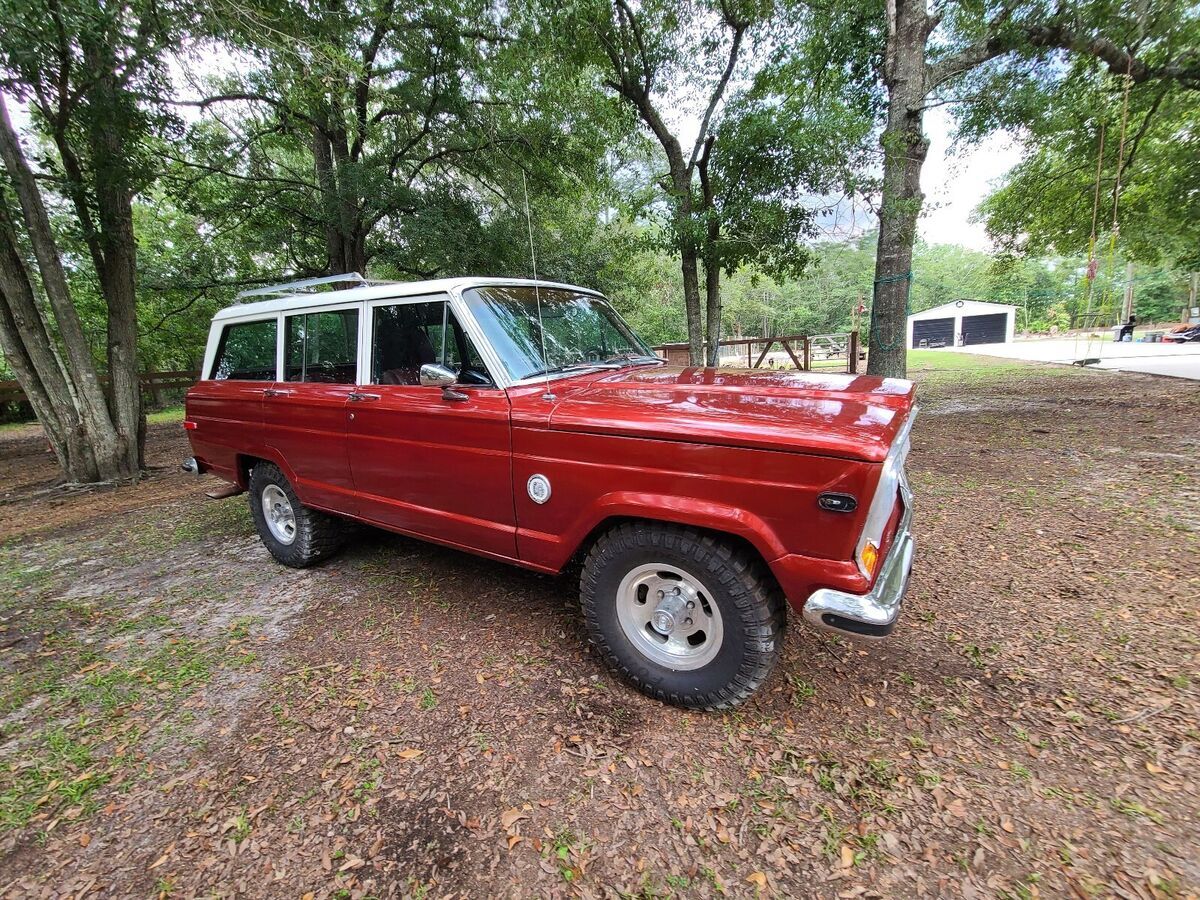
Exterior: The distinctive Chief body style featured a unique front grille, wider stance, and often came with features like a roll bar and upgraded wheels. Paint options were typical of the era, often featuring bold colors and graphics.
III. What to Look For: Inspection Points and Common Problems
Before committing to a purchase, a thorough inspection is essential. Here's a checklist of critical areas to examine:
-
Rust: Rust is the biggest enemy of classic vehicles. Pay close attention to:
- Frame: Check for rust, especially around the rear spring hangers and the steering box mounting points. Significant rust can compromise the structural integrity of the vehicle.
- Floor Pans: Look for rust under the carpets and seats. This is a common area for water to accumulate and cause corrosion.
- Rocker Panels: Another area prone to rust, especially if the vehicle has seen a lot of off-road use.
- Wheel Wells: Examine the inner and outer wheel wells for signs of rust.
- Body Panels: Check for rust bubbling under the paint, particularly around the edges of panels and seams.
-
Engine:
- Start-Up: Listen for unusual noises during start-up, such as knocking or rattling.
- Oil Pressure: Check the oil pressure gauge to ensure it's within the normal range.
- Leaks: Inspect the engine for oil or coolant leaks.
- Smoke: Check the exhaust for excessive smoke, which could indicate worn piston rings or valve seals.
- Overheating: Ensure the engine doesn't overheat during a test drive.
-
Transmission:
- Shifting: Test all gears to ensure smooth and positive engagement.
- Slipping: Check for signs of slipping, which could indicate a worn transmission.
- Noises: Listen for unusual noises during operation.
-
Transfer Case:
- Engagement: Test the four-wheel-drive system to ensure it engages properly.
- Noises: Listen for unusual noises during operation.
- Leaks: Inspect the transfer case for leaks.
-
Suspension and Steering:
- Wear: Check the ball joints, tie rod ends, and other suspension components for wear and play.
- Steering: Ensure the steering is responsive and doesn't have excessive play.
- Leaf Springs: Inspect the leaf springs for cracks or broken leaves.
-
Brakes:
- Pedal Feel: Ensure the brake pedal feels firm and doesn't sink to the floor.
- Stopping Power: Test the brakes to ensure they provide adequate stopping power.
- Leaks: Inspect the brake lines and calipers for leaks.
-
Electrical System:
- Lights: Check all lights to ensure they are working properly.
- Gauges: Verify that all gauges are functioning correctly.
- Wiring: Inspect the wiring for damage or corrosion.
-
Interior:
- Seats: Check the seats for tears or wear.
- Carpets: Inspect the carpets for water damage or mildew.
- Headliner: Check the headliner for sagging or damage.
Common Problems Specific to the 1978 Cherokee Chief:
- Quadra-Trac Issues: The Quadra-Trac system, while advanced for its time, can be prone to problems and requires specialized knowledge to repair.
- Rust: As mentioned earlier, rust is a major concern. Pay particular attention to the areas mentioned above.
- Vacuum Leaks: The engine relies on a complex vacuum system, which can be prone to leaks, causing poor performance.
- Original Wiring: The original wiring can become brittle and prone to shorts over time.
- Carburetor Issues: Carbureted engines can be finicky and require regular tuning.
IV. Assessing Value: What's a 1978 Cherokee Chief Worth?
Determining the value of a 1978 Cherokee Chief can be challenging, as it depends on several factors:
- Condition: Excellent condition, well-maintained Chiefs will command a higher price than those with significant rust or mechanical issues. Restored examples can fetch a premium.
- Originality: Original, unmolested Chiefs are generally more valuable to collectors.
- Engine and Transmission: The 401 V8 and manual transmission are highly desirable and will increase the value.
- Options: Factory options like air conditioning, power windows, and special trim packages can add to the value.
- Location: Geographic location can influence prices due to regional demand and availability.
- Market Demand: The overall demand for classic Jeeps can fluctuate, affecting prices.
To get an idea of current market values, consult the following resources:
- Online Auction Sites: Websites like Bring a Trailer and eBay Motors often feature classic Jeeps.
- Classic Car Price Guides: Publications like Hagerty Price Guide provide estimated values for various classic vehicles.
- Jeep Forums: Online Jeep forums are a great resource for getting information from other enthusiasts and seeing what similar vehicles have sold for.
Generally, you can expect to pay anywhere from $5,000 for a project vehicle to $30,000 or more for a restored, pristine example. Be prepared to negotiate and thoroughly inspect the vehicle before making an offer.
V. Restoration and Modification Considerations
If you're considering restoring or modifying a 1978 Cherokee Chief, keep the following in mind:
- Parts Availability: While parts availability is generally good, some specific parts may be difficult to find or expensive. Online retailers and Jeep specialty shops are your best bet.
- Cost: Restoration and modification projects can be expensive. Set a budget and stick to it as closely as possible.
- Expertise: If you're not experienced in automotive repair, consider hiring a professional to handle more complex tasks.
- Originality vs. Customization: Decide whether you want to restore the vehicle to its original condition or customize it to your liking. Keep in mind that modifications can affect the vehicle's value.
Popular modifications for the 1978 Cherokee Chief include:
- Lift Kits: Increase ground clearance and allow for larger tires.
- Engine Swaps: Upgrade to a more modern and powerful engine.
- Fuel Injection Conversion: Improve fuel economy and reliability.
- Modern Brakes and Suspension: Enhance handling and stopping power.
- Interior Upgrades: Improve comfort and functionality.
VI. Conclusion: Is a 1978 Cherokee Chief Right for You?
Purchasing a 1978 Cherokee Chief is a rewarding experience for those who appreciate classic Jeeps and their off-road capabilities. However, it's important to be aware of the potential challenges and costs involved. Thorough research, a meticulous inspection, and a realistic budget are essential for making a successful purchase. If you're willing to put in the time and effort, owning a 1978 Cherokee Chief can provide years of enjoyment and a unique connection to automotive history. It's more than just a vehicle; it's a statement.
VII. Price Table of 1978 Cherokee Chief
| Condition | Engine | Transmission | Drivetrain | Estimated Price Range | Notes |
|---|---|---|---|---|---|
| Project/Poor | Any | Any | 2WD/4WD | $3,000 - $8,000 | Significant rust, mechanical issues, needs extensive repairs. Likely not roadworthy without substantial work. |
| Fair | 258 I6/360 V8 | Auto/Manual | 2WD/4WD | $8,000 - $15,000 | Some rust, mechanical issues may be present, but generally driveable. Needs cosmetic and mechanical attention. |
| Good | 258 I6/360 V8 | Auto/Manual | 4WD | $15,000 - $25,000 | Minimal rust, well-maintained mechanically, presentable condition. May need some minor repairs or cosmetic work. |
| Excellent | 360 V8/401 V8 | Auto/Manual | 4WD | $25,000 - $40,000+ | Very little to no rust, meticulously maintained, excellent mechanical condition, pristine cosmetic condition. May be original or professionally restored. |
| Restored | 360 V8/401 V8 | Auto/Manual | 4WD | $35,000 - $60,000+ | Professionally restored to original or near-original condition. May feature some sympathetic upgrades. Considered a collector-grade vehicle. Price can vary wildly based on the quality and detail of the restoration. |
Disclaimer: These are estimated price ranges only. Actual prices may vary depending on the specific vehicle, market conditions, and buyer/seller negotiation.
VIII. Frequently Asked Questions (FAQ)
-
Q: What's the difference between a Cherokee and a Cherokee Chief?
- A: The Cherokee Chief was a trim level of the Cherokee that featured a wider track, a distinctive grille, and often came with other cosmetic and performance upgrades. It was generally considered a more rugged and off-road-oriented version of the Cherokee.
-
Q: Is the Quadra-Trac system reliable?
- A: The Quadra-Trac system was innovative for its time, but it can be prone to problems if not properly maintained. Parts can be more difficult to find, and specialized knowledge is required for repairs. Many owners prefer the part-time four-wheel-drive system for its simplicity and reliability.
-
Q: Where can I find parts for a 1978 Cherokee Chief?
- A: You can find parts at online retailers specializing in Jeep parts, classic car parts suppliers, and Jeep specialty shops. Online Jeep forums can also be a valuable resource for finding parts and advice.
-
Q: How much does it cost to restore a 1978 Cherokee Chief?
- A: The cost of restoration can vary widely depending on the condition of the vehicle and the extent of the restoration. A full restoration can easily cost tens of thousands of dollars.
-
Q: Is a 1978 Cherokee Chief a good investment?
- A: Well-maintained or restored Cherokee Chiefs are increasingly sought after by collectors and enthusiasts. Purchasing a well-preserved example could prove to be a sound investment, but it's not guaranteed. The market for classic vehicles can fluctuate.
-
Q: What are the best engines to look for in a 1978 Cherokee Chief?
- A: While the 258 inline-six is reliable, the 360 V8 offers a good balance of power and reliability. The 401 V8 is the most powerful option, but it's also the rarest and can be more expensive to maintain.
-
Q: What should I bring when inspecting a 1978 Cherokee Chief?
- A: Bring a flashlight, a jack and jack stands (if you can safely use them to inspect the frame), a magnet (to check for body filler), and a notepad to record your observations.