Moving can be one of life's most stressful events, and managing the associated costs is crucial for a smooth transition. U-Haul, a leading provider of moving trucks, trailers, and storage solutions, is a popular choice for many DIY movers. However, understanding how U-Haul calculates its costs is essential to avoid surprises and plan your budget effectively. This comprehensive guide will break down the various factors that contribute to your U-Haul bill, providing you with the knowledge and tools to estimate your moving expenses accurately.
Why is Understanding U-Haul Costs Important?
Calculate U-Haul Cost: A Comprehensive Guide to Budgeting Your Move
Moving expenses can quickly add up, and knowing how U-Haul prices its services allows you to:
- Create an Accurate Budget: Avoid financial strain by accurately estimating your moving costs upfront.
- Compare Options: Evaluate whether U-Haul is the most cost-effective choice compared to other moving companies or alternatives.
- Make Informed Decisions: Optimize your rental duration, mileage, and add-on services to minimize expenses.
- Avoid Hidden Fees: Be aware of potential extra charges and plan accordingly.
- Negotiate Potential Discounts: Knowing the components of your bill gives you leverage when negotiating with U-Haul representatives.

Section 1: The Key Factors Influencing U-Haul Costs
Several factors determine the final cost of your U-Haul rental:
- Truck/Trailer Size: The size of the truck or trailer you need is a primary cost driver. Larger vehicles naturally cost more due to their increased capacity and fuel consumption. U-Haul offers a range of truck sizes, typically from 10-foot vans to 26-foot trucks. Trailer sizes also vary.
- Rental Duration: U-Haul typically offers both local (in-town) and one-way rentals. Local rentals are charged by the day, with a mileage fee. One-way rentals have a set period. Exceeding this period will result in additional daily charges.
- Mileage: For local rentals, U-Haul charges a per-mile fee, which can vary depending on the location and vehicle type. One-way rentals include a predetermined mileage allowance. Exceeding this allowance results in per-mile overage charges.
- Insurance Coverage: U-Haul offers various insurance options, such as Safemove and Safetow. These cover damage to the truck or trailer, cargo protection, and medical coverage. The cost of insurance depends on the level of coverage you choose.
- Add-Ons and Supplies: U-Haul offers a variety of add-on services and supplies, such as moving boxes, packing tape, furniture pads, dollies, and hand trucks. These items add to the overall cost of your rental.
- Location: Rental rates can vary based on the pick-up and drop-off locations. Rates might be higher in densely populated areas or during peak moving seasons.
- Time of Year/Day of Week: Demand fluctuates throughout the year, with peak moving seasons (summer, end of the month) and weekends often commanding higher rates.
- Drop-Off Location (One-Way Rentals): The distance between your pick-up and drop-off locations significantly affects the price of one-way rentals. Longer distances naturally result in higher costs.
- Environmental Fees and Taxes: U-Haul may charge environmental fees and taxes, which can vary depending on your location.
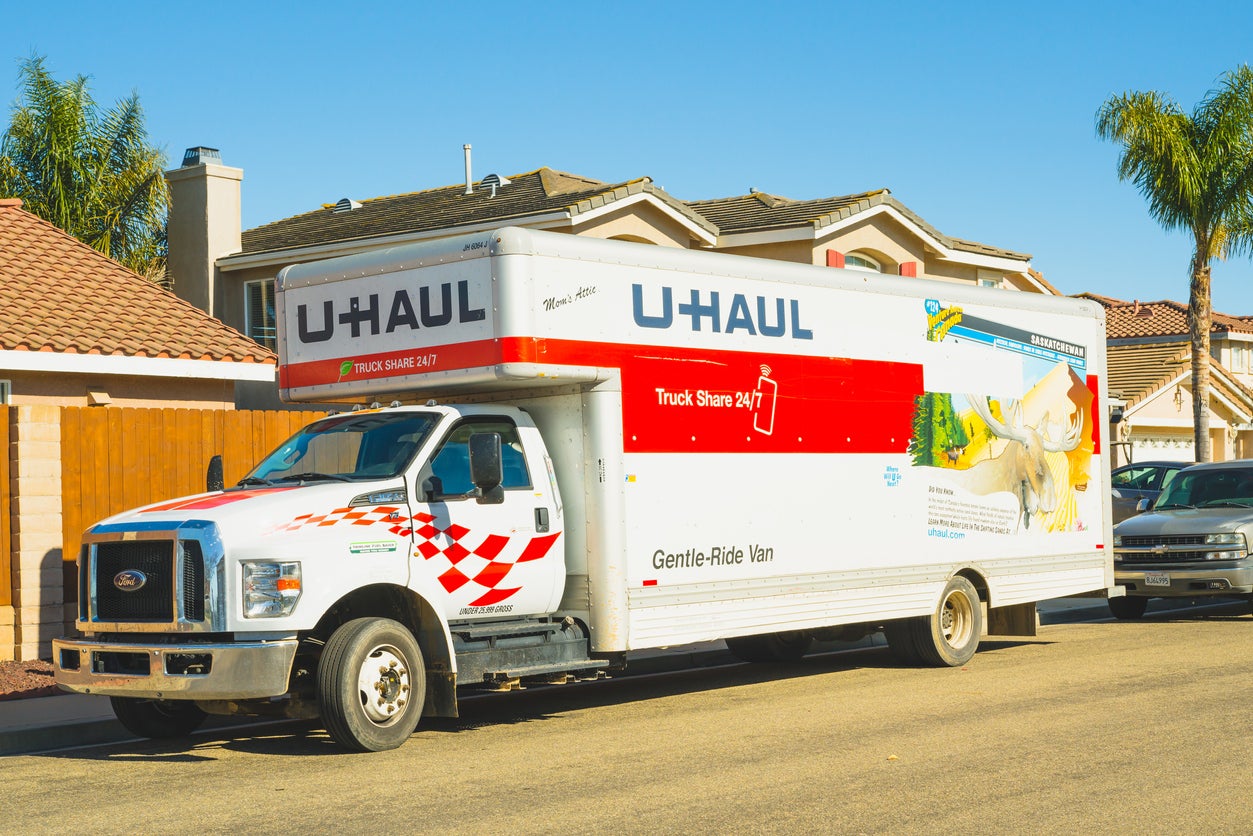

Section 2: Local vs. One-Way Rentals: Understanding the Cost Differences
U-Haul offers two primary rental options: local and one-way. The cost structure differs significantly between these options:
-
Local Rentals (In-Town):
- Cost Structure: Daily rental rate + mileage fee + insurance (optional) + add-ons/supplies (optional) + taxes/fees.
- Best For: Moves within the same city or metropolitan area.
- Pros: Potentially cheaper for short-distance moves.
- Cons: Mileage fees can quickly add up, especially for longer distances. Limited rental duration.
-
One-Way Rentals:
- Cost Structure: Flat rate based on distance, truck size, and date + insurance (optional) + add-ons/supplies (optional) + overage fees (if applicable) + taxes/fees.
- Best For: Moves between cities or states.
- Pros: Predictable pricing, predetermined mileage allowance.
- Cons: Can be more expensive than local rentals for short-distance moves. Penalties for exceeding mileage or rental duration.
Section 3: A Step-by-Step Guide to Calculating Your U-Haul Cost
Follow these steps to estimate your U-Haul cost:
- Determine Your Moving Needs:
- Distance: Is it a local or long-distance move?
- Inventory: Estimate the volume of your belongings. U-Haul's website offers a truck size guide to help you choose the right vehicle.
- Get a Quote from U-Haul's Website:
- Visit U-Haul's website.
- Enter your pick-up and drop-off locations, moving date, and desired truck size.
- The website will provide you with a quote that includes the base rental rate, mileage allowance (if applicable), and estimated fuel costs.
- Factor in Insurance:
- Decide whether you want to purchase U-Haul's Safemove or Safetow insurance.
- Add the cost of the insurance to your estimated total.
- Estimate Mileage (Local Rentals):
- Use online mapping tools (Google Maps, etc.) to calculate the total distance you will be driving.
- Multiply the distance by U-Haul's per-mile rate for your chosen truck size.
- Add the Cost of Add-Ons and Supplies:
- List all the moving supplies you will need (boxes, tape, furniture pads, dollies).
- Add the cost of these items to your estimated total.
- Account for Taxes and Fees:
- U-Haul will typically include estimated taxes and fees in your online quote.
- If not, research the applicable tax rates in your area and add them to your total.
- Add a Buffer:
- It's always a good idea to add a buffer (e.g., 10-15%) to your estimated total to account for unexpected expenses.
- Compare Quotes:
- Get quotes from other moving companies or consider alternative options (e.g., renting a trailer, using a portable storage container) to see if you can find a better deal.
Section 4: Tips for Saving Money on Your U-Haul Rental
- Move During the Off-Season: Moving during the fall or winter months can significantly reduce rental rates.
- Avoid Weekends and End-of-Month Moves: These are peak moving times, and rates are typically higher.
- Choose the Right Truck Size: Renting a truck that's too large will waste fuel and increase your rental cost.
- Pack Efficiently: Maximize space utilization to minimize the number of trips you need to make.
- Decline Unnecessary Insurance: If you have adequate insurance coverage through your auto or homeowner's policy, you may not need U-Haul's insurance.
- Return the Truck on Time: Avoid late fees by returning the truck within the agreed-upon rental period.
- Fill Up the Fuel Tank: U-Haul charges a higher rate per gallon if you don't return the truck with the same fuel level.
- Look for Discounts: U-Haul often offers discounts for students, military personnel, and AAA members.
- Compare Prices: Get quotes from multiple U-Haul locations to find the best price.
Section 5: Potential Challenges and Solutions
- Hidden Fees: Carefully review the rental agreement to identify potential hidden fees, such as cleaning fees or damage charges.
- Solution: Thoroughly inspect the truck before and after your rental, and document any existing damage.
- Truck Availability: During peak moving seasons, truck availability can be limited.
- Solution: Book your rental well in advance to secure the truck you need.
- Unexpected Mileage: Underestimating the mileage for a local rental can result in unexpected charges.
- Solution: Use accurate mapping tools and factor in potential detours or traffic delays.
- Damage to the Truck: Accidents can happen, and damage to the truck can result in significant repair costs.
- Solution: Purchase adequate insurance coverage to protect yourself from financial liability.
Section 6: U-Haul Cost Table
| Factor | Local Rental | One-Way Rental | Notes |
|---|---|---|---|
| Truck Size (e.g., 10ft) | $19.95 - $39.95 per day + mileage | Flat rate (distance-dependent) | Prices vary by location and availability. 10ft is the smallest size. |
| Truck Size (e.g., 26ft) | $39.95 - $79.95 per day + mileage | Flat rate (distance-dependent) | Prices vary by location and availability. 26ft is one of the largest sizes. |
| Mileage | $0.79 - $1.29 per mile (varies by location and truck size) | Included (with a mileage allowance); overage charges apply if exceeded | Overage charges are typically similar to local per-mile rates. |
| Safemove Insurance | ~$14 - $45 per day (depending on coverage level) | Included in the flat rate in some cases; otherwise, available as an add-on. The price is same as for local rental. | Covers damage to the truck, cargo, and medical expenses. |
| Safetow Insurance | ~$12 - $15 per day (depending on coverage level) | Included in the flat rate in some cases; otherwise, available as an add-on. The price is same as for local rental. | Covers damage to the trailer, cargo, and medical expenses. |
| Add-ons (Boxes, etc.) | Varies depending on items purchased | Varies depending on items purchased | Boxes: $2 - $5 each; Tape: $3 - $5 per roll; Furniture Pads: $8 - $12 each. |
| Taxes & Fees | Varies by location (sales tax, environmental fees) | Varies by location (sales tax, environmental fees) | Typically a percentage of the base rental rate. |
| Time of Year | Rates higher during peak moving season (Summer, end of the month) | Rates higher during peak moving season (Summer, end of the month) | Prices increase depending on demand and location. |
| Drop-off Location | Not Applicable (same location) | Significant impact on flat rate | Longer distances between pick-up and drop-off locations will increase the cost of one-way rentals. |
Frequently Asked Questions (FAQ)
- Q: Does U-Haul offer unlimited mileage?
- A: No, U-Haul does not typically offer unlimited mileage for local rentals. One-way rentals include a predetermined mileage allowance.
- Q: Can I return a U-Haul truck to a different location than where I picked it up?
- A: Yes, but only with a one-way rental.
- Q: What happens if I return the U-Haul truck late?
- A: You will be charged a late fee, which is typically a daily rental rate plus any applicable taxes and fees.
- Q: Is U-Haul insurance required?
- A: No, U-Haul insurance is not required, but it is highly recommended to protect yourself from financial liability in case of an accident or damage to the truck.
- Q: How do I reserve a U-Haul truck?
- A: You can reserve a U-Haul truck online or by calling U-Haul's customer service line.
- Q: What forms of payment does U-Haul accept?
- A: U-Haul typically accepts credit cards, debit cards, and cash (with certain restrictions).
Conclusion
Calculating your U-Haul cost accurately is vital for a stress-free moving experience. By understanding the factors that influence pricing, utilizing U-Haul's online tools, and following the tips outlined in this guide, you can create a realistic budget and avoid unexpected expenses. Remember to compare quotes, consider the timing of your move, and carefully review the rental agreement to ensure a smooth and affordable transition to your new home. Careful planning and attention to detail can significantly reduce the financial burden of moving and make the entire process much more manageable.