The roar of a powerful engine, the gleam of polished chrome, and the echoes of a siren cutting through the air – these are the sounds and sights that evoke the captivating world of vintage antique fire trucks. More than just relics of a bygone era, these majestic machines represent courage, community, and a deep respect for those who dedicate their lives to protecting others. For collectors, enthusiasts, and even those seeking a unique piece of history, the allure of owning a vintage fire truck is undeniable. But venturing into the world of "Vintage Antique Fire Trucks For Sale" requires careful consideration, diligent research, and a healthy dose of passion. This comprehensive guide will navigate you through the key aspects of buying, owning, and appreciating these extraordinary vehicles.
What Defines a Vintage Antique Fire Truck?
Chasing Sirens: A Comprehensive Guide to Vintage Antique Fire Trucks For Sale
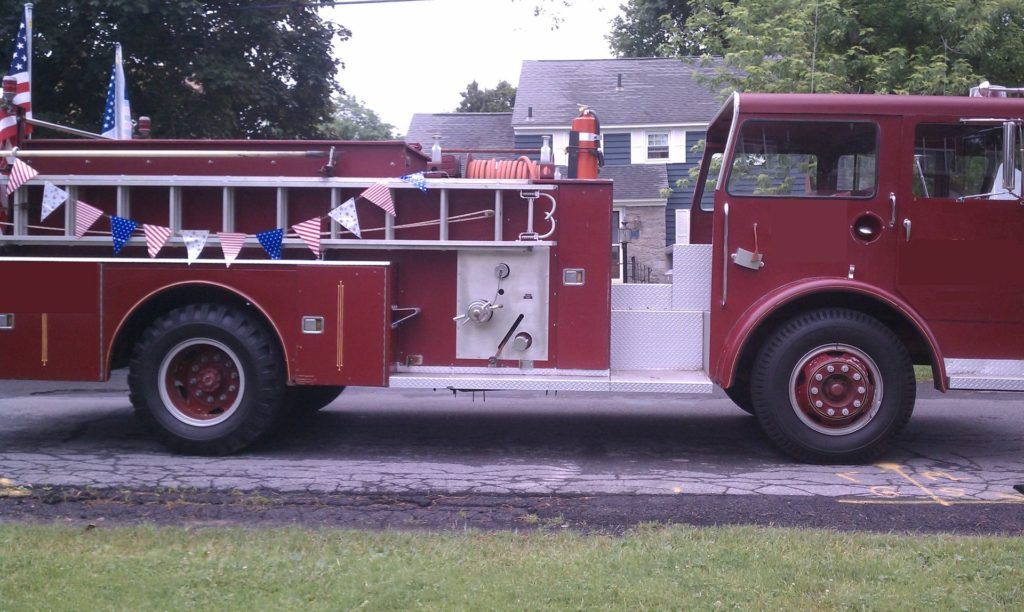
The terms "vintage" and "antique" are often used interchangeably, but in the context of fire trucks, they generally refer to vehicles that are at least 25 years old (vintage) and often significantly older, potentially reaching back to the early 20th century (antique). These trucks are not merely old; they are embodiments of the technological advancements, design aesthetics, and societal values of their time. They represent a tangible link to the past, offering a glimpse into how firefighting strategies and equipment evolved over the decades.
The "importance or relevance" of owning such a machine extends beyond mere possession. It's about preserving history, honoring the legacy of firefighters, and contributing to a community of enthusiasts who share a passion for these rolling monuments. They are often displayed at parades, car shows, and community events, serving as a reminder of the bravery and sacrifice of those who serve.
Section 1: Diving into the Market: Where to Find Vintage Fire Trucks For Sale
Finding the right vintage fire truck requires patience and a strategic approach. Here are some of the most common avenues to explore:
-
Online Auctions and Classifieds: Websites like eBay, Hemmings Motor News, and specialized classic car auction sites often feature vintage fire trucks. These platforms provide broad exposure and a wide selection of vehicles, but thorough research and due diligence are crucial.
-
Firefighting Equipment Dealers and Brokers: Some dealers specialize in buying and selling vintage firefighting equipment. They often have a network of contacts and can assist in finding specific models or features.
-
Fire Department Auctions and Sales: Occasionally, fire departments will retire older trucks and offer them for sale. These auctions can be a good source for finding well-maintained vehicles at reasonable prices, but they are often sold "as is."
-
Classic Car Shows and Events: Attending classic car shows, especially those focused on emergency vehicles, is a great way to network with other collectors and potential sellers.

Word of Mouth: Don't underestimate the power of word of mouth. Talking to other enthusiasts, fire department personnel, and mechanics can often lead to valuable leads and opportunities.

Section 2: Decoding the Details: Factors to Consider Before Buying
Before making a purchase, carefully consider the following factors:
-
Condition: Assess the overall condition of the truck, including the engine, transmission, body, paint, and interior. Look for signs of rust, damage, or wear and tear. A professional inspection is highly recommended.
-
Originality: Determine the level of originality of the truck. Has it been restored or modified? Original, unrestored vehicles often command higher prices, but restored trucks can be more reliable and easier to maintain.
-
Documentation: Obtain as much documentation as possible, including the original owner's manual, service records, and any historical information about the truck. This information can add value and provide insights into the truck's history.
-
Rarity: Some models are rarer than others, which can significantly impact their value. Research the production numbers and history of the specific truck you are considering.
-
Intended Use: How do you plan to use the truck? Will it be a showpiece, a parade vehicle, or a functional firefighting apparatus? Your intended use will influence the type of truck you choose and the level of restoration required.
-
Budget: Establish a realistic budget that includes the purchase price, restoration costs (if needed), maintenance expenses, insurance, and storage.
-
Storage: Secure adequate storage for the truck. These vehicles are large and require a secure, weatherproof environment to prevent damage.
Section 3: Understanding the Types: A Classification of Vintage Fire Trucks
Vintage fire trucks come in various types, each with its own unique features and purpose:
-
Pumpers: The most common type of fire truck, pumpers are equipped with a water pump, hose reels, and a water tank. They are designed to deliver water to extinguish fires.
-
Ladder Trucks: Ladder trucks feature a large aerial ladder or platform that allows firefighters to reach elevated areas. They are essential for rescuing people from tall buildings and for providing access to hard-to-reach areas.
-
Tankers: Tankers are designed to transport large quantities of water to areas where a water supply is limited. They are often used in rural areas or at large-scale incidents.
-
Rescue Trucks: Rescue trucks carry specialized equipment for rescuing people from various situations, such as vehicle accidents, collapsed buildings, and confined spaces.
-
Chief's Cars: These vehicles were used by fire chiefs to respond to emergencies and supervise firefighting operations. They are typically smaller and more agile than other types of fire trucks.
-
Ambulances: Early ambulances were often operated by fire departments and used to transport injured people to hospitals.
Section 4: The Restoration Road: A Guide to Bringing Back the Glory
Restoring a vintage fire truck can be a rewarding but challenging process. Here's a general guide:
-
Assessment: Thoroughly assess the condition of the truck and identify any necessary repairs or replacements.
-
Disassembly: Carefully disassemble the truck, documenting each step with photos and notes.
-
Cleaning and Repair: Clean all parts and repair or replace any damaged or worn components.
-
Painting: Prepare the body for painting by removing rust and applying primer. Apply the original paint color and markings.
-
Reassembly: Carefully reassemble the truck, following your documentation from the disassembly process.
-
Testing: Test all systems to ensure they are functioning properly.
Important Considerations for Restoration:
-
Authenticity: Strive for authenticity whenever possible, using original parts or reproductions.
-
Professional Help: Don't hesitate to seek professional help from experienced restorers or mechanics.
-
Patience: Restoration takes time and effort. Be patient and don't rush the process.
Section 5: Challenges and Solutions: Navigating the Pitfalls
Owning a vintage fire truck comes with its own set of challenges:
-
Finding Parts: Sourcing original parts can be difficult and expensive. Consider using reproduction parts or fabricating custom parts.
-
Maintenance: Maintaining a vintage fire truck requires specialized knowledge and skills. Find a mechanic who is familiar with older vehicles.
-
Storage: Finding adequate storage can be a challenge due to the size of the trucks.
-
Insurance: Insuring a vintage fire truck can be more expensive than insuring a regular vehicle.
Solutions:
-
Join a Fire Truck Club: Connecting with other enthusiasts can provide access to valuable resources, advice, and parts.
-
Build a Network: Establish relationships with mechanics, restorers, and parts suppliers.
-
Be Prepared for Unexpected Expenses: Set aside a budget for unexpected repairs or maintenance.
Section 6: Tips for Success: Maximizing Your Vintage Fire Truck Experience
-
Do Your Research: Thoroughly research the specific model you are interested in before making a purchase.
-
Get a Professional Inspection: Have the truck inspected by a qualified mechanic before buying.
-
Join a Fire Truck Club: Connect with other enthusiasts and learn from their experiences.
-
Attend Events: Participate in parades, car shows, and other events to showcase your truck and share your passion.
-
Preserve History: Document the history of your truck and share it with others.
Concluding Summary:
The world of vintage antique fire trucks is a captivating blend of history, mechanics, and community. Owning one of these majestic machines is a rewarding experience that allows you to preserve a piece of the past and honor the legacy of firefighters. By carefully considering the factors outlined in this guide, you can navigate the market with confidence and find the perfect vintage fire truck to fulfill your passion. Remember to prioritize research, condition assessment, and authenticity. Embrace the challenges, celebrate the successes, and enjoy the journey of owning a piece of firefighting history.
Table Price: Vintage Antique Fire Trucks For Sale
| Feature | Description | Price Range (USD) | Notes |
|---|---|---|---|
| Purchase Price | Varies significantly based on age, condition, originality, rarity, and type. | $5,000 - $500,000+ | Lower end typically for heavily used or incomplete projects. Pristine, rare models can command prices exceeding $500,000. |
| Restoration Costs | Labor and materials for restoring the truck to its original condition. | $10,000 - $100,000+ | Can vary wildly depending on the scope of the restoration and the availability of parts. |
| Maintenance | Routine maintenance, such as oil changes, tune-ups, and brake repairs. | $500 - $5,000/year | Dependent on the frequency of use and the age of the truck. Specialized parts may be more expensive. |
| Insurance | Coverage for liability, damage, and theft. | $500 - $2,000/year | Premiums depend on the value of the truck, the type of coverage, and the insurance company. |
| Storage | Secure, weatherproof storage to protect the truck from the elements. | $500 - $5,000/year | Indoor storage is preferable to protect the truck from rust and deterioration. |
| Parts (Replacement) | Individual parts needed for repairs or restoration. | $50 - $10,000+/part | Pricing depends on the rarity and complexity of the part. Sourcing original parts can be challenging and expensive. |
| Fuel Costs | The older engine and size of these trucks can be fuel hungry. | $50-500/tank | Fuel costs can be high, depending on the fuel type and amount of use. |
Frequently Asked Questions (FAQ)
Q: What is the best way to determine the value of a vintage fire truck?
A: The value of a vintage fire truck is influenced by several factors, including age, condition, originality, rarity, and type. Researching comparable sales, consulting with appraisers, and joining fire truck clubs can provide valuable insights.
Q: Where can I find replacement parts for my vintage fire truck?
A: Replacement parts can be found through online retailers, fire truck clubs, specialized parts suppliers, and salvage yards.
Q: Do I need a special license to drive a vintage fire truck?
A: Licensing requirements vary depending on the state and the weight of the vehicle. Check with your local Department of Motor Vehicles for specific regulations.
Q: How can I ensure the safety of my vintage fire truck?
A: Regularly inspect and maintain the truck's mechanical systems, brakes, and tires. Use caution when driving and follow all traffic laws.
Q: What are some common problems with vintage fire trucks?
A: Common problems include rust, engine issues, brake problems, and electrical malfunctions. Regular maintenance and prompt repairs can help prevent these issues.
Q: Are there any fire truck clubs I can join?
A: Yes, there are several fire truck clubs around the world. Joining a club can provide access to valuable resources, advice, and networking opportunities. Some examples include the Society for the Preservation and Appreciation of Antique Motor Fire Apparatus in America (SPAAMFAA).
Q: What are the best resources for learning more about vintage fire trucks?
A: Good resources include books, websites, museums, and fire truck clubs.
Q: How can I get my vintage fire truck featured in a parade or event?
A: Contact local event organizers and offer to participate. Many communities welcome the presence of vintage fire trucks at parades and other events.
This guide provides a comprehensive overview of the world of vintage antique fire trucks. By understanding the factors involved in buying, owning, and maintaining these magnificent machines, you can embark on a rewarding journey of preserving history and celebrating the legacy of firefighting.