For generations, the Kelley Blue Book (KBB) has been the gold standard for vehicle valuation. While the modern KBB focuses on new and recent used cars, its "Classic" counterpart is a vital resource for enthusiasts, collectors, and sellers navigating the often-murky waters of the vintage car market. This article will delve into the world of Classic Kelley Blue Book, exploring its purpose, usage, and significance in preserving the value and history of automotive icons.
What is Classic Kelley Blue Book?
Classic Kelley Blue Book: A Timeless Guide to Vintage Car Values
Classic Kelley Blue Book, unlike its contemporary counterpart, focuses exclusively on vehicles from specific eras – typically older than 25 years. It provides estimated values for these classic cars, taking into account factors that are far more nuanced than simply age and mileage. Condition, rarity, originality, and even historical significance play a crucial role in determining a classic car's value. While the modern KBB relies heavily on transaction data from recent sales, the Classic KBB draws on a combination of auction results, expert appraisals, historical sales records, and market trends. It's less about a precise, data-driven number and more about providing a knowledgeable estimate based on a comprehensive understanding of the classic car market.
Why is Classic Kelley Blue Book Important?
Classic KBB serves several critical functions within the vintage car world:
- Establishing a Baseline Value: It provides a starting point for negotiations between buyers and sellers. While not always definitive, it offers a reasonable expectation based on available data and expert analysis.
- Insurance Purposes: Insurance companies often rely on Classic KBB values when determining coverage for classic cars. Having a documented value can be crucial in the event of damage or loss.
- Estate Planning and Appraisal: Classic KBB can assist in estate planning by providing an estimated value for classic cars within an estate. It can also be used by appraisers as a reference point when conducting formal appraisals.
- Market Trend Analysis: By observing changes in Classic KBB values over time, enthusiasts can gain insights into the overall health and trends within the classic car market.
- Preservation and Appreciation: By acknowledging and documenting the value of classic vehicles, Classic KBB contributes to their preservation and appreciation.
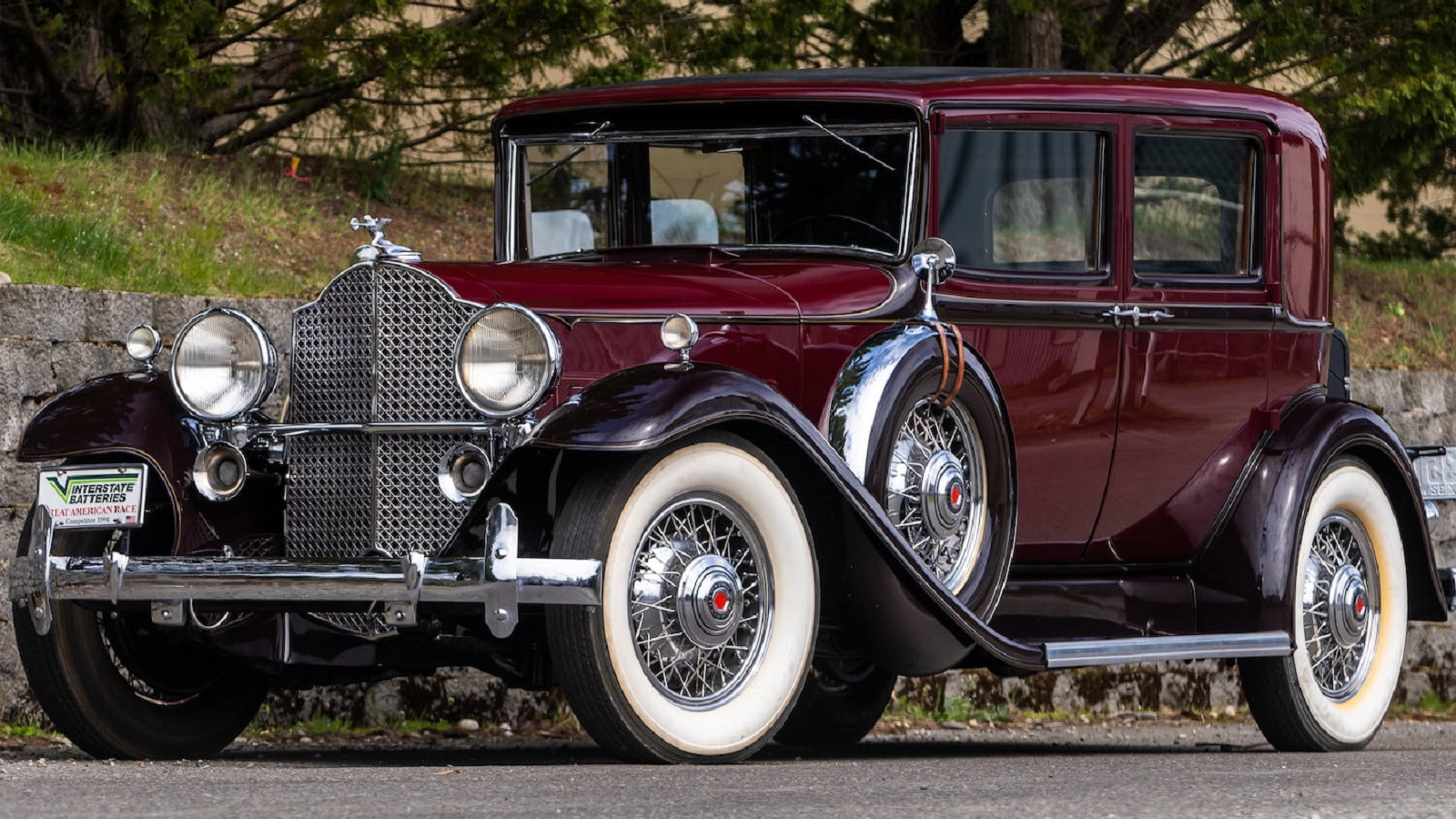
Navigating the Classic Kelley Blue Book (If It Still Existed in a Physical Form)
While a standalone "Classic Kelley Blue Book" no longer exists in the same printed format as in the past, the principles and methodologies it represented are still used by various valuation services. Understanding how the old Classic KBB worked provides valuable insight into the factors considered when valuing vintage cars. Here's a hypothetical guide:
- Identifying Your Vehicle: Accurately identify the year, make, and model of your classic car. This is crucial as even subtle variations can significantly impact value.
- Determining Condition: This is arguably the most important step. Classic KBB used a tiered system, typically ranging from:
- Excellent/Concours: A meticulously restored or preserved vehicle in near-perfect condition, often exceeding original factory standards.
- Very Good: A well-maintained vehicle with minimal flaws, showing signs of careful ownership.
- Good: A presentable vehicle with some wear and tear, but generally in good running condition.
- Fair: A vehicle showing significant wear and tear, requiring restoration or repair.
- Poor: A vehicle in need of extensive restoration, often with significant rust or mechanical issues.
- Checking for Options and Features: Certain factory options and features can increase a classic car's value. These might include rare engine upgrades, specific trim packages, or desirable accessories.
- Considering Documentation: Original paperwork, such as the window sticker, build sheet, or service records, can significantly enhance a classic car's value, especially for rare or historically significant vehicles.
- Consulting the Value Guide: The Classic KBB would provide a range of values based on the vehicle's condition. This range should be considered a guideline, not a definitive price.
Key Factors Influencing Classic Car Value Beyond Condition:
- Rarity: The fewer examples of a particular model that were produced, the higher its potential value.
- Originality: A classic car that retains its original components and features is generally more valuable than one that has been heavily modified.
- Historical Significance: Cars with a significant racing history, celebrity ownership, or other historical connections often command a premium.
- Market Trends: The popularity of certain makes and models can fluctuate over time, impacting their value.
- Location: Demand for certain classic cars may vary depending on geographic location.
- Documentation: Having original paperwork (window sticker, build sheet, service records) adds significant value.
Tips for Maximizing the Value of Your Classic Car:
- Maintain Thorough Records: Keep detailed records of all maintenance, repairs, and restoration work.
- Preserve Originality: Whenever possible, retain original components and avoid unnecessary modifications.
- Address Minor Issues Promptly: Prevent minor problems from escalating into major repairs.
- Detailing and Presentation: A clean, well-presented classic car will always command a higher price.
- Research the Market: Understand the current market trends and pricing for your specific model.
- Consider Professional Appraisal: For valuable or historically significant vehicles, a professional appraisal can provide an accurate and defensible valuation.
Potential Challenges and Solutions:
- Subjectivity in Condition Assessment: Accurately assessing the condition of a classic car can be subjective. Solution: Consult with experienced appraisers or restorers to obtain an objective assessment.
- Lack of Recent Sales Data: Finding comparable sales data for rare or uncommon classic cars can be challenging. Solution: Expand your research to include auction results, online forums, and specialist dealers.
- Fluctuating Market Trends: The classic car market can be volatile. Solution: Stay informed about market trends by reading industry publications, attending car shows, and consulting with experts.
- Fraud and Misrepresentation: The classic car market is vulnerable to fraud and misrepresentation. Solution: Conduct thorough due diligence, inspect vehicles carefully, and seek expert advice before making a purchase.
Modern Alternatives to the Classic KBB (Although Not Directly Equivalent):
While the printed Classic Kelley Blue Book is largely a thing of the past, several online resources and appraisal services offer valuation tools for classic cars. These include:
- Hagerty Valuation Tool: A widely respected resource for classic car values, focusing on insurance valuations.
- NADAguides Classic, Collectible, & Muscle Car Appraisal Guide: Offers a range of values for classic and collectible vehicles.
- ClassicCars.com: Provides a marketplace for classic cars and offers valuation tools based on listings and auction results.
Classic Kelley Blue Book Price Table (Hypothetical)
Since a current Classic Kelley Blue Book does not exist in its original form, this table represents a hypothetical example based on how it might have presented values for a 1967 Ford Mustang Fastback:
| Condition | Description | Estimated Value Range |
|---|---|---|
| Excellent | Concours-level restoration, near-perfect condition. | $85,000 - $120,000 |
| Very Good | Well-maintained, minor flaws, shows careful ownership. | $60,000 - $85,000 |
| Good | Presentable, some wear and tear, good running condition. | $40,000 - $60,000 |
| Fair | Significant wear and tear, requires restoration or repair. | $25,000 - $40,000 |
| Poor | Extensive restoration needed, significant rust or mechanical issues. | $10,000 - $25,000 |
Note: These values are purely hypothetical and for illustrative purposes only. Actual values may vary based on specific factors.
Conclusion:
The Classic Kelley Blue Book, though largely a historical reference point now, represents a valuable methodology for understanding and valuing vintage automobiles. While no single resource can definitively determine a classic car's worth, the principles it embodied – considering condition, rarity, originality, and market trends – remain crucial for anyone involved in the classic car market. By understanding these factors and utilizing available resources, enthusiasts can navigate the world of vintage cars with greater confidence and appreciation.
Frequently Asked Questions (FAQ):
Q: Does the Classic Kelley Blue Book still exist in print? A: No, a standalone "Classic Kelley Blue Book" in the traditional printed format is no longer published.
Q: Where can I find accurate values for my classic car? A: Consider using online resources like Hagerty Valuation Tool, NADAguides Classic, Collectible, & Muscle Car Appraisal Guide, and ClassicCars.com. You can also consult with a professional classic car appraiser.
Q: How important is originality when valuing a classic car? A: Originality is highly important. Cars with original parts and features generally command a higher price.
Q: What if my classic car has been heavily modified? A: Modifications can significantly impact value. While some modifications may enhance performance or aesthetics, they often detract from originality. It's best to consult with an expert to determine the impact on value.
Q: Is a professional appraisal necessary for every classic car? A: Not necessarily. For common models in good condition, online resources may suffice. However, for rare or historically significant vehicles, a professional appraisal is highly recommended.
Q: How often should I have my classic car appraised? A: Appraisals should be updated periodically, especially if significant restoration work has been completed or if the market for your specific model is fluctuating. Every 2-3 years is a good guideline.
Q: What is the difference between "book value" and "market value"? A: "Book value" is an estimated value based on a standardized guide. "Market value" is the actual price a buyer is willing to pay in the current market. Market value can be influenced by various factors not reflected in book value.
The spirit of the Classic Kelley Blue Book lives on in the diligent research and informed decisions that guide classic car enthusiasts today.