Moving is consistently ranked among life's most stressful experiences. From packing endless boxes to navigating unfamiliar streets, the process can feel overwhelming. One crucial element of a successful move, especially a long-distance one, is understanding the costs involved. This is where the U-Haul one-way estimate comes into play. This comprehensive guide aims to demystify the U-Haul one-way estimate, providing you with the knowledge and tools to plan your move effectively, avoid surprises, and ultimately, save money.
U-Haul is a leading provider of moving trucks and equipment, and their one-way rentals are a popular choice for individuals and families relocating across states or even shorter distances when returning the truck to the original location is inconvenient. However, understanding how U-Haul calculates its one-way estimates is crucial to budgeting accurately and avoiding sticker shock on moving day. This article will break down the components of a U-Haul one-way estimate, offer practical tips for obtaining the most accurate quote, and address frequently asked questions to ensure you're well-prepared for your upcoming move.
Decoding the U-Haul One-Way Estimate: A Comprehensive Guide to Planning Your Move
I. Understanding the U-Haul One-Way Estimate: The Core Components
A U-Haul one-way estimate isn't just a single number; it's a compilation of several factors that contribute to the final cost. Knowing these components is the first step towards controlling your moving expenses. Here's a breakdown:
-
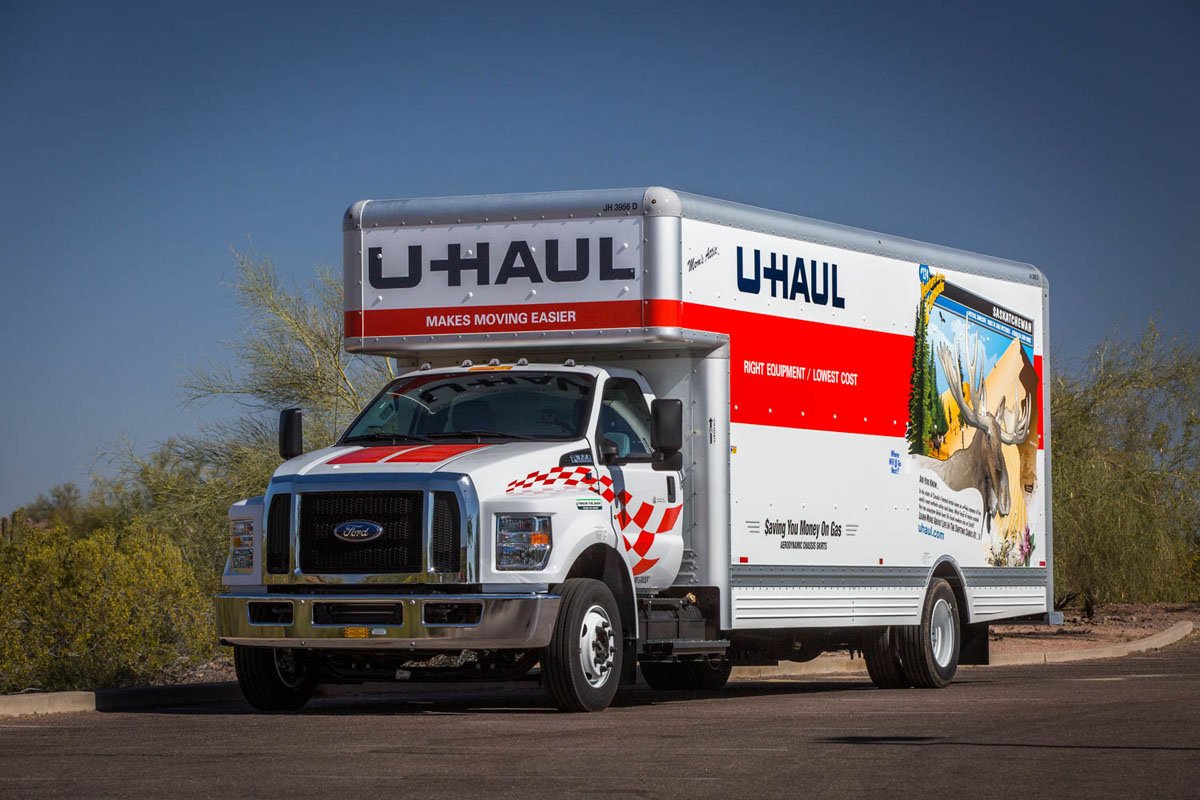
Truck Size: The size of the truck you need directly impacts the price. U-Haul offers various truck sizes, typically ranging from 10-foot cargo vans to 26-foot trucks. Larger trucks cost more to rent due to their increased capacity and operational costs (fuel, maintenance, etc.). Choosing the right size is crucial; renting too small a truck will require multiple trips, while renting too large a truck will increase your fuel costs unnecessarily.
-
Mileage: This is a significant factor in one-way rentals. U-Haul charges a per-mile fee based on the distance between your origin and destination. This fee covers the wear and tear on the vehicle and the cost of transporting it back to its original location (or another high-demand area) after you drop it off. The mileage estimate is calculated based on the most direct route between your pickup and drop-off locations.
-
Rental Days: The number of days you need the truck also affects the cost. U-Haul offers a specific timeframe for one-way rentals, which is included in the initial estimate. Exceeding this timeframe can result in additional daily charges, so it's important to accurately estimate how long you'll need the truck. Consider potential delays, such as traffic, weather, or unexpected packing issues, when determining your rental period.
-
Environmental Fee: This fee is often overlooked but is a standard charge included in the estimate. It's a fixed cost designed to help U-Haul offset the environmental impact of their operations.
-
Protection Plan (Optional): U-Haul offers various protection plans to cover potential damage to the truck or your belongings. These plans are optional, but highly recommended. Options include:
- Safemove: Covers accidental damage to the U-Haul truck.
- Safemove Plus: Includes Safemove coverage, plus cargo protection and medical/life protection.
- Safetow: For customers towing a trailer.
The cost of these plans varies depending on the truck size and rental period. Carefully consider your risk tolerance and the value of your belongings when deciding whether to purchase a protection plan.
-
Taxes and Fees: Sales tax and other applicable fees are added to the total estimate. These fees can vary depending on your location.
II. Obtaining an Accurate U-Haul One-Way Estimate: A Step-by-Step Guide
Getting an accurate estimate is paramount to effective budgeting. Here's how to ensure you get the most precise U-Haul one-way estimate possible:
-
Visit the U-Haul Website or App: The easiest way to get an estimate is through U-Haul's website (uhaul.com) or mobile app.
-
Enter Your Pick-Up and Drop-Off Locations: Provide the exact addresses for both locations. This is crucial for accurate mileage calculation.
-
Select Your Moving Date: Choose the date you plan to pick up the truck. The date can influence the price, as demand fluctuates. Weekends and the end of the month are typically more expensive.
-
Choose Your Truck Size: Select the appropriate truck size based on the estimated amount of belongings you need to move. Use U-Haul's online size guide or consult with a U-Haul representative if you're unsure.
-
Estimate Your Mileage: U-Haul will provide an estimated mileage based on the entered locations. Review this estimate and adjust it if you anticipate any detours or additional travel.
-
Select a Protection Plan (Optional): Decide whether you want to purchase a protection plan and select the appropriate option.
-
Review the Estimate: Carefully review all the details of the estimate, including the truck size, mileage, rental days, protection plan, taxes, and fees.
-
Consider Calling U-Haul Directly: Speaking with a U-Haul representative can provide personalized assistance and answer any questions you may have. They may also be able to offer discounts or promotions.
III. Tips for Reducing Your U-Haul One-Way Rental Costs
While moving can be expensive, there are several strategies you can employ to minimize your U-Haul one-way rental costs:
-
Move During Off-Peak Seasons: Moving during the week, mid-month, or during the off-season (fall and winter) can often result in lower rental rates.
-
Be Flexible with Your Dates: If possible, be flexible with your moving dates. Shifting your move by a day or two can sometimes significantly reduce the price.
-
Choose the Right Truck Size: Avoid renting a truck that's too large for your needs. Accurately assess the amount of belongings you need to move to select the most appropriate size.
-
Pack Efficiently: Proper packing can help you maximize space and potentially reduce the need for a larger truck.
-
Minimize Mileage: Plan your route carefully to minimize mileage. Avoid unnecessary detours or stops.
-
Return the Truck on Time: Avoid late return fees by ensuring you return the truck within the agreed-upon timeframe.
-
Look for Discounts and Promotions: U-Haul often offers discounts for students, military personnel, and AAA members. Check their website or inquire with a representative for available promotions.
-
Consider Alternatives: Explore alternative moving options, such as portable storage containers or freight services, to compare prices and find the most cost-effective solution.
IV. Potential Challenges and Solutions
Even with careful planning, unforeseen challenges can arise during a U-Haul one-way rental. Here are some common issues and potential solutions:
-
Truck Availability: Securing your desired truck size and moving date can be challenging, especially during peak seasons. Solution: Book your rental well in advance to ensure availability.
-
Unexpected Charges: Hidden fees or unexpected charges can significantly increase the final cost. Solution: Carefully review the rental agreement and ask questions about any unclear charges.
-
Damage to the Truck: Accidents can happen, resulting in damage to the truck. Solution: Purchase a protection plan to cover potential damage.
-
Mechanical Issues: Breakdowns or mechanical problems can delay your move. Solution: Inspect the truck thoroughly before departure and report any issues to U-Haul.
-
Difficulty Parking: Parking a large U-Haul truck can be challenging, especially in urban areas. Solution: Plan your parking locations in advance and consider using a spotter to help you navigate tight spaces.
V. U-Haul One-Way Estimate Price Table
Please note that these are estimated prices and can vary significantly based on factors mentioned above, such as distance, time of year, and availability.
| Truck Size | Estimated Local Move (50 miles) | Estimated Long Distance Move (1000 miles) | Estimated Daily Rate | Mileage Rate |
|---|---|---|---|---|
| Cargo Van | $19.95 + Mileage | $19.95 + Mileage | $19.95 | $0.99/mile |
| 10' Truck | $19.95 + Mileage | $19.95 + Mileage | $19.95 | $0.99/mile |
| 15' Truck | $29.95 + Mileage | $29.95 + Mileage | $29.95 | $0.99/mile |
| 20' Truck | $39.95 + Mileage | $39.95 + Mileage | $39.95 | $0.99/mile |
| 26' Truck | $39.95 + Mileage | $39.95 + Mileage | $39.95 | $0.99/mile |
VI. Frequently Asked Questions (FAQ)
-
Q: How far in advance should I book my U-Haul one-way rental?
- A: It's recommended to book your rental at least 2-4 weeks in advance, especially if you're moving during peak season.
-
Q: What happens if I return the truck late?
- A: You'll be charged a late return fee, which can vary depending on the truck size and rental agreement.
-
Q: Can I change my drop-off location after I've booked my rental?
- A: Yes, but it may be subject to availability and additional fees. Contact U-Haul customer service to request a change.
-
Q: What type of insurance do I need to rent a U-Haul truck?
- A: You're not required to purchase U-Haul's protection plans, but they are highly recommended. Your existing auto insurance policy may not cover damage to the rental truck.
-
Q: Can someone else drive the U-Haul truck besides me?
- A: Yes, but any additional drivers must be listed on the rental agreement.
-
Q: What if the mileage estimate is incorrect?
- A: Contact U-Haul customer service to discuss the discrepancy. They may be able to adjust the estimate based on your actual mileage.
VII. Conclusion: Mastering the U-Haul One-Way Estimate for a Stress-Free Move
Understanding the U-Haul one-way estimate is a critical step in planning a successful and affordable move. By understanding the various components of the estimate, obtaining an accurate quote, and implementing cost-saving strategies, you can take control of your moving expenses and minimize stress. Remember to book in advance, be flexible with your dates, and carefully review all the details of your rental agreement. With careful planning and preparation, you can navigate the U-Haul one-way rental process with confidence and embark on your new adventure with peace of mind. Happy moving!