Moving can be a daunting task, often ranking high on the list of life's most stressful events. One of the most significant aspects of any move is transportation, and for many, U-Haul is the go-to choice for renting a truck. However, navigating the intricacies of U-Haul's pricing structure can feel like deciphering a secret code. This comprehensive guide aims to demystify U-Haul rent-a-truck costs, equipping you with the knowledge to plan your move effectively and avoid unexpected expenses. We'll explore the various factors that influence the final price, provide practical tips for saving money, and address common questions to ensure a smooth and cost-effective moving experience.
Why Understanding U-Haul Costs is Crucial
Decoding U-Haul Rent-A-Truck Costs: A Comprehensive Guide
Before diving into the specifics, it's essential to understand why grasping U-Haul's pricing structure is so important. Moving expenses can quickly add up, and knowing how U-Haul charges can significantly impact your budget. Understanding the base rental rates, mileage fees, insurance options, and other potential charges allows you to make informed decisions, compare alternatives, and ultimately save money. Furthermore, being aware of potential pitfalls and hidden costs can prevent unpleasant surprises and ensure a more stress-free move.
Section 1: The Building Blocks of U-Haul Rent-A-Truck Costs
The cost of renting a U-Haul truck isn't a fixed number; it's a calculation based on several key factors:
- Truck Size: U-Haul offers a variety of truck sizes, ranging from pickup trucks and cargo vans to large 26-foot trucks. Naturally, larger trucks cost more to rent due to their increased capacity and fuel consumption.
- Rental Duration: The length of time you rent the truck directly affects the cost. U-Haul offers both local and one-way rentals, each with different pricing structures.
- Mileage: Mileage is a significant cost driver, especially for one-way moves. U-Haul charges a per-mile fee that varies depending on the truck size, location, and demand.
- Location: Rental rates can fluctuate based on location. Demand in certain areas, particularly during peak moving seasons, can drive prices up. The pick-up and drop-off locations also impact the overall cost for one-way rentals.
- Insurance/Protection Plans: U-Haul offers various insurance and protection plans to cover potential damage to the truck, cargo, or personal injury. These plans add to the overall cost but provide peace of mind.
- Additional Services: U-Haul offers a range of additional services, such as moving boxes, packing supplies, hand trucks, and moving help. These services can be convenient but contribute to the total expense.
- Time of Year/Season: Moving during peak season (summer, end of the month) will result in higher prices due to increased demand. Opting for off-peak times can lead to significant savings.
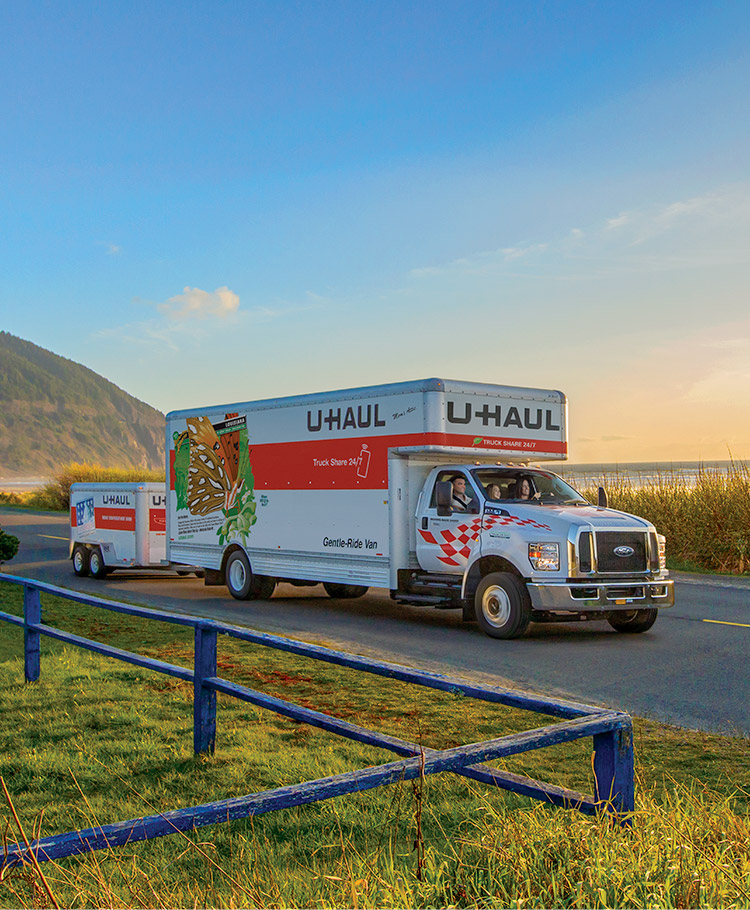
Section 2: Local vs. One-Way Rentals: Understanding the Pricing Differences
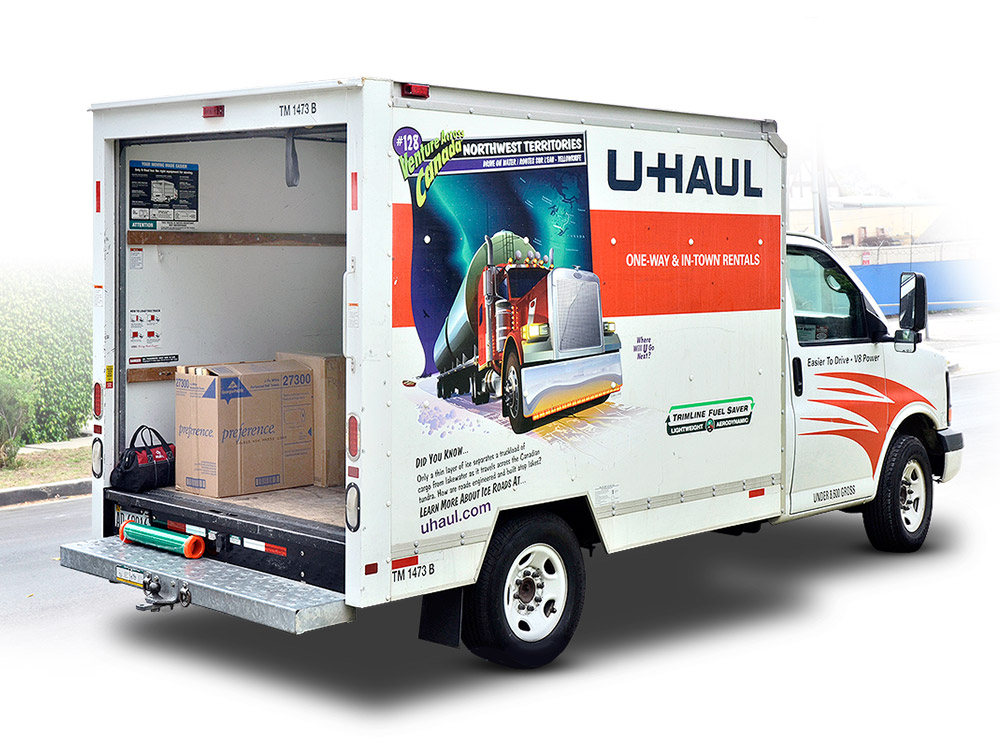
U-Haul offers two primary rental options: local and one-way. Understanding the differences in their pricing structures is crucial for making the right choice for your move.
- Local Rentals: Local rentals involve picking up and returning the truck to the same location. The cost is typically based on an hourly or daily rate, plus a per-mile fee. This option is ideal for short-distance moves within the same city or town.
- One-Way Rentals: One-way rentals allow you to pick up the truck at one location and drop it off at another. The cost is based on a flat fee plus a per-mile fee. The flat fee considers the distance between the pick-up and drop-off locations and the demand for trucks in those areas. This option is suitable for long-distance moves.

The key difference lies in the flat fee associated with one-way rentals. While local rentals may seem cheaper at first glance, the per-mile fee can quickly add up, especially for longer distances. Carefully evaluate the total distance and compare the costs of both options to determine the most cost-effective choice.
Section 3: Decoding U-Haul's Insurance and Protection Plans
U-Haul offers several insurance and protection plans, each designed to cover different aspects of your move. Understanding these options is crucial for making an informed decision about the level of protection you need.
- Safemove: This is U-Haul's most comprehensive protection plan. It covers damage to the rental truck, cargo, and medical bills for injuries sustained during the move.
- Safetow: This plan is specifically for towing a trailer or vehicle behind the U-Haul truck. It covers damage to the towed item and any liability claims arising from the towing process.
- Safestor: This plan provides coverage for your belongings while they are in storage at a U-Haul facility.
While these plans add to the overall cost, they can provide valuable peace of mind, especially for long-distance moves or when transporting valuable items. Consider your risk tolerance and the potential cost of damage or injury when deciding whether to purchase a protection plan. Review your existing auto and homeowner's insurance policies to see what coverage you already have.
Section 4: Tips and Tricks for Saving Money on U-Haul Rentals
Moving can be expensive, but there are several ways to save money on your U-Haul rental:
- Move During Off-Peak Seasons: Moving during the summer months or at the end of the month is typically more expensive due to higher demand. Consider moving during the off-season (fall, winter) or mid-week to take advantage of lower rates.
- Book in Advance: Booking your U-Haul rental well in advance can often secure a lower rate. Last-minute bookings are typically more expensive due to limited availability.
- Compare Prices: Don't settle for the first price you see. Compare prices from different U-Haul locations and consider alternative rental companies.
- Choose the Right Truck Size: Renting a truck that is too large is a waste of money. Carefully estimate the amount of space you need to avoid paying for unused capacity.
- Pack Efficiently: Proper packing can maximize space and reduce the number of trips required, saving on mileage costs.
- Return the Truck on Time: Late returns can result in hefty late fees. Plan your move carefully to ensure you return the truck on time.
- Refuel the Truck: U-Haul charges a higher rate for refueling the truck. Fill up the tank before returning it to avoid these extra charges.
- Consider Alternative Transportation: If you're moving a small amount of items, consider using a cargo van or even a trailer instead of a full-size truck.
- Look for Discounts: U-Haul often offers discounts for students, military personnel, and AAA members. Inquire about available discounts when booking your rental.
Section 5: Potential Challenges and Solutions
Renting a U-Haul truck isn't always smooth sailing. Here are some potential challenges and solutions to consider:
- Truck Availability: During peak season, truck availability can be limited. Book well in advance and be flexible with your pick-up and drop-off dates.
- Unexpected Fees: Carefully review the rental agreement to understand all potential fees and charges. Ask questions if anything is unclear.
- Truck Condition: Inspect the truck thoroughly before driving it off the lot. Document any existing damage to avoid being charged for it later.
- Hidden Costs: Be aware of potential hidden costs, such as environmental fees or fuel surcharges.
- Finding Movers: Hiring movers can be expensive. Consider enlisting the help of friends and family or using a moving labor service.
Section 6: U-Haul Rent A Truck Cost Pricing Table
| Truck Size | Local Rental (Hourly Rate) | Local Rental (Per Mile) | One-Way Rental (Base Rate - Example: Chicago to Dallas) | One-Way Rental (Per Mile) | Ideal For |
|---|---|---|---|---|---|
| Pickup Truck | $19.95 + | $0.99+ | $300 - $500+ | $0.99+ | Small apartments, few furniture items |
| Cargo Van | $19.95 + | $0.99+ | $400 - $600+ | $0.99+ | Small apartments, few furniture items |
| 10' Truck | $19.95 + | $0.99+ | $500 - $700+ | $0.99+ | Studio apartments, small 1-bedroom |
| 15' Truck | $29.95 + | $0.99+ | $600 - $800+ | $0.99+ | 1-2 bedroom apartments/houses |
| 20' Truck | $39.95 + | $0.99+ | $700 - $900+ | $0.99+ | 2-3 bedroom houses |
| 26' Truck | $39.95 + | $0.99+ | $800 - $1000+ | $0.99+ | 3+ bedroom houses, large families |
Disclaimer: These prices are estimates and can vary significantly based on location, demand, season, and other factors. Contact U-Haul directly for accurate quotes.
Section 7: Frequently Asked Questions (FAQ)
-
Q: How much does it cost to rent a U-Haul truck for a day?
- A: The cost varies depending on the truck size, location, and time of year. Expect to pay anywhere from $19.95 to $39.95 per day, plus a per-mile fee.
-
Q: What is the cheapest way to rent a U-Haul truck?
- A: Move during the off-season, book in advance, choose the right truck size, and compare prices from different locations.
-
Q: Does U-Haul offer unlimited mileage?
- A: No, U-Haul typically charges a per-mile fee for both local and one-way rentals.
-
Q: What happens if I return the U-Haul truck late?
- A: You will be charged a late fee, which can be significant.
-
Q: Do I need insurance to rent a U-Haul truck?
- A: You are not required to purchase U-Haul's insurance, but you are responsible for any damage to the truck. Consider your existing auto and homeowner's insurance policies.
-
Q: Can I drop off a U-Haul truck at a different location?
- A: Yes, you can choose a one-way rental, which allows you to drop off the truck at a different location.
-
Q: What is the U-Haul fuel policy?
- A: You are responsible for returning the truck with the same amount of fuel as when you picked it up. U-Haul charges a higher rate for refueling the truck.
Conclusion: Planning Your Move for Maximum Savings
Understanding U-Haul rent-a-truck costs is essential for planning a cost-effective move. By considering the various factors that influence pricing, taking advantage of money-saving tips, and being aware of potential challenges, you can navigate the U-Haul rental process with confidence. Remember to compare prices, book in advance, and choose the right truck size for your needs. With careful planning and informed decision-making, you can minimize your moving expenses and make your move a smoother and less stressful experience. Moving is a significant undertaking, but with the right knowledge, you can conquer the costs and embark on your new chapter with peace of mind.