In the dynamic world of logistics and transportation, flexibility and access to reliable equipment are paramount. Whether you're a growing company experiencing a surge in demand, a fleet operator needing temporary replacements, or an individual owner-operator facing unforeseen mechanical issues, having a dependable semi-truck rental option is crucial. Enterprise Semi Truck Rental offers just that: a convenient and often cost-effective solution for accessing the heavy-duty vehicles needed to keep your business moving. This comprehensive guide delves into the details of Enterprise Semi Truck Rental, exploring its benefits, processes, considerations, and potential challenges, providing you with the knowledge to make informed decisions and maximize the value of this service.
1. Understanding Enterprise Semi Truck Rental: A Versatile Solution
Enterprise Semi Truck Rental: A Comprehensive Guide to Powering Your Business
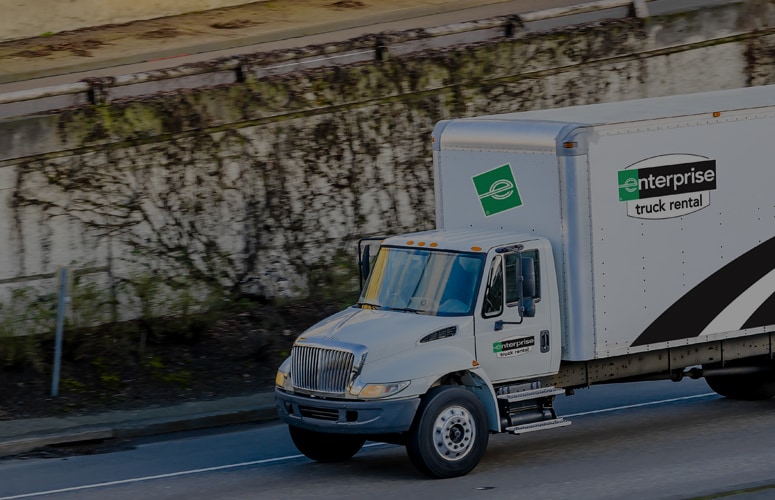
Enterprise Semi Truck Rental provides businesses and individuals with short-term or long-term access to a fleet of well-maintained semi-trucks. Unlike purchasing a vehicle, renting allows you to avoid the significant upfront costs, depreciation, and ongoing maintenance responsibilities associated with ownership. This flexibility is particularly valuable for businesses that experience seasonal fluctuations in demand, are testing new routes or markets, or need temporary replacements while their own vehicles are undergoing repairs.
Enterprise, a well-established name in the vehicle rental industry, leverages its extensive network and expertise to offer a range of semi-truck rental options, catering to diverse transportation needs. Their commitment to customer service and well-maintained vehicles makes them a popular choice for businesses across various sectors.
2. The Benefits of Choosing Enterprise Semi Truck Rental
Opting for Enterprise Semi Truck Rental offers several key advantages:
- Cost-Effectiveness: Renting eliminates the substantial capital expenditure required to purchase a semi-truck. You avoid down payments, loan interest, registration fees, and property taxes. Instead, you pay a predictable rental fee, which can be a more manageable expense, especially for smaller businesses.
- Flexibility and Scalability: Renting allows you to adjust your fleet size to match your current workload. During peak seasons, you can easily add trucks to meet increased demand, and during slower periods, you can reduce your fleet without incurring unnecessary expenses. This adaptability is crucial for navigating the unpredictable nature of the transportation industry.
- Reduced Maintenance Responsibilities: Enterprise assumes responsibility for the maintenance and repairs of their rental trucks. This significantly reduces your operational burden and eliminates the need for dedicated maintenance personnel or expensive repair bills.
- Access to Modern and Well-Maintained Equipment: Enterprise typically maintains a fleet of relatively new and well-maintained semi-trucks. This ensures reliability and minimizes the risk of breakdowns, reducing downtime and increasing efficiency.
- Trial Period for Specific Truck Types: Renting allows you to test different truck models and configurations before making a significant investment in purchasing one. This is particularly valuable if you're considering upgrading your fleet or entering a new market requiring specialized equipment.
- Business Expansion without Major Capital Investment: If you are looking to expand into new markets or routes, renting allows you to test the waters without a major capital investment in purchasing new vehicles.
3. Navigating the Enterprise Semi Truck Rental Process: A Step-by-Step Guide
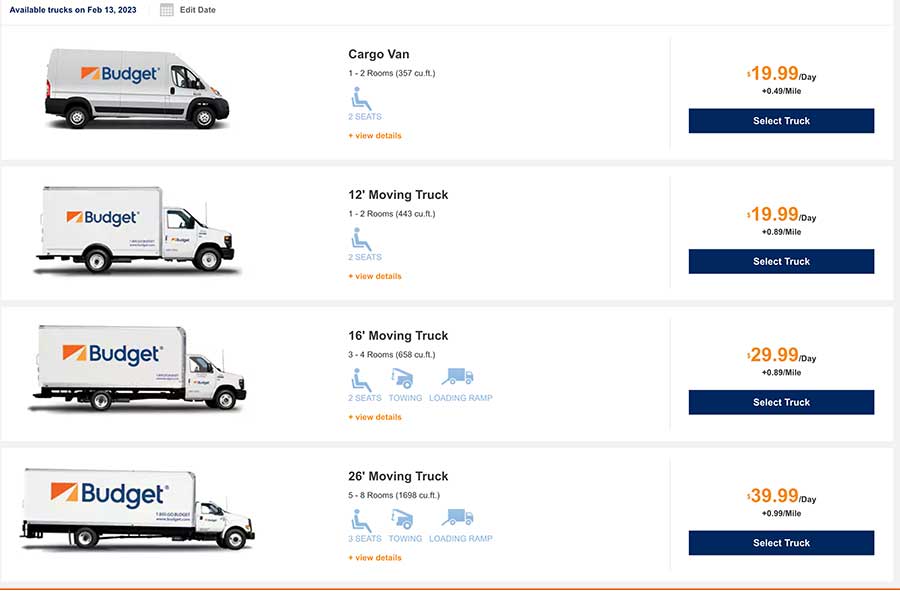
Renting a semi-truck from Enterprise involves a straightforward process:
- Research and Identify Your Needs: Determine the specific type of semi-truck you require, considering factors such as cargo capacity, trailer compatibility, and fuel efficiency. Consider the duration of your rental, estimated mileage, and any specific features or requirements.
- Contact Enterprise and Request a Quote: Reach out to your local Enterprise Truck Rental branch or visit their website to request a quote. Provide detailed information about your needs, including the type of truck, rental duration, and estimated mileage.
- Review the Rental Agreement: Carefully review the rental agreement, paying close attention to the terms and conditions, including the rental fees, mileage allowance, insurance coverage, and responsibility for damages.
- Provide Required Documentation: You will typically need to provide a valid driver's license (CDL with appropriate endorsements), proof of insurance, and potentially other documentation depending on the rental agreement.
- Inspect the Truck: Before driving the truck off the lot, thoroughly inspect it for any existing damage or mechanical issues. Document any pre-existing damage to avoid being held liable for it later.
- Operate the Truck Responsibly: Adhere to all traffic laws and safety regulations while operating the rental truck. Ensure proper cargo loading and securement to prevent accidents and damage.
- Return the Truck on Time: Return the truck to the designated Enterprise location on or before the agreed-upon return date and time. Ensure the truck is clean and in the same condition as when you received it, minus normal wear and tear.
4. Key Considerations Before Renting from Enterprise
Before committing to an Enterprise Semi Truck Rental, consider the following:
- Rental Costs: Compare rental rates from different Enterprise locations and consider the total cost, including mileage charges, insurance, and any additional fees.
- Insurance Coverage: Verify that your existing insurance policy covers rental trucks or purchase additional coverage from Enterprise. Ensure that the coverage limits are adequate to protect you from potential liability.
- Mileage Restrictions: Be aware of any mileage restrictions imposed by the rental agreement and factor in potential overage charges.
- Maintenance Responsibilities: Understand your responsibilities regarding routine maintenance, such as checking fluid levels and tire pressure.
- Fuel Costs: Factor in fuel costs, which can be a significant expense, especially for long-distance hauls.
- Availability: Semi-trucks can be in high demand, so book your rental in advance, especially during peak seasons.
- Read the Fine Print: Always carefully review the entire rental agreement before signing.
5. Types of Semi-Trucks Available for Rent
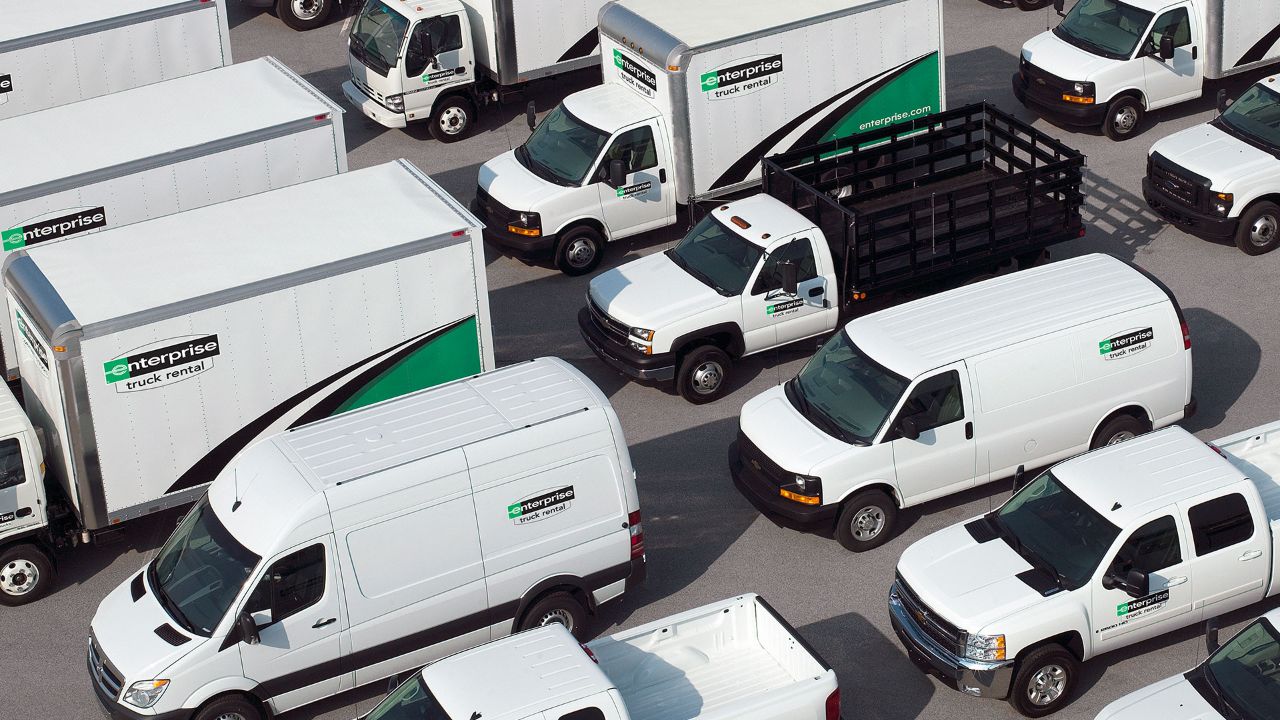
Enterprise Semi Truck Rental typically offers a variety of semi-trucks to cater to different transportation needs, including:
- Day Cabs: Ideal for short-haul deliveries and local transportation.
- Sleeper Cabs: Equipped with sleeping compartments for long-distance hauling and overnight trips.
- Tractor-Trailers: The most common type of semi-truck, used for hauling a wide range of goods.
- Specialized Trucks: Depending on the location, Enterprise may offer specialized trucks, such as refrigerated trucks, flatbeds, or tankers.
6. Tips for a Smooth and Successful Rental Experience
- Plan Ahead: Book your rental in advance, especially during peak seasons, to ensure availability.
- Communicate Clearly: Communicate your needs and expectations to Enterprise representatives to ensure you receive the right truck and service.
- Inspect Thoroughly: Conduct a thorough inspection of the truck before driving it off the lot and document any pre-existing damage.
- Drive Safely: Adhere to all traffic laws and safety regulations while operating the rental truck.
- Keep Records: Maintain accurate records of mileage, fuel consumption, and any maintenance performed.
- Return on Time: Return the truck on time to avoid late fees.
7. Potential Challenges and Solutions
- Limited Availability: Semi-trucks can be in high demand, especially during peak seasons. Solution: Book your rental in advance.
- Unexpected Repairs: Although Enterprise is responsible for maintenance, breakdowns can still occur. Solution: Contact Enterprise immediately for assistance and follow their instructions.
- High Mileage Charges: Exceeding the mileage allowance can result in significant overage charges. Solution: Accurately estimate your mileage needs and choose a rental agreement with an appropriate allowance.
- Damage Claims: Disputes over damage claims can arise. Solution: Thoroughly document the condition of the truck before and after the rental and maintain clear communication with Enterprise.
8. Enterprise Semi Truck Rental Pricing Table
| Truck Type | Daily Rate | Weekly Rate | Monthly Rate | Mileage Allowance (per day) | Additional Mileage Fee | Insurance (Optional) | Additional Notes |
|---|---|---|---|---|---|---|---|
| Day Cab | $150 - $250 | $800 - $1500 | $2500 - $4500 | 200 miles | $0.30 - $0.50/mile | $25 - $50/day | Ideal for short-haul deliveries. |
| Sleeper Cab | $200 - $350 | $1200 - $2100 | $3500 - $6000 | 300 miles | $0.30 - $0.50/mile | $30 - $60/day | Suitable for long-distance trips. |
| Tractor-Trailer (Dry Van) | $250 - $400 | $1500 - $2500 | $4500 - $7500 | 300 miles | $0.40 - $0.60/mile | $35 - $70/day | Standard for hauling various goods. |
| Refrigerated Truck | $300 - $500 | $1800 - $3000 | $5500 - $9000 | 250 miles | $0.40 - $0.60/mile | $40 - $80/day | For temperature-sensitive cargo. |
| Flatbed Truck | $225 - $375 | $1350 - $2250 | $4000 - $6750 | 250 miles | $0.35 - $0.55/mile | $30 - $65/day | For hauling oversized or oddly shaped items. |
Disclaimer: Prices are estimates and may vary based on location, availability, time of year, and specific truck configuration. Contact your local Enterprise Truck Rental branch for an accurate quote.
9. Frequently Asked Questions (FAQ)
-
Q: What are the minimum requirements to rent a semi-truck from Enterprise?
- A: You typically need a valid Commercial Driver's License (CDL) with appropriate endorsements, proof of insurance, and a good driving record.
-
Q: Does Enterprise offer insurance coverage for rental semi-trucks?
- A: Yes, Enterprise offers various insurance options, including liability, collision, and cargo insurance.
-
Q: What happens if the rental truck breaks down?
- A: Contact Enterprise immediately. They will arrange for repairs or a replacement truck.
-
Q: Can I rent a semi-truck for one-way trips?
- A: One-way rentals may be available at select locations. Contact Enterprise to inquire about availability and pricing.
-
Q: What is the fuel policy for Enterprise semi-truck rentals?
- A: You are typically responsible for refueling the truck to the same level as when you received it.
-
Q: Are there any restrictions on where I can drive the rental truck?
- A: Some rental agreements may have restrictions on driving into certain areas or across state lines. Check the agreement carefully.
Conclusion: Empowering Your Transportation Needs
Enterprise Semi Truck Rental provides a valuable solution for businesses and individuals seeking flexible and cost-effective access to heavy-duty vehicles. By understanding the benefits, processes, considerations, and potential challenges associated with renting, you can make informed decisions and maximize the value of this service. Whether you're experiencing a surge in demand, need temporary replacements, or are testing new markets, Enterprise Semi Truck Rental can help you keep your business moving forward. With careful planning and a thorough understanding of the rental agreement, you can leverage the power of Enterprise to meet your transportation needs and achieve your business goals. The key is to be prepared, ask questions, and always prioritize safety and compliance with regulations. By doing so, you can ensure a smooth and successful rental experience.