Introduction: Unlocking the Open Road with Fifth Wheel Truck Rentals
Dreaming of exploring the country with a luxurious fifth wheel camper? The allure of spacious living, comfortable amenities, and the freedom to roam is undeniable. But owning a truck capable of safely towing these large trailers can be a significant investment. This is where "Fifth Wheel Truck For Rent" becomes a game-changer. Renting a properly equipped truck specifically designed for fifth wheel towing allows you to experience the fifth wheel lifestyle without the long-term commitment, high costs of ownership, and ongoing maintenance associated with purchasing a suitable vehicle. This guide provides a comprehensive overview of fifth wheel truck rentals, covering everything from understanding the basics to navigating the rental process and ensuring a safe and enjoyable journey. Whether you're a seasoned RVer looking for a temporary solution or a first-timer eager to test the waters, this article will equip you with the knowledge to make informed decisions about renting a fifth wheel truck.
Fifth Wheel Truck For Rent: Your Comprehensive Guide to Towing Freedom
Section 1: Understanding the Basics of Fifth Wheel Towing and Truck Requirements
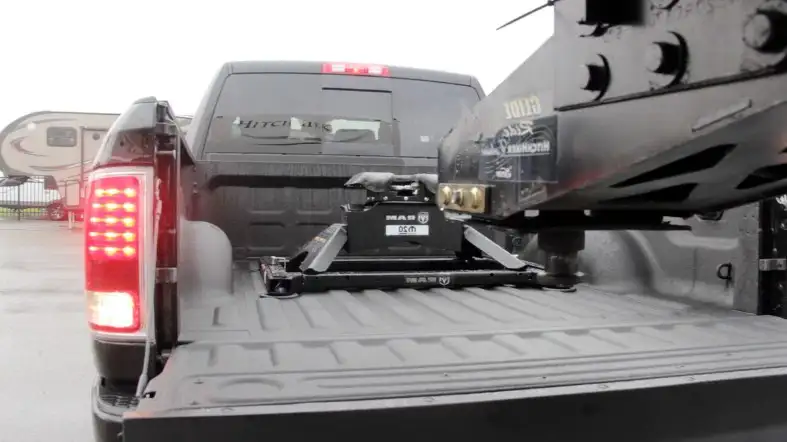
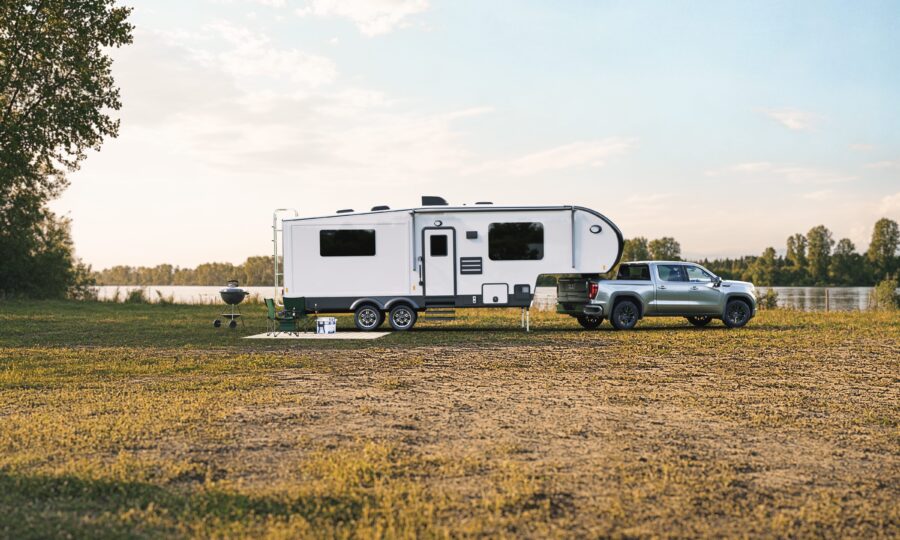
Before diving into the rental process, it's crucial to understand what makes a truck suitable for towing a fifth wheel. Fifth wheel trailers differ significantly from traditional travel trailers. Their hitch is located in the bed of the truck, directly above or slightly behind the rear axle, creating a more stable and secure connection. This design distributes the trailer's weight more evenly, reducing sway and improving handling.
-
Towing Capacity: This is arguably the most critical factor. The truck's towing capacity must exceed the gross vehicle weight rating (GVWR) of the fifth wheel trailer. The GVWR is the maximum permissible weight of the trailer when fully loaded with cargo, water, and passengers. Always prioritize safety and err on the side of caution.
-
Payload Capacity (or Cargo Carrying Capacity - CCC): This refers to the maximum weight a truck can carry, including passengers, cargo, and the fifth wheel hitch itself. The hitch can weigh several hundred pounds, so it's crucial to factor this into the calculation. Exceeding the payload capacity can compromise the truck's handling and braking performance.
-
Gross Combined Weight Rating (GCWR): This is the maximum permissible weight of the truck and the trailer combined. Ensure that the combined weight of your loaded truck and fifth wheel does not exceed the GCWR.

Hitch Type: Fifth wheel hitches come in various types, including standard, slider, and gooseneck adapters. The rental truck must be equipped with a compatible hitch, and you need to understand how it operates. Slider hitches are particularly useful for short-bed trucks, as they provide additional clearance during tight turns.
-
Braking System: Fifth wheel trailers typically have electric brakes. The rental truck must have a properly functioning brake controller that is compatible with the trailer's braking system.
Section 2: Benefits of Renting a Fifth Wheel Truck
Renting a fifth wheel truck offers numerous advantages over purchasing one:
-
Cost Savings: The initial cost of a heavy-duty truck suitable for fifth wheel towing can be substantial. Renting eliminates this upfront investment, along with ongoing expenses such as insurance, maintenance, and depreciation.
-
Flexibility: Renting allows you to tow a fifth wheel without the long-term commitment of ownership. You can rent for a specific trip or season and return the truck when you're finished.
-
Variety: Rental companies often offer a range of truck models and configurations to choose from, allowing you to select the perfect vehicle for your specific towing needs.
-
Maintenance-Free: You don't have to worry about routine maintenance or repairs when renting. The rental company is responsible for keeping the truck in good working order.
-
Test Before You Buy: Renting a truck allows you to experience fifth wheel towing firsthand before making a significant investment in purchasing your own rig.
Section 3: Where to Find Fifth Wheel Truck Rentals
Several avenues exist for finding fifth wheel truck rentals:
-
RV Rental Companies: Many RV rental companies also offer truck rental options specifically designed for towing fifth wheels. These companies often have a fleet of well-maintained trucks with the necessary hitches and brake controllers.
-
Truck Rental Agencies: Some major truck rental agencies may offer heavy-duty trucks suitable for fifth wheel towing. However, it's crucial to verify that the truck is equipped with the necessary hitch and brake controller and that the agency is familiar with fifth wheel towing requirements.
-
Peer-to-Peer Rental Platforms: Online platforms connect truck owners with renters. These platforms can offer a wider selection of trucks at potentially lower prices. However, it's essential to carefully vet the truck and the owner before renting.
-
Local Dealerships: Some truck dealerships may offer rental programs for their heavy-duty trucks. This can be a good option if you're considering purchasing a truck in the future.
Section 4: The Rental Process: A Step-by-Step Guide
Renting a fifth wheel truck involves several key steps:
-
Determine Your Towing Needs: Calculate the GVWR of your fifth wheel trailer and research the towing capacity, payload capacity, and GCWR requirements for your specific trailer.
-
Research Rental Options: Explore different rental companies, agencies, and platforms, comparing prices, truck models, and availability.
-
Verify Truck Specifications: Ensure that the rental truck meets your towing needs. Confirm the towing capacity, payload capacity, GCWR, hitch type, and brake controller functionality.
-
Inspect the Truck: Before signing the rental agreement, thoroughly inspect the truck for any damage or mechanical issues. Document any pre-existing damage to avoid being held responsible later.
-
Understand the Rental Agreement: Carefully read and understand the rental agreement, paying attention to mileage limits, insurance coverage, and return policies.
-
Practice Towing: If you're new to fifth wheel towing, practice in a safe and open area before hitting the road. Get comfortable with maneuvering, braking, and turning with the trailer.
Section 5: Important Considerations and Safety Tips
-
Insurance: Ensure that the rental truck is adequately insured. Review the rental company's insurance policy and consider purchasing supplemental insurance for added protection.
-
Driver's License: Verify that your driver's license is valid and that you have the necessary endorsements to operate a heavy-duty truck and tow a fifth wheel trailer. Some states may require a commercial driver's license (CDL) for certain combinations of truck and trailer weight.
-
Weight Distribution: Properly distribute the weight in your fifth wheel trailer to ensure stability and prevent sway.
-
Tire Pressure: Maintain proper tire pressure in both the truck and the trailer.
-
Regular Inspections: Regularly inspect the truck and trailer, including the hitch, brakes, lights, and tires.
-
Safe Driving Practices: Drive defensively and allow plenty of following distance. Avoid sudden braking or sharp turns. Be aware of your surroundings and anticipate potential hazards.
Section 6: Potential Challenges and Solutions
-
Finding a Suitable Truck: Heavy-duty trucks equipped for fifth wheel towing can be challenging to find, especially during peak seasons. Book your rental well in advance to secure the truck you need.
-
Understanding Hitch Operation: Fifth wheel hitches can be complex. Ask the rental company for a demonstration and ensure you understand how to operate the hitch properly.
-
Weight Restrictions: Be aware of weight restrictions on roads and bridges. Plan your route accordingly.
-
Fuel Consumption: Heavy-duty trucks consume more fuel than standard vehicles. Budget accordingly for fuel expenses.
Section 7: Fifth Wheel Truck Rental Pricing
The cost of renting a fifth wheel truck can vary depending on several factors, including the truck model, rental duration, mileage limits, and location. The table below shows price example.
| Feature | Details | Average Price |
|---|---|---|
| Daily Rate | Base price for a single day rental (mileage may be limited). | $150 - $350 |
| Weekly Rate | Discounted rate for renting for 7 consecutive days. | $900 - $2100 |
| Monthly Rate | Substantially discounted rate for long-term rentals (30+ days). | $3500 - $7000 |
| Mileage Fee | Cost per mile driven exceeding a pre-agreed limit (e.g., 100 miles/day included). | $0.25 - $0.75/mile |
| Hitch Installation Fee | One-time fee if the truck requires installation of a fifth wheel hitch. | $100 - $300 |
| Insurance (Daily) | Daily cost for basic liability and damage insurance. | $20 - $50 |
| Security Deposit | Refundable deposit to cover potential damages or excessive wear and tear. | $500 - $1500 |
| Cleaning Fee | Charge if the truck is returned excessively dirty. | $50 - $200 |
| Late Return Fee | Fee for returning the truck past the agreed-upon return time. | Varies |
| One-Way Fee | Additional charge for dropping off the truck at a different location than where it was picked up. | Varies |
| Brake Controller Fee | Additional fee for the brake controller installation if it is not already installed in the truck. | $50 - $150 |
Section 8: Frequently Asked Questions (FAQ)
-
Q: What type of truck do I need to tow a fifth wheel?
- A: You'll need a heavy-duty truck (typically a 3/4-ton or 1-ton pickup) with sufficient towing capacity, payload capacity, and GCWR.
-
Q: Do I need a special license to tow a fifth wheel?
- A: Some states may require a commercial driver's license (CDL) for certain combinations of truck and trailer weight. Check your state's regulations.
-
Q: What is a fifth wheel hitch?
- A: A fifth wheel hitch is a type of hitch that is mounted in the bed of the truck and connects to the kingpin on the fifth wheel trailer.
-
Q: How do I calculate the towing capacity I need?
- A: Determine the GVWR of your fifth wheel trailer and ensure that the truck's towing capacity exceeds this number.
-
Q: What happens if I damage the rental truck?
- A: You will be responsible for the cost of repairs, subject to the terms of the rental agreement and your insurance coverage.
Conclusion: Embrace the Fifth Wheel Adventure with Confidence
Renting a fifth wheel truck is an excellent way to experience the freedom and comfort of fifth wheel travel without the financial burden of ownership. By understanding the basics of fifth wheel towing, researching rental options, and following the safety tips outlined in this guide, you can confidently embark on your next adventure. Remember to prioritize safety, thoroughly inspect the truck, and understand the rental agreement before hitting the open road. With careful planning and preparation, your fifth wheel truck rental experience can be a memorable and rewarding one.