North Carolina, with its diverse culinary scene and thriving tourism industry, is a fantastic place to launch a food business. And what better way to enter this market than with a food trailer? A food trailer for sale in NC offers a lower-cost, mobile alternative to traditional brick-and-mortar restaurants, allowing you to bring your delicious creations directly to your target audience. This comprehensive guide will walk you through everything you need to know about finding, evaluating, and purchasing a food trailer for sale in North Carolina, setting you on the path to culinary entrepreneurship.
Why Choose a Food Trailer in NC?
Food Trailer For Sale NC: Your Comprehensive Guide to Mobile Culinary Success
The popularity of food trucks and trailers has exploded in recent years, and for good reason. Here's why a food trailer in NC might be the perfect choice for your business:
- Lower Startup Costs: Compared to opening a restaurant, the initial investment for a food trailer is significantly lower. You avoid high rent, extensive renovations, and large staffing requirements.
- Mobility and Flexibility: A food trailer allows you to test different locations, target specific events, and adapt to changing market demands. You're not tied to a single location.
- Brand Building: A well-designed and eye-catching food trailer can become a mobile billboard for your brand, attracting attention and creating a memorable customer experience.
- Reduced Operational Costs: Food trailers typically have lower operational costs than restaurants, including utilities, staffing, and maintenance.
- Rapid Launch: The process of setting up a food trailer business is generally faster than opening a traditional restaurant, allowing you to start generating revenue sooner.
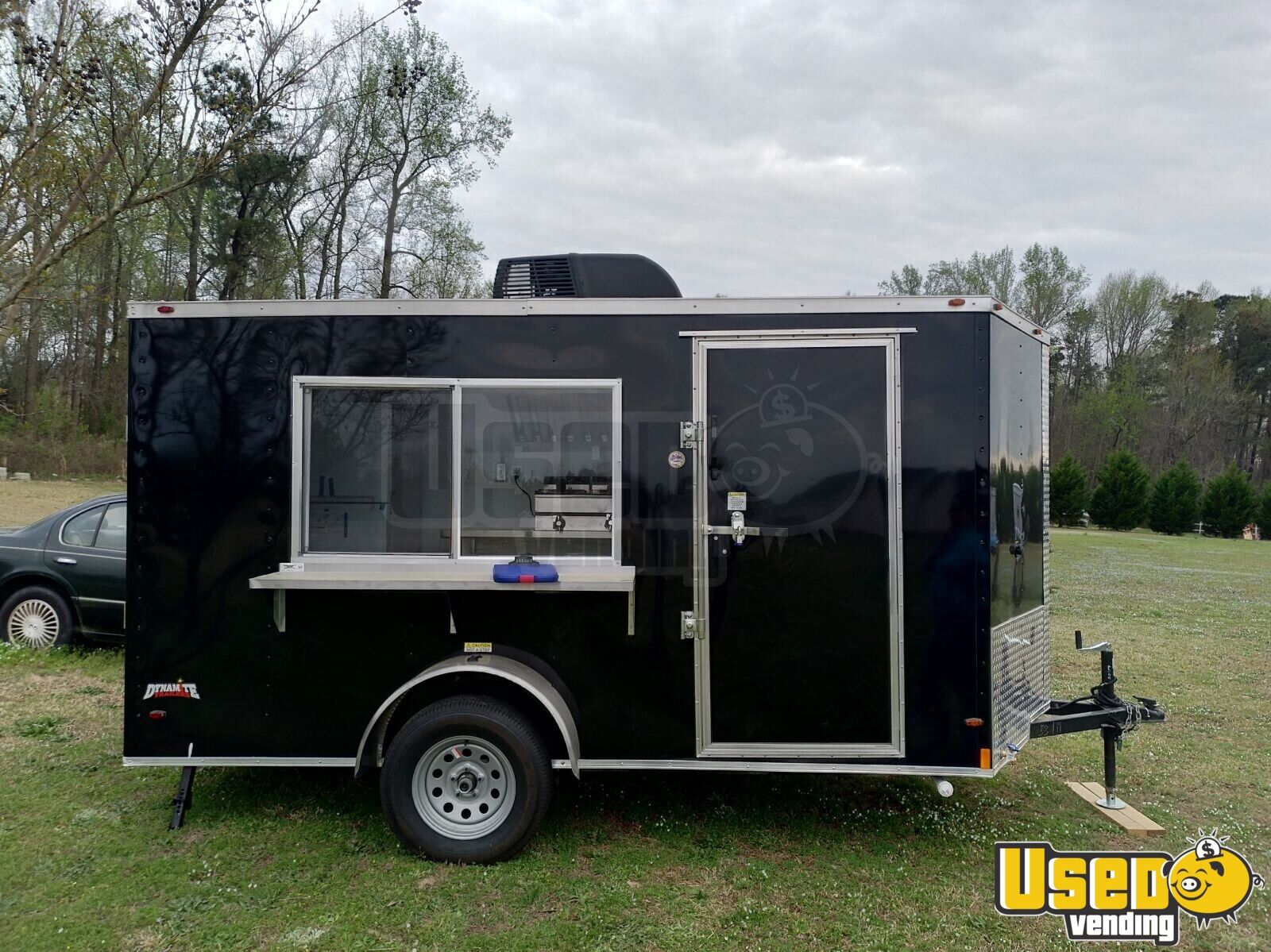
Finding the Right Food Trailer for Sale in NC: Where to Look
The search for the perfect food trailer can be exciting but also overwhelming. Here are some resources to help you find the right one for your needs:
- Online Marketplaces: Websites like Craigslist, Facebook Marketplace, eBay, and specialized food truck/trailer marketplaces (like Roaming Hunger or FoodTrucksForSale.com) are great starting points. Be sure to filter your search by location (North Carolina) and desired features.
- Local Manufacturers and Dealers: Many manufacturers and dealers in NC specialize in building and selling food trailers. This allows you to customize your trailer to your exact specifications and potentially receive better financing options.
- Restaurant Equipment Suppliers: Some restaurant equipment suppliers also offer used or refurbished food trailers. This can be a good option if you're looking for a more affordable option or have specific equipment requirements.
- Auctions: Keep an eye out for auctions of restaurant equipment or business assets. You might be able to find a food trailer at a discounted price.
- Networking: Connect with other food truck and trailer owners in NC. They may know of trailers for sale or have valuable insights into the local market.
- Online classifieds: Use Google to search "Food trailer for sale near me", "food truck for sale in North Carolina", "food trailer for sale in [city name, e.g., Raleigh]"


Evaluating a Food Trailer: What to Look For
Once you've found a few potential food trailers, it's crucial to evaluate them carefully. Here's a checklist of important factors to consider:
- Condition: Thoroughly inspect the trailer's exterior and interior for any signs of damage, rust, leaks, or wear and tear. Pay close attention to the frame, axles, tires, and electrical and plumbing systems.
- Equipment: Ensure that the trailer includes all the necessary equipment for your menu, such as grills, fryers, refrigerators, freezers, ovens, and prep tables. Check the condition and functionality of each piece of equipment. Is it NSF certified?
- Size and Layout: Consider the size of the trailer and the layout of the interior. Is there enough space for your staff to work comfortably and efficiently? Does the layout allow for a smooth flow of operations?
- Electrical and Plumbing: Inspect the electrical and plumbing systems to ensure they are in good working order and meet local codes. Pay attention to the amperage, voltage, water tank capacity, and waste water disposal system.
- Ventilation: Adequate ventilation is essential for a safe and comfortable working environment. Check the condition of the exhaust hood and ensure it meets fire safety regulations.
- Permits and Licenses: Ask the seller if the trailer has any existing permits or licenses. If so, determine whether they are transferable and what steps are required to obtain them in your name.
- Price: Compare the price of the trailer to similar models on the market. Consider the condition, equipment, and age of the trailer when evaluating the price.
- History: Ask for the trailer's maintenance history. This can give you insights into its reliability and potential future repairs.
- Test Run: If possible, request a test run of the equipment and systems to ensure they are functioning properly.
Essential Considerations Before You Buy
Beyond the physical inspection of the trailer, there are several other crucial considerations to address before making a purchase:
- Business Plan: Develop a comprehensive business plan that outlines your menu, target market, pricing strategy, marketing plan, and financial projections. This will help you determine the type of food trailer you need and whether your business is financially viable.
- Financing: Explore financing options if you need help covering the cost of the trailer. Banks, credit unions, and specialized lenders offer financing for food trucks and trailers.
- Permits and Licenses: Research the permits and licenses required to operate a food trailer in your desired locations. This may include a food service permit, mobile vendor permit, fire safety permit, and business license. Contact your local health department and city or county government for more information.
- Insurance: Obtain adequate insurance coverage for your food trailer, including liability insurance, property insurance, and workers' compensation insurance (if you have employees).
- Location, Location, Location: Research potential locations for your food trailer. Consider factors such as foot traffic, competition, zoning regulations, and parking availability.
- Health Department Regulations: Understand and comply with all applicable health department regulations regarding food safety, sanitation, and hygiene.
- Menu Planning: Develop a menu that is both appealing to your target market and practical to prepare in a food trailer environment.
- Staffing: Determine how many employees you will need to operate your food trailer efficiently.
- Legal Considerations: Consult with an attorney to ensure you are complying with all applicable laws and regulations.
Types of Food Trailers in NC
Food trailers come in a variety of sizes, shapes, and configurations. Here are some common types:
- Concession Trailers: These trailers are typically smaller and designed for selling pre-made food items, such as hot dogs, popcorn, or cotton candy.
- Mobile Kitchen Trailers: These trailers are larger and equipped with full kitchens, allowing you to prepare a wider variety of menu items.
- Specialty Trailers: These trailers are designed for specific types of food, such as BBQ, pizza, or ice cream.
- Custom-Built Trailers: These trailers are built to your exact specifications and can be tailored to your unique needs.
Tips for Success with Your Food Trailer in NC
- Focus on Quality: Use high-quality ingredients and prepare your food with care.
- Provide Excellent Customer Service: Greet your customers with a smile and make them feel welcome.
- Market Your Business: Use social media, local advertising, and word-of-mouth to promote your food trailer.
- Participate in Events: Attend local festivals, farmers markets, and community events to reach a wider audience.
- Stay Flexible: Be willing to adapt your menu and operations to meet the changing needs of your customers.
- Build Relationships: Network with other food truck and trailer owners and local businesses.
- Maintain Your Trailer: Keep your trailer clean and well-maintained to ensure its longevity and appeal.
Potential Challenges and Solutions
- Competition: The food truck and trailer market in NC can be competitive. Differentiate yourself by offering a unique menu, providing excellent customer service, and building a strong brand.
- Permitting and Licensing: Navigating the permitting and licensing process can be challenging. Research the requirements thoroughly and seek assistance from local authorities if needed.
- Weather: Inclement weather can impact your business. Have a contingency plan in place for bad weather days.
- Maintenance and Repairs: Food trailers require regular maintenance and repairs. Budget for these costs and have a reliable mechanic on call.
- Finding Good Locations: Securing prime locations can be difficult. Be persistent in your search and be willing to negotiate with property owners.
Table: Food Trailer Purchase Considerations
| Feature | Description | Importance | Estimated Cost | Notes |
|---|---|---|---|---|
| Trailer Condition (Used vs. New) | New trailers offer customization and warranty; used trailers are cheaper but require thorough inspection. | High | New: $20,000 - $100,000+ Used: $5,000 - $50,000 | Factor in potential repair costs for used trailers. Consider leasing options. |
| Equipment (Included vs. Separate) | Assess what equipment is included and its condition. Factor in the cost of purchasing additional or replacement equipment. | High | $5,000 - $50,000+ | Prioritize essential equipment. NSF certification is important for food safety. |
| Size and Layout | Must accommodate your menu, staff, and workflow. Larger trailers offer more space but are harder to maneuver. | High | N/A | Consider counter space, storage, and accessibility. |
| Electrical System | Adequate power for all equipment. Professional inspection recommended. | High | Inspection: $100 - $500 Repairs/Upgrades: Varies | Ensure it meets local codes. Consider a generator as a backup. |
| Plumbing System | Clean water and wastewater tanks of sufficient size. Proper drainage is essential. | High | Repairs/Upgrades: Varies | Check for leaks. Ensure compliance with health department regulations. |
| Ventilation System | Critical for removing smoke and grease. Must meet fire safety codes. | High | $500 - $5,000+ | Professional installation recommended. |
| Permits and Licenses | Required for operation. Costs vary by location and type of food service. | High | $100 - $1,000+ per year | Research requirements thoroughly before purchasing. |
| Insurance | Liability, property, and workers' compensation (if applicable) are essential. | High | $500 - $3,000+ per year | Obtain quotes from multiple providers. |
| Transportation | Tow vehicle capable of handling the trailer's weight. | Medium | Tow Vehicle: Varies Towing Equipment: $200 - $1,000 | Consider hiring a professional for transport if needed. |
| Storage (When Not in Use) | Secure location to protect the trailer from theft and damage. | Medium | $50 - $500+ per month | Check zoning regulations for storing food trailers. |
Frequently Asked Questions (FAQ)
- Q: What is the average cost of a food trailer in NC?
- A: The cost can range from $5,000 for a used concession trailer to over $100,000 for a new, fully equipped mobile kitchen.
- Q: What permits and licenses do I need to operate a food trailer in NC?
- A: You will typically need a food service permit, mobile vendor permit, fire safety permit, and business license. Check with your local health department and city or county government for specific requirements.
- Q: How do I find a good location for my food trailer?
- A: Research areas with high foot traffic, limited competition, and favorable zoning regulations. Consider attending local events and festivals.
- Q: Can I finance a food trailer?
- A: Yes, many banks, credit unions, and specialized lenders offer financing for food trucks and trailers.
- Q: Is it better to buy a new or used food trailer?
- A: It depends on your budget, needs, and risk tolerance. New trailers offer customization and warranty, while used trailers are more affordable.
- Q: How important is the layout of the food trailer?
- A: Extremely important. It needs to be efficient, allow for easy movement, and accommodate all your equipment.
Conclusion
Purchasing a food trailer for sale in NC can be a rewarding venture, offering a flexible and cost-effective way to enter the culinary scene. By carefully researching your options, evaluating potential trailers, and planning your business thoroughly, you can increase your chances of success. Remember to prioritize food safety, customer service, and marketing to build a thriving mobile food business in the Tar Heel State. Good luck on your culinary journey!