Moving is a significant life event, often accompanied by stress and a hefty price tag. One of the most substantial expenses is transportation, and for many, U-Haul is the go-to option. But deciphering the true cost of renting a U-Haul can feel like navigating a maze. The advertised "$19.95" might be enticing, but the final bill can be considerably higher. This comprehensive guide will break down all the factors that influence U-Haul rental prices, providing you with the knowledge to budget accurately and avoid unexpected costs.
Why Knowing the True Cost Matters:
How Much Does It Really Cost to Rent a U-Haul? A Comprehensive Guide
Understanding the intricacies of U-Haul pricing allows you to:
- Create a realistic moving budget: Avoid financial surprises and plan your expenses effectively.
- Compare U-Haul to alternatives: Determine if renting a U-Haul is truly the most cost-effective option compared to professional movers, portable storage containers, or freight shipping.
- Negotiate and optimize your rental: Identify areas where you can potentially save money.
- Make informed decisions: Choose the right truck size, rental duration, and add-ons based on your needs and budget.
Factors Influencing U-Haul Rental Costs:

The cost of renting a U-Haul is a complex equation, influenced by several key variables:
-
Truck Size: This is the most obvious factor. U-Haul offers a range of trucks, from pickup trucks and cargo vans to 26-foot trucks. Larger trucks naturally cost more to rent due to increased fuel consumption and maintenance.
-
Rental Duration: U-Haul offers both local and one-way rentals. Local rentals typically involve hourly or daily rates with mileage charges. One-way rentals have a fixed fee for the designated route, but may include limited mileage. Extending the rental duration beyond the agreed-upon timeframe will incur extra charges, often at a higher daily rate.
-
Distance: For one-way rentals, the distance between your origin and destination is a primary driver of cost. Longer distances necessitate larger trucks and more fuel, resulting in higher rental fees. For local rentals, mileage is charged per mile driven.
-
Location: Rental rates can vary significantly based on location. Demand is higher in densely populated areas and during peak moving seasons (summer and weekends), leading to increased prices. Rural areas or off-peak times often offer more competitive rates.
-
Day of the Week and Time of Year: Weekends and the end of the month are typically the busiest times for moving, resulting in higher rental rates. Summer is also a peak season due to school breaks and favorable weather. Renting during weekdays or in the off-season (fall and winter) can significantly reduce your costs.
-
Insurance and Protection Plans: U-Haul offers various insurance options, including:
- Safemove: Covers accidental damage to the U-Haul truck.
- Safemove Plus: Offers more comprehensive coverage, including cargo protection and medical coverage.
- Safetow: Covers damage to the trailer or towing vehicle if you're renting a trailer.
These plans can add a substantial amount to your rental cost. While they provide peace of mind, carefully assess your risk tolerance and consider whether your existing auto or homeowners insurance provides sufficient coverage.
-
Mileage: For local rentals, U-Haul charges a per-mile fee. This can quickly add up, especially if you're making multiple trips or traveling long distances within your local area.
-
Equipment Rental: U-Haul rents out a variety of moving equipment, such as:
- Dollies (appliance dollies and utility dollies): Essential for moving heavy items.
- Furniture pads: Protect your furniture from scratches and damage.
- Boxes: U-Haul offers a wide range of box sizes.
These rentals are optional but can make your move significantly easier and safer.
-
Taxes and Fees: Sales tax and other fees (such as environmental fees) will be added to your final bill. These can vary depending on your location.
-
Drop-off Location (One-Way Rentals): If you choose a different drop-off location than originally specified in your one-way rental agreement, you may incur additional charges.
Breaking Down the Costs: Local vs. One-Way Rentals
Understanding the pricing structure for local and one-way rentals is crucial for accurate budgeting:
-
Local Rentals:
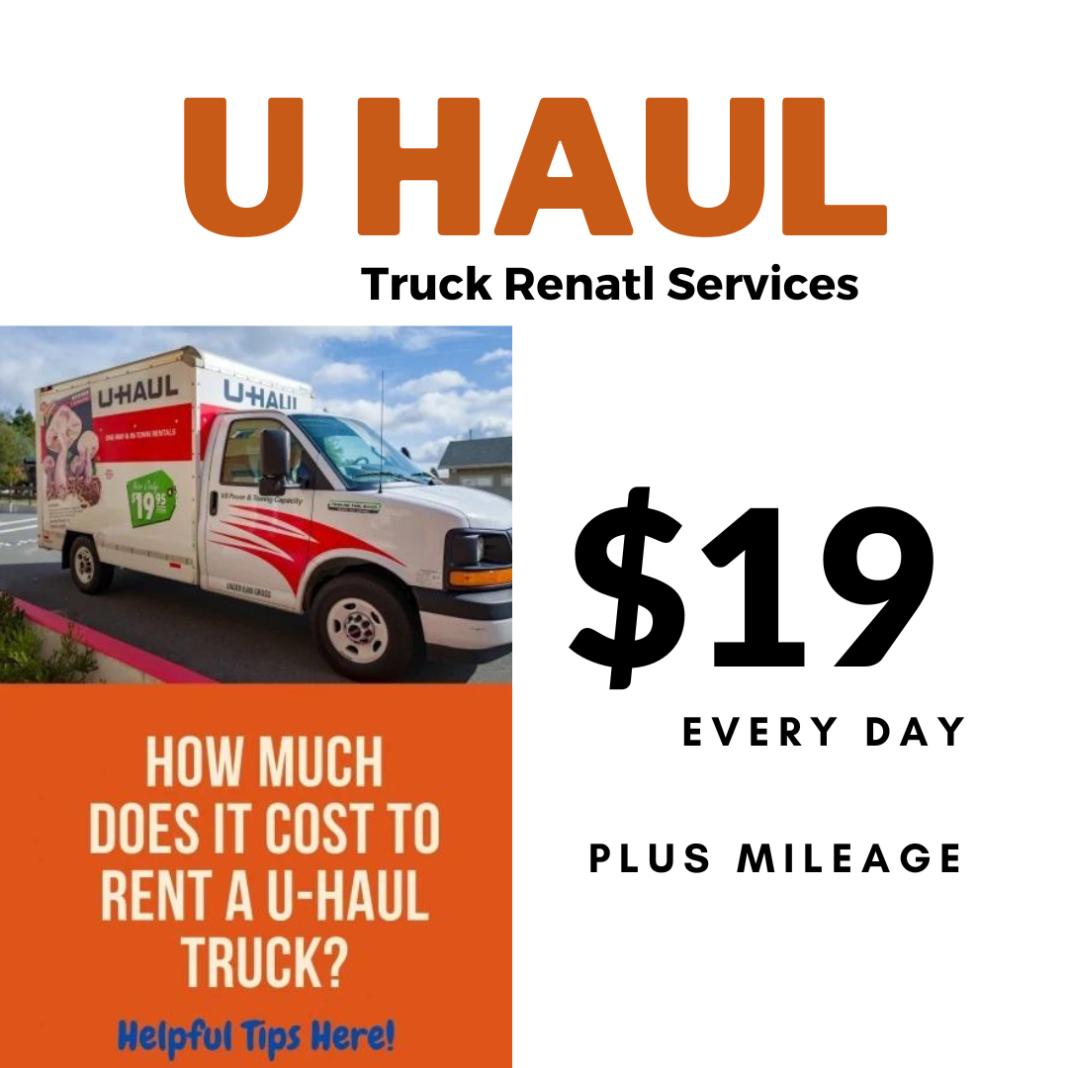
- Base Rate: An hourly or daily fee for the truck. This is usually the "$19.95" advertised price, but it's important to note this is the starting price and often applies only to smaller trucks or during off-peak times.
- Mileage Fee: A per-mile charge, typically ranging from $0.79 to $1.29 per mile.
- Insurance (Optional): Safemove or Safemove Plus.
- Equipment Rentals (Optional): Dollies, furniture pads, boxes, etc.
- Taxes and Fees: Applicable sales tax and other local fees.
-
One-Way Rentals:
- Fixed Fee: A flat rate for the designated route, determined by distance, truck size, and demand. This fee typically includes a limited mileage allowance.
- Overage Mileage Fee: If you exceed the allowed mileage, you'll be charged a per-mile fee.
- Insurance (Optional): Safemove or Safemove Plus.
- Equipment Rentals (Optional): Dollies, furniture pads, boxes, etc.
- Taxes and Fees: Applicable sales tax and other local fees.
- Drop-off Fee (If Applicable): Charges may apply if you deviate from the agreed-upon drop-off location.
Tips for Saving Money on Your U-Haul Rental:
- Compare Prices: Get quotes from multiple U-Haul locations and compare them with other moving options like Budget Truck Rental, Penske, or even portable storage containers.
- Rent During Off-Peak Times: Avoid weekends, the end of the month, and the summer months if possible.
- Choose the Right Truck Size: Renting a truck that's too large will waste fuel and increase your rental cost. Accurately estimate the size of your move to select the appropriate truck.
- Minimize Mileage: Plan your route carefully to avoid unnecessary driving. For local rentals, consider making fewer trips by packing efficiently.
- Consider Alternative Insurance: Check if your existing auto or homeowners insurance provides sufficient coverage before purchasing U-Haul's insurance plans.
- Pack and Load Efficiently: Proper packing and loading can help you fit more items into the truck, reducing the number of trips required.
- Return the Truck on Time: Late returns will incur extra charges.
- Refuel the Truck: Return the truck with the same amount of fuel as when you picked it up to avoid refueling charges.
- Clean the Truck: Return the truck in clean condition to avoid cleaning fees.
- Consider Moving Helpers: While it adds to the cost, hiring moving helpers can speed up the process and potentially reduce the overall rental time for local moves. U-Haul's Moving Help platform connects you with local movers.
Potential Challenges and Solutions:
- Hidden Fees: Carefully read the rental agreement to identify any potential hidden fees, such as environmental fees or cleaning fees. Ask the U-Haul representative to explain any unclear charges.
- Truck Availability: U-Haul's truck availability can be unpredictable, especially during peak season. Book your truck well in advance to secure your reservation.
- Damaged Trucks: Thoroughly inspect the truck for any existing damage before you drive off the lot. Document any damage with photos or videos and report it to the U-Haul representative to avoid being held responsible.
- Unexpected Charges: Dispute any charges that you believe are incorrect or unfair. Contact U-Haul customer service and provide documentation to support your claim.
Price Table: U-Haul Rental Cost Estimates (Sample)
Please note these are estimates only. Actual prices vary greatly based on location, time of year, availability, and other factors.
| Truck Size | Local Rental (Daily Rate) | One-Way Rental (Short Distance - 100 miles) | One-Way Rental (Long Distance - 500 miles) |
|---|---|---|---|
| Pickup Truck | $19.95 + $0.99/mile | $150 - $250 | $300 - $500 |
| Cargo Van | $19.95 + $0.99/mile | $175 - $300 | $350 - $600 |
| 10' Truck | $29.95 + $0.99/mile | $200 - $350 | $400 - $700 |
| 15' Truck | $39.95 + $0.99/mile | $250 - $450 | $500 - $900 |
| 20' Truck | $39.95 + $0.99/mile | $300 - $550 | $600 - $1100 |
| 26' Truck | $39.95 + $0.99/mile | $350 - $650 | $700 - $1300 |
Insurance (Optional - Daily Rate):
| Coverage | Approximate Daily Rate |
|---|---|
| Safemove | $14 - $35 |
| Safemove Plus | $20 - $50 |
FAQ: Common U-Haul Rental Questions:
-
Q: What is the advertised $19.95 U-Haul rate?
A: This is typically the base rate for a small truck or cargo van for a local rental. It doesn't include mileage, insurance, or other fees.
-
Q: How do I get the best U-Haul price?
A: Book in advance, rent during off-peak times, choose the right truck size, minimize mileage, and compare prices from different locations.
-
Q: What happens if I return the U-Haul late?
A: You'll be charged a late fee, typically a daily rate that is higher than the original rental rate.
-
Q: Do I need to clean the U-Haul before returning it?
A: Yes, you should return the truck in clean condition to avoid cleaning fees.
-
Q: What if I damage the U-Haul truck?
A: If you have Safemove or Safemove Plus insurance, the damage will be covered (subject to the terms of the policy). If you don't have insurance, you'll be responsible for the cost of repairs.
-
Q: Can I cancel my U-Haul reservation?
A: U-Haul's cancellation policy varies depending on the type of reservation. Contact U-Haul customer service for details.
-
Q: What kind of fuel does a U-Haul truck use?
A: Most U-Haul trucks use unleaded gasoline. The specific fuel requirements will be listed on the truck.
Conclusion:
Renting a U-Haul can be a cost-effective solution for your moving needs, but it's essential to understand all the factors that contribute to the final price. By carefully considering your needs, comparing prices, and taking advantage of cost-saving strategies, you can budget accurately and avoid unexpected expenses. Don't let the enticing "$19.95" fool you; thorough planning and informed decision-making are key to a smooth and affordable U-Haul rental experience. Remember, knowledge is power, especially when it comes to managing the costs of your move.