Moving, whether across town or across the country, is often cited as one of life's most stressful events. The logistics alone – packing, loading, transporting, and unpacking – can be overwhelming. Among these tasks, securing reliable transportation for your belongings is paramount. U-Haul, a ubiquitous name in the moving industry, offers a range of trucks and services to facilitate this process. But the burning question remains: How much would it be to rent a U-Haul? This comprehensive guide will break down the various factors influencing U-Haul rental costs, providing you with the knowledge and tools to estimate your moving expenses accurately and potentially save money.
Why Understanding U-Haul Rental Costs is Crucial
How Much Would It Be To Rent A U-Haul? A Comprehensive Guide to Costs, Factors, and Savings
Before diving into the specifics, it's important to understand why planning and estimating your U-Haul rental costs is so vital. First and foremost, it allows you to budget effectively. Moving expenses can quickly add up, and knowing the potential cost of your U-Haul rental is crucial for preventing financial surprises. Second, understanding the factors that influence pricing allows you to make informed decisions. For example, you might be able to save money by moving during the off-season or choosing a smaller truck. Finally, accurate cost estimation empowers you to compare U-Haul's offerings with other moving options, such as hiring professional movers or using a moving container service.
Section 1: The Base Rental Rate: Size and Duration Matter
The foundation of any U-Haul rental cost is the base rental rate. This rate depends primarily on two factors:
-
Truck Size: U-Haul offers a variety of truck sizes, ranging from pickup trucks and cargo vans to large 26-foot trucks. The size you need will depend on the volume of your belongings. A small studio apartment might only require a cargo van or 10-foot truck, while a larger family home could necessitate a 20- or 26-foot truck. Larger trucks naturally command higher rental rates.

Rental Duration: U-Haul offers both local and one-way rentals. Local rentals are typically charged by the day or by the mile, while one-way rentals have a fixed price based on the distance traveled. The longer you need the truck, the more you'll pay.
Local Moves vs. One-Way Moves
-
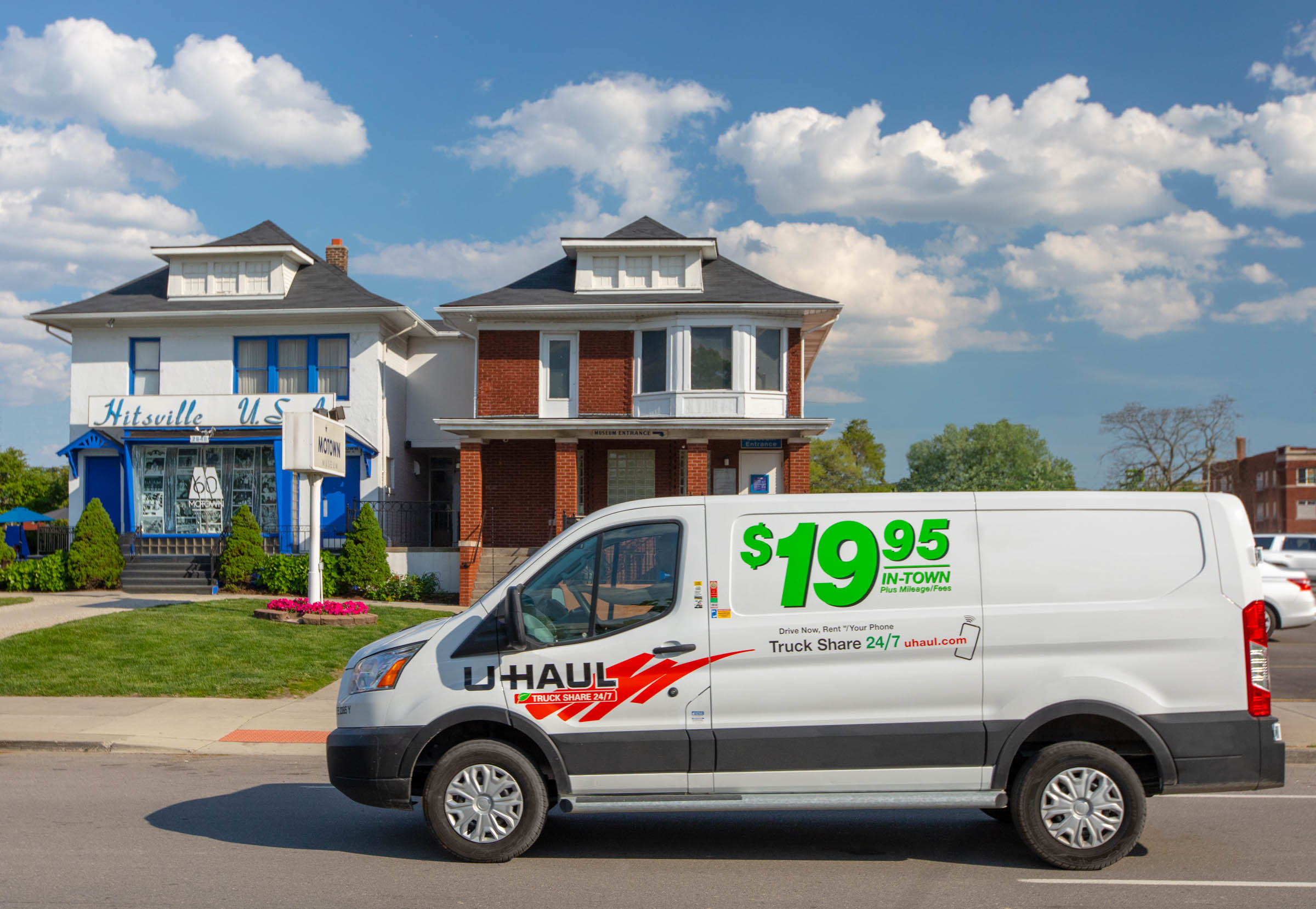
Local Moves: These are moves where you pick up and return the truck to the same location. The cost is usually calculated as a daily rate plus a per-mile charge. For example, you might pay $19.95 per day plus $0.99 per mile. These can be cheaper for shorter distances.
-
One-Way Moves: These are moves where you pick up the truck at one location and drop it off at another. The cost is a fixed price determined by the distance between the pickup and drop-off locations, the size of the truck, and the date of the move. For long-distance moves, one-way rentals are generally more cost-effective than multiple local rentals.

Section 2: Mileage Charges: The Distance Factor
Mileage is a significant component of your U-Haul rental cost, especially for local moves. As mentioned earlier, local rentals typically involve a per-mile charge, which can range from $0.79 to $1.49 per mile or more, depending on the location and truck size. Accurately estimating the mileage you'll travel is crucial for avoiding unexpected expenses.
Tips for Estimating Mileage:
- Use Online Mapping Tools: Utilize online mapping services like Google Maps or MapQuest to calculate the distance between your origin and destination. Remember to factor in any additional trips you might need to make, such as going to a storage unit or picking up supplies.
- Add a Buffer: It's always wise to add a buffer to your mileage estimate. Unforeseen detours or traffic delays can increase your mileage. Adding an extra 10-20% to your estimate is a good practice.
Section 3: Insurance Coverage: Protecting Your Move
U-Haul offers several insurance coverage options that can protect you in case of accidents, damage, or theft. While optional, these coverage plans can provide peace of mind and prevent potentially significant financial losses.
- Safemove: This is the most comprehensive coverage option, covering damage to the U-Haul truck, cargo protection (covering your belongings), and medical/life coverage for you and your passengers.
- Safemove Plus: This builds upon Safemove by adding coverage for accidental damage to your belongings during loading and unloading.
- Safetow: This covers damage to the tow vehicle and the trailer you are towing.
- Damage Waiver: This covers damage to the U-Haul vehicle, but it does not cover damage to your belongings or injuries.
The cost of these coverage options varies depending on the truck size and rental duration. Carefully consider your risk tolerance and the value of your belongings when deciding whether to purchase insurance coverage.
Section 4: Additional Fees and Charges: Be Aware of Hidden Costs
Beyond the base rental rate, mileage, and insurance, several other potential fees and charges can impact your U-Haul rental cost. Being aware of these charges can help you avoid surprises and budget accordingly.
- Environmental Fees: Some locations may charge environmental fees.
- Fuel Charges: U-Haul trucks are typically rented with a full tank of gas, and you are expected to return the truck with a full tank. If you don't, U-Haul will charge you a refueling fee, which is usually higher than the price you would pay at a gas station.
- Late Return Fees: Returning the truck late can result in significant late fees, so it's essential to adhere to the agreed-upon return time.
- Cleaning Fees: Returning the truck in an excessively dirty condition can result in cleaning fees.
- Equipment Rental: Hand trucks, furniture pads, and other moving equipment are available for rent at an additional cost.
- Taxes: Sales tax will be applied to your rental.
Section 5: Tips for Saving Money on Your U-Haul Rental
While moving can be expensive, there are several strategies you can employ to save money on your U-Haul rental.
- Move During the Off-Season: Rental rates are typically higher during peak moving seasons, such as summer and the end of the month. If possible, consider moving during the off-season (fall or winter) to take advantage of lower rates.
- Avoid Weekends: Weekends are another peak moving period. Renting during the week can often save you money.
- Choose a Smaller Truck: Renting a truck that's larger than you need is a waste of money. Carefully assess the volume of your belongings and choose the smallest truck that will accommodate them.
- Compare Prices: Get quotes from multiple U-Haul locations to ensure you're getting the best price.
- Pack Efficiently: Efficient packing can reduce the number of trips you need to make, thereby minimizing mileage charges.
- Refuel the Truck Yourself: Avoid refueling fees by filling the tank before returning the truck.
- Return the Truck on Time: Avoid late fees by returning the truck on time.
- Clean the Truck: Avoid cleaning fees by returning the truck in a clean condition.
- Consider Alternatives: Explore alternatives to U-Haul, such as renting a truck from a different company or using a moving container service.
Section 6: U-Box: A Containerized Moving Option
U-Haul also offers a containerized moving option called U-Box. This involves loading your belongings into portable containers, which U-Haul then transports to your destination. U-Box can be a convenient option for long-distance moves, especially if you need storage along the way. The cost of U-Box depends on the number of containers you need, the distance traveled, and any storage fees. Get a quote online or by calling U-Haul directly.
Price Table For U-Haul Rental
| Factor | Description | Approximate Cost |
|---|---|---|
| Truck Size | ||
| Cargo Van | Ideal for small apartments or studio moves | Local: $19.95/day + $0.99/mile; One-Way: Varies based on distance (e.g., $300 - $800 for 500 miles) |
| 10' Truck | Suitable for one-bedroom apartments | Local: $19.95/day + $0.99/mile; One-Way: Varies based on distance (e.g., $400 - $1000 for 500 miles) |
| 15' Truck | Suitable for 2-3 bedroom apartments | Local: $29.95/day + $0.99/mile; One-Way: Varies based on distance (e.g., $500 - $1200 for 500 miles) |
| 20' Truck | Suitable for small houses or large apartments | Local: $39.95/day + $0.99/mile; One-Way: Varies based on distance (e.g., $600 - $1500 for 500 miles) |
| 26' Truck | Suitable for large houses | Local: $39.95/day + $0.99/mile; One-Way: Varies based on distance (e.g., $700 - $2000 for 500 miles) |
| Mileage | ||
| Local Moves | Cost per mile for local rentals | $0.79 - $1.49 per mile (Varies by location and truck size) |
| Insurance | ||
| Safemove | Covers damage to the truck, cargo, and medical/life coverage | $14 - $35 per day (Varies by truck size) |
| Safemove Plus | Adds coverage for accidental damage during loading/unloading | $16 - $40 per day (Varies by truck size) |
| Safetow | Covers damage to the tow vehicle and trailer | Varies depending on the specifics |
| Damage Waiver | Covers damage to the U-Haul vehicle only | Less than Safemove options, inquire directly with U-Haul |
| Additional Fees | ||
| Environmental Fee | Fees for environmental impact | $1 - $5 (Depending on location) |
| Fuel Charge | If the truck is returned without a full tank | Varies; significantly higher than gas station prices. Avoid by refilling the tank. |
| Late Return Fee | Returning the truck after the agreed-upon time | Varies; can be substantial. Check your rental agreement. |
| Cleaning Fee | If the truck is returned in an excessively dirty condition | $25 - $100 (Depending on the condition) |
| Equipment Rental | Hand trucks, furniture pads, etc. | Hand truck: $7 - $10 per day; Furniture pads: $5 - $10 per set |
| Taxes | Sales tax on the rental | Varies by state and local tax rates |
| U-Box | Portable moving container | Varies greatly based on distance, number of containers, and storage needs. Get a custom quote from U-Haul. Example: $1000-$4000 for a cross-country move with one or two U-Boxes, including delivery. |
Note: These prices are approximate and can vary based on location, time of year, and availability. Always get a direct quote from U-Haul for the most accurate pricing.
Conclusion: Planning is Key to Affordable Moving
Renting a U-Haul can be a cost-effective way to move your belongings, but understanding the various factors that influence rental costs is crucial for budgeting and avoiding surprises. By carefully considering the size of the truck you need, the distance you'll be traveling, the insurance coverage you require, and potential additional fees, you can estimate your moving expenses accurately and take steps to save money. Remember to shop around, compare prices, and plan your move strategically to make the process as affordable and stress-free as possible. With careful planning and execution, you can successfully navigate your move without breaking the bank.
Frequently Asked Questions (FAQ)
Q: How far in advance should I book a U-Haul?
A: It's generally recommended to book your U-Haul at least 2-4 weeks in advance, especially if you're moving during peak season (summer, end of the month). Booking early ensures availability and may give you more options in terms of truck size and location.
Q: What happens if I return the U-Haul late?
A: Returning the U-Haul late will result in late fees, which can be substantial. The specific amount of the late fee will be outlined in your rental agreement. It's crucial to adhere to the agreed-upon return time to avoid these charges.
Q: Do I need insurance when renting a U-Haul?
A: While insurance coverage is optional, it's highly recommended. Accidents can happen, and the cost of repairing or replacing a U-Haul truck or your belongings can be significant. Consider purchasing Safemove or Safemove Plus for comprehensive coverage.
Q: Can I drop off the U-Haul at a different location than where I picked it up?
A: Yes, U-Haul offers one-way rentals, which allow you to pick up the truck at one location and drop it off at another. However, one-way rentals typically have a fixed price based on the distance traveled.
Q: What is the U-Haul fuel policy?
A: U-Haul trucks are typically rented with a full tank of gas, and you are expected to return the truck with a full tank. If you don't, U-Haul will charge you a refueling fee, which is usually higher than the price you would pay at a gas station.
Q: Can I tow a trailer behind a U-Haul truck?
A: Yes, some U-Haul trucks are equipped to tow trailers. However, you'll need to ensure that the truck has the appropriate towing capacity and that you have the necessary equipment and experience to tow safely.
Q: What payment methods does U-Haul accept?
A: U-Haul typically accepts major credit cards (Visa, Mastercard, American Express, Discover), debit cards, and cash. However, cash payments may require a larger deposit.
Q: What do I need to bring when picking up my U-Haul?
A: You'll need to bring your driver's license, a valid form of payment, and your reservation confirmation.
Q: How do I cancel my U-Haul reservation?
A: You can cancel your U-Haul reservation online or by calling U-Haul customer service. However, cancellation policies may apply, so be sure to review the terms and conditions of your reservation.