Introduction: Elevating the Legend
The Jeep Grand Cherokee, particularly the 2000 model (WJ generation), holds a special place in the hearts of off-road enthusiasts. Known for its blend of comfort, capability, and rugged charm, the WJ is a versatile platform ripe for modification. Lifting a 2000 Grand Cherokee takes that inherent potential and amplifies it, transforming it from a capable SUV into a formidable off-road machine. This article serves as your comprehensive guide to understanding the world of lifted 2000 Jeep Grand Cherokees, covering everything from the benefits and methods to important considerations and potential challenges. Whether you're a seasoned mechanic or a curious beginner, this guide will provide the knowledge you need to embark on your own lifted WJ adventure.
Jeep Grand Cherokee 2000 Lifted: The Ultimate Guide to Off-Road Domination
I. Why Lift Your 2000 Jeep Grand Cherokee? The Benefits Unveiled
Lifting a 2000 Jeep Grand Cherokee isn't just about aesthetics; it unlocks a host of practical advantages:
- Increased Ground Clearance: This is the primary benefit. A lift provides more space between the vehicle's undercarriage and the terrain, allowing you to navigate obstacles like rocks, logs, and deep ruts with greater ease.
- Larger Tire Fitment: Lifting your WJ allows you to install larger, more aggressive tires. Larger tires not only look impressive but also improve traction, floatation in sand or mud, and further increase ground clearance.
- Improved Approach, Breakover, and Departure Angles: These angles determine the steepness of obstacles your vehicle can climb over without scraping. A lift improves all three, significantly enhancing off-road capability.
- Enhanced Off-Road Performance: Combining increased ground clearance, larger tires, and improved angles results in a dramatically improved off-road experience. Your WJ will be able to tackle more challenging trails with confidence.
- Aggressive Aesthetics: Let's be honest, a lifted Grand Cherokee looks fantastic. It gives the vehicle a more imposing and capable presence, turning heads wherever you go.
- Improved Visibility: The higher vantage point provides better visibility of the road ahead, especially in traffic or on trails.
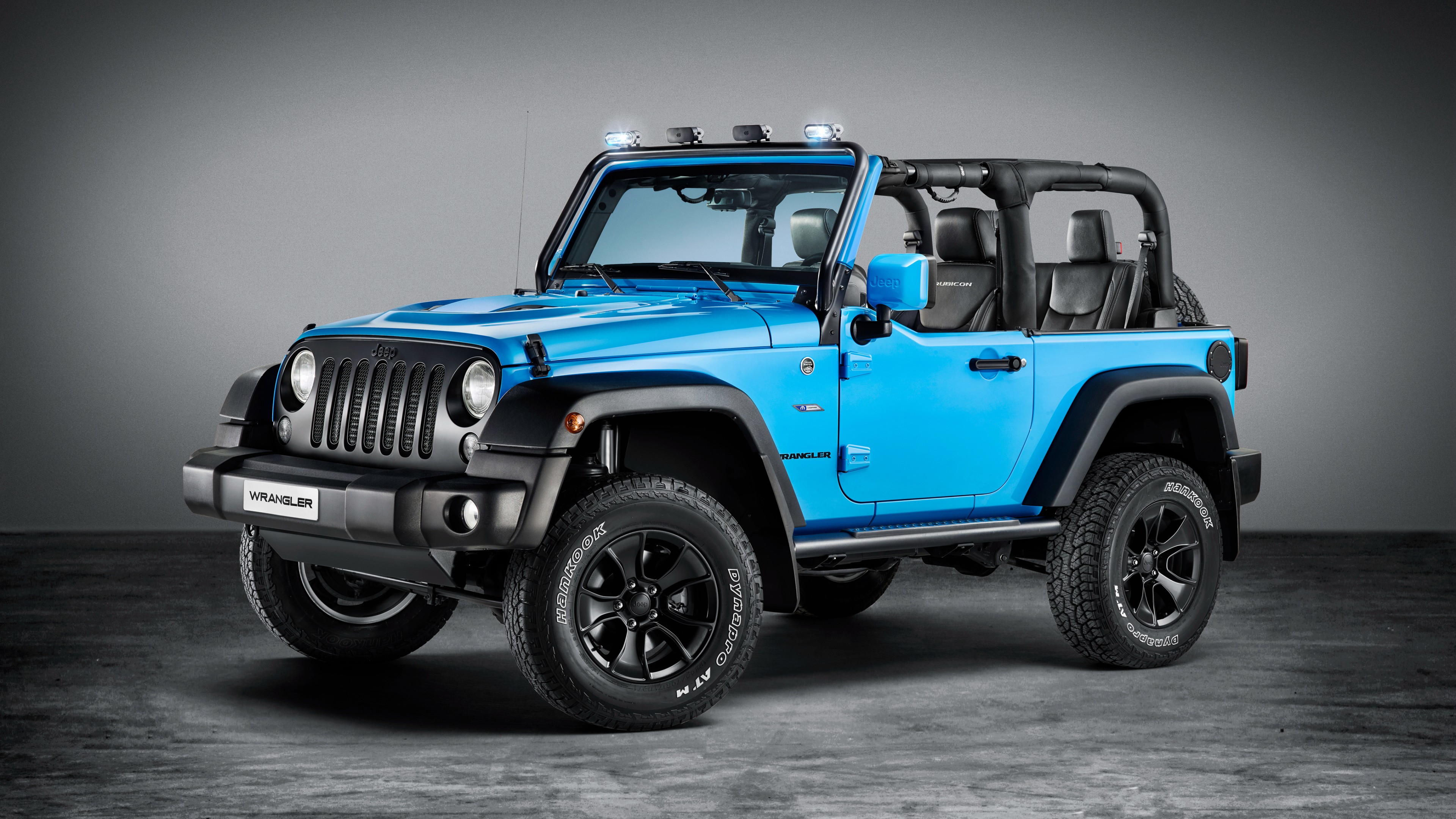
II. Types of Lift Kits for Your 2000 Grand Cherokee
Choosing the right lift kit is crucial for achieving your desired results. Here's a breakdown of the most common types:
- Budget Boost (Coil Spacers): This is the most affordable option, using polyurethane or metal spacers placed on top of the coil springs to raise the vehicle. It's a simple and relatively easy installation, but it doesn't improve suspension performance. Typically provides 2" of lift.
- Pros: Inexpensive, easy to install.
- Cons: Doesn't improve ride quality or suspension performance, can limit suspension travel.
- Coil Spring Lift Kits: These kits replace the factory coil springs with longer, stiffer springs. They offer a better ride quality than budget boosts and can provide a wider range of lift heights (typically 2-4"). Some kits also include longer shocks to accommodate the increased travel.
- Pros: Improved ride quality compared to spacers, increased suspension travel.
- Cons: More expensive than spacers, requires more extensive installation.
- Long Arm Lift Kits: These are the most comprehensive and capable lift kits. They replace the factory control arms with longer arms, improving articulation and ride quality, especially at higher lift heights (4" or more). These kits often require welding and more advanced mechanical skills.
- Pros: Superior ride quality and articulation, improved off-road performance.
- Cons: Most expensive, requires the most complex installation, may require welding.
- Hybrid Kits: These kits combine elements of different types of lifts. For example, a kit might use coil springs in the front and coil spacers in the rear. These are often used to level out the vehicle.
III. Step-by-Step Guide to Installing a Basic Coil Spring Lift Kit (2-3")
This guide provides a general overview. Always refer to the specific instructions included with your chosen lift kit. Safety is paramount; use jack stands and wear appropriate safety gear.
- Preparation: Gather all necessary tools (sockets, wrenches, jack, jack stands, spring compressors (optional but recommended), penetrating oil, torque wrench), and the lift kit. Disconnect the battery.
- Loosen Lug Nuts: Before lifting the vehicle, loosen the lug nuts on all four wheels.
- Lift and Secure the Vehicle: Jack up the front of the vehicle and securely place it on jack stands. Repeat for the rear. Remove the wheels.
- Disconnect Sway Bar Links: Disconnect the sway bar links from the axle. Use penetrating oil if needed.
- Disconnect Shocks: Disconnect the shocks from the axle.
- Disconnect Brake Lines (Carefully): Disconnect the brake lines from the frame mounting points. Be extremely careful not to damage the lines. You may need to install brake line extensions (included in some kits).
- Remove the Coil Springs: Using spring compressors (if needed), compress the coil springs and remove them from their perches.
- Install the New Coil Springs: Install the new coil springs in their perches, making sure they are properly seated. If using spring compressors, carefully release the tension.
- Install New Shocks (If Included): Install the new, longer shocks.
- Reconnect Brake Lines, Sway Bar Links, and Other Components: Carefully reconnect all the components you disconnected in the reverse order.
- Repeat for the Other Side: Repeat steps 3-10 for the other side of the vehicle.
- Install Wheels and Lower the Vehicle: Install the wheels and lower the vehicle to the ground.
- Torque Lug Nuts: Torque the lug nuts to the manufacturer's specifications.
- Alignment: It is essential to get a wheel alignment after installing a lift kit. This will ensure proper handling and prevent premature tire wear.
IV. Important Considerations Before You Lift
- Budget: Lift kits range in price from a few hundred dollars to several thousand. Factor in the cost of installation (if you're not doing it yourself), alignment, and potential additional components like longer shocks or brake lines.
- Intended Use: How do you plan to use your lifted Grand Cherokee? If it's primarily for street driving with occasional off-road use, a budget boost or coil spring lift may suffice. If you plan on tackling challenging trails, a long arm lift is a better investment.
- Tire Size: Determine the maximum tire size you want to run. This will influence the amount of lift you need. Research the clearance requirements for different tire sizes on a WJ.
- Gear Ratio: Larger tires can negatively impact your vehicle's performance, especially on hills. Consider re-gearing your axles to compensate for the larger tires and restore power.
- Driveline Angles: Lifting your Grand Cherokee can alter driveline angles, potentially causing vibrations or premature wear on your driveshaft. A transfer case drop kit or a slip yoke eliminator (SYE) may be necessary to correct these angles, especially with lifts over 3".
- Legality: Check your local laws regarding vehicle lift heights. Some areas have restrictions.
- Skill Level: Be honest about your mechanical skills. If you're not comfortable with the installation process, it's best to have a professional install the lift kit.
V. Potential Challenges and Solutions
- Vibrations: As mentioned earlier, lifting can alter driveline angles and cause vibrations. Solutions include transfer case drop kits, SYE kits, and adjustable control arms.
- Death Wobble: This is a terrifying shaking of the front end that can occur at certain speeds. It's usually caused by worn or loose steering components. Address any worn parts before or during the lift installation.
- Brake Line Issues: Lifting can stretch the brake lines. Install brake line extensions to ensure adequate slack.
- Alignment Issues: A proper alignment is crucial after lifting. Find a shop that specializes in lifted vehicles.
- Clearance Issues: Check for tire rubbing after installing larger tires. You may need to trim fenders or use wheel spacers to create more clearance.
VI. Tips for a Successful Lift
- Research Thoroughly: Before buying a lift kit, research different brands and models. Read reviews and compare features.
- Buy Quality Components: Don't skimp on quality. Invest in a reputable lift kit from a trusted manufacturer.
- Follow Instructions Carefully: Adhere to the manufacturer's instructions precisely.
- Use the Right Tools: Having the right tools will make the installation process much easier.
- Take Your Time: Don't rush the installation. Allow yourself plenty of time to complete the job properly.
- Double-Check Everything: Before driving your lifted Grand Cherokee, double-check all connections and fasteners.
- Get an Alignment: As mentioned, this is crucial.
VII. Price Table
| Component | Description | Estimated Price Range |
|---|---|---|
| Budget Boost Kit | Coil spring spacers (front and rear) | $100 - $300 |
| Coil Spring Lift Kit | New coil springs and shocks (typically 2-4" lift) | $400 - $1200 |
| Long Arm Lift Kit | New coil springs, shocks, and long control arms (typically 4" or more lift) | $1500 - $4000+ |
| Transfer Case Drop Kit | Lowers the transfer case to correct driveline angles | $50 - $200 |
| Slip Yoke Eliminator (SYE) | Replaces the slip yoke with a fixed yoke and a longer driveshaft | $300 - $600 |
| Brake Line Extensions | Extends the brake lines to accommodate the lift | $50 - $150 |
| Adjustable Control Arms | Allows for fine-tuning of axle position and driveline angles | $200 - $600 per pair |
| Wheel Alignment | Professional wheel alignment after lift installation | $75 - $200 |
| Labor Cost (Installation) | Varies depending on the complexity of the lift and the shop's hourly rate | $300 - $1500+ |
VIII. Frequently Asked Questions (FAQ)
- Q: How much does it cost to lift a 2000 Jeep Grand Cherokee?
- A: The cost varies depending on the type of lift kit and whether you install it yourself or hire a professional. Expect to spend anywhere from $200 to $5000+.
- Q: What size tires can I fit with a 2" lift?
- A: Typically, you can fit 31" tires with a 2" lift. Some trimming may be required.
- Q: Do I need to re-gear after lifting my Grand Cherokee?
- A: It depends on the tire size and your driving style. If you go significantly larger than stock, re-gearing is highly recommended to restore power.
- Q: Is it difficult to install a lift kit myself?
- A: It depends on the type of lift kit and your mechanical skills. A budget boost is relatively easy, while a long arm lift is much more complex.
- Q: Will lifting my Grand Cherokee affect its fuel economy?
- A: Yes, larger tires and increased weight will likely decrease fuel economy.
- Q: Will lifting void my warranty?
- A: Lifting your vehicle may void certain parts of your warranty, particularly those related to the suspension and drivetrain.
Conclusion: Conquer the Trails
Lifting a 2000 Jeep Grand Cherokee is a rewarding modification that enhances both its performance and appearance. By carefully considering your needs, choosing the right lift kit, and following the installation process diligently, you can transform your WJ into a capable off-road machine that's ready to tackle any challenge. Remember to prioritize safety, research thoroughly, and don't hesitate to seek professional help when needed. With a lifted Grand Cherokee, the trails are yours to conquer.