The Jeep Hi-Lift jack: two simple words that evoke images of rugged terrain, daring off-road adventures, and the unwavering spirit of self-reliance. More than just a tool, the Hi-Lift jack is a symbol of preparedness, a testament to the Jeep owner's commitment to tackling challenges head-on. While often associated with recovery from sticky situations, the Hi-Lift's versatility extends far beyond simple winching. It's a powerful multi-tool capable of lifting, winching, clamping, and even spreading, making it an indispensable asset for any serious off-roader or overlander. However, its power comes with responsibility. Improper use can lead to serious injury or damage to your vehicle. This guide will delve into the world of the Jeep Hi-Lift jack, exploring its capabilities, safety considerations, and best practices for ensuring you're equipped to handle whatever the trail throws your way.
Section 1: Understanding the Jeep Hi-Lift Jack
Jeep Hi-Lift: The Ultimate Guide to Off-Road Recovery and More
At its core, a Hi-Lift jack is a manually operated mechanical device designed to lift heavy objects. Unlike hydraulic jacks that rely on fluid pressure, the Hi-Lift uses a system of levers and a climbing pin to raise and lower the load. This simple, yet robust design is what makes it so reliable in harsh off-road environments where hydraulic systems might fail.
Key Components:
- Upright Bar (Beam): The long, vertical steel bar that forms the main structure of the jack. It has a series of holes for the climbing pins.
- Climbing Pins: Two hardened steel pins that alternately engage the holes in the upright bar to lift or lower the load.
- Handle: The lever used to operate the jack. Pumping the handle moves the climbing pins, incrementally raising or lowering the lifting nose.
- Lifting Nose (Top Clamp-Cleat): The platform at the top of the jack that contacts the lifting point on the vehicle.
- Base Plate: The wide, flat base that provides stability on uneven terrain.
- Reversing Latch: A mechanism that controls the direction of the jack, allowing you to lift or lower the load.
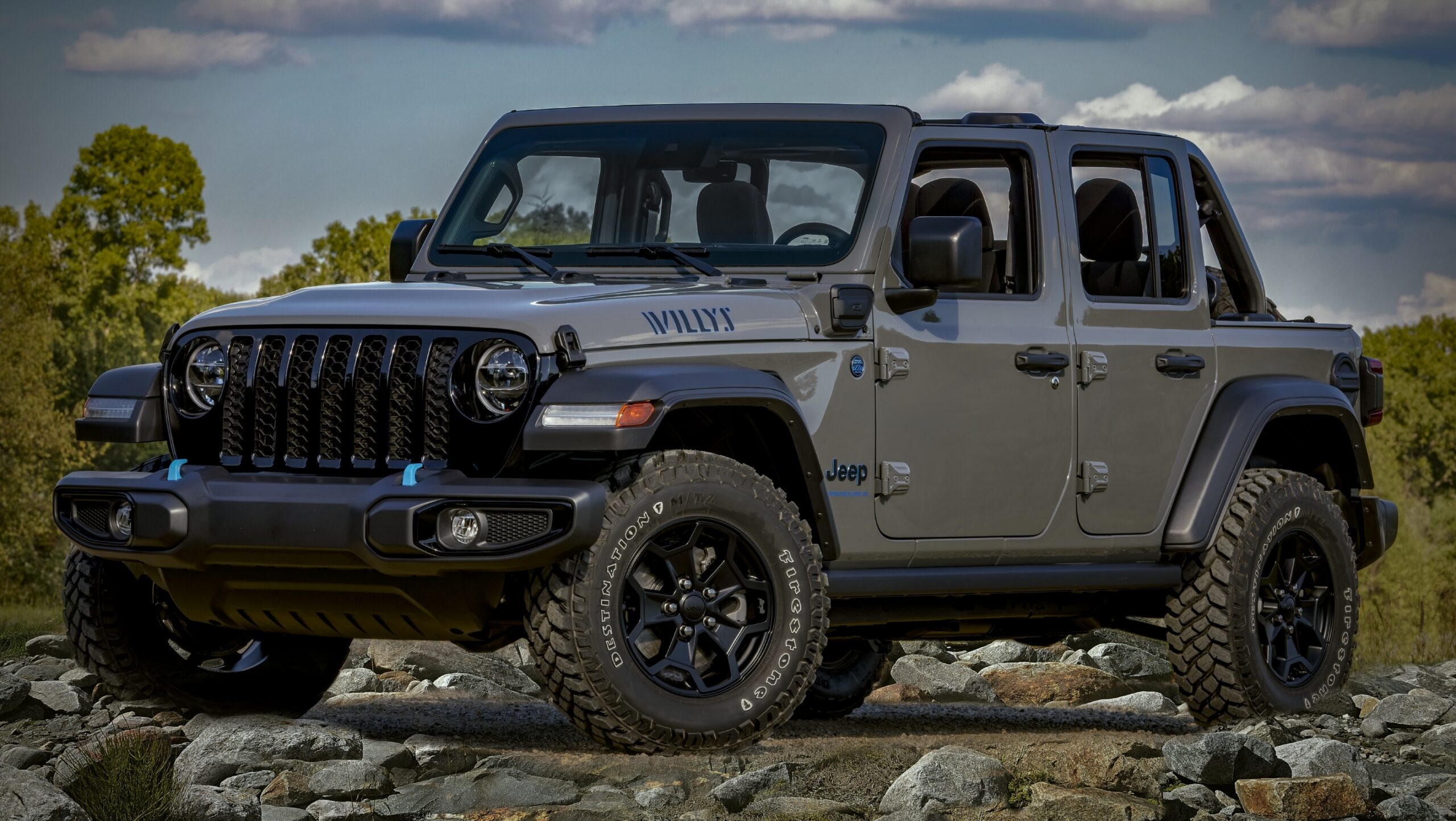
Why a Hi-Lift for a Jeep?
Jeeps, especially those modified for off-roading, often have limited clearance for conventional jacks. The Hi-Lift's ability to lift from the side, bumper, or even the wheels makes it ideal for raising a Jeep high enough to change a tire, clear an obstacle, or perform recovery operations. Furthermore, the jack's versatility extends beyond lifting, making it a valuable tool for a wide range of tasks.
Section 2: Benefits and Applications of the Hi-Lift Jack
The Hi-Lift jack offers a multitude of benefits beyond simply lifting your Jeep:
- Recovery from Obstacles: Lift a stuck wheel to place rocks, traction boards, or other materials underneath.
- Tire Changes: Easily lift the vehicle to change a flat tire, even on uneven terrain.
- Winching: Use the jack as a makeshift winch to pull your Jeep forward or sideways.
- Spreading: Use the jack to spread apart damaged body panels or bend obstacles out of the way.
- Clamping: Secure materials together for temporary repairs.
- Off-Road Repairs: Provide access to undercarriage components for repairs in the field.
- General Lifting: Useful for lifting heavy objects around camp or at home.
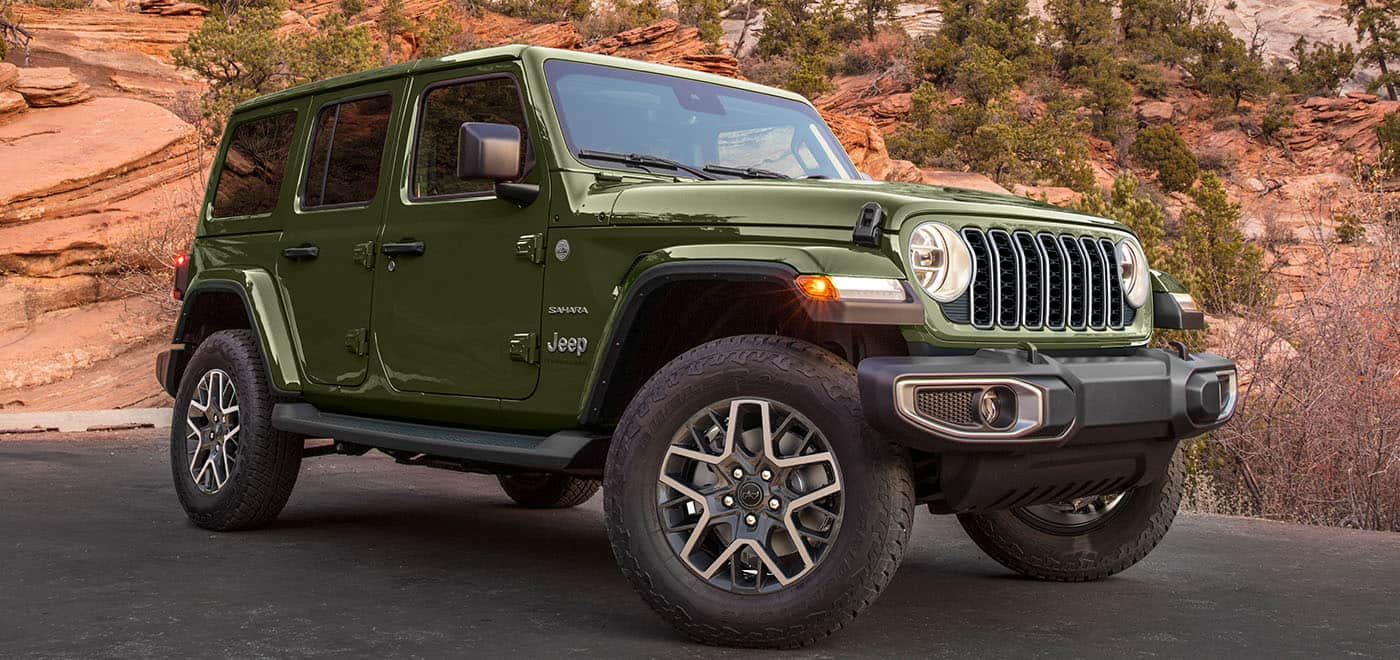
Section 3: How to Use a Hi-Lift Jack Safely: A Step-by-Step Guide
Safety is paramount when using a Hi-Lift jack. Follow these steps carefully to minimize the risk of injury or damage:
- Assessment: Before you begin, assess the situation. Identify the problem, determine the best lifting point, and plan your recovery strategy.
- Choose a Stable Base: The Hi-Lift jack needs a solid, level base to operate safely. Use a Hi-Lift base plate or a large, stable piece of wood to increase the footprint and prevent sinking into soft ground.
- Identify a Safe Lifting Point: Locate a designated lifting point on your Jeep. These are typically reinforced areas on the bumpers, rock sliders, or wheels. Avoid lifting from flimsy body panels, as this can cause significant damage.
- Position the Jack: Place the jack firmly against the lifting point, ensuring it's stable and secure.
- Engage the Reversing Latch: Ensure the reversing latch is in the correct position for lifting.
- Pump the Handle: Use smooth, controlled strokes to pump the handle. Avoid jerky movements, as this can destabilize the jack.
- Secure the Vehicle: As you lift the vehicle, immediately place jack stands or other supports under the frame to provide a secondary point of support. Never work under a vehicle supported only by a Hi-Lift jack.
- Perform the Task: Once the vehicle is safely supported, perform the necessary task (tire change, obstacle removal, etc.).
- Lower the Vehicle: Carefully lower the vehicle by reversing the lifting process. Maintain control of the handle and avoid sudden drops.
- Inspect: After use, inspect the jack for any damage. Clean and lubricate the moving parts to ensure it's ready for the next use.
Section 4: Important Considerations and Safety Precautions
- Read the Manual: Familiarize yourself with the manufacturer's instructions before using the Hi-Lift jack.
- Wear Gloves and Eye Protection: Protect your hands and eyes from potential hazards.
- Never Exceed the Weight Capacity: Overloading the jack can lead to failure and serious injury.
- Keep Clear of the Vehicle: Maintain a safe distance from the vehicle while the jack is in operation.
- Be Aware of the Environment: Consider the terrain, weather conditions, and potential hazards before using the jack.
- Practice Makes Perfect: Practice using the Hi-Lift jack in a controlled environment before relying on it in a real-world situation.
- Maintain Your Jack: Regularly clean and lubricate your jack to ensure it operates smoothly and safely.
- Use with Appropriate Accessories: Consider using accessories like a lift mate (for lifting from the wheel) or a winch attachment for increased versatility and safety.
- Beware of Side Loads: Hi-Lift jacks are designed for vertical lifting. Avoid applying side loads, as this can destabilize the jack and cause it to fail.
Section 5: Types of Hi-Lift Jacks
While the basic design remains consistent, Hi-Lift jacks are available in different sizes and materials:
- Length: Hi-Lift jacks typically come in lengths ranging from 36 inches to 60 inches. Longer jacks offer greater lifting height, but they can also be more difficult to handle. Choose a length that is appropriate for your vehicle and the type of terrain you typically encounter.
- Material: Most Hi-Lift jacks are made from steel, but some models are available with cast and steel components. Steel jacks are generally more durable and resistant to bending.
Section 6: Tips and Tricks for Using a Hi-Lift Jack
- Carry a Hi-Lift Base Plate: A base plate significantly improves stability on soft or uneven terrain.
- Use a Lift Mate: The Lift Mate allows you to lift directly from the wheel, which can be useful in situations where the bumper or rock sliders are inaccessible.
- Lubricate the Jack Regularly: Lubricating the moving parts keeps the jack operating smoothly and prevents rust and corrosion.
- Practice Winching Techniques: Familiarize yourself with different winching techniques, such as using a tree strap or a snatch block, to maximize the jack's winching power.
- Store the Jack Securely: Secure the jack in a safe and accessible location on your vehicle. Consider using a Hi-Lift jack mount to prevent it from rattling or shifting during travel.
Section 7: Potential Challenges and Solutions
- Slipping: If the jack slips off the lifting point, stop immediately and reassess the situation. Ensure the lifting point is clean and dry, and consider using a rubber pad to improve grip.
- Instability: If the jack becomes unstable, lower the vehicle immediately and reposition the jack on a more stable base.
- Handle Binding: If the handle becomes difficult to pump, check for obstructions or damage to the jack mechanism. Lubricate the moving parts to improve smoothness.
- Corrosion: Rust and corrosion can damage the jack and reduce its performance. Regularly clean and lubricate the jack to prevent corrosion.
Section 8: Hi-Lift Jack Price Table
| Brand | Model | Length (Inches) | Lifting Capacity (lbs) | Price (USD) | Features |
|---|---|---|---|---|---|
| Hi-Lift | HL484 | 48 | 7000 | $110-140 | Standard Hi-Lift Jack, durable steel construction. |
| Hi-Lift | HL605 | 60 | 7000 | $130-160 | Longer version of HL484, provides extra lifting height. |
| Hi-Lift | XT485 | 48 | 7000 | $150-180 | Extreme Duty Jack with updated design for increased safety and durability. |
| Pro Eagle | Big Wheel Jack | 32 | 3000 | $250-300 | Hydraulic jack with large wheels for off-road use, easier to operate than a Hi-Lift in some situations. |
| Smittybilt | 48" Trail Jack | 48 | 4660 | $80-110 | Similar functionality to Hi-Lift, often a more budget-friendly option. |
| ARB | Hydraulic Jack | N/A | 4400 | $350-400 | Hydraulic jack designed for off-road use, offers more controlled lifting and lowering. |
| Safe Jack | Bottle Jack Recovery Kit | N/A | 6000-12000 (varies) | $200-300 | Kit using bottle jacks for safe off-road recovery, requires specific vehicle mounting points. |
| Jackery | Portable Electric Car Jack | N/A | 6600 | $120-150 | Electric jack for easier lifting, requires a power source, less robust than a Hi-Lift for extreme conditions. |
Disclaimer: Prices are approximate and may vary depending on the retailer, location, and current promotions. Always check the manufacturer's website or authorized dealers for the most up-to-date pricing and specifications.
Conclusion
The Jeep Hi-Lift jack is a powerful and versatile tool that can be a lifesaver in off-road situations. However, it's essential to understand its limitations and use it safely. By following the guidelines outlined in this guide, you can harness the Hi-Lift jack's potential while minimizing the risk of injury or damage. Remember, preparedness and knowledge are your best allies on the trail. The Hi-Lift jack isn't just a tool; it's a symbol of self-sufficiency and the spirit of adventure that defines the Jeep lifestyle.
Frequently Asked Questions (FAQ)
Q: Is a Hi-Lift jack dangerous?
A: Yes, if used improperly. The Hi-Lift jack stores a significant amount of energy, and a failure can result in serious injury. Always follow safety precautions and use the jack with caution.
Q: What size Hi-Lift jack should I get for my Jeep?
A: A 48-inch Hi-Lift jack is generally suitable for most Jeeps. However, if you have a heavily lifted vehicle or plan to use the jack for winching, a 60-inch jack may be a better option.
Q: Where can I safely lift my Jeep with a Hi-Lift jack?
A: Designated lifting points are typically located on the bumpers, rock sliders, or wheels. Consult your vehicle's owner's manual or a trusted off-road shop for specific recommendations.
Q: Can I use a Hi-Lift jack to change a tire on the trail?
A: Yes, but always use jack stands or other supports to secure the vehicle before removing the tire. Never work under a vehicle supported only by a Hi-Lift jack.
Q: How do I maintain my Hi-Lift jack?
A: Regularly clean and lubricate the moving parts to prevent rust and corrosion. Inspect the jack for any damage before each use.
Q: What accessories should I get for my Hi-Lift jack?
A: A Hi-Lift base plate, Lift Mate, and winch attachment are all valuable accessories that can enhance the jack's versatility and safety.
Q: Can I use a Hi-Lift jack to winch my Jeep?
A: Yes, but you'll need a winch attachment and appropriate winching accessories, such as a tree strap and a snatch block. Familiarize yourself with winching techniques before attempting to winch your Jeep with a Hi-Lift jack.