Introduction: The Allure of the Private Jeep Sale
Owning a Jeep is more than just having a vehicle; it's a lifestyle. It's about freedom, adventure, and the ability to tackle terrain that would leave other cars stranded. While dealerships offer the convenience of new and certified pre-owned Jeeps, many enthusiasts are drawn to the private market. "Jeeps For Sale Private Owner" represents a unique opportunity to find a well-loved, potentially customized, and often more affordable Jeep directly from its previous owner. This guide will walk you through the ins and outs of navigating this market, helping you find the perfect Jeep to fuel your adventures while avoiding potential pitfalls. Whether you're seeking a rugged Wrangler, a comfortable Grand Cherokee, or a classic CJ, understanding the private sale process is crucial.
Jeeps For Sale Private Owner: A Comprehensive Guide to Finding Your Off-Road Dream
Section 1: Why Buy a Jeep from a Private Owner?
The private Jeep market holds significant appeal for several reasons:
- Price Advantage: Generally, private sellers are more flexible with pricing than dealerships. They often don't have the same overhead costs, allowing them to offer Jeeps at a lower price point.
- Unique Customizations: Many Jeep owners personalize their vehicles with aftermarket parts, lift kits, and other modifications. Buying privately gives you access to Jeeps already equipped for specific purposes, saving you time and money on upgrades.
- Direct Communication and History: You can talk directly to the previous owner, gaining valuable insights into the Jeep's maintenance history, driving habits, and any known issues. This transparency can be invaluable in making an informed decision.
- Wider Selection: The private market expands your options beyond what's available at dealerships. You might find rare models, specific trims, or Jeeps with unique features that are hard to come by elsewhere.
- Negotiation Potential: Private sales often involve more negotiation. You have the opportunity to discuss the price and terms directly with the seller, potentially securing a better deal.
Section 2: Where to Find Jeeps For Sale By Private Owners
Finding the right Jeep starts with knowing where to look. Here are some of the most popular platforms:
- Online Marketplaces:
- Craigslist: A classic platform for local listings, Craigslist offers a wide range of Jeeps at varying price points. However, exercise caution and meet in a safe, public location.
- Facebook Marketplace: Facebook Marketplace is user-friendly and allows you to see the seller's profile. This can provide an added layer of trust, but still perform due diligence.
- AutoTrader: A more comprehensive automotive marketplace, AutoTrader often features listings from both dealerships and private sellers.
- eBay Motors: eBay Motors offers auction-style and fixed-price listings. Pay close attention to the seller's reputation and the Jeep's description.
- Specialized Jeep Forums and Websites: Many Jeep-specific forums and websites have classified sections where enthusiasts buy and sell vehicles. These communities often offer a higher level of knowledge and transparency. Examples include JeepForum.com and WranglerForum.com.
- Local Classified Ads: Check your local newspapers and community bulletin boards for Jeep listings.
- Word of Mouth: Let your friends, family, and acquaintances know you're looking for a Jeep. They might be aware of someone selling one.
- Jeep Clubs: Local Jeep clubs often have members who are selling or upgrading their vehicles.

Section 3: Essential Steps Before You Buy: Inspection and Due Diligence
Before committing to a purchase, thorough inspection and due diligence are paramount:
- Initial Communication: Contact the seller and ask detailed questions about the Jeep's history, maintenance records, and any known issues. Gauge their honesty and willingness to provide information.
- Visual Inspection:
- Exterior: Check for rust, dents, scratches, and signs of bodywork. Pay close attention to the frame, undercarriage, and rocker panels, as these are prone to rust. Examine the tires for wear and tear.
- Interior: Inspect the seats, carpets, dashboard, and all interior components. Check for any signs of water damage or mold. Test all electronic features, including the radio, air conditioning, and power windows.
- Mechanical Inspection:
- Engine: Listen for unusual noises, check for leaks, and examine the fluid levels. Ask about the Jeep's service history and any recent repairs.
- Transmission: Test the transmission by shifting through all gears. Listen for any slipping or grinding.
- Brakes: Check the brake pads and rotors for wear. Test the brakes to ensure they are responsive and effective.
- Suspension: Inspect the suspension components for wear and tear. Listen for any squeaks or rattles while driving.
- Four-Wheel Drive (if applicable): Engage the four-wheel drive system and test its functionality.
- Test Drive: A thorough test drive is crucial. Drive the Jeep on various road surfaces and at different speeds. Pay attention to the handling, acceleration, braking, and any unusual noises.
- Professional Inspection: Consider having a qualified mechanic inspect the Jeep before you buy it. A professional inspection can identify potential problems that you might miss.
- Vehicle History Report (VIN Check): Obtain a vehicle history report from a reputable provider like Carfax or AutoCheck. This report will reveal any accidents, title issues, or odometer discrepancies.
- Title Verification: Ensure the seller has a clear title to the Jeep. Check for any liens or encumbrances.
Section 4: Negotiation and Closing the Deal
- Research Fair Market Value: Use online resources like Kelley Blue Book (KBB) and Edmunds to determine the fair market value of the Jeep based on its year, mileage, condition, and features.
- Negotiate Strategically: Be prepared to negotiate. Point out any flaws or issues you discovered during the inspection. Be polite and respectful, but don't be afraid to make a reasonable offer.
- Payment Methods: Discuss payment methods with the seller. Cash is often preferred, but cashier's checks and bank transfers are also common. Avoid sending money electronically through unsecured methods.
- Bill of Sale: Create a detailed bill of sale that includes the Jeep's VIN, the sale price, the date of sale, and the names and signatures of both the buyer and seller.
- Title Transfer: Complete the title transfer process according to your state's regulations. This usually involves signing the title over to you and submitting it to your local DMV.
Section 5: Common Challenges and Solutions
- Dishonest Sellers:
- Challenge: Some sellers may misrepresent the Jeep's condition or history.
- Solution: Thorough inspection, a vehicle history report, and a professional inspection can help mitigate this risk. Trust your instincts and walk away if something feels off.
- Hidden Problems:
- Challenge: Some mechanical or electrical problems may not be immediately apparent.
- Solution: A professional inspection can help identify hidden issues. Consider purchasing a warranty for added peace of mind.
- Title Issues:
- Challenge: The Jeep might have a salvage title, a lien, or other title issues.
- Solution: Verify the title's validity and ensure it's free of any encumbrances before purchasing the Jeep.
- Negotiation Stalemates:
- Challenge: You and the seller might disagree on the price.
- Solution: Be prepared to walk away if you can't reach an agreement. There are plenty of other Jeeps out there.
Section 6: Jeep Models and Their Strengths
- Wrangler (TJ, JK, JL): The quintessential Jeep, known for its off-road prowess and open-air design. Great for customization and trail riding.
- Grand Cherokee (WK, WK2): A more luxurious and refined Jeep, offering a comfortable ride and plenty of features. Suitable for both on-road and off-road adventures.
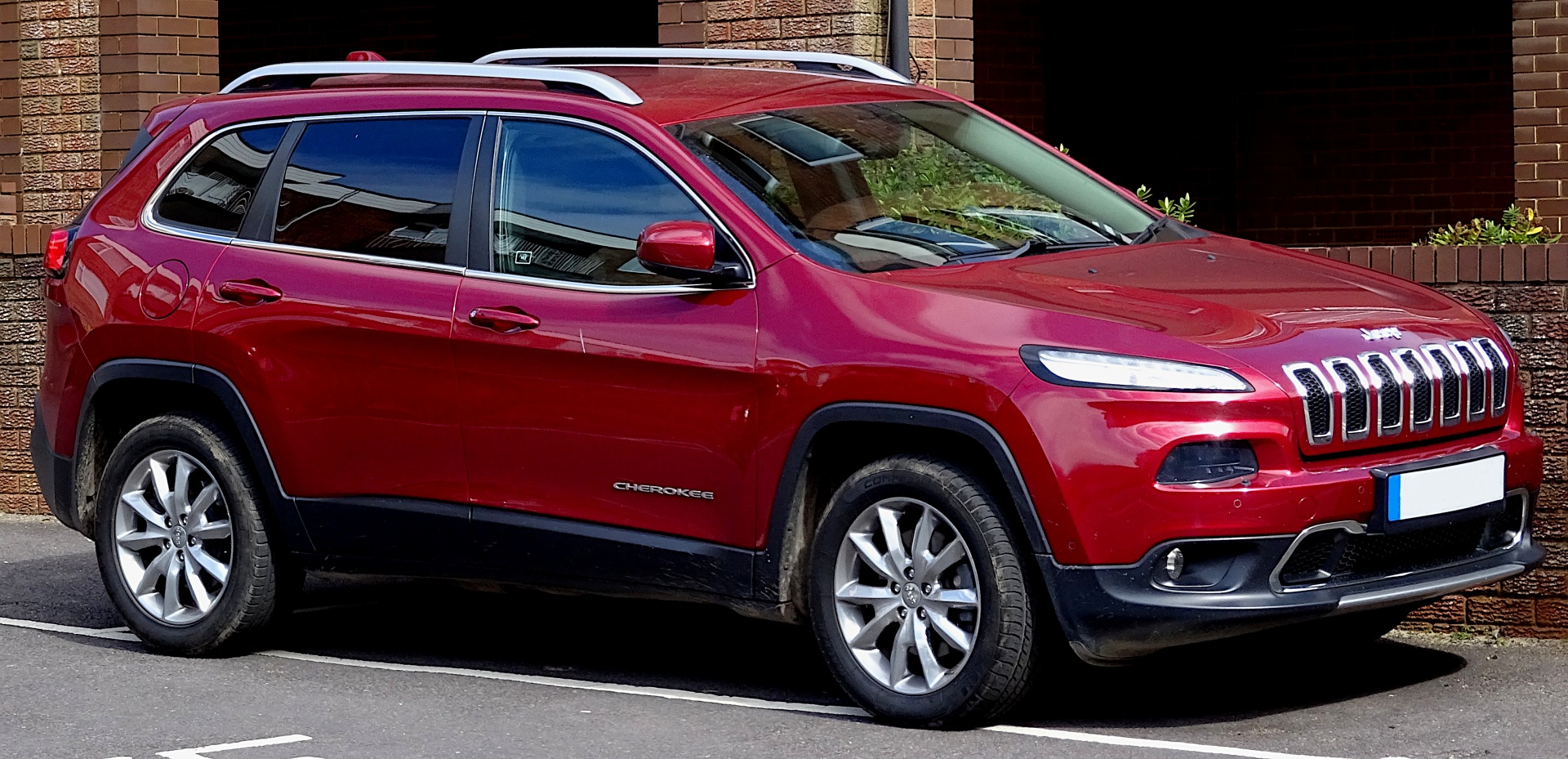
- Cherokee (XJ, KL): A versatile Jeep that balances practicality and off-road capability. The XJ is a classic and highly sought after.
- Gladiator: A Jeep pickup truck, combining the Wrangler's off-road capabilities with the utility of a truck bed.
- CJ Models (CJ5, CJ7, CJ8): Classic Jeeps with a rich history and a strong following. Requires more maintenance and restoration.
Table: Jeeps For Sale Private Owner - Key Considerations
| Feature | Description | Importance |
|---|---|---|
| Price Range | Varies widely based on year, model, condition, and modifications. | Crucial for budgeting and negotiation. Research fair market value. |
| Mileage | Generally, lower mileage is better, but well-maintained high-mileage Jeeps can be a good value. | Indicates wear and tear on the engine, transmission, and other components. |
| Condition | Assess the exterior, interior, and mechanical condition. Look for rust, damage, and signs of neglect. | Determines the Jeep's reliability and potential repair costs. |
| Maintenance Records | Documentation of regular maintenance and repairs is a good sign. | Provides insights into the Jeep's history and the owner's care. |
| Modifications | Aftermarket parts and customizations can enhance the Jeep's capabilities, but ensure they were installed properly. | Affects the Jeep's performance, appearance, and value. Consider your intended use and personal preferences. |
| Title Status | Verify that the title is clear and free of any liens or encumbrances. | Prevents legal issues and ensures you can legally transfer ownership. |
| Inspection | Perform a thorough visual and mechanical inspection, and consider a professional inspection. | Identifies potential problems and helps you make an informed decision. |
| Negotiation | Be prepared to negotiate the price based on the Jeep's condition, mileage, and fair market value. | Can save you money and ensure you get a fair deal. |
| Payment Method | Discuss payment methods with the seller and choose a secure option. | Protects you from fraud and ensures a smooth transaction. |
| Bill of Sale | Create a detailed bill of sale that includes the Jeep's VIN, the sale price, the date of sale, and the names and signatures of both parties. | Provides a record of the transaction and protects both the buyer and seller. |
Conclusion: Your Adventure Awaits
Buying a Jeep from a private owner can be a rewarding experience. It offers the potential for significant savings, access to unique vehicles, and a direct connection with the previous owner. By following the steps outlined in this guide, you can navigate the private market with confidence, avoid potential pitfalls, and find the perfect Jeep to embark on your next adventure. Remember to do your research, inspect thoroughly, negotiate fairly, and prioritize your safety throughout the process. Happy Jeeping!
Frequently Asked Questions (FAQ)
- Q: Is it safe to buy a Jeep from a private owner?
- A: Yes, but it's crucial to exercise caution. Meet in a safe, public location, perform a thorough inspection, and verify the title's validity.
- Q: What should I look for when inspecting a used Jeep?
- A: Check for rust, damage, leaks, and unusual noises. Test all mechanical and electrical components. Pay close attention to the frame, undercarriage, and suspension.
- Q: How can I avoid getting scammed when buying a Jeep online?
- A: Be wary of unusually low prices, avoid sending money electronically through unsecured methods, and meet the seller in person before making a purchase.
- Q: Should I get a vehicle history report before buying a used Jeep?
- A: Yes, a vehicle history report can reveal any accidents, title issues, or odometer discrepancies.
- Q: What is a fair price for a used Jeep?
- A: The fair price depends on the Jeep's year, model, mileage, condition, and features. Use online resources like Kelley Blue Book (KBB) and Edmunds to determine the fair market value.
- Q: Is it worth buying a Jeep with high mileage?
- A: It depends on the Jeep's condition and maintenance history. A well-maintained high-mileage Jeep can be a good value, but be prepared for potential repairs.
- Q: What are some common problems with used Jeeps?
- A: Common problems include rust, electrical issues, and mechanical problems. A thorough inspection can help identify these issues.
- Q: Can I negotiate the price when buying a Jeep from a private owner?
- A: Yes, private sales often involve more negotiation. Be prepared to make a reasonable offer based on the Jeep's condition and fair market value.
- Q: What documents do I need to transfer the title of a used Jeep?
- A: You will typically need the title, a bill of sale, and proof of insurance. Contact your local DMV for specific requirements.
- Q: Should I have a mechanic inspect a used Jeep before I buy it?
- A: Yes, a professional inspection can identify potential problems that you might miss.