Introduction: Navigating the Used Truck Market with Confidence
Buying or selling a used truck can feel like navigating a minefield. Determining a fair price, understanding market fluctuations, and ensuring you're getting a good deal all contribute to the anxiety. Enter Kelley Blue Book (KBB), a trusted name synonymous with vehicle valuation for nearly a century. Kelley Blue Book Used Truck Value provides an objective, data-driven assessment of a truck's worth, empowering both buyers and sellers with the knowledge they need to make informed decisions. This guide will delve into the intricacies of KBB Used Truck Value, exploring its methodology, benefits, and practical applications, ensuring you can confidently navigate the used truck market.
Kelley Blue Book Used Truck Value: Your Ultimate Guide to Smart Truck Transactions
Section 1: What is Kelley Blue Book Used Truck Value?
Kelley Blue Book is a vehicle valuation and automotive research company known for its extensive database of vehicle pricing and information. Kelley Blue Book Used Truck Value represents an estimate of what a used truck is currently worth in the open market. It's not just a random number; it's a carefully calculated figure based on a complex algorithm that considers several key factors:
- Make, Model, and Year: These are the foundational elements. The specific truck model and year are the starting point for any valuation.
- Trim Level: Trim levels (e.g., base, SLT, Lariat, Denali) significantly impact value, as they dictate the included features, technology, and overall luxury. A higher trim level generally commands a higher price.
- Mileage: Mileage is a critical factor, reflecting the truck's wear and tear. Lower mileage typically translates to higher value.
- Condition: This is where subjectivity enters the equation, but KBB provides clear definitions for different condition ratings (Excellent, Very Good, Good, Fair). Condition encompasses the truck's mechanical soundness, cosmetic appearance (interior and exterior), and maintenance history.
- Location: Truck values can vary regionally due to local market demand, weather conditions (which can affect rust and wear), and availability.
- Options and Packages: Additional features like four-wheel drive (4WD), upgraded audio systems, towing packages, and leather seats all contribute to the truck's overall value.
- Sales Data: KBB constantly monitors actual sales transactions in the market to refine its pricing estimates. This real-world data helps keep valuations accurate and up-to-date.
Section 2: Why Use Kelley Blue Book for Used Truck Valuation?
Using Kelley Blue Book for used truck valuation offers several significant advantages:
- Objectivity and Transparency: KBB provides an unbiased, data-driven valuation, reducing the potential for emotional or subjective pricing.
- Fair Market Value: KBB aims to provide a realistic estimate of what a truck is actually worth, helping buyers avoid overpaying and sellers avoid underselling.
- Negotiating Power: Knowing the KBB value equips both buyers and sellers with a strong starting point for negotiations. It provides a reference point to justify your asking price or offer.
- Confidence in Transactions: Using KBB helps ensure a fair and transparent transaction, fostering trust between buyer and seller.
- Financing and Insurance: Lenders and insurance companies often rely on KBB values when assessing the worth of a vehicle for loans and insurance policies.
- Avoiding Scams: KBB helps identify potentially fraudulent listings or offers that deviate significantly from the fair market value.

Section 3: How to Use Kelley Blue Book to Determine Used Truck Value
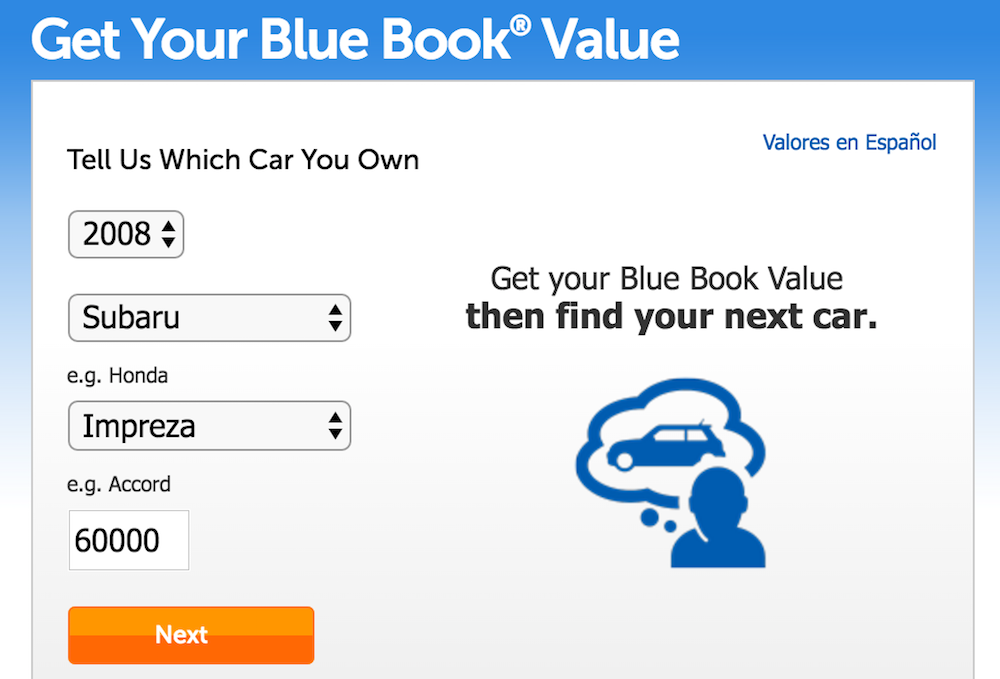
Using the Kelley Blue Book website (www.kbb.com) is a straightforward process:
- Visit the KBB Website: Navigate to www.kbb.com.
- Select "Used Car Values": Click on the "Used Car Values" or a similarly labeled option.
- Enter Truck Details: You'll be prompted to enter the truck's year, make, and model. Be as accurate as possible.
- Choose the Trim Level: Select the correct trim level. If you're unsure, check the truck's paperwork or look for identifying badges on the vehicle.
- Enter Mileage: Accurately input the truck's current mileage.
- Select Options and Packages: Choose any optional equipment or packages the truck has. This step is crucial for accurate valuation.
- Assess Condition: Carefully evaluate the truck's condition and select the appropriate rating (Excellent, Very Good, Good, Fair). Refer to KBB's detailed descriptions of each condition level to ensure accurate assessment. This is the most subjective part of the process. Be honest with yourself about the condition. A "Good" rating is usually the most common for used trucks.
- Enter Your Location: Provide your zip code to account for regional pricing variations.
- View the Results: KBB will generate a range of values based on the information you provided. Pay attention to the different value ranges, such as Trade-In Value, Private Party Value, and Dealer Retail Value.
Section 4: Understanding the Different KBB Values
Kelley Blue Book provides several different value ranges, each representing a different type of transaction:
- Trade-In Value: This is the estimated value a dealer will offer you for your truck if you trade it in towards the purchase of a new or used vehicle. Trade-in values are typically lower than private party or dealer retail values, as the dealer needs to account for reconditioning and profit margins.
- Private Party Value: This is the estimated value you can expect to receive if you sell your truck directly to another individual. Private party values are generally higher than trade-in values but lower than dealer retail values.
- Dealer Retail Value: This is the estimated price a dealer will ask for a similar used truck on their lot. Dealer retail values are typically the highest, as they include the dealer's overhead costs, profit margins, and any reconditioning work performed.
- Instant Cash Offer: Some dealers may use KBB's instant cash offer tool. This is typically the lowest offer, and not the best way to sell your vehicle.
Section 5: Factors That Can Affect Used Truck Value
While KBB provides a solid baseline, several factors can influence the actual value of a used truck:
- Market Demand: High demand for a particular truck model can drive up prices, while low demand can depress them.
- Fuel Prices: Fluctuations in fuel prices can affect the desirability of fuel-efficient trucks versus larger, less economical models.
- Economic Conditions: A strong economy generally leads to higher used vehicle prices, while a recession can lower them.
- Seasonal Factors: Truck values can fluctuate seasonally. For example, demand for four-wheel-drive trucks may increase during the winter months in snowy regions.
- Modifications and Aftermarket Parts: While some modifications (e.g., a well-installed lift kit) can increase value, others (e.g., poorly executed modifications) can decrease it. Aftermarket parts generally don't add significant value unless they are highly desirable and professionally installed.
- Accident History: A clean Carfax report is crucial. Accidents, especially those resulting in significant damage, can significantly reduce a truck's value, even if the repairs were done well.
- Maintenance Records: Complete and well-documented maintenance records demonstrate that the truck has been properly cared for, which can increase its value.
- Rust and Corrosion: Rust is a major value killer, especially in areas prone to harsh winters and road salt.
Section 6: Tips for Maximizing Your Truck's Value
If you're selling a used truck, here are some tips to help you get the best possible price:
- Thorough Cleaning and Detailing: A clean and well-detailed truck makes a much better impression on potential buyers. Clean the interior and exterior thoroughly, paying attention to details like the wheels, tires, and engine compartment.
- Address Minor Repairs: Fix any minor mechanical or cosmetic issues, such as replacing burned-out light bulbs, repairing small dents, or touching up paint chips.
- Gather Maintenance Records: Organize and present all available maintenance records to demonstrate that the truck has been well-maintained.
- Take High-Quality Photos: Use good lighting and angles to showcase your truck's best features in online listings.
- Be Honest and Transparent: Disclose any known issues or problems with the truck upfront. Honesty builds trust with potential buyers.
- Price Competitively: Research similar trucks for sale in your area to determine a fair and competitive asking price. Use KBB as a guide, but also consider local market conditions.
- Be Prepared to Negotiate: Be willing to negotiate on price, but don't be afraid to walk away if the offer is too low.
Section 7: Challenges and Solutions When Using KBB
While KBB is a valuable tool, it's not perfect. Here are some potential challenges and solutions:
- Subjectivity of Condition Rating: Assessing condition can be subjective. Solution: Refer to KBB's detailed descriptions and be honest with yourself. If unsure, err on the side of caution and choose a slightly lower rating. Consider having a mechanic inspect the truck to get an objective assessment.
- Inaccurate Mileage: Odometer fraud is a real concern. Solution: Check the vehicle's title and maintenance records for mileage discrepancies. Get a Carfax report to verify the mileage history.
- Regional Variations: KBB accounts for regional variations, but local market conditions can still influence prices. Solution: Research similar trucks for sale in your area to get a better sense of local pricing trends.
- Outdated Information: While KBB strives to keep its data current, market conditions can change rapidly. Solution: Use KBB as a starting point, but also consult other sources, such as Edmunds and NADAguides, to get a broader perspective.
Section 8: Kelley Blue Book Used Truck Value Price Table.
| Feature | Description | Importance |
|---|---|---|
| Year, Make, Model | Basic identifiers; e.g., 2015 Ford F-150. | Essential: Sets the foundation for the valuation. |
| Trim Level | Specific version of the model; e.g., XL, XLT, Lariat. | Critical: Determines included features and luxury, significantly impacting value. |
| Mileage | Total miles driven. | Crucial: Reflects wear and tear; lower mileage usually increases value. |
| Condition | Rating based on appearance, mechanical soundness; Excellent, Very Good, Good, Fair. | Highly Influential: Directly affects the valuation; accurate assessment is key. |
| Location | Region or zip code. | Significant: Accounts for regional market demand and conditions. |
| Options/Packages | Additional features; e.g., 4WD, tow package. | Important: Adds to or subtracts from the base value; can be substantial. |
| Trade-In Value | Estimate if trading in to a dealer. | Relevant: Helps estimate what a dealer will offer. |
| Private Party Value | Estimate when selling directly to another individual. | Important: Useful for setting a competitive price when selling privately. |
| Dealer Retail Value | Estimate when buying from a dealer. | Insightful: Provides an idea of what to expect from a dealer's asking price. |
| Market Demand | Overall popularity of the truck model. | Influential: High demand can increase prices, while low demand decreases them. |
| Fuel Prices | Current cost of fuel. | Variable: Affects desirability of fuel-efficient vs. less economical models. |
| Economic Conditions | State of the economy (recession, growth). | Variable: A strong economy increases used vehicle prices, while a recession lowers them. |
| Seasonal Factors | Time of year; e.g., 4WD demand in winter. | Situational: Affects specific truck types based on seasonal needs. |
| Accident History | Any reported accidents or damage. | Critical: Significantly reduces value, especially with major damage. |
| Maintenance Records | Proof of regular servicing and repairs. | Beneficial: Demonstrates care, potentially increasing value. |
| Rust/Corrosion | Presence of rust, especially in vulnerable areas. | Highly Damaging: Greatly reduces value, particularly in regions with road salt. |
Conclusion: Empowering Your Used Truck Transactions
Kelley Blue Book Used Truck Value is an invaluable resource for anyone buying or selling a used truck. By understanding the factors that influence value and utilizing KBB's online tools, you can approach transactions with confidence and ensure a fair and transparent outcome. Remember that KBB is a guide, not a guarantee. Local market conditions, the specific truck's history, and your negotiation skills will ultimately determine the final price. Use KBB wisely, and you'll be well-equipped to navigate the used truck market successfully.
Frequently Asked Questions (FAQ)
Q: How often does Kelley Blue Book update its values? A: KBB updates its values frequently, often weekly, to reflect changes in the market and economic conditions.
Q: Is Kelley Blue Book the only source for used truck values? A: No, there are other reputable sources, such as Edmunds and NADAguides. It's always a good idea to consult multiple sources to get a comprehensive view.
Q: What if my truck has modifications? How does that affect the KBB value? A: KBB doesn't typically account for aftermarket modifications. However, you can try to factor in the value of desirable modifications by comparing your truck to similar trucks with those modifications listed for sale. Be realistic about the value these modifications add.
Q: What does "clean title" mean, and why is it important? A: A clean title means the truck has never been declared a total loss or salvaged. A clean title is essential for maximizing value. A salvage title significantly reduces the truck's worth.
Q: The KBB value seems too high/low for my truck. What should I do? A: Double-check all the information you entered, especially the condition rating and options. Research similar trucks for sale in your area to see if the KBB value aligns with local market conditions. If the discrepancy persists, consider getting a professional appraisal.
Q: Can I use Kelley Blue Book to value a truck I'm importing from another country? A: KBB is primarily designed for vehicles sold in the United States. Its values may not be accurate for imported vehicles due to differences in specifications, regulations, and market conditions.