Dreaming of serving up delicious food to the Sunshine State? Perhaps you envision your gourmet tacos gracing the streets of Miami, or your signature seafood bisque tantalizing tourists in Orlando. Starting a food truck business in Florida offers a fantastic opportunity to tap into a thriving culinary scene and a year-round customer base. But the initial investment in purchasing a food truck can be daunting. That's where leasing comes in. "Lease A Food Truck Florida" is the act of renting a fully equipped food truck for a specific period, offering a cost-effective and flexible alternative to outright ownership. This article serves as your comprehensive guide to navigating the world of food truck leasing in Florida, equipping you with the knowledge to make informed decisions and set yourself up for culinary success on wheels.
Why Lease a Food Truck in Florida?
Lease A Food Truck Florida: Your Guide to Rolling Culinary Success
Leasing a food truck in Florida offers numerous advantages, especially for budding entrepreneurs:
- Lower Upfront Costs: The most significant benefit is the reduced initial capital expenditure. Buying a food truck requires a substantial investment, including the vehicle, equipment, permits, and inspections. Leasing eliminates this hurdle, allowing you to allocate funds towards marketing, inventory, and staffing.
- Reduced Financial Risk: Starting a business always involves risk. Leasing allows you to test the waters and validate your concept without committing to a large purchase. If the business doesn't perform as expected, you can simply terminate the lease agreement.
- Flexibility and Scalability: Leasing provides flexibility to adapt to changing market conditions. You can upgrade to a larger truck as your business grows or switch to a different type of truck to cater to specific events or locations.
- Maintenance and Repairs Included: Many lease agreements include maintenance and repairs, reducing your operational headaches and unexpected expenses. This can be a huge relief, especially during peak season.
- Tax Advantages: Lease payments may be tax-deductible as business expenses, further reducing your overall costs. (Consult with a tax professional for specific advice.)
- Access to Modern Equipment: Leasing allows you to access newer, more efficient, and compliant food trucks equipped with the latest technology, enhancing your operations and customer experience.

Navigating the Food Truck Leasing Process in Florida: A Step-by-Step Guide
Leasing a food truck involves careful planning and due diligence. Here's a step-by-step guide to help you navigate the process:
- Define Your Concept and Business Plan: Before you even start looking at trucks, clearly define your culinary concept, target market, and business plan. This will help you determine the type of truck, equipment, and features you need.
- Research and Identify Leasing Companies: Search for reputable food truck leasing companies operating in Florida. Read online reviews, compare their offerings, and check their background with the Better Business Bureau.
- Determine Your Budget: Assess your financial resources and determine how much you can realistically afford to spend on a monthly lease payment. Factor in other operational costs such as insurance, permits, inventory, and marketing.
- Inspect the Trucks Thoroughly: Visit the leasing company's premises and inspect the available trucks. Pay close attention to the condition of the vehicle, the functionality of the equipment, and compliance with health and safety regulations.
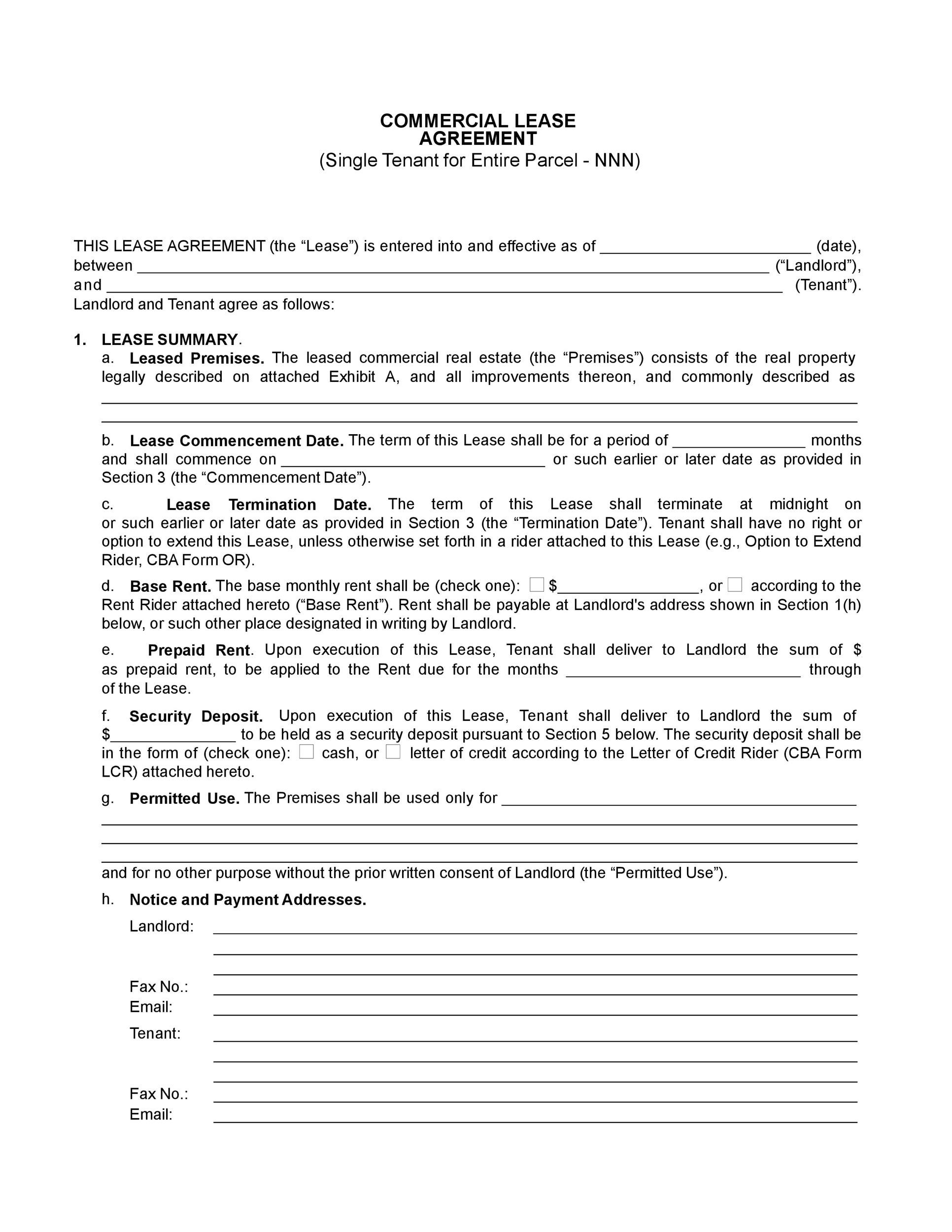
- Review the Lease Agreement Carefully: This is arguably the most crucial step. Thoroughly review the lease agreement, paying attention to the terms and conditions, including the lease duration, monthly payment, maintenance responsibilities, insurance requirements, mileage restrictions, and termination clauses. Consult with an attorney if needed.
- Secure Insurance and Permits: Obtain the necessary insurance coverage and permits required to operate a food truck in Florida. This includes general liability insurance, commercial auto insurance, and permits from the Department of Business and Professional Regulation (DBPR) and local health departments.
- Conduct a Test Run: Before signing the lease, request a test run to familiarize yourself with the truck's operation and identify any potential issues.
- Negotiate the Terms: Don't be afraid to negotiate the terms of the lease agreement. You may be able to negotiate a lower monthly payment, extended maintenance coverage, or more flexible mileage restrictions.
- Sign the Lease Agreement and Take Possession: Once you're satisfied with the terms, sign the lease agreement and take possession of the food truck.
- Start Cooking and Serving! Now, it's time to put your plan into action, drive to those best spots, and start turning that food into profit!

Key Considerations When Leasing a Food Truck in Florida
- Lease Duration: Consider the length of the lease term. Shorter terms offer more flexibility but may come with higher monthly payments. Longer terms provide more stability but may lock you into a contract even if your business needs change.
- Mileage Restrictions: Most lease agreements include mileage restrictions. Exceeding the limit can result in additional charges. Estimate your monthly mileage based on your planned routes and events.
- Maintenance Responsibilities: Determine who is responsible for maintenance and repairs. Some lease agreements include comprehensive maintenance coverage, while others require you to handle routine maintenance.
- Insurance Requirements: Understand the insurance requirements stipulated in the lease agreement. You will likely need to obtain general liability insurance and commercial auto insurance.
- Permit and Licensing Requirements: Ensure that the food truck meets all state and local permit and licensing requirements. The leasing company may be able to assist you with this process.
- Geographic Restrictions: Check for any geographic restrictions on where you can operate the food truck. Some lease agreements may limit you to specific counties or cities.
- Termination Clauses: Understand the termination clauses in the lease agreement. What are the penalties for early termination? Under what circumstances can the leasing company terminate the lease?
- Equipment Inventory: Ensure that the food truck includes all the necessary equipment to operate your business. Verify that the equipment is in good working order.
- Reputation of the Leasing Company: Research the leasing company's reputation. Read online reviews and check with the Better Business Bureau to ensure that they are reputable and reliable.
Types of Food Trucks Available for Lease in Florida
The type of food truck you need will depend on your culinary concept and target market. Here are some common types of food trucks available for lease in Florida:
- Standard Food Trucks: These are versatile trucks suitable for a wide range of cuisines. They typically include a kitchen area with basic equipment such as a grill, fryer, stove, and refrigerator.
- Specialty Food Trucks: These trucks are designed for specific cuisines or food items. Examples include pizza trucks, taco trucks, BBQ trucks, and dessert trucks.
- Mobile Catering Trucks: These trucks are equipped for catering events and festivals. They typically include larger cooking equipment and storage space.
- Coffee Trucks: These trucks are specifically designed for serving coffee, tea, and other beverages. They typically include espresso machines, coffee grinders, and refrigeration units.
- Concession Trailers: While not technically trucks, concession trailers offer a similar leasing option. They are towed behind a vehicle and are often used for stationary food vending.
Tips for Success When Leasing a Food Truck in Florida
- Develop a Strong Brand: Create a memorable brand that resonates with your target market. This includes your logo, menu, website, and social media presence.
- Choose the Right Location: Location is key to success. Research high-traffic areas and events where your target market frequents.
- Offer High-Quality Food: Serve delicious, high-quality food that keeps customers coming back for more.
- Provide Excellent Customer Service: Treat your customers with respect and provide friendly, efficient service.
- Market Your Business Effectively: Utilize social media, online advertising, and local events to promote your food truck.
- Stay Compliant with Regulations: Adhere to all state and local health and safety regulations.
- Network with Other Food Truck Owners: Connect with other food truck owners to share tips, resources, and support.
- Adapt to Changing Market Conditions: Be prepared to adapt your menu, pricing, and marketing strategies to respond to changing customer preferences and market trends.
Potential Challenges and Solutions
- Competition: The food truck industry in Florida is competitive. Differentiate yourself by offering a unique menu, superior quality, and excellent customer service.
- Permit and Licensing Requirements: Navigating the permit and licensing process can be challenging. Seek assistance from the leasing company or a consultant specializing in food truck regulations.
- Maintenance and Repairs: Food trucks require regular maintenance and repairs. Ensure that the lease agreement includes adequate maintenance coverage.
- Weather Conditions: Florida's hot and humid climate can impact food quality and customer comfort. Invest in proper ventilation and cooling systems.
- Finding Reliable Staff: Hiring and retaining reliable staff can be a challenge. Offer competitive wages and benefits, and create a positive work environment.
Table Price: Food Truck Leasing in Florida (Estimated)
| Feature | Description | Estimated Cost | Notes |
|---|---|---|---|
| Lease Payment (Monthly) | Base monthly lease cost for the truck | $2,000 - $6,000+ | Depends on truck size, equipment, age, and lease terms. |
| Security Deposit | Refundable deposit held by the leasing company | $2,000 - $5,000+ | Varies based on the leasing company and the value of the truck. |
| Insurance (Monthly) | General liability and commercial auto insurance | $200 - $500+ | Rates depend on coverage limits, driving record, and location. |
| Permits & Licenses (Annual) | State and local permits required to operate a food truck | $500 - $2,000+ | Varies based on location and specific requirements. |
| Maintenance & Repairs (Monthly) | Costs associated with routine maintenance and unexpected repairs (if not included in lease) | $200 - $1,000+ | Can be higher for older trucks or trucks with heavy usage. Some leases include full maintenance. |
| Inventory (Weekly) | Cost of food, beverages, and supplies | $500 - $2,000+ | Depends on menu and sales volume. |
| Marketing & Advertising (Monthly) | Costs associated with promoting your food truck | $100 - $500+ | Includes social media, flyers, website, and local advertising. |
| Fuel (Weekly) | Cost of gasoline or diesel | $100 - $300+ | Depends on mileage and fuel efficiency. |
| Staffing (Hourly) | Wages for employees (cooks, servers, etc.) | $15 - $25+ per hour per employee | Rates vary based on experience and location. |
Important Note: These are estimated costs and may vary depending on your specific circumstances. It's crucial to conduct thorough research and obtain accurate quotes from leasing companies, insurance providers, and other vendors.
Frequently Asked Questions (FAQ)
- Q: Is it better to lease or buy a food truck?
- A: Leasing is a good option for startups with limited capital or those who want to test the market. Buying is a better long-term investment if you have the financial resources and are committed to the business.
- Q: What credit score do I need to lease a food truck?
- A: Credit score requirements vary depending on the leasing company. Generally, a good credit score (680+) is preferred.
- Q: What are the requirements for operating a food truck in Florida?
- A: You need to obtain a license from the Department of Business and Professional Regulation (DBPR) and permits from your local health department.
- Q: Can I customize a leased food truck?
- A: Customization options vary depending on the leasing company. Some companies may allow minor modifications, while others may prohibit any changes.
- Q: What happens if the food truck breaks down?
- A: The lease agreement should outline the responsibilities for maintenance and repairs. If the breakdown is covered by the lease, the leasing company will typically handle the repairs.
- Q: Can I operate my food truck anywhere in Florida?
- A: Geographic restrictions may apply depending on the lease agreement and local regulations.
- Q: What happens at the end of the lease term?
- A: You typically have the option to return the food truck, renew the lease, or purchase the truck.
Conclusion
Leasing a food truck in Florida presents a viable pathway to launching your culinary dreams. By carefully considering your needs, researching your options, and understanding the terms of the lease agreement, you can make an informed decision that sets you up for success. Remember to prioritize quality, customer service, and compliance with regulations. With dedication and hard work, your leased food truck can become a thriving culinary destination in the Sunshine State. Now, get out there and start cooking up some deliciousness!