Introduction: Steering Towards Truck Ownership with Lone Mountain
The open road beckons, promising independence and opportunity for those behind the wheel of a semi-truck. But the upfront cost of purchasing a rig can be a significant barrier to entry. That's where Lone Mountain Truck Lease comes in. More than just a financing option, Lone Mountain offers a pathway to truck ownership tailored for aspiring owner-operators and small fleet owners. This comprehensive guide will delve into the intricacies of Lone Mountain Truck Lease, exploring its benefits, how it works, important considerations, and ultimately, helping you decide if it's the right route to take on your journey to owning the road.
Lone Mountain Truck Lease: Your Comprehensive Guide to Owning the Road
Section 1: Understanding Lone Mountain Truck Lease: A Definition
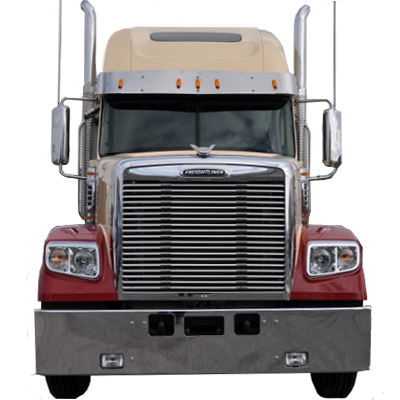
Lone Mountain Truck Lease is a lease-purchase program specifically designed for individuals who want to own a semi-truck but may not qualify for traditional financing due to credit challenges, limited operating history, or other factors. Unlike a traditional lease, where you return the vehicle at the end of the term, a lease-purchase agreement gives you the option to purchase the truck at the end of the lease period. With Lone Mountain, a portion of each lease payment goes towards the eventual purchase price, allowing you to build equity in the truck over time. It's a bridge between renting and owning, providing a structured path to full ownership.
Section 2: The Benefits of Choosing Lone Mountain Truck Lease
Lone Mountain Truck Lease offers a compelling range of advantages for aspiring owner-operators:
- Pathway to Ownership: The most significant benefit is the clear path to owning your truck. Each payment contributes to the eventual purchase, offering a tangible sense of progress.
- Credit Flexibility: Lone Mountain typically has less stringent credit requirements than traditional lenders, making truck ownership accessible to individuals with less-than-perfect credit histories.
- Fixed Payments: The lease payments are typically fixed for the duration of the agreement, providing predictable expenses and easier budgeting.
- Potential Tax Benefits: Lease payments may be tax-deductible as a business expense (consult with a tax professional for specific advice).
- Access to Newer Equipment: Lone Mountain often provides access to newer, more reliable trucks than what might be available through outright purchase with limited funds. This can reduce maintenance costs and downtime.
- Build Equity: As you make payments, you gradually build equity in the truck, increasing your net worth.
- Control and Independence: As you progress towards ownership, you gain more control over your business and operations compared to being a company driver.

Section 3: How Lone Mountain Truck Lease Works: A Step-by-Step Guide
The process of securing a Lone Mountain Truck Lease typically involves these steps:
- Application: Complete an application, providing information about your driving experience, financial history, and business plan.
- Credit Evaluation: Lone Mountain will evaluate your creditworthiness, but typically with more flexibility than traditional lenders.
- Truck Selection: Choose the truck that best suits your needs and budget from Lone Mountain's available inventory.
- Lease Agreement: Review and sign the lease agreement, which outlines the terms of the lease, including the payment schedule, purchase option, and responsibilities for maintenance and insurance.
- Down Payment: Make a down payment, which is typically a percentage of the truck's value.
- Insurance and Registration: Obtain the necessary insurance and registration for the truck.
- Regular Payments: Make regular lease payments according to the agreed-upon schedule.
- Maintenance: Maintain the truck according to the terms of the lease agreement.
- Purchase Option: At the end of the lease term, you have the option to purchase the truck for the agreed-upon price.
- Ownership Transfer: Once you exercise the purchase option and pay the remaining balance, ownership of the truck is transferred to you.

Section 4: Important Considerations Before Choosing Lone Mountain Truck Lease
While Lone Mountain Truck Lease offers numerous benefits, it's crucial to consider the following factors before making a decision:
- Total Cost of Ownership: Calculate the total cost of ownership, including lease payments, insurance, maintenance, fuel, and other expenses, to ensure it's financially viable.
- Interest Rates and Fees: Understand the interest rates, fees, and any potential penalties associated with the lease agreement.
- Maintenance Responsibilities: Clarify who is responsible for maintenance and repairs during the lease period. Some lease agreements may require you to use specific repair shops or follow a strict maintenance schedule.
- Mileage Restrictions: Be aware of any mileage restrictions and associated penalties for exceeding them.
- Purchase Option Price: Understand how the purchase option price is calculated and whether it's a fair market value at the end of the lease term.
- Lease Termination Penalties: Be aware of any penalties for terminating the lease early.
- Truck Condition: Thoroughly inspect the truck before signing the lease agreement to identify any existing damage or mechanical issues.
- Company Reputation: Research Lone Mountain's reputation and read reviews from other owner-operators to ensure they are a reputable company.
Section 5: Tips for Success with Lone Mountain Truck Lease
To maximize your chances of success with Lone Mountain Truck Lease, consider these tips:
- Create a Solid Business Plan: Develop a comprehensive business plan that outlines your income projections, expenses, and marketing strategies.
- Manage Your Finances Carefully: Track your income and expenses closely to ensure you can afford the lease payments and other operating costs.
- Maintain Your Truck Diligently: Regular maintenance is crucial to prevent breakdowns and extend the life of your truck.
- Drive Safely: Safe driving habits not only protect you and others on the road but also help reduce insurance costs and prevent accidents that can disrupt your business.
- Build a Strong Credit History: While Lone Mountain may have less stringent credit requirements, improving your credit score can help you secure better financing terms in the future.
- Network with Other Owner-Operators: Connect with other owner-operators to learn from their experiences and gain valuable insights into the industry.
- Seek Professional Advice: Consult with a financial advisor, accountant, or attorney to get personalized advice on managing your finances and navigating the legal aspects of truck ownership.
Section 6: Potential Challenges and Solutions with Lone Mountain Truck Lease
While Lone Mountain Truck Lease can be a great option, it's important to be aware of potential challenges and how to address them:
- Challenge: Higher Interest Rates: Lease-purchase programs often have higher interest rates than traditional financing.
- Solution: Shop around and compare rates from different lenders. Focus on maximizing your earnings and paying down the balance as quickly as possible.
- Challenge: Maintenance Costs: Unexpected repairs can be costly and disrupt your business.
- Solution: Establish a maintenance fund and prioritize preventative maintenance. Consider purchasing an extended warranty.
- Challenge: Cash Flow Fluctuations: Income can vary depending on market conditions and freight availability.
- Solution: Build a cash reserve to cover unexpected expenses and income fluctuations.
- Challenge: Lease Termination Penalties: Terminating the lease early can be expensive.
- Solution: Carefully review the lease agreement and understand the termination penalties before signing.
- Challenge: Mileage Restrictions: Exceeding mileage restrictions can result in penalties.
- Solution: Plan your routes carefully and track your mileage diligently.
Section 7: Alternatives to Lone Mountain Truck Lease
Before committing to Lone Mountain Truck Lease, explore these alternative options:
- Traditional Truck Loans: If you have good credit, you may qualify for a traditional truck loan with lower interest rates.
- Small Business Administration (SBA) Loans: SBA loans can provide financing for small businesses, including owner-operators.
- Equipment Financing: Equipment financing companies specialize in financing trucks and other equipment.
- Owner-Operator Programs: Some trucking companies offer owner-operator programs that provide assistance with financing and maintenance.
- Save and Purchase Outright: While it takes longer, saving up and purchasing a truck outright eliminates the need for financing and allows you to build equity from day one.
Section 8: Lone Mountain Truck Lease Price Table
| Feature | Description | Example Details |
|---|---|---|
| Truck Type | Type of semi-truck available for lease (e.g., Sleeper, Day Cab, etc.) | Sleeper Cab, Volvo VNL760 |
| Year | Model year of the truck. | 2019 |
| Mileage | Current mileage on the truck. | 450,000 miles |
| Down Payment | Initial amount required to start the lease. | $5,000 - $10,000 (varies based on credit and truck) |
| Lease Payment (Weekly) | Weekly payment amount. | $500 - $800 (varies based on truck, credit, and lease term) |
| Lease Term | Length of the lease agreement. | 36 months, 48 months, 60 months |
| Purchase Option Price | Price to purchase the truck at the end of the lease term. May depend on remaining balance or pre-determined fair market value. | Calculated based on depreciation and remaining balance, estimated at $25,000 - $40,000 after a 48-month lease. |
| Maintenance Program | Details of any included maintenance programs. | Basic maintenance included (oil changes, filter replacements), optional extended warranty available. |
| Insurance | Requirement for insurance coverage. | Lessee responsible for full coverage insurance with Lone Mountain listed as a lienholder. Estimate $200-$400 per month depending on driving record. |
| Credit Requirements | General credit score requirements. | Credit scores typically range from 550 - 650. |
Note: Prices and conditions are subject to change. It is always best to contact Lone Mountain directly for the most current and accurate information.
Section 9: Frequently Asked Questions (FAQ) about Lone Mountain Truck Lease
- Q: What credit score do I need to qualify for Lone Mountain Truck Lease?
- A: While specific credit score requirements vary, Lone Mountain typically accepts applicants with less-than-perfect credit, often in the 550-650 range.
- Q: What is the down payment requirement?
- A: Down payments typically range from 5% to 10% of the truck's value, depending on your credit history and the specific truck.
- Q: Who is responsible for maintenance and repairs during the lease period?
- A: Typically, the lessee (you) is responsible for maintenance and repairs. However, some lease agreements may include a maintenance program.
- Q: Can I terminate the lease early?
- A: Yes, but you may be subject to penalties. Review the lease agreement carefully to understand the termination penalties.
- Q: What happens at the end of the lease term?
- A: You have the option to purchase the truck for the agreed-upon price.
- Q: Is Lone Mountain Truck Lease available nationwide?
- A: Availability may vary by location. Contact Lone Mountain directly to confirm their service area.
- Q: What types of trucks are available through Lone Mountain Truck Lease?
- A: The types of trucks available vary, but typically include a range of sleeper cabs and day cabs from various manufacturers.
Conclusion: Navigating Your Path to Truck Ownership
Lone Mountain Truck Lease offers a valuable pathway to truck ownership for aspiring owner-operators who may face challenges securing traditional financing. By understanding the benefits, considerations, and potential challenges, you can make an informed decision about whether it's the right option for you. Remember to conduct thorough research, create a solid business plan, manage your finances carefully, and seek professional advice to maximize your chances of success on your journey to owning the road. Ultimately, the decision to pursue a Lone Mountain Truck Lease should align with your financial goals, business objectives, and commitment to the demanding but rewarding world of truck ownership. The open road awaits – drive safely and make informed choices!