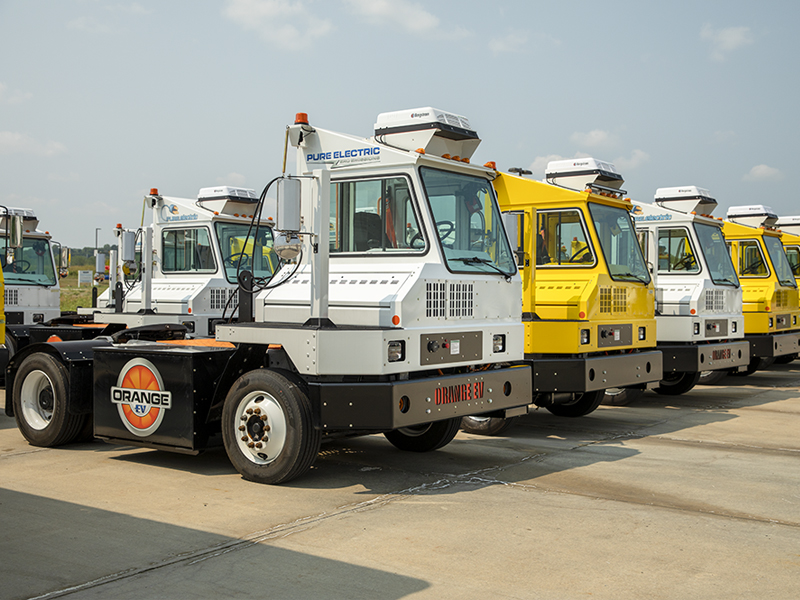
In the bustling world of logistics and warehousing, efficiency is paramount. Every second counts, and the smooth movement of goods is the lifeblood of a successful operation. Enter the yard dog truck, also known as a shunt truck, yard spotter, or terminal tractor. These specialized vehicles are the unsung heroes of the distribution center, tirelessly moving trailers within the confines of the yard, freeing up over-the-road tractors for long-haul duties. But operating these powerful machines requires specialized skills and training. This article will delve into the intricacies of yard dog truck training, outlining its importance, benefits, key considerations, and providing practical advice to help you master the maneuver.
Why Yard Dog Truck Training Matters: The Foundation of Efficient Yard Operations
Mastering the Maneuver: A Comprehensive Guide to Yard Dog Truck Training
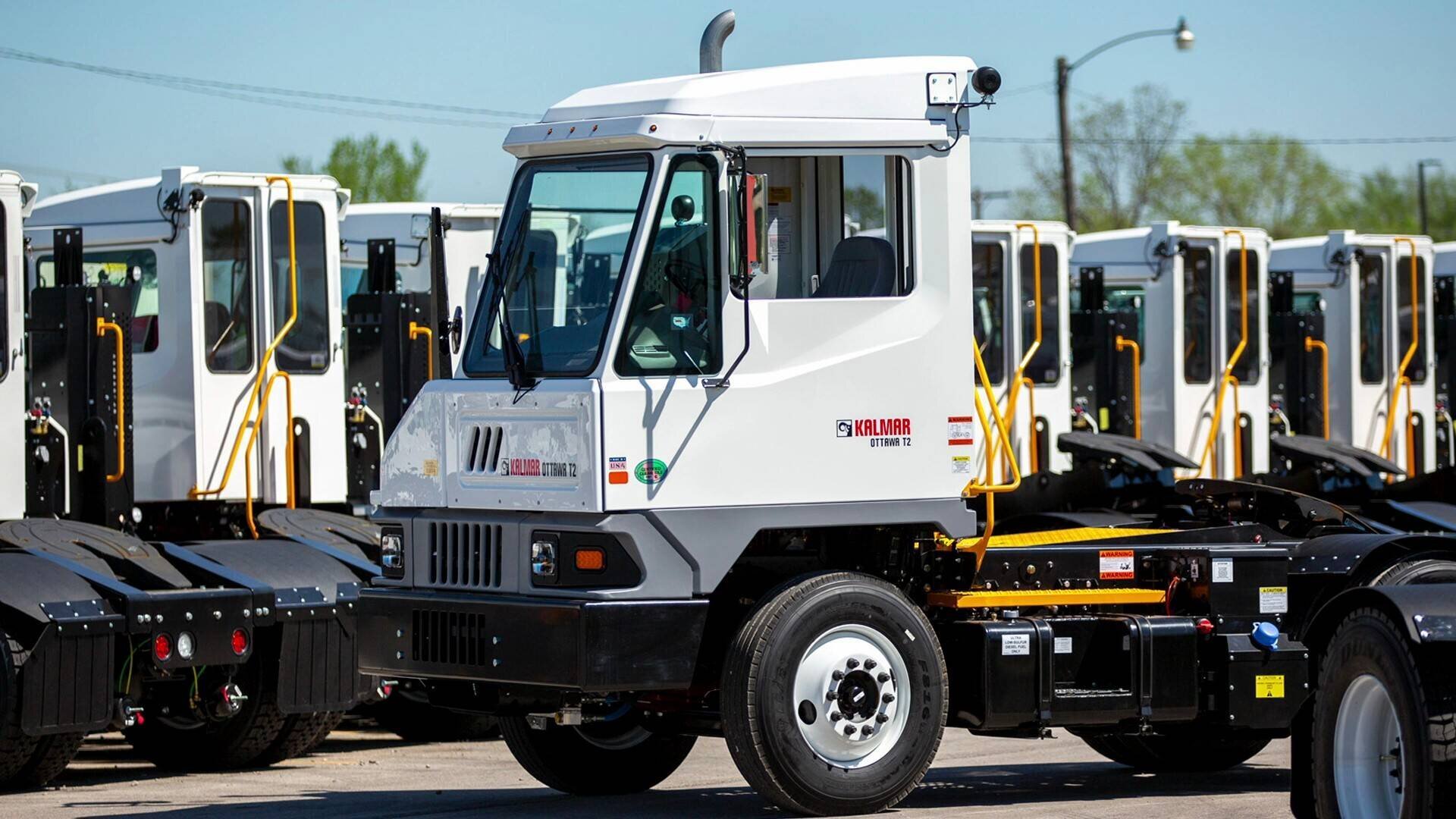
Yard dog trucks are designed for one specific purpose: moving trailers quickly and efficiently within a limited space. They possess unique features like a hydraulically operated fifth wheel, allowing for rapid trailer connection and disconnection, and a high degree of maneuverability. However, these features also demand specialized training. Unlike over-the-road trucking, yard dog operation presents its own set of challenges:
- Confined Spaces: Yard environments are often cramped and congested, requiring precise maneuvering to avoid collisions with other vehicles, equipment, and personnel.
- Constant Start-Stop Operation: The repetitive nature of yard work puts a strain on both the equipment and the operator, demanding smooth and controlled acceleration and braking.
- Varied Trailer Types: Operators must be proficient in handling a wide range of trailer types and sizes, each with its own handling characteristics.
- Safety Concerns: The high volume of traffic and activity in the yard increases the risk of accidents, making safety training paramount.
Proper yard dog truck training equips operators with the skills and knowledge necessary to navigate these challenges safely and efficiently, ultimately contributing to a more productive and cost-effective operation. Untrained operators can cause accidents, damage equipment, and slow down the entire workflow.
Key Components of Effective Yard Dog Truck Training: Building a Solid Skillset
A comprehensive yard dog truck training program should cover the following key areas:
-
Pre-Operational Inspection:
- Purpose: To ensure the truck is in safe operating condition before each shift, preventing breakdowns and accidents.
- Content: Thorough inspection of critical components, including tires, brakes, lights, fluid levels, coupling mechanism, and safety devices.
- Hands-on Practice: Trainees should perform a complete pre-trip inspection under the supervision of a qualified instructor.

-
Coupling and Uncoupling Procedures:
- Purpose: To safely and efficiently connect and disconnect trailers, minimizing downtime and preventing damage to equipment.
- Content: Proper alignment techniques, operation of the fifth wheel locking mechanism, air line connections, and safety checks.
- Hands-on Practice: Repeated coupling and uncoupling exercises under various conditions, including uneven surfaces and varying trailer heights.
-
Maneuvering Skills:
- Purpose: To develop the skills necessary to navigate tight spaces, back trailers into docks, and avoid collisions.
- Content: Steering techniques, throttle control, brake management, backing maneuvers (straight, angled, and curved), and awareness of blind spots.
- Hands-on Practice: Extensive practice in a simulated yard environment, including exercises involving tight turns, backing into docks, and navigating obstacles.
-
Safety Procedures:
- Purpose: To instill a strong safety culture and prevent accidents.
- Content: Company safety policies, traffic rules within the yard, hazard identification, emergency procedures, and personal protective equipment (PPE) requirements.
- Classroom Instruction and Practical Drills: Combining theoretical knowledge with practical simulations to reinforce safety protocols.
-
Load Securement:
- Purpose: To ensure that the cargo within the trailer is properly secured, preventing shifting or damage during transport.
- Content: Understanding of different load securement methods, proper use of straps, chains, and other securing devices, and inspection of load securement equipment.
- Hands-on Practice: Applying and inspecting load securement devices under the guidance of an experienced instructor.
-
Equipment Maintenance:
- Purpose: To understand basic maintenance procedures and identify potential mechanical problems.
- Content: Checking fluid levels, tire pressure, and other essential maintenance tasks. Recognizing warning signs of mechanical issues and reporting them promptly.
- Practical Demonstration: Observing and participating in basic maintenance procedures under the supervision of a qualified mechanic.
Benefits of Investing in Yard Dog Truck Training: A Return on Investment
The benefits of investing in comprehensive yard dog truck training extend far beyond simply meeting regulatory requirements. They contribute directly to a more efficient, safe, and profitable operation.
- Increased Efficiency: Trained operators can move trailers faster and more efficiently, reducing cycle times and improving overall yard throughput.
- Reduced Accidents: Proper training significantly reduces the risk of accidents, protecting personnel, equipment, and the environment.
- Lower Maintenance Costs: Skilled operators are less likely to damage equipment, leading to lower maintenance costs and longer equipment lifespan.
- Improved Safety Culture: A well-trained workforce fosters a stronger safety culture, reducing the risk of injuries and liabilities.
- Enhanced Employee Morale: Providing employees with the skills and knowledge they need to perform their jobs effectively boosts morale and reduces turnover.
- Compliance with Regulations: Many jurisdictions require specific training for yard dog operators. Investing in training ensures compliance and avoids potential fines or penalties.
Tips for Effective Yard Dog Truck Training: Maximizing Learning Outcomes
To ensure that your yard dog truck training program is effective, consider the following tips:
- Choose a Reputable Training Provider: Look for a training provider with experienced instructors, a well-equipped training facility, and a proven track record.
- Customize the Training: Tailor the training program to the specific needs of your operation and the types of equipment you use.
- Provide Hands-on Practice: Emphasize hands-on practice in a simulated yard environment to allow trainees to develop their skills and confidence.
- Use Technology: Incorporate technology such as simulators and video tutorials to enhance the learning experience.
- Provide Ongoing Training: Offer refresher courses and ongoing training to keep operators up-to-date on the latest safety procedures and best practices.
- Document Training: Maintain accurate records of all training provided to ensure compliance and track employee progress.
- Evaluate Training Effectiveness: Regularly evaluate the effectiveness of the training program and make adjustments as needed.
Potential Challenges and Solutions in Yard Dog Truck Training:
Even with a well-designed training program, you may encounter challenges. Here are some common issues and potential solutions:
- High Turnover: Offer competitive wages and benefits, provide opportunities for advancement, and create a positive work environment to reduce turnover.
- Language Barriers: Provide training materials in multiple languages or hire bilingual instructors.
- Lack of Experience: Pair new operators with experienced mentors to provide on-the-job training and guidance.
- Resistance to Change: Emphasize the benefits of training and involve employees in the development of the training program.
- Limited Resources: Explore government grants and funding opportunities to help offset the cost of training.
Yard Dog Truck Training Price Table:
| Training Program | Description | Duration | Price (USD) | Prerequisites | Key Benefits |
|---|---|---|---|---|---|
| Basic Yard Dog Operator Training | Covers pre-trip inspections, coupling/uncoupling, basic maneuvering, and safety procedures. | 2-3 days | $500 - $800 | Valid driver's license | Foundational skills, reduced accident risk. |
| Advanced Yard Dog Operator Training | Builds upon basic training, focusing on advanced maneuvering, load securement, and equipment maintenance. | 3-4 days | $800 - $1200 | Completion of Basic Training | Increased efficiency, lower maintenance costs. |
| Refresher Course | Review of key concepts and procedures for experienced operators. | 1 day | $200 - $400 | Valid driver's license, prior yard dog experience | Ensures compliance, updates on best practices. |
| Train-the-Trainer Program | Equips individuals to conduct yard dog truck training within their organization. | 5 days | $1500 - $2500 | Extensive yard dog experience, strong communication skills | Internal training capacity, customized training programs. |
| On-Site Training | Training conducted at your facility, tailored to your specific equipment and operations. | Varies | Contact for Quote | Varies | Convenience, customized content. |
Conclusion: Investing in Excellence - The Key to a Smooth-Running Yard
Yard dog truck training is not merely a cost; it is an investment in the safety, efficiency, and profitability of your operation. By providing your operators with the skills and knowledge they need to perform their jobs effectively, you can create a safer work environment, reduce accidents, lower maintenance costs, and improve overall yard throughput. Embrace a culture of continuous learning and improvement, and you will reap the rewards of a well-trained and highly skilled workforce. Mastering the maneuver is the key to unlocking the full potential of your yard operations.
Frequently Asked Questions (FAQ):
Q: How long does yard dog truck training typically take?
A: The duration of yard dog truck training varies depending on the program and the experience level of the trainee. Basic training programs typically last 2-3 days, while advanced programs may take 3-4 days. Refresher courses usually take one day.
Q: What are the prerequisites for yard dog truck training?
A: The prerequisites for yard dog truck training typically include a valid driver's license. Some advanced programs may require prior yard dog experience or completion of a basic training program.
Q: Is a Commercial Driver's License (CDL) required to operate a yard dog truck?
A: The requirement for a CDL to operate a yard dog truck varies depending on the jurisdiction and the specific circumstances. In some cases, a CDL may not be required if the vehicle is operated solely within the confines of a private property. However, it is always best to check with your local Department of Motor Vehicles (DMV) or transportation agency to determine the specific requirements in your area.
Q: How much does yard dog truck training cost?
A: The cost of yard dog truck training varies depending on the program, the location, and the training provider. Basic training programs typically cost between $500 and $800, while advanced programs may cost between $800 and $1200. Refresher courses usually cost between $200 and $400.
Q: Where can I find yard dog truck training?
A: You can find yard dog truck training through various sources, including vocational schools, community colleges, and private training providers. You can also search online for training programs in your area.
Q: What are the key skills that I will learn in yard dog truck training?
A: Key skills learned in yard dog truck training include pre-trip inspections, coupling and uncoupling procedures, maneuvering skills, safety procedures, load securement, and equipment maintenance.
Q: How can I ensure that my yard dog truck training is effective?
A: To ensure that your yard dog truck training is effective, choose a reputable training provider, customize the training to your specific needs, provide hands-on practice, use technology to enhance the learning experience, and provide ongoing training.