Introduction: The Smart Mover's Secret Weapon
Moving is a significant life event, often accompanied by stress, logistical nightmares, and hefty expenses. One of the most considerable costs involved is transportation. While renting a moving truck seems like the default option, purchasing a used moving truck can be a savvy long-term investment, especially for businesses, frequent movers, or those looking to start a moving service. "Moving Trucks For Sale Used" represents a market of vehicles that can significantly reduce your moving costs, offer income-generating opportunities, and provide greater control over the moving process. This guide delves into the intricacies of this market, offering practical advice and actionable insights to help you find the perfect used moving truck for your needs.
Moving Trucks For Sale Used: A Comprehensive Guide to Finding the Right Vehicle
Section 1: Why Buy a Used Moving Truck? Weighing the Pros and Cons
Before diving into the specifics of the used moving truck market, it's essential to understand the benefits and drawbacks of owning versus renting.
Pros of Buying a Used Moving Truck:
- Cost-Effectiveness Over Time: Renting a truck multiple times quickly adds up. If you move frequently, start a business in moving, or need a large vehicle for hauling goods, buying a used truck can be much cheaper in the long run.
- Income Potential: Owning a moving truck opens up possibilities for starting your own moving business, offering hauling services, or even renting it out when not in use.
- Customization: You can modify and customize your truck to fit your specific needs, adding ramps, shelving, or other features to make moving easier.
- Control and Flexibility: No more worrying about rental agreements, mileage restrictions, or returning the truck on time. You have complete control over your moving schedule.
- Asset Ownership: A used moving truck is an asset that can be resold later, potentially recouping some of your initial investment.
Cons of Buying a Used Moving Truck:
- Initial Investment: The upfront cost of purchasing a truck is significantly higher than renting.
- Maintenance and Repairs: Owning a vehicle means responsibility for its upkeep, including regular maintenance and potential repairs.
- Storage: You'll need a place to store the truck when it's not in use, which may require additional space or a storage facility.
- Insurance and Registration: Owning a moving truck comes with the responsibility of obtaining insurance and registering the vehicle, which can add to the overall cost.
- Depreciation: Like any vehicle, a used moving truck will depreciate in value over time.


Section 2: Defining Your Needs: What Kind of Moving Truck Do You Need?
Choosing the right used moving truck requires careful consideration of your specific needs. Here's a breakdown of factors to consider:
- Moving Volume: The most important factor is the size of your move. Do you need a small cargo van for a studio apartment, or a large box truck for a multi-bedroom house?
- Distance: Are you moving locally, or across the country? Long-distance moves require trucks in better mechanical condition.
- Frequency of Use: Will you be using the truck regularly for business purposes, or only occasionally for personal moves?
- Budget: Determine your budget and stick to it. Don't forget to factor in the cost of maintenance, insurance, and registration.
- License Requirements: Some larger trucks may require a commercial driver's license (CDL). Check your local regulations.
Common Types of Used Moving Trucks:
- Cargo Vans: Ideal for small apartments, dorm rooms, or single items.
- Pickup Trucks: Suitable for smaller loads and local moves. Can be paired with a trailer for additional space.
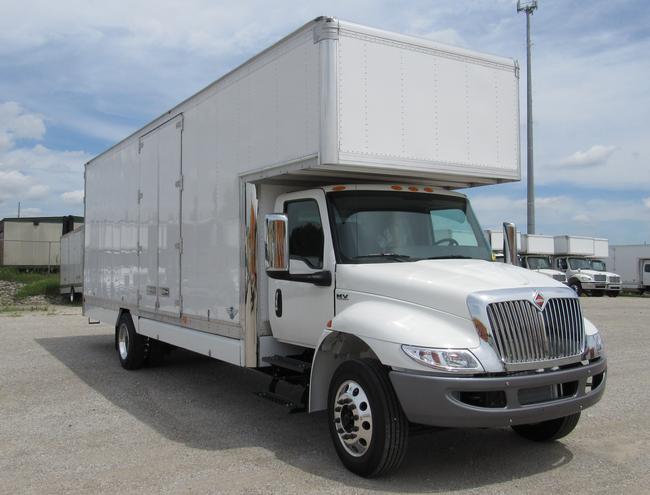
- Box Trucks (Moving Trucks): The workhorse of the moving industry, available in various sizes from 10' to 26'.
- Flatbed Trucks: Best for moving large, bulky items that don't require enclosure.
- Semi-Trucks (Tractors): Used for the largest moves, requiring a CDL and significant expertise.
Section 3: Where to Find Used Moving Trucks for Sale
The used moving truck market is diverse. Here's where to look:
- Online Marketplaces: Websites like Commercial Truck Trader, Truck Paper, eBay Motors, and Craigslist are excellent starting points. Use filters to narrow down your search based on location, price, mileage, and other criteria.
- Used Car Dealerships: Many dealerships specialize in commercial vehicles and offer a selection of used moving trucks.
- Auction Houses: Government auctions, bank repossession auctions, and private auctions can be a source of good deals, but require thorough inspection and research.
- Moving Companies: Some moving companies periodically sell off their older trucks. Contact local moving companies to inquire about their fleet sales.
- Fleet Sales: Large companies that maintain a fleet of trucks often sell their older vehicles at auction or through private sales.
- Private Sellers: Classified ads and online forums can connect you with individuals selling their used moving trucks.
Section 4: Inspection is Key: What to Look for Before You Buy
Thorough inspection is paramount when buying a used moving truck. Don't skip this step, as it can save you thousands of dollars in potential repairs.
- Mechanical Condition:
- Engine: Listen for unusual noises, check for leaks, and ensure the engine starts smoothly.
- Transmission: Test the transmission by shifting through all gears. Look for slipping or hesitation.
- Brakes: Test the brakes for responsiveness and check the brake pads and rotors for wear.
- Suspension: Inspect the suspension for signs of damage or wear.
- Tires: Check the tire tread depth and look for signs of uneven wear.
- Fluid Levels: Check all fluid levels, including oil, coolant, brake fluid, and power steering fluid.
- Body Condition:
- Rust: Check for rust, especially around the wheel wells, undercarriage, and body panels.
- Dents and Scratches: Note any dents or scratches, as they can affect the truck's value.
- Frame: Inspect the frame for signs of damage or welding.
- Doors and Windows: Ensure all doors and windows open and close properly.
- Interior Condition:
- Seats: Check the condition of the seats and look for tears or stains.
- Dashboard: Inspect the dashboard for cracks or damage.
- Electronics: Test all electronic components, including lights, wipers, and radio.
- Paperwork:
- Vehicle History Report (VIN): Obtain a vehicle history report from a reputable provider to check for accidents, title issues, and other problems.
- Maintenance Records: Review the truck's maintenance records to see how well it has been maintained.
Consider a Professional Inspection: If you're not mechanically inclined, consider hiring a qualified mechanic to perform a pre-purchase inspection. The cost is well worth the peace of mind.
Section 5: Negotiating the Price: Getting the Best Deal
Negotiating the price of a used moving truck requires research and strategy.
- Research Market Value: Use online resources to determine the fair market value of similar trucks in your area.
- Identify Issues: Point out any issues you found during the inspection, such as needed repairs or cosmetic damage.
- Be Prepared to Walk Away: Don't be afraid to walk away if the seller isn't willing to negotiate a fair price.
- Consider Financing: If you're financing the purchase, get pre-approved for a loan before you start negotiating.
- Negotiate the Total Cost: Focus on the total cost of the truck, including taxes, fees, and any other charges.
Section 6: Financing, Insurance, and Registration: The Final Steps
Once you've found the perfect used moving truck and negotiated a price, it's time to finalize the purchase.
- Financing: Explore your financing options, including loans from banks, credit unions, and online lenders.
- Insurance: Obtain commercial auto insurance to protect your investment and comply with legal requirements.
- Registration: Register the truck with your local Department of Motor Vehicles (DMV).
Section 7: Tips for Maintaining Your Used Moving Truck
Proper maintenance is crucial for extending the life of your used moving truck.
- Regular Oil Changes: Follow the manufacturer's recommendations for oil changes.
- Fluid Checks: Regularly check all fluid levels, including oil, coolant, brake fluid, and power steering fluid.
- Tire Maintenance: Maintain proper tire pressure and rotate your tires regularly.
- Brake Inspections: Have your brakes inspected regularly.
- Preventative Maintenance: Schedule regular preventative maintenance services to catch potential problems early.
- Keep it Clean: Wash and wax your truck regularly to protect the paint and prevent rust.
Section 8: Potential Challenges and Solutions
- Finding a Reliable Mechanic: Establish a relationship with a reputable mechanic who specializes in commercial vehicles.
- Unexpected Repairs: Set aside a budget for unexpected repairs.
- Storage Issues: Find a secure and affordable place to store your truck.
- Fluctuating Fuel Prices: Budget for fluctuating fuel prices.
- Competition: If you're starting a moving business, be prepared for competition.
Price Table:
| Truck Type | Size (feet) | Average Mileage | Condition | Estimated Price Range |
|---|---|---|---|---|
| Cargo Van | 10-12 | 100,000-150,000 | Good/Fair | $8,000 - $15,000 |
| Pickup Truck | N/A | 80,000-120,000 | Good/Fair | $10,000 - $20,000 |
| Box Truck | 16-26 | 150,000-250,000 | Good/Fair | $15,000 - $35,000 |
| Flatbed Truck | Varies | 120,000-200,000 | Good/Fair | $12,000 - $25,000 |
| Semi-Truck (Used) | N/A | 400,000-700,000+ | Fair/Acceptable | $25,000 - $60,000+ |
Conclusion: Your Moving Journey, Your Truck, Your Terms
Buying a used moving truck can be a smart investment for individuals and businesses alike. By carefully considering your needs, thoroughly inspecting potential purchases, and negotiating a fair price, you can find the perfect truck to meet your moving needs and potentially generate income. Remember to prioritize maintenance and be prepared for potential challenges. With the right truck and a little planning, you can take control of your moving journey and enjoy the freedom and flexibility that comes with owning your own vehicle.
Frequently Asked Questions (FAQ)
Q: Is it worth buying a used moving truck?
A: It depends on your needs. If you move frequently, need a large vehicle for hauling, or plan to start a moving business, buying a used truck can be cost-effective in the long run.
Q: What size moving truck do I need?
A: The size of the truck depends on the size of your move. Cargo vans are suitable for small apartments, while larger box trucks are needed for multi-bedroom houses.
Q: Where can I find used moving trucks for sale?
A: Online marketplaces, used car dealerships, auction houses, moving companies, fleet sales, and private sellers are all good places to look.
Q: What should I look for when inspecting a used moving truck?
A: Check the engine, transmission, brakes, suspension, tires, body condition, interior condition, and paperwork. Consider a professional inspection.
Q: How can I negotiate the price of a used moving truck?
A: Research market value, identify issues, be prepared to walk away, consider financing, and negotiate the total cost.
Q: What are the ongoing costs of owning a used moving truck?
A: Ongoing costs include maintenance, repairs, insurance, registration, and storage.
Q: Do I need a commercial driver's license (CDL) to drive a moving truck?
A: Some larger trucks may require a CDL. Check your local regulations.
Q: How can I maintain my used moving truck?
A: Follow the manufacturer's recommendations for maintenance, perform regular fluid checks, and keep the truck clean.
Q: What are some potential challenges of owning a used moving truck?
A: Potential challenges include finding a reliable mechanic, unexpected repairs, storage issues, and fluctuating fuel prices.
Q: Can I rent out my used moving truck?
A: Yes, you can rent out your used moving truck through online platforms or by advertising locally. Be sure to check your insurance policy to ensure you are covered.