Moving in New York City is a unique challenge, a complex dance of logistical hurdles and financial considerations. From navigating narrow streets and securing parking permits to the sheer cost of living, the city throws curveballs at every turn. When it comes to moving your belongings, U-Haul often emerges as a popular, seemingly affordable option. However, understanding the true cost of a U-Haul rental in NYC requires more than just glancing at the base price. It's a deep dive into a world of mileage fees, insurance options, location surcharges, and the dreaded traffic delays. This article serves as your comprehensive guide to deciphering the intricacies of U-Haul costs in New York City, equipping you with the knowledge to make informed decisions and avoid unexpected expenses. We'll explore the various factors influencing the final bill, provide practical tips for minimizing costs, and address common questions to ensure a smooth and budget-friendly moving experience.
1. Decoding the Base Rate: More Than Meets the Eye
Navigating the Maze: Understanding U-Haul Costs in New York City
The initial U-Haul rental rate advertised often appears enticingly low, especially when compared to full-service moving companies. However, this base rate is just the starting point. It typically covers the rental of the truck for a specific period, usually 24 hours, but excludes several crucial elements that significantly impact the overall cost.
-
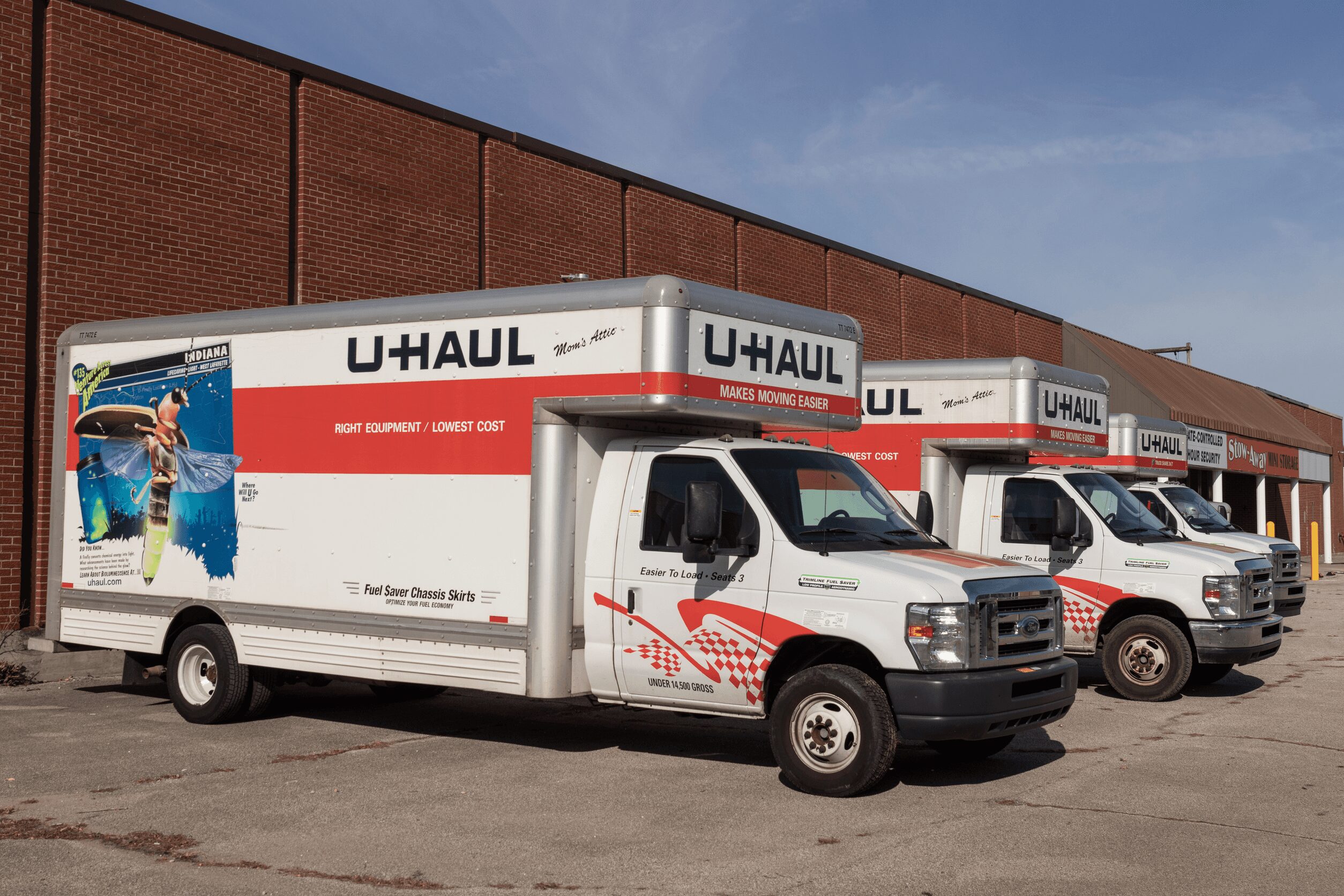
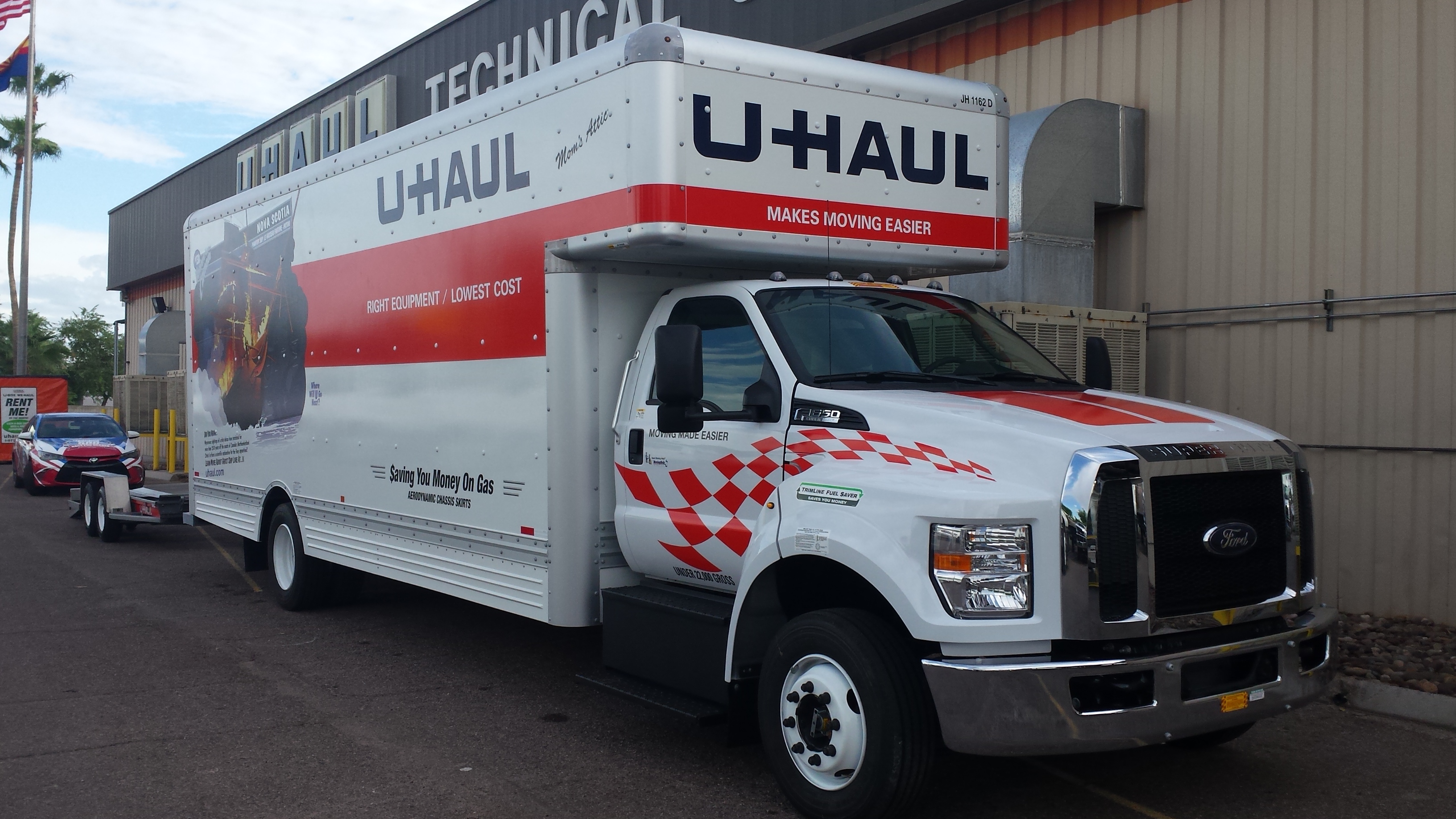
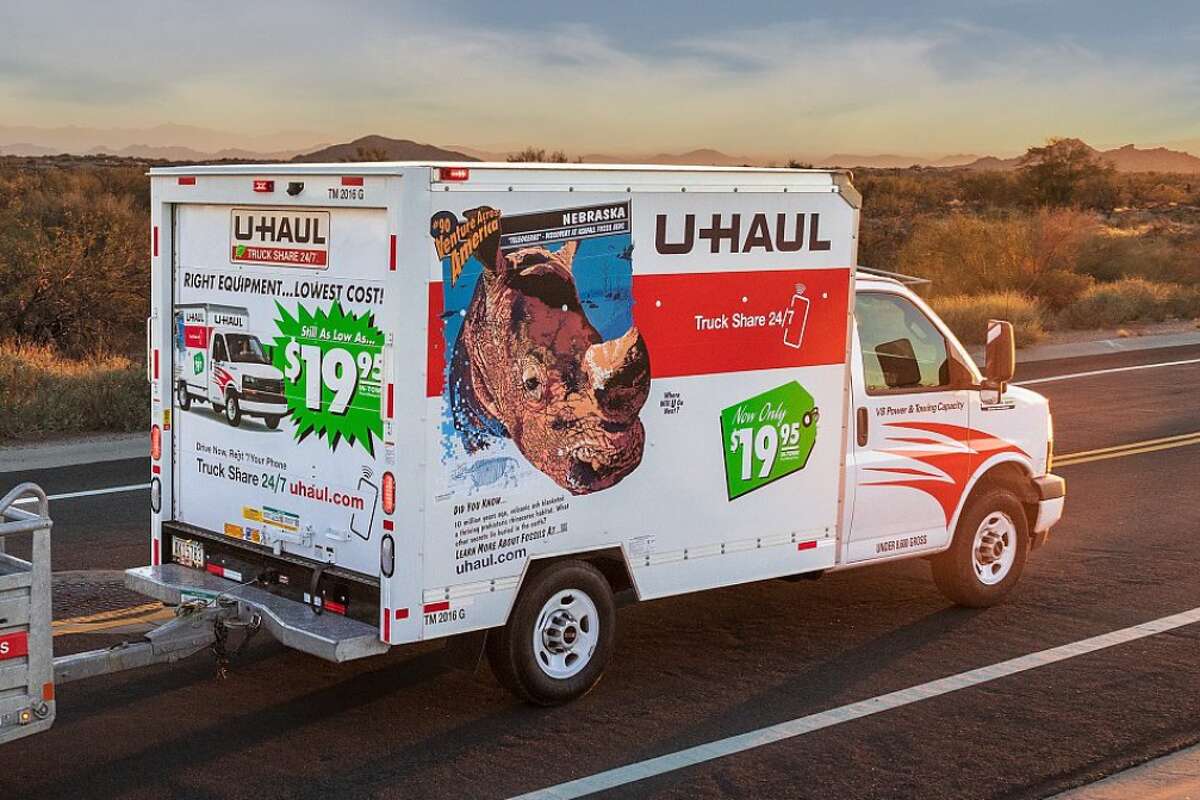
Truck Size Matters: The size of the U-Haul truck you choose is a primary driver of the base rate. Smaller trucks, like the 10-foot or 15-foot options, will naturally have lower base rates compared to larger trucks like the 20-foot or 26-foot models. Accurately assessing your moving needs and selecting the appropriate truck size is crucial to avoid overpaying for unused space or making multiple trips, which can quickly escalate costs.
-
Location, Location, Location: U-Haul's pricing structure is heavily influenced by location. Renting from a U-Haul dealer within Manhattan, with its higher operating costs and limited parking, will typically be more expensive than renting from a location in the outer boroughs like Brooklyn, Queens, or the Bronx. Consider expanding your search beyond your immediate neighborhood to potentially find more affordable options.
-
Time of Year & Day of the Week: Like many services, U-Haul prices fluctuate based on demand. Weekends, particularly during peak moving season (late spring, summer, and early fall), are the most expensive times to rent. If your schedule is flexible, consider moving during the week or off-season to secure a lower base rate.
2. The Mileage Monster: Understanding Distance Charges
Beyond the base rate, mileage fees are a significant component of U-Haul costs in NYC. Given the city's sprawling landscape and the potential for heavy traffic, mileage can quickly add up.
-
Per-Mile Rate: U-Haul charges a per-mile fee, which varies depending on the truck size and the location. This fee can range from $0.89 to over $1.00 per mile in NYC.
-
Estimating Your Mileage: Accurately estimating the total mileage you'll travel is crucial for budgeting. Use online mapping tools like Google Maps or MapQuest to calculate the distance between your current address, any stops you need to make (e.g., storage units, donation centers), and your final destination. Add a buffer for potential detours or traffic delays.
-
Local vs. One-Way Moves: Local moves, where you pick up and return the truck to the same location, typically involve mileage fees. One-way moves, where you drop off the truck at a different location, usually have a flat rate that includes a certain mileage allowance. If you're moving a significant distance within NYC, a one-way rental might be more cost-effective, especially if it includes sufficient mileage.
3. Protecting Your Belongings: Insurance Options and Considerations
U-Haul offers various insurance options designed to protect your belongings and yourself during the move. While these options add to the overall cost, they can provide peace of mind and financial protection in case of accidents or damage.
-
Safemove®: This is U-Haul's most comprehensive coverage option. It includes cargo protection (covering damage to your belongings), collision damage waiver (covering damage to the truck), and supplemental liability insurance (covering damage to other vehicles or property).
-
Safemove Plus®: This option offers the same coverage as Safemove®, but also includes coverage for personal injury and medical expenses.
-
Safetow®: This coverage is specific to towing a trailer behind the U-Haul truck.
-
Consider Your Existing Coverage: Before purchasing U-Haul insurance, review your existing homeowner's or renter's insurance policy to see if it covers your belongings during a move. You might already have adequate coverage and can save money by declining U-Haul's options.
4. Hidden Costs and Potential Pitfalls
Beyond the base rate, mileage fees, and insurance, several other potential costs can inflate your U-Haul bill in NYC.
-
Fuel Costs: You are responsible for returning the U-Haul truck with the same fuel level as when you picked it up. Fueling a large truck in NYC can be expensive, especially if you encounter heavy traffic.
-
Tolls: Navigating NYC often involves crossing bridges and tunnels, which require paying tolls. Factor these costs into your budget. Using an E-ZPass can simplify toll payment and potentially save money.
-
Parking Tickets: Parking a U-Haul truck in NYC can be a nightmare. Be extremely careful to park legally and avoid parking tickets, which can be costly and time-consuming to resolve. Secure parking permits in advance if required by your destination.
-
Late Return Fees: Returning the U-Haul truck late can result in significant late fees. Plan your move carefully and allow ample time to avoid these charges.
-
Cleaning Fees: Return the truck clean and free of debris. U-Haul may charge cleaning fees if the truck is returned in an unacceptable condition.
5. Tips for Minimizing U-Haul Costs in NYC
- Compare Prices: Get quotes from multiple U-Haul locations in different boroughs to find the most affordable option.
- Move Off-Peak: Avoid moving on weekends and during peak season (summer) to secure lower rates.
- Downsize Your Truck: Choose the smallest truck that will comfortably accommodate your belongings.
- Pack Efficiently: Proper packing can maximize space and minimize the number of trips required.
- Enlist Help: Recruit friends or family to help with loading and unloading to reduce the rental time.
- Return on Time: Plan your move carefully to avoid late return fees.
- Refuel Properly: Return the truck with the same fuel level to avoid refueling charges.
- Avoid Tolls (If Possible): Explore alternative routes that avoid toll bridges and tunnels, but be mindful of increased mileage.
- Park Legally: Be vigilant about parking regulations to avoid costly parking tickets.
- Consider Alternatives: Explore other moving options, such as renting a cargo van or hiring a local moving company, to see if they are more cost-effective for your specific needs.
6. U-Haul Cost NYC Price Table
| Feature | Description | Estimated Cost (Range) | Additional Notes |
|---|---|---|---|
| Base Rental Rate | Daily rental fee for the truck. Varies based on truck size, location, and time of year. | $19.95 - $59.95+ | Higher in Manhattan and during peak season (weekends, summer). Prices can fluctuate. |
| Mileage Fee | Charge per mile driven. | $0.89 - $1.29+ per mile | Varies depending on truck size and location. Can quickly add up in NYC traffic. |
| Safemove® Insurance | Cargo protection, collision damage waiver, and supplemental liability insurance. | $14 - $39+ per day | Price depends on truck size and coverage level. Consider your existing insurance policies. |
| Fuel Costs | Cost of refueling the truck to the original fuel level. | Varies | Large trucks consume significant fuel, especially in stop-and-go traffic. |
| Tolls | Costs associated with crossing bridges and tunnels. | Varies | Plan your route and consider using an E-ZPass. |
| Parking Tickets | Fines for illegal parking. | $115 - $200+ | Be extremely careful to park legally and avoid parking tickets. |
| Late Return Fees | Charges for returning the truck after the agreed-upon time. | $20 - $40+ per hour | Plan your move carefully and allow ample time. |
| Cleaning Fees | Charges for returning the truck in an unacceptable condition (dirty or with debris). | $25 - $100+ | Return the truck clean to avoid these fees. |
| Moving Supplies | Boxes, tape, packing paper, furniture pads, etc. | Varies | Can be purchased from U-Haul or other retailers. Consider borrowing or using recycled materials to save money. |
| Parking Permits (If Req.) | Fees associated with obtaining parking permits for loading and unloading in certain areas. | Varies (Check NYC DOT) | Check with the NYC Department of Transportation for specific permit requirements in your area. Can vary greatly depending on location. |
| One-Way Fee (If Applicable) | Fee charged for dropping off the truck at a different location. This may include a mileage allowance. | Varies | If moving long distance, one-way can be cheaper but check mileage constraints. |
| Total Estimated Cost (Local Move, 1 Day) | A very rough estimate for a local move within NYC, including base rate, mileage (50 miles), insurance, and potential fuel. This does NOT include tolls, tickets, or permits. | $150 - $400+ | This is a very rough estimate. Your actual cost may vary significantly. |
Important Notes for the Price Table:
- Ranges are Estimates: The costs provided in this table are estimates and can vary significantly based on your specific circumstances.
- Location Matters: Prices are generally higher in Manhattan than in the outer boroughs.
- Peak Season Impact: Expect to pay more during peak moving season (late spring, summer, early fall) and on weekends.
- Hidden Costs: Be aware of potential hidden costs such as tolls, parking tickets, and late return fees.
- Get a Quote: Always get a detailed quote from U-Haul before booking to understand the total cost.
7. Frequently Asked Questions (FAQ) about U-Haul Costs in NYC
-
Q: Is U-Haul the cheapest moving option in NYC?
- A: Not always. While the base rate may seem low, mileage fees, insurance, and other charges can quickly add up. Compare prices with other options, such as renting a cargo van or hiring a local moving company.
-
Q: How can I avoid getting a parking ticket while moving in NYC?
- A: Plan your route carefully, research parking regulations in your destination neighborhood, and obtain parking permits if required. Consider using a designated loading zone or hiring a professional moving company that is familiar with NYC parking regulations.
-
Q: What happens if I return the U-Haul truck late?
- A: You will be charged late fees, which can be significant. Plan your move carefully and allow ample time to avoid these charges.
-
Q: Do I need to purchase U-Haul insurance?
- A: Review your existing homeowner's or renter's insurance policy to see if it covers your belongings during a move. If you have adequate coverage, you can decline U-Haul's options. However, U-Haul insurance provides coverage for the truck itself and liability.
-
Q: Can I drop off a U-Haul truck at any location in NYC?
- A: Only if you have booked a one-way rental and selected the specific drop-off location. Otherwise, you must return the truck to the original pick-up location.
-
Q: How far in advance should I book a U-Haul in NYC?
- A: It's best to book as far in advance as possible, especially if you are moving during peak season or on a weekend. This will increase your chances of securing the truck size you need and potentially getting a better rate.
-
Q: What size U-Haul truck do I need?
- A: This depends on the size of your apartment or house and the amount of belongings you have. U-Haul's website offers a truck size estimator tool to help you determine the appropriate size.
8. Conclusion: Mastering the Moving Maze
Moving in New York City is never a simple undertaking, and understanding U-Haul costs is a crucial part of the process. By carefully considering the various factors that influence the final bill, from the base rate and mileage fees to insurance options and potential hidden costs, you can make informed decisions and avoid unexpected expenses. Remember to compare prices, move off-peak, pack efficiently, and plan your route carefully. With a little preparation and diligence, you can navigate the moving maze and achieve a smooth and budget-friendly transition to your new NYC home. The key takeaway is to be proactive, research your options, and understand the fine print before signing on the dotted line. Good luck with your move!